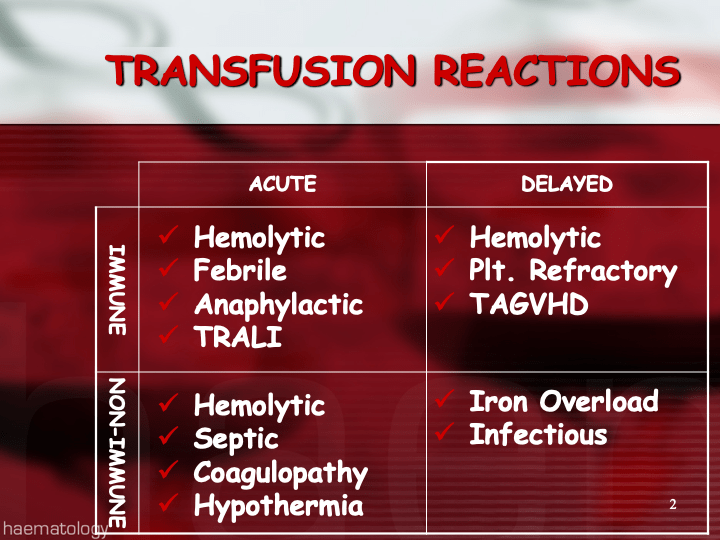
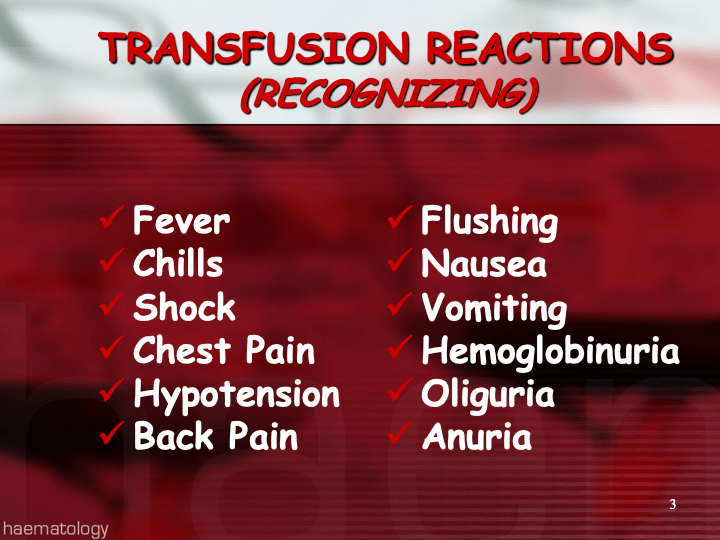
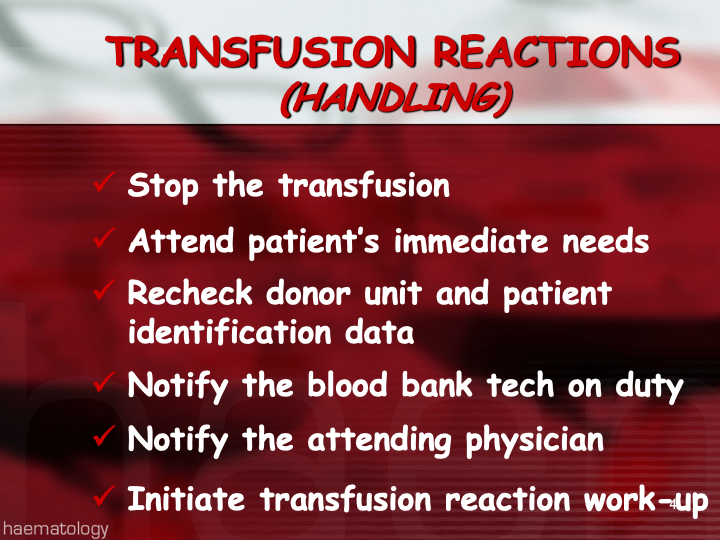
This is part 4 of a lecture I made for medical students at National Guard Health Affairs in Riyadh. This assumes a completely manual system and does not include ISBT labels or new universal-group components (low-titer group O whole blood or low-B-titer group A plasma).
This is part 3 of a lecture I made for medical students at National Guard Health Affairs in Riyadh. This assumes a completely manual system and does not include ISBT labels or new universal-group components (low-titer group O whole blood or low-B-titer group A plasma).
This is part 2 of a lecture I made for medical students at National Guard Health Affairs in Riyadh. This assumes a completely manual system and does not include ISBT labels or new universal-group components (low-titer group O whole blood or low-B-titer group A plasma).
This is the first part of a medical student lecture I gave at National Guard Health Affairs in Riyadh. The lecture was given before we had a blood bank computer system and shows manual processes.
Donors must pass and complete all previous processes in the donor workflow (registration, questionnaire, and physical examination) before the collection process begins.
The donor is positively identified by a designated picture ID and Hematos donor consent form with specimen/encounter number and barcode.
Donor staff checks and prepares a suitable vein
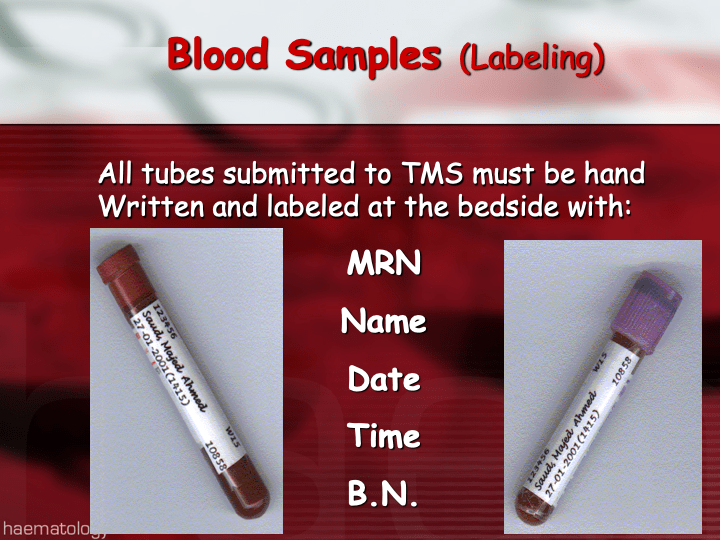
Donor staff collects/labels specimens and the whole blood or apheresis components AT THE DONOR’S BEDSIDE.
Donor reactions are assessed and treated as they occur.
Donors are observed in a post-donation area and given post-donation instructions before discharge.
All processes are documented in Hematos IIG.
Donor units and specimens are sent to component processing and donor marker testing.
The collection workstation and equipment are cleaned before starting a new donor collection.
References:
HMC 1001 Setting Specification, Version 1.5, Hematos IIG, Medinfo
Standards for Blood Banks and Transfusion Services, Current Edition, AABB, Bethesda, Maryland, USA
As a transfusion medicine physician, I must know if I can trust my staff’s interpretation of immunohematology testing. I may be called at night and they will provide me with results and I must use these to make a medical judgment. If their interpretation is flawed, I might make a decision that harms the patient.
I really don’t like multiple-choice questions, but nowadays this is often the norm. For my staff, especially senior staff and those who want to be promoted to senior staff, I have developed a series of projective exercises to help me understand their thought processes. I also used this approach on prospective candidates for hire.
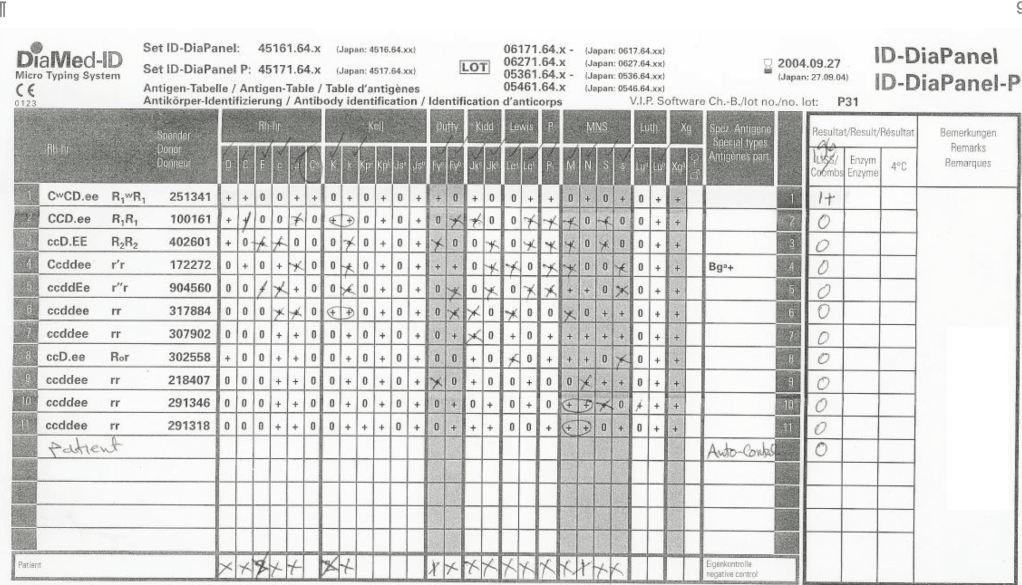
Here is a sample exercise. I have the candidate or staff review this panel and tell me to interpret it:
Most of them answer that this is an anti-Cw without hesitation. However, they are basing that on only one Cw-positive cell.
More astute ones indicate it might be anti-Cw but ask to test additional Cw-positive cells and perform an enzyme panel. These are the ones that I will consider for hire or promotion now.