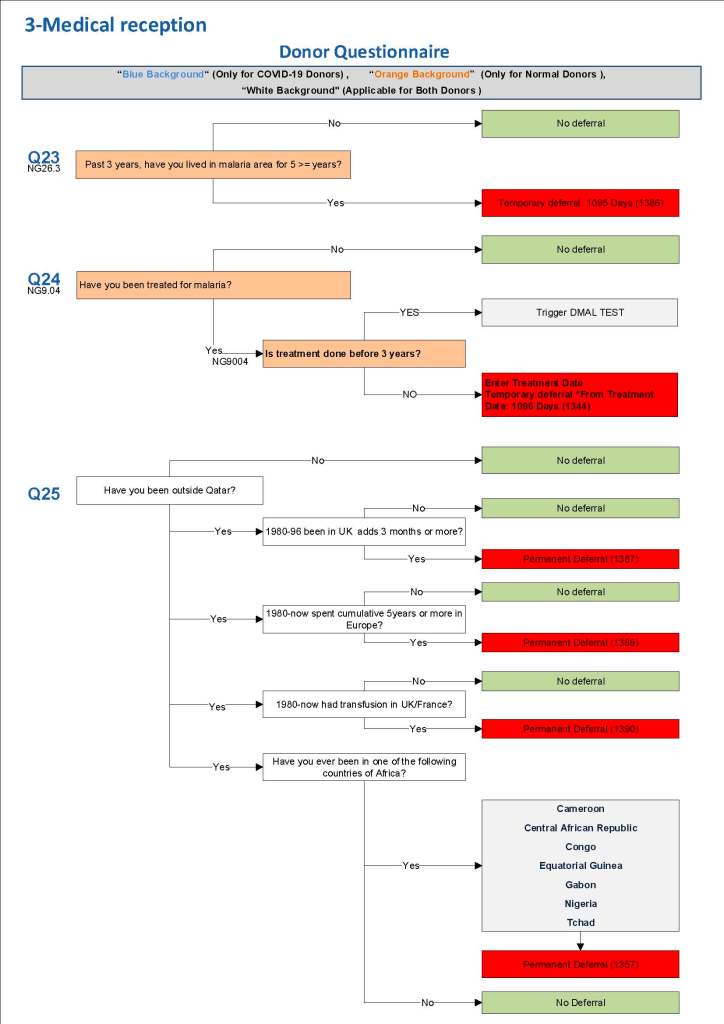
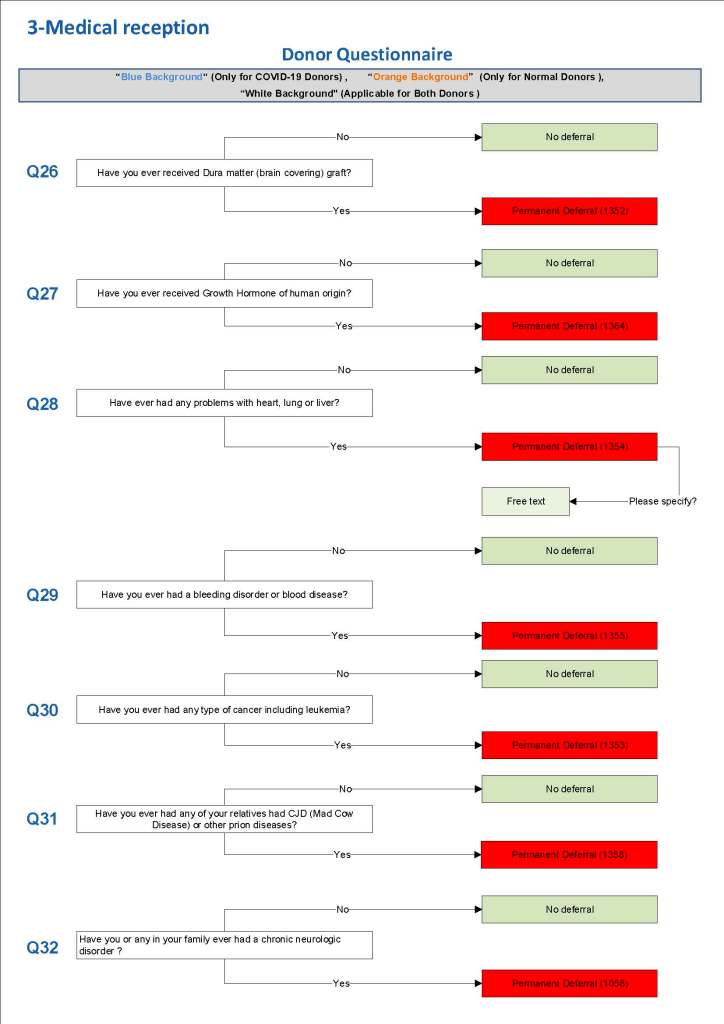
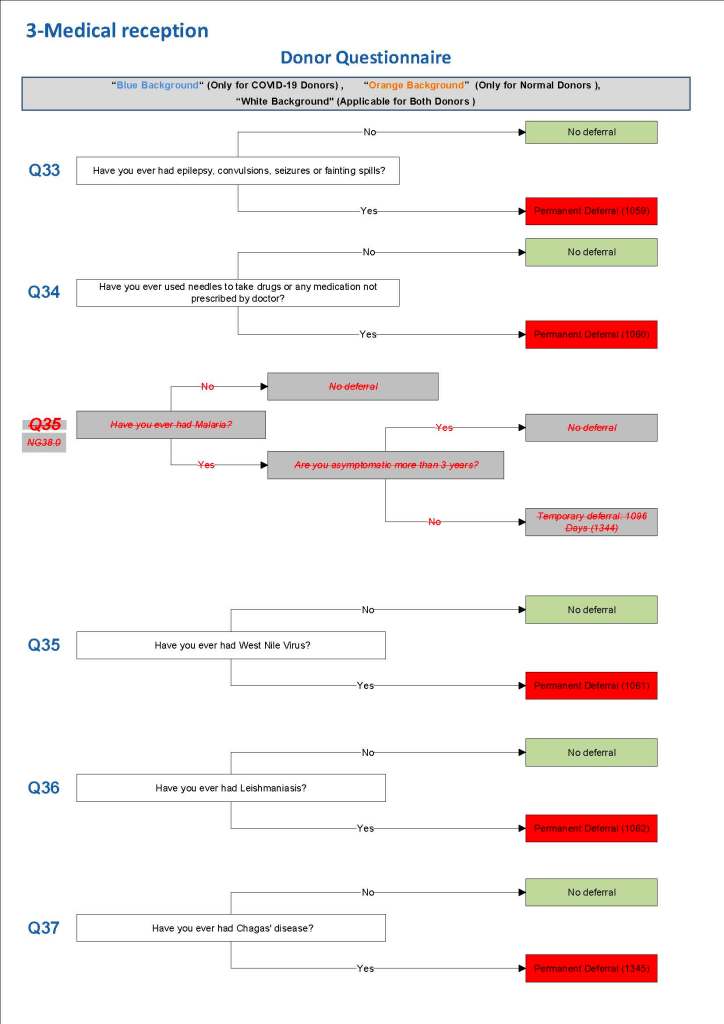
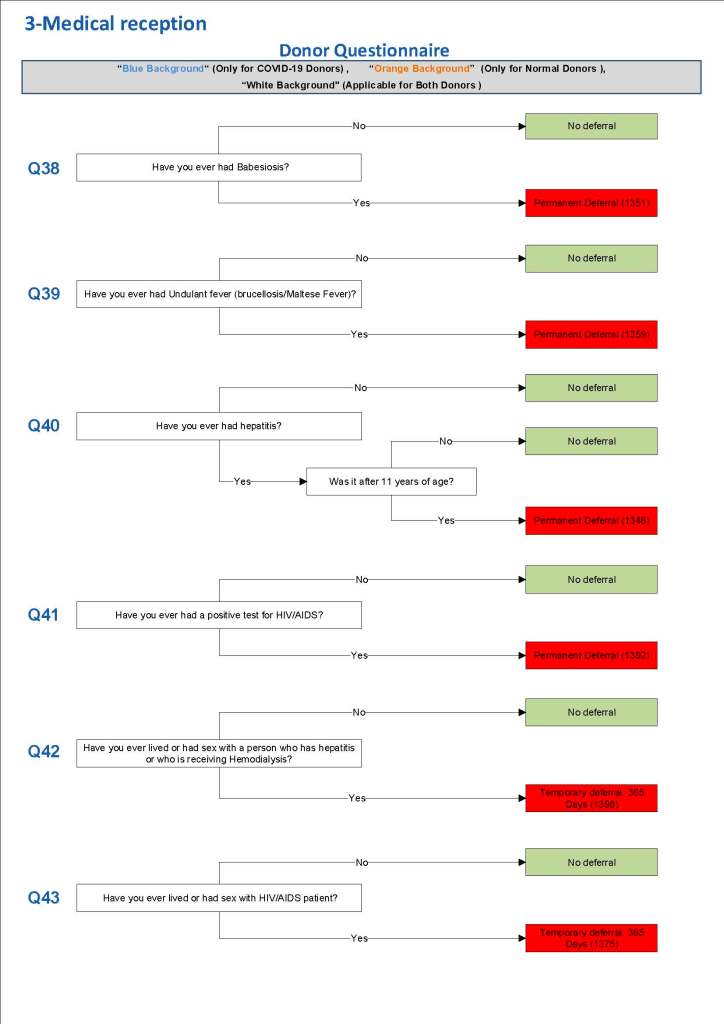
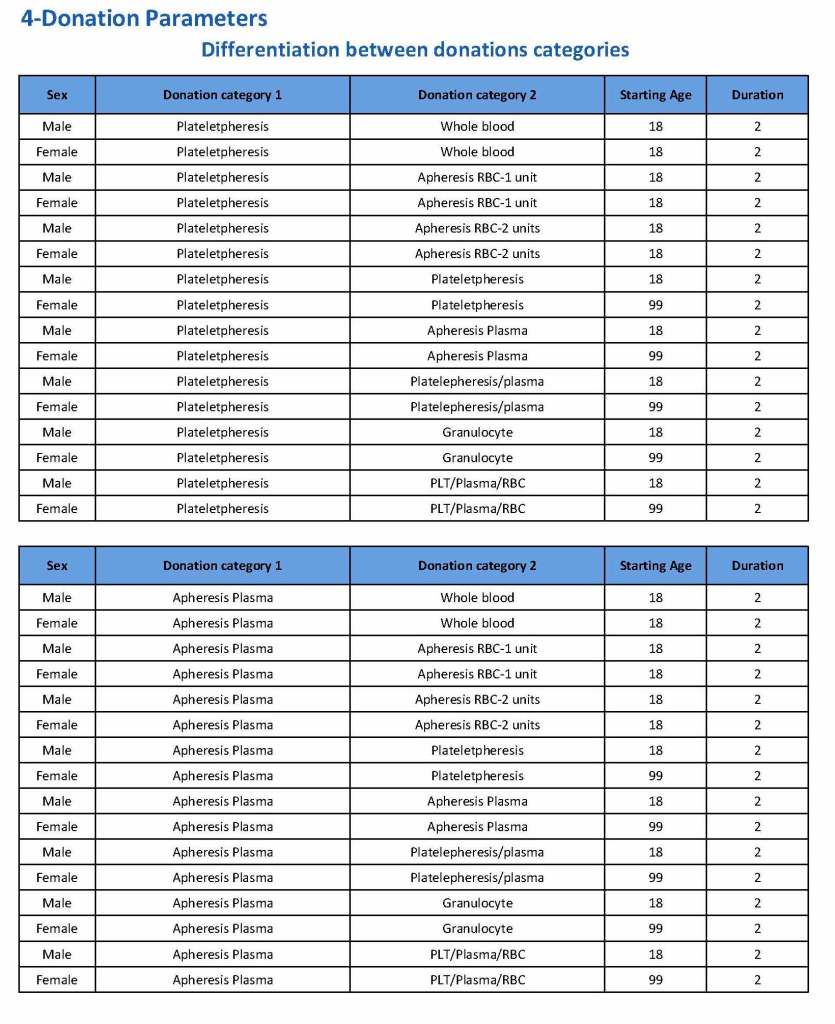
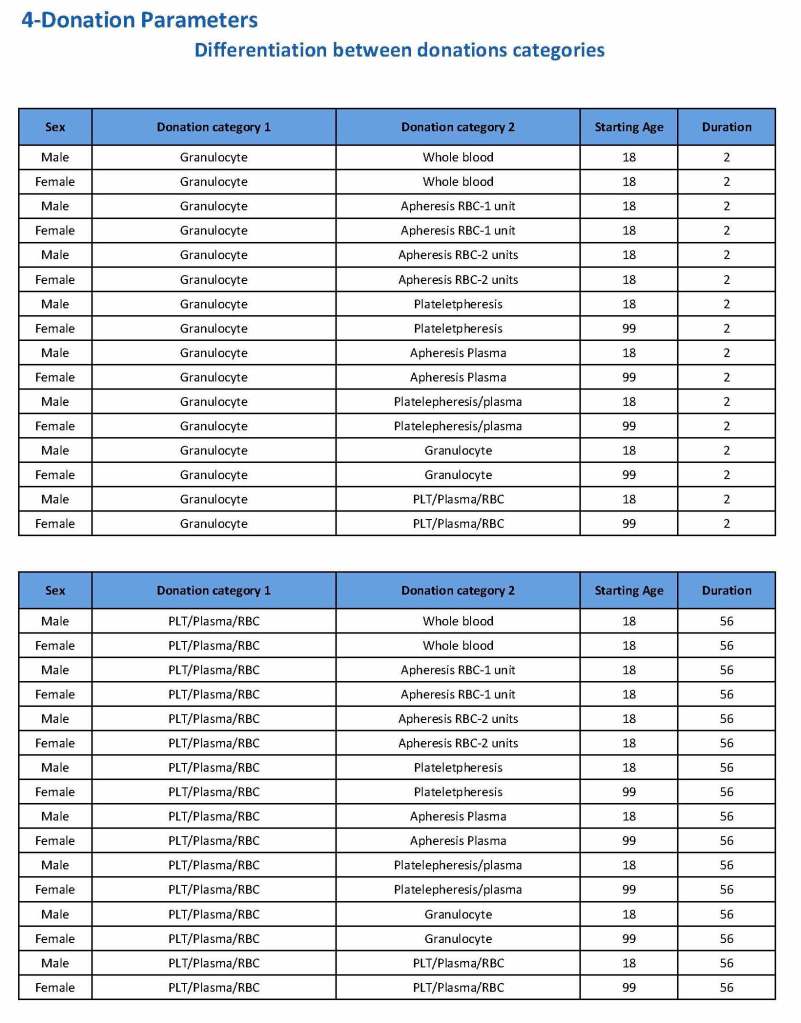
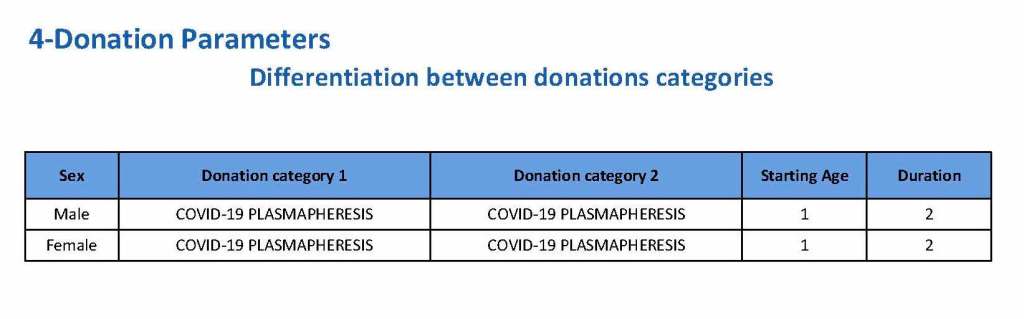
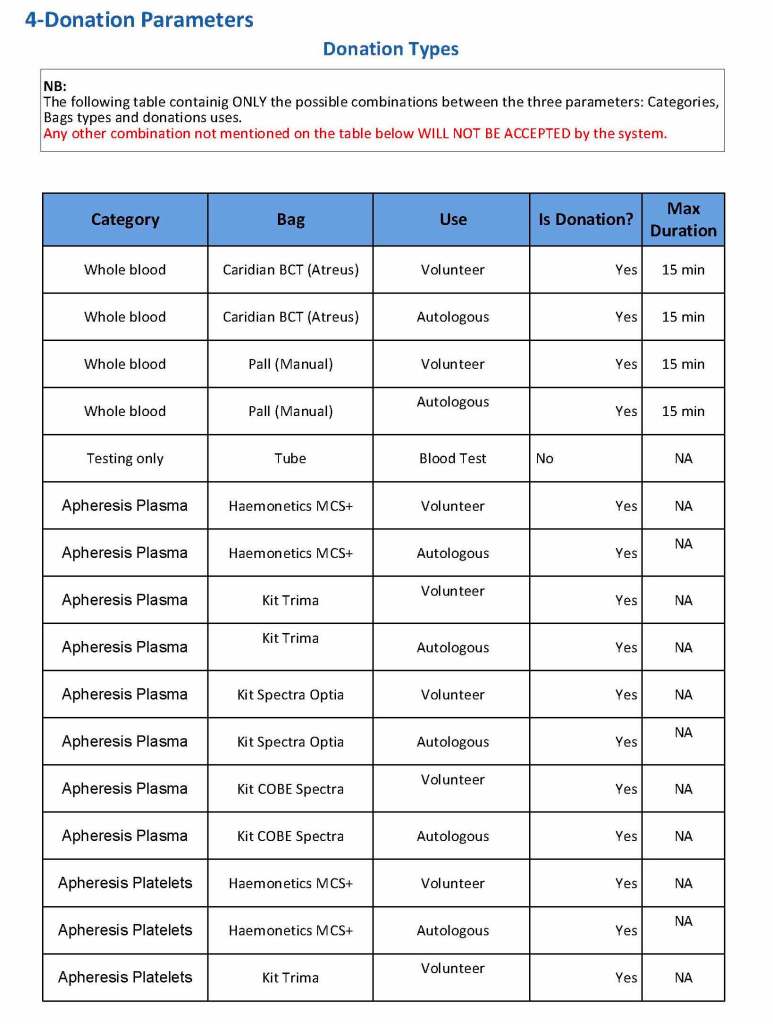
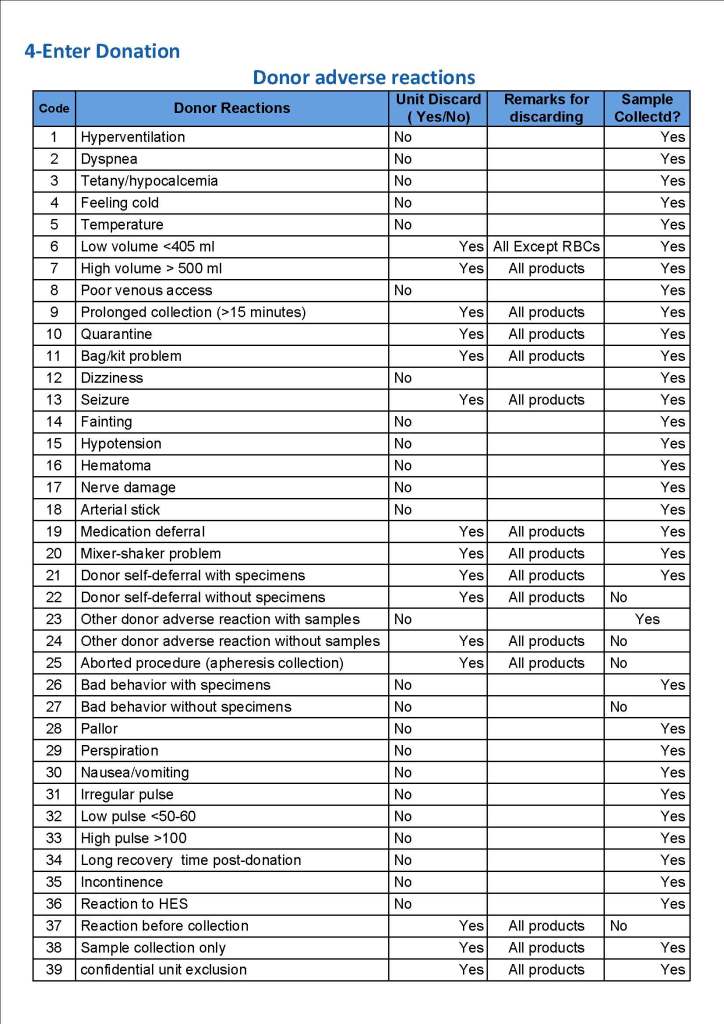
Processes and Software Building: Updated Convalescent COVID-19 Plasma Production

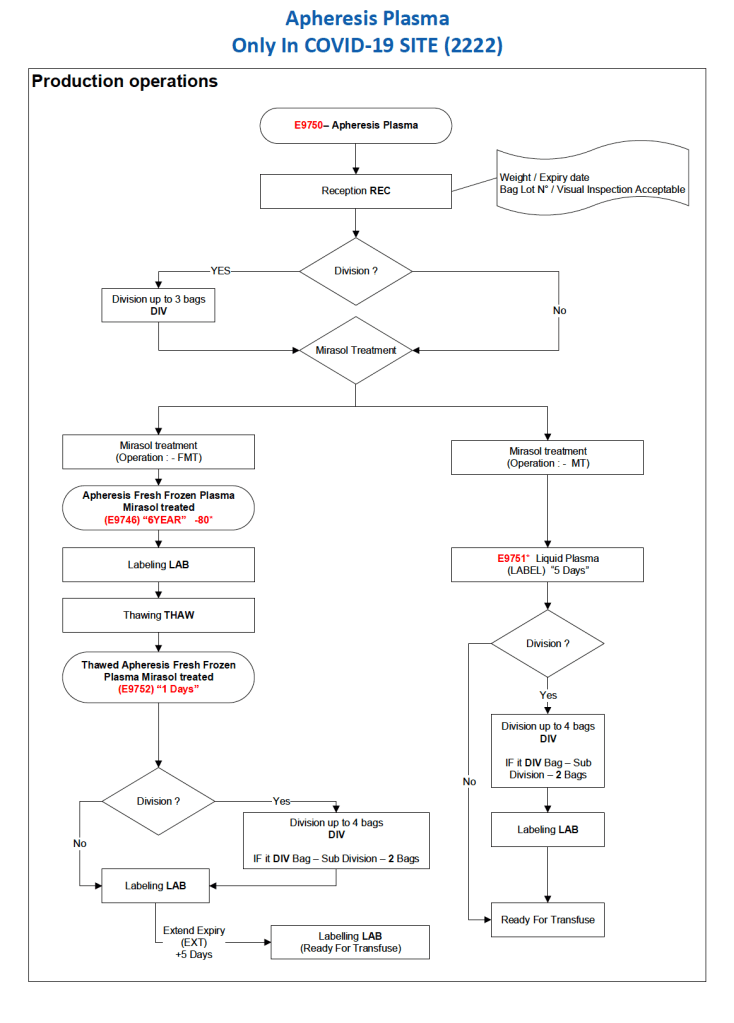
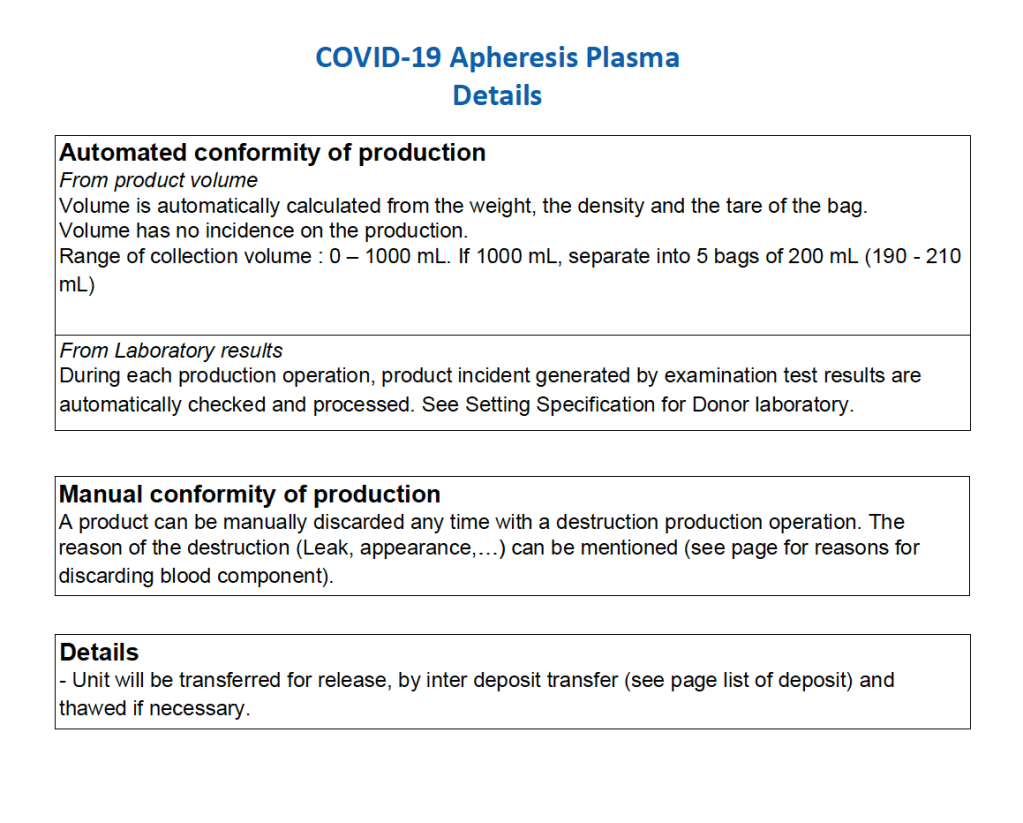
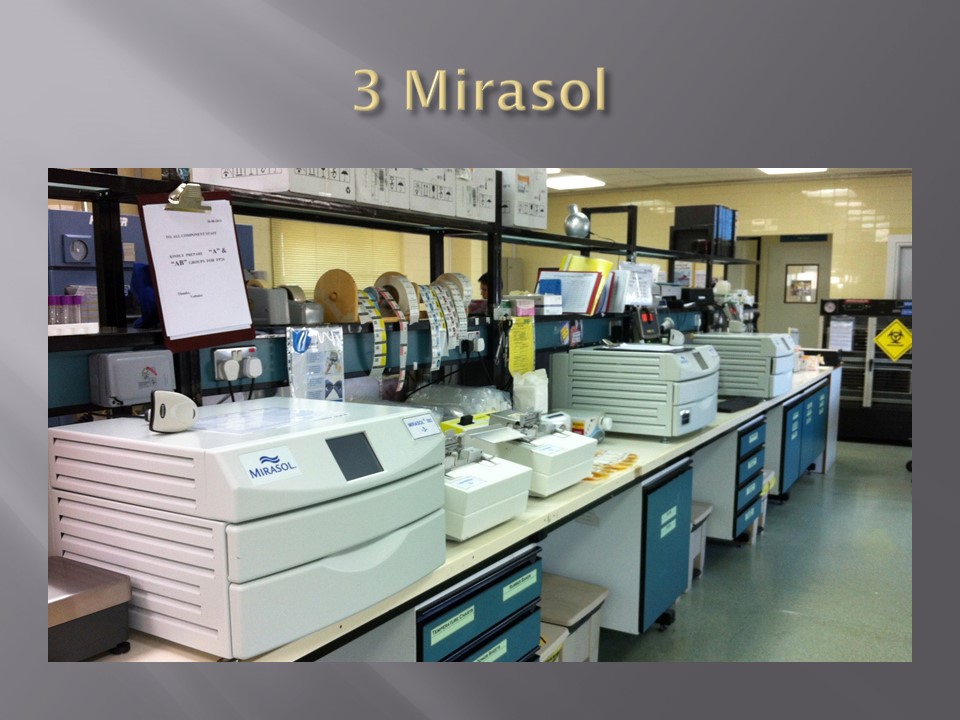
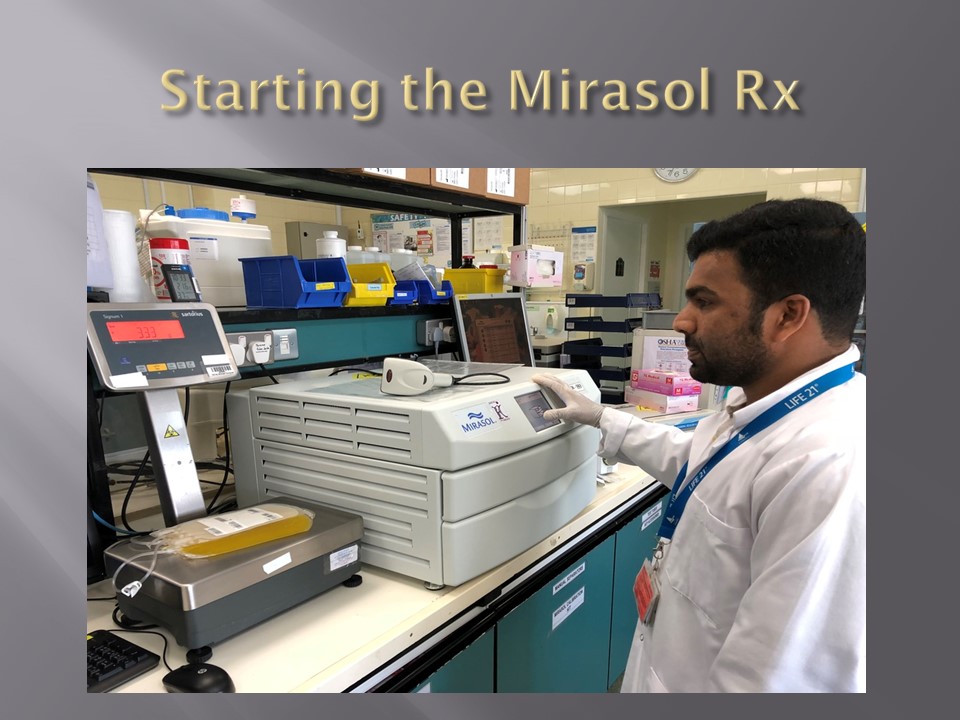
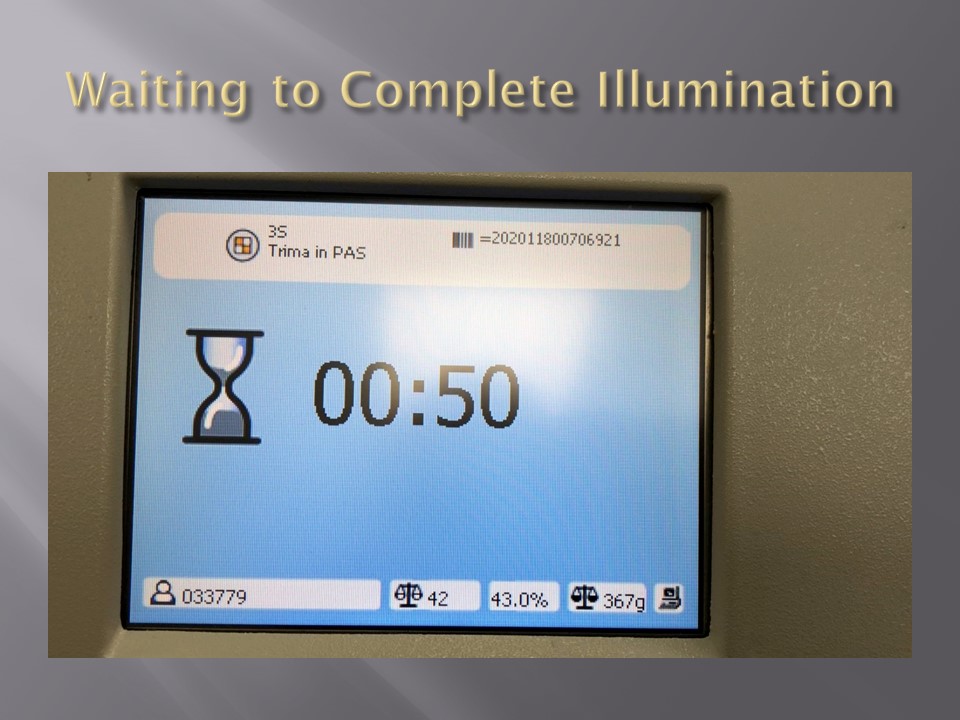
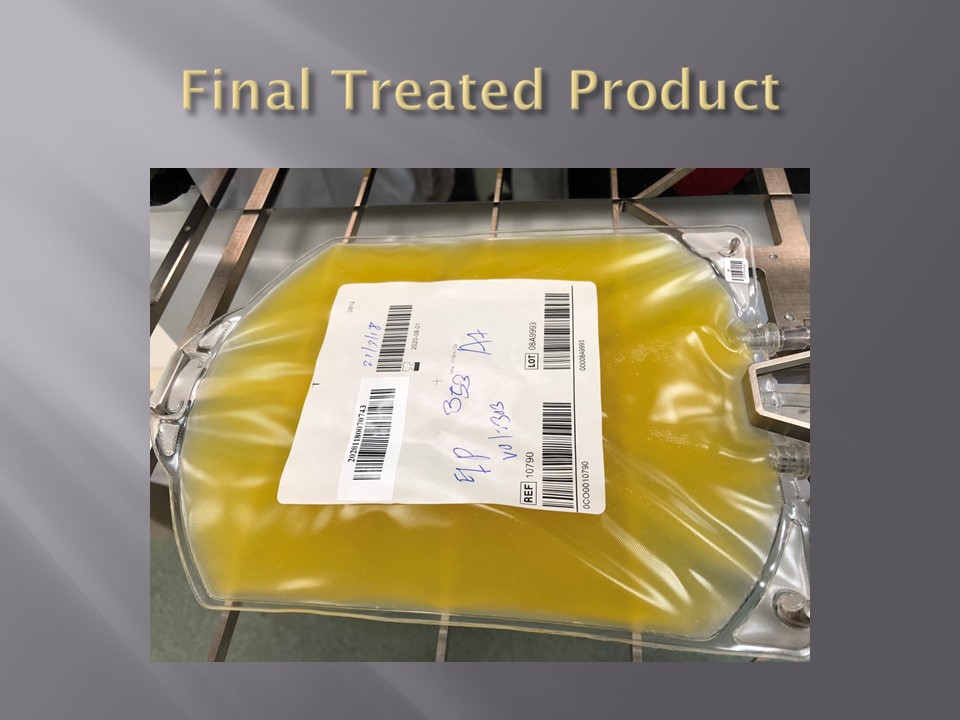
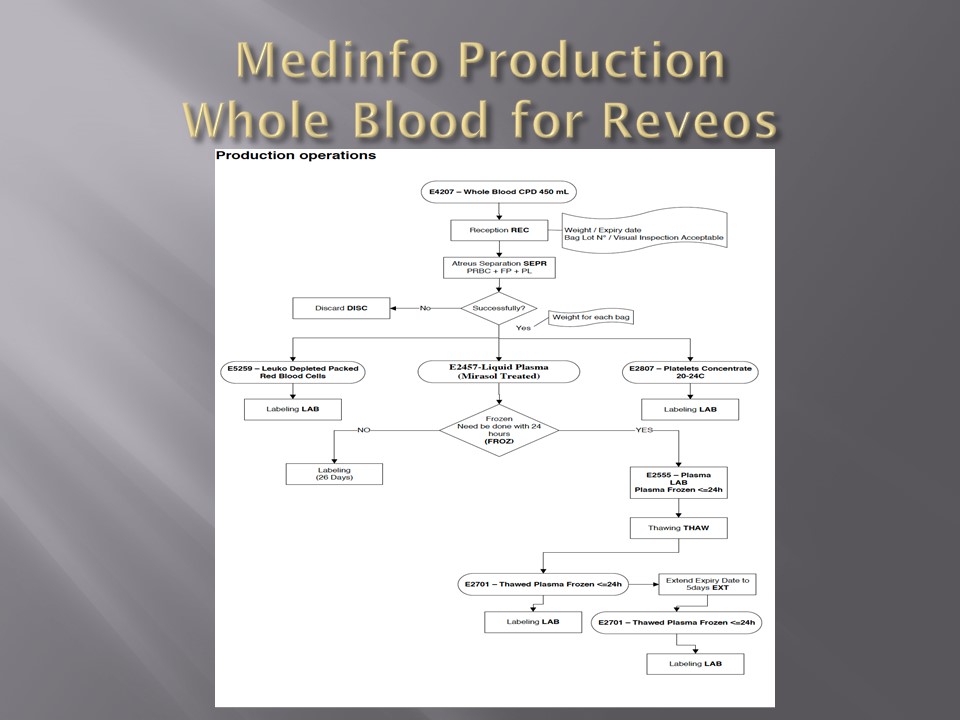
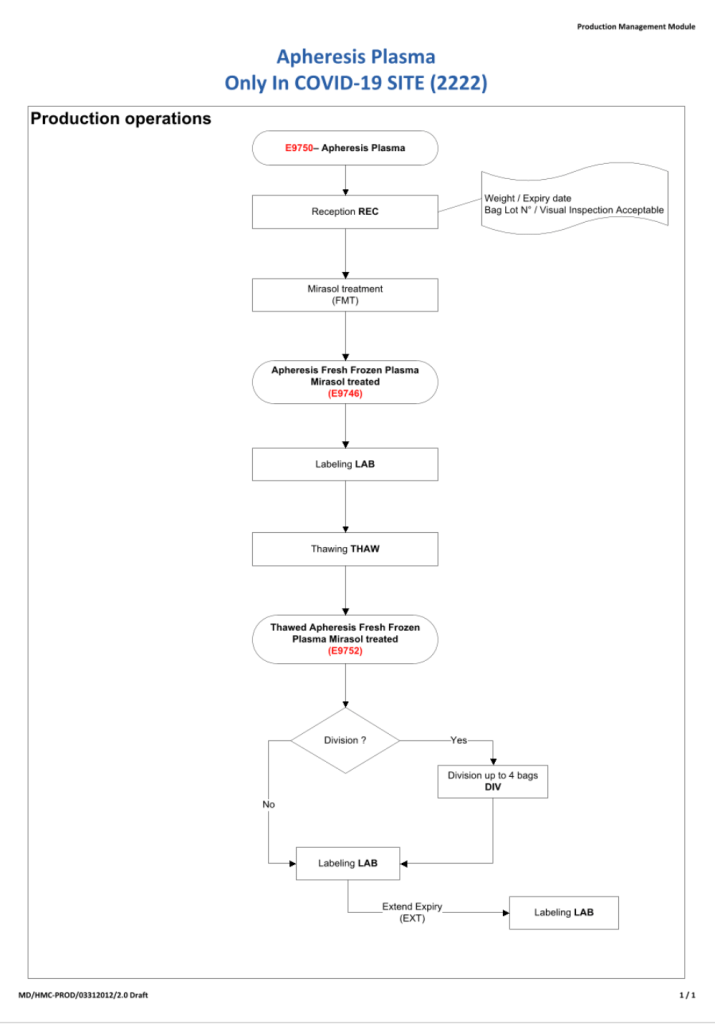
After the initial manual setup of the CCP program, the Medinfo process was set up.  The following workflow shows the production of CCP from the raw apheresis collection, including division into aliquots based on the total volume.  The plasma volumes were kept within the range for riboflavin pathogen inactivation (Mirasol).

The usual safeguards for production were also in effect for CCP.  The product could not be labelled without all criteria (donor screening, collection, marker testing) being met.  Furthermore, the inter-depot and transfusion service processes still applied.  However, all steps were done in quarantine at a location separate from the regular processes.  Also, the actual ordering and release of CCP was restricted to the quarantine hospital blood bank site.

The following outline the production process:

Autologous Transfusion and Responsibilities

This is the process I developed for HMC Doha. The Medical Director (here Head, Transfusion Medicine HTM) is actively involved in the development of policies, processes, and procedures for ALL types of autologous donation in conjunction with the National Transfusion Committee NTC.

  1. Predeposit:  Directly under the control of the HTM for all aspects:  policies, procedures, and direct performance of the procedures, including annual review of criteria
  2. Perioperative:  HTM involved in conjunction with Surgery and Anesthesia through the NTC.
  3. Intraoperative:  HTM involved in conjunction with Surgery and Anesthesia through the NTC.
  4. Postoperative:  HTM involved in conjunction with Surgery and Anesthesia through the NTC.

Background:

There are four basic types of autologous transfusion:  preoperative, perioperative hemodilution, intraoperative, and postoperative drainage/collection.  The use of all of the above techniques can significantly decrease the need for homologous blood and as an added benefit reduce the risk of the disease transmission and immunosuppressive effects of such homologous transfusions.

Preoperative collection can make available packed red blood cells, whole blood, platelets, FFP, and/or cryoprecipitate.  However, at most two units of blood per week can be collected.  RBC’s can be stored for up to 42 days in the liquid state, frozen RBC’s up to ten years, platelets up to five days, and fresh frozen plasma and cryoprecipitate up to one year.  The last collection cannot be less than 72 hours prior to the surgery time.  Units can be collected as long as the patient’s hematocrit remains above 33%.  Supplemental iron and erythropoietin can increase the number of units harvested.  The biggest obstacle to using this service is the coordination of the patient scheduling for this procedure.  The blood bank does not have the resources to prospectively analyze the surgical scheduling and make the various appointments, contact the attending physician, etc.  Thus, this service is vastly underutilized.

PHD or Perioperative hemodilution (also called acute normovolemic hemodilution) is useful in cases when the anticipated blood loss is at least one liter and the initial hematocrit is at least 34%.  This includes essentially all types of surgery, but in particular cardiac, vascular, orthopedic, and urologic cases.  The patient’s hematocrit Hct. is lowered to the range of 20-25% and the blood is replaced by crystalloid in a ratio of 3:1–i.e. three times as much fluid as blood, or in the case of colloid replacement, a 1:1 ratio of colloid plus 0.5 to 1.0 ml. of crystalloid.  Crystalloid has the advantage of being readily removed by diuretic use.  However, this technique should not be undertaken when vascular access is inadequate or appropriate monitoring devices are lacking.  The physician performing PHD must be familiar with the compensatory mechanisms normally invoked when the hemoglobin is acutely lowered.

Another new twist to PHD is the perioperative collection of platelets by a special attachment to a cell-saving machine.  This could allow collection of a typical apheresis load, about 6 to 10 units of fresh platelets for potential use.  There are currently studies underway to determine if this has particular clinical advantages to warrant the additional cost.

Intraoperative salvage may be performed with a number of canister or automated devices.  The latter is usually used when there are large volumes (usually 3 or more units) of blood to be salvaged.  Depending on the body site, the recovered material is at least filtered and may or may not be washed.  Care must be taken to collect the blood at a low suction rate and with minimal turbulence to minimize hemolysis.

Postoperative drainage collection of certain sites such as post-knee replacement surgery or chest wounds involves a canister collection device.  This blood may or may not be filtered before reinfusion.

Note that perioperative and intraoperative material can only be transfused up to six or eight hours at room temperature or 24 hours if refrigerated at 1-6 degrees (depending on the method used) post collection to minimize the risk of infection.  Intraoperative collection is usually contraindicated in cases of cancer and if the bowel has been violated.

Other Issues:

The transfusion criteria for autologous blood is the same as for allogeneic units. If you wouldn’t transfuse if no autologous blood were available, you shouldn’t transfuse because you have it!

The same compatibility testing algorithm applies both the autologous and allogeneic units.

Policy:

  1. Scope:
    1. Predeposit collection of Whole Blood/RBCs and plasma is under the authority of Transfusion Medicine.
    2. Perioperative hemodilution, intraoperative cell salvage, and postoperative drainage collection is under the authority of the National Transfusion Committee in conjunction with the Departments of Surgery and Anesthesia.
      1. Head, Transfusion Medicine will liaise with the clinical departments as needed.
      2. Transfusion Medicine may provide blood bags for perioperative hemodilution upon request.
    3. Transfusion Medicine does not receive autologous collections—perioperative, intraoperative, or postoperative drainage collection.
  2. Processes directly under Transfusion Medicine authority:
    1. Autologous collection of whole blood/RBCs (predeposit) for elective surgeries will be considered especially if the patient has a dangerous antibody for which antigen-matched units cannot be easily obtained (e.g. anti-k (cellano), anti-PP1Pk (anti-Tja), anti-H (Bombay and Para-Bombay phenotypes).
    2. Autologous collection of plasma may be considered for patients with IgA deficiency with documented specific anti-IgA antibodies.
    3. Autologous collection of platelets may be considered for patients with anti-platelet antibodies and platelet refractoriness.
    4. Other requests will be reviewed by the Head, Transfusion Medicine or designate.
    5. The final decision to proceed with items 2.1 and 2.2 will be made by the Head, Transfusion Medicine or his designate.
  3. Process for Transfusion Medicine Autologous Procedures
    1. The requesting physician shall provide a written order to the Blood Donor Center.
    2. The request will be reviewed by a transfusion medicine physician.
    3. If rejected, the requesting physician will be notified with the reason for the rejection.
    4. If approved, the donor shall be screened by the usual donation process except:
      1. Hgb >= 11 g/dl will be acceptable for whole blood collection.
      2. Females may also donate autologous plasma.
      3. The last autologous donation will be at least 72 hours before the elective procedure.
    5. Marker testing:  Components from autologous donors with confirmed positive cases of HBV, HCV, HIV, syphilis, malaria, or HTLV infection will NOT be used for autologous donation and will be destroyed.
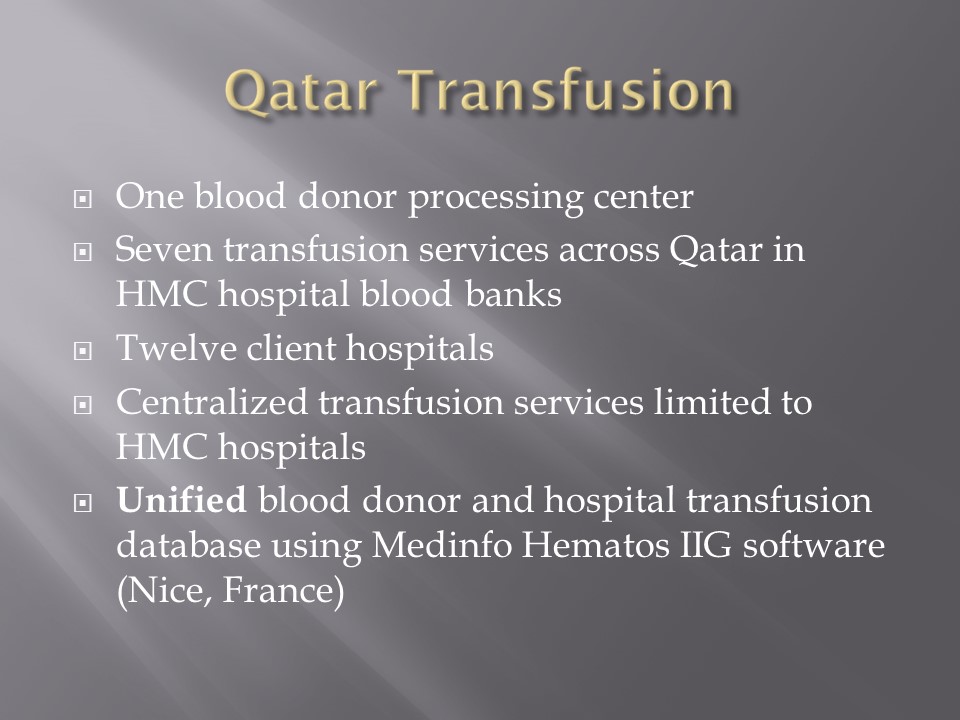
    6. Computer:  Autologous collections will be entered as specifically as such in the Medinfo  Hematos IIG blood bank computer system and be labeled as autologous in their corresponding ISBT labels.
    7. Crossover of autologous units requires review and approval by a transfusion medicine physician–only those cases where the donor met the standard donor criteria will be considered.
    8. The transfusion criteria for autologous units shall be the same as for homologous blood.
    9. Both autologous and allogeneic units will follow the same compatibility testing algorithm.

References:

  1. Standards for Blood Banks and Transfusion Services, 29th Edition, AABB, Bethesda, MD, USA, 2014
  2. TRM.41600 CAP Checklist Standard, 2015

Processes and Software Building 9: Enforcing GMP

Enforcing Good Manufacturing Process Through A Dedicated Blood Bank Software

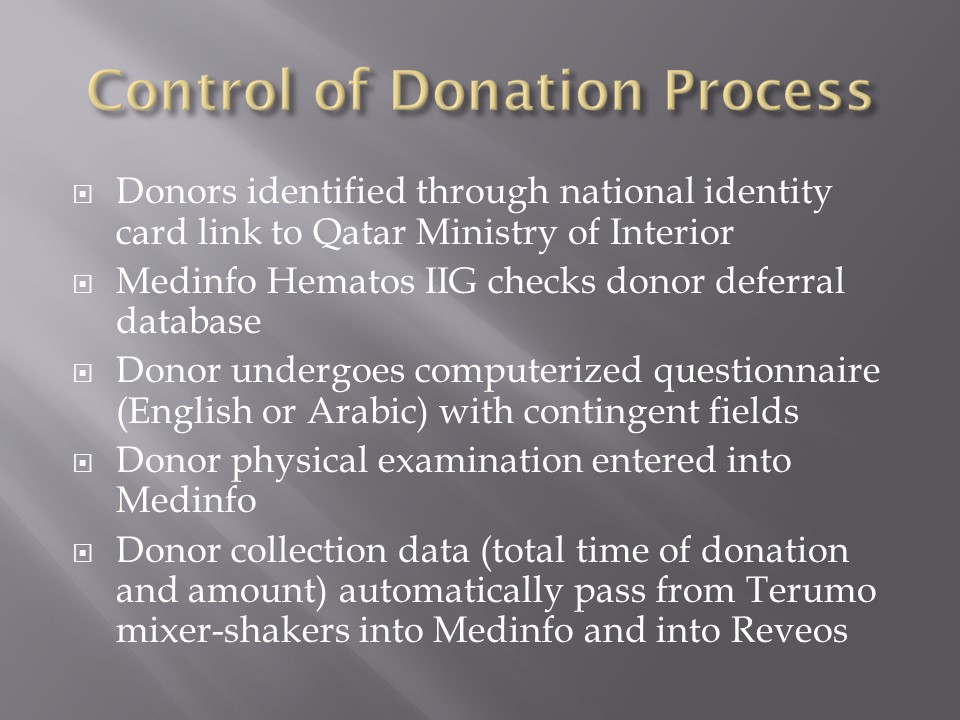
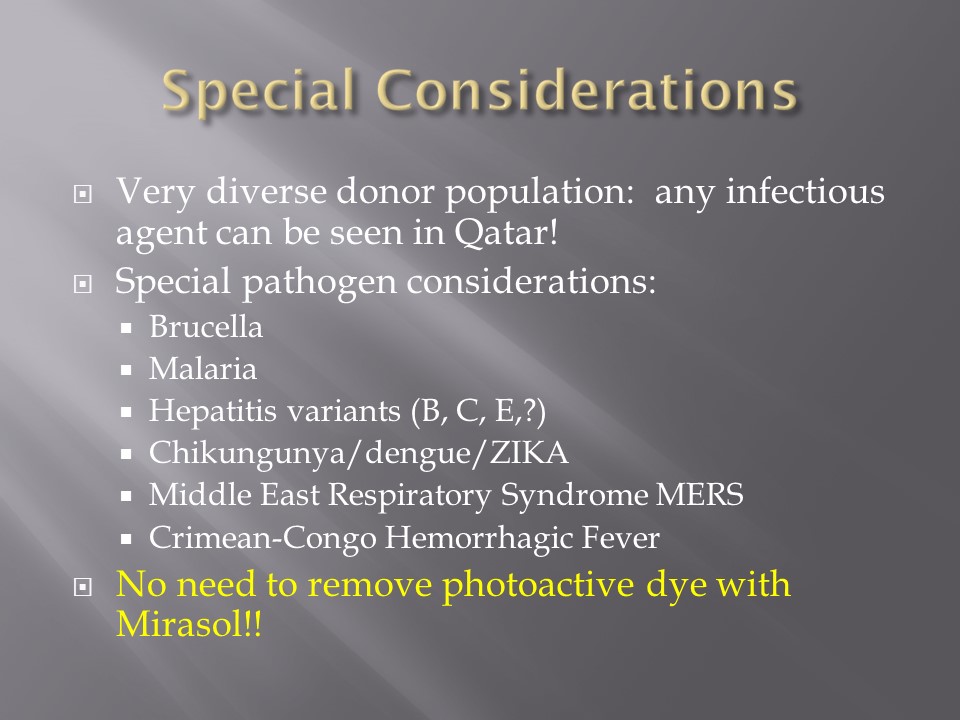
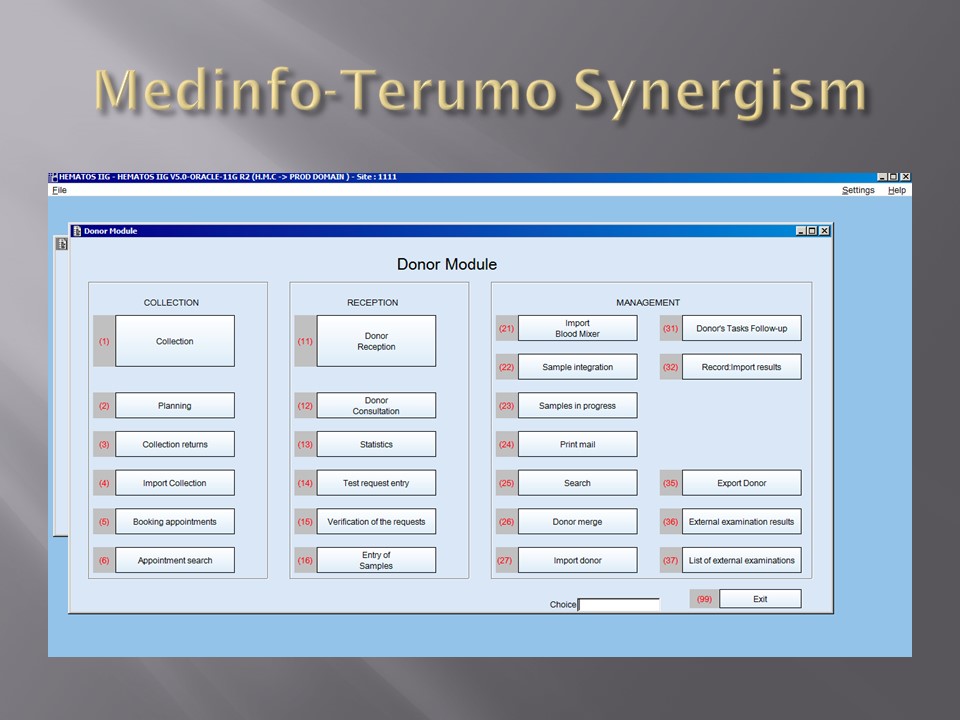
Blood components are a drug and like medications must be consistently produced and follow Good Manufacturing Practices GMP.  The following system that I set up for HMC Doha Qatar blood collection and processing is an example of the impact of Medinfo donor software on enhancing our safety and GMP compliance.  In earlier posts, I provided the Medinfo flowcharts for these processes.

This is an outline of the processes I built in conjunction with the Medinfo software engineers:

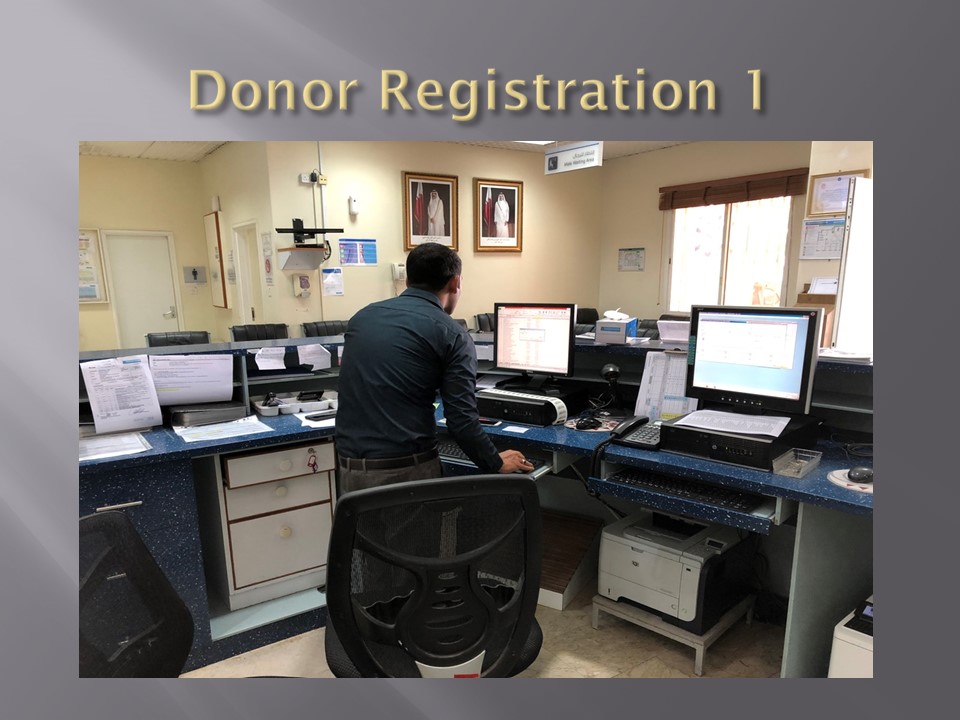
  1. Registration:
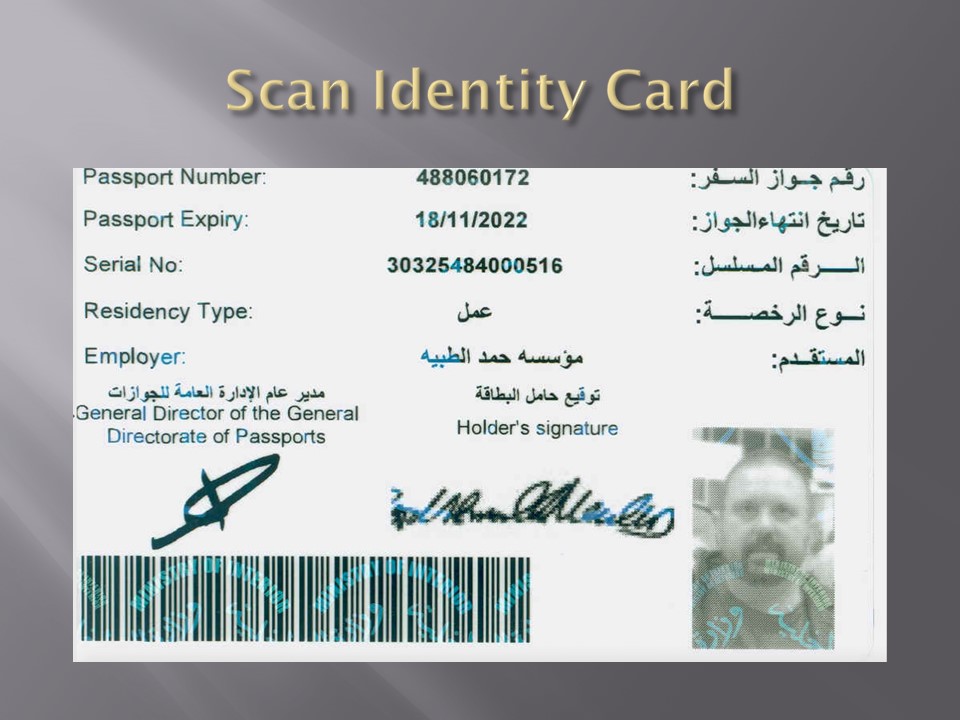
    1. Read the barcode on the specified picture ID (usually a Qatar Residency/Citizen card).
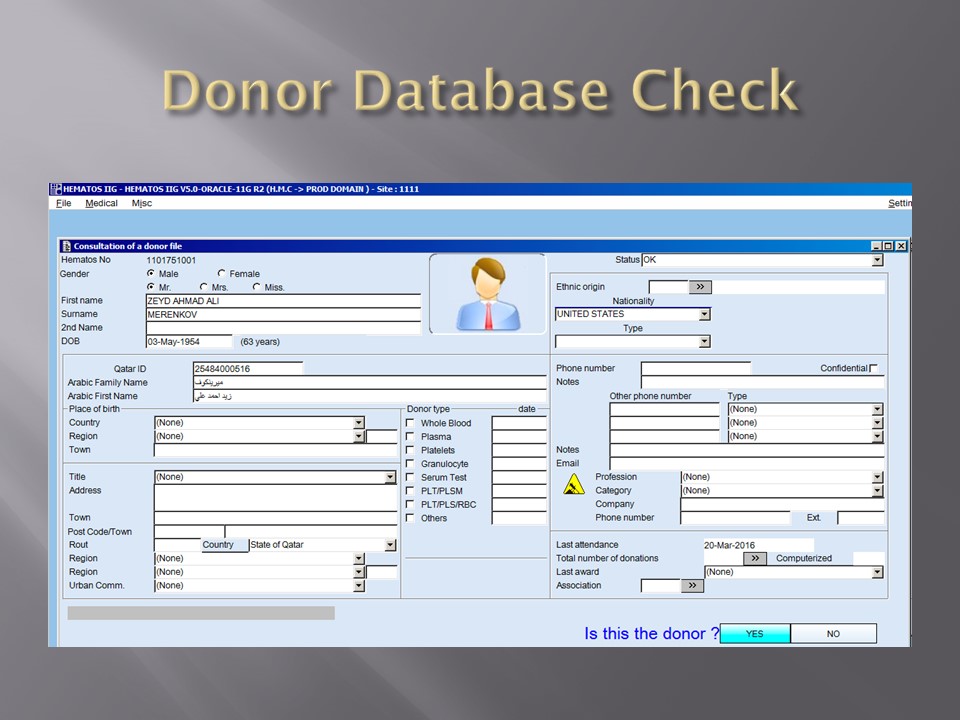
      1. Retrieve the prospective donor’s demographics in English and Arabic from the Ministry of Interior.
      2. Check the donor deferral database (Qatar has only one), defer if contraindicated according to the rules built into Medinfo.
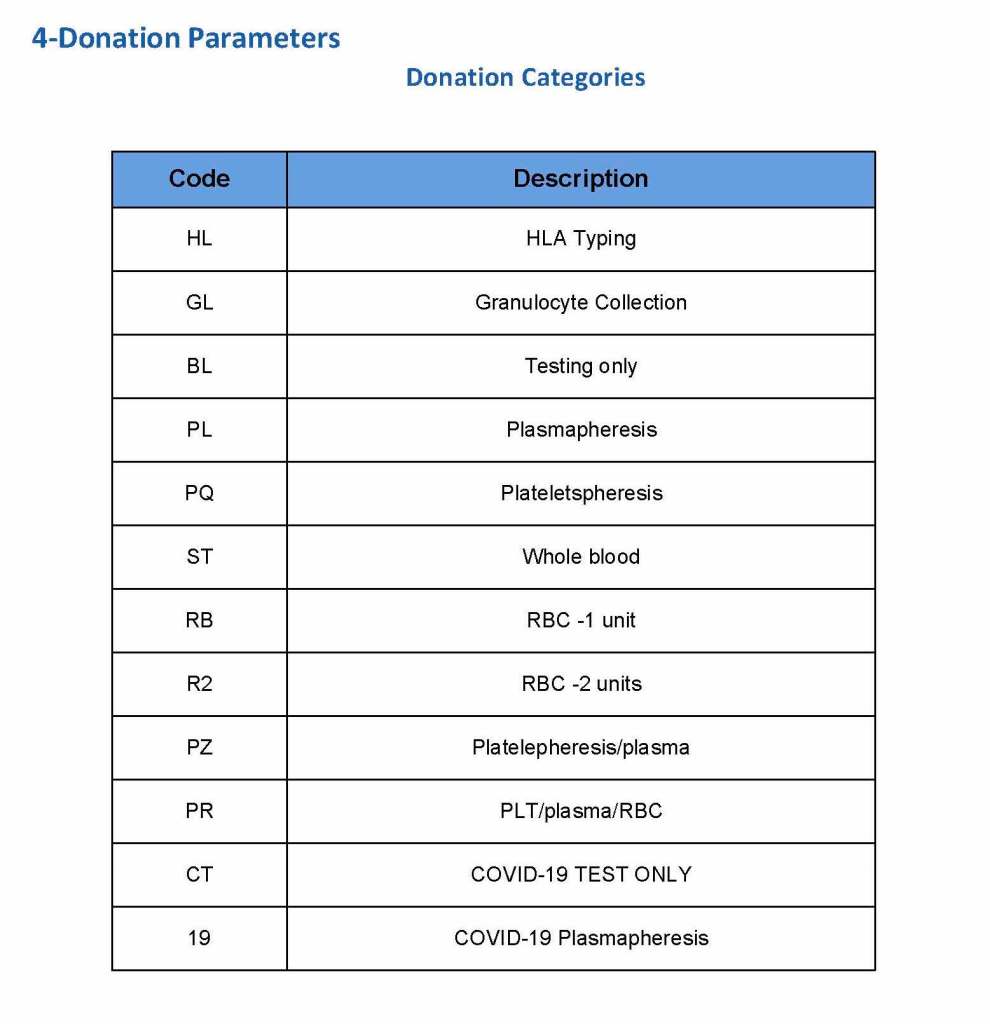
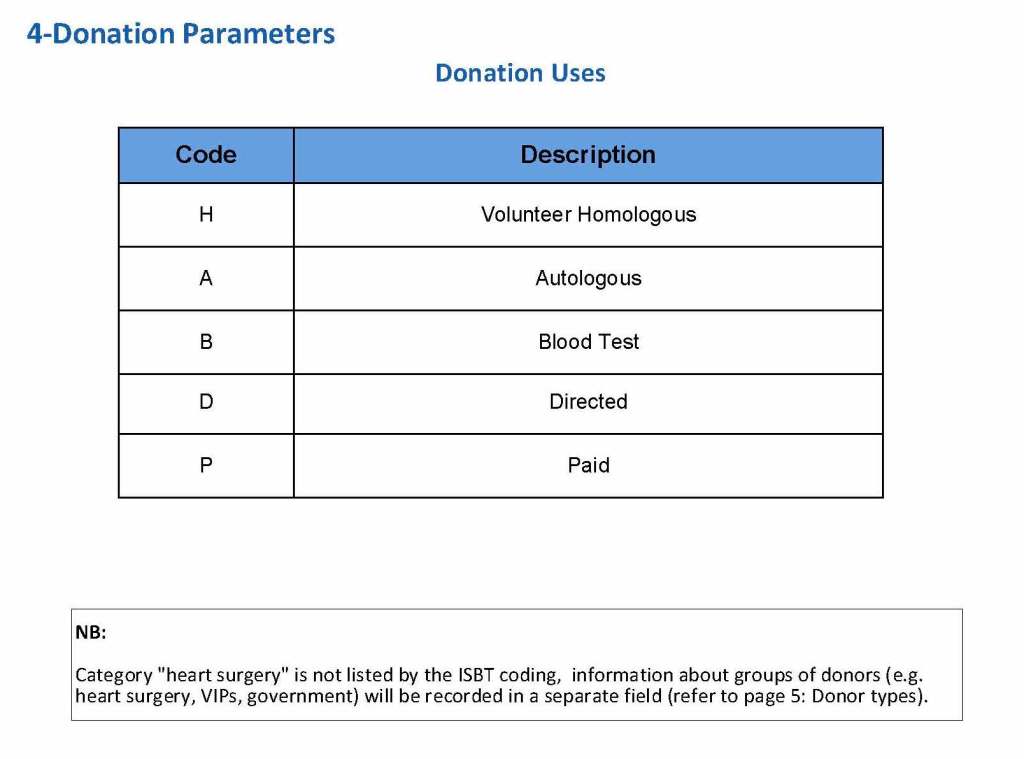
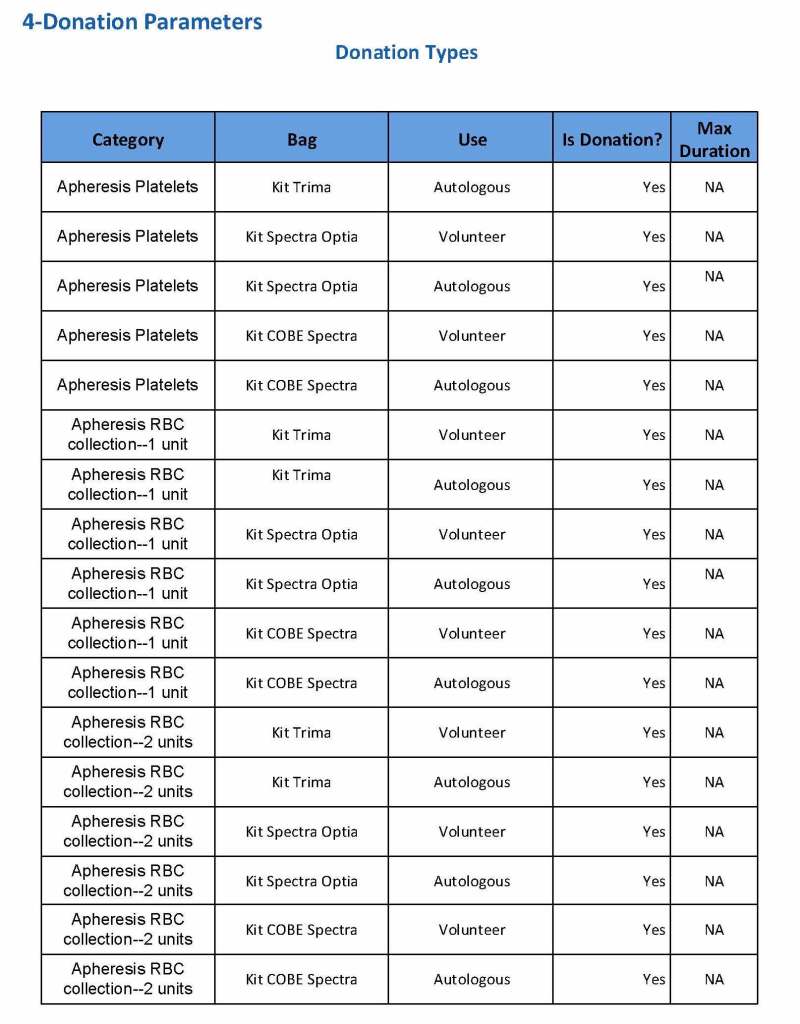
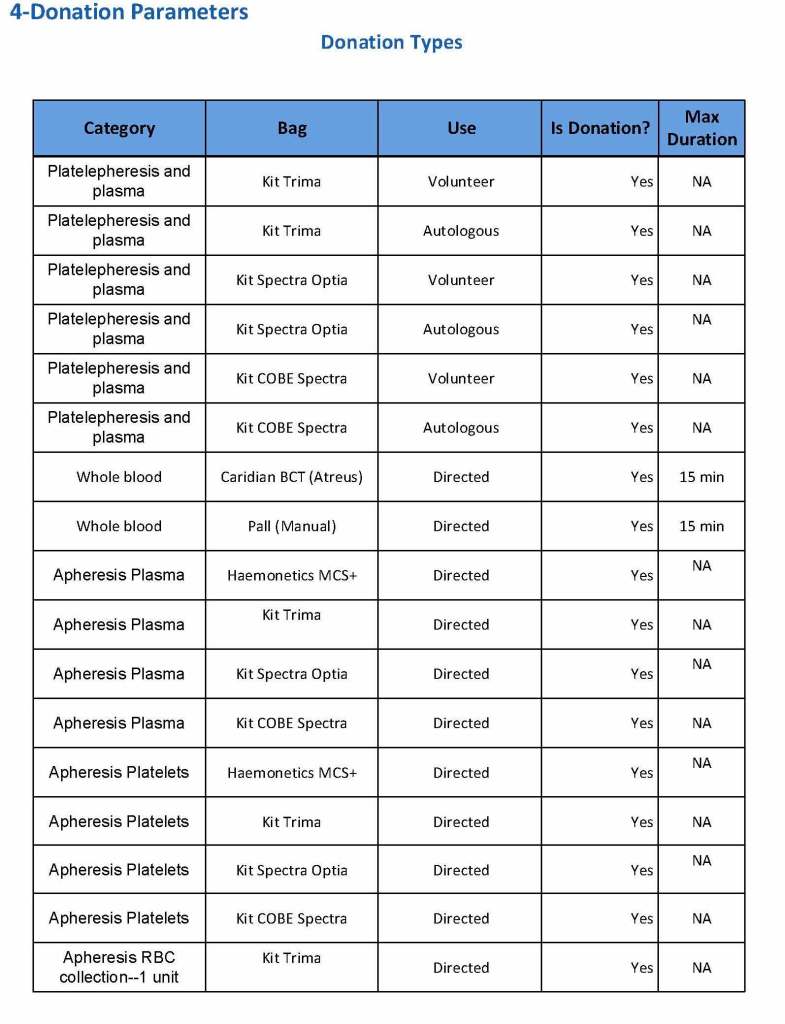
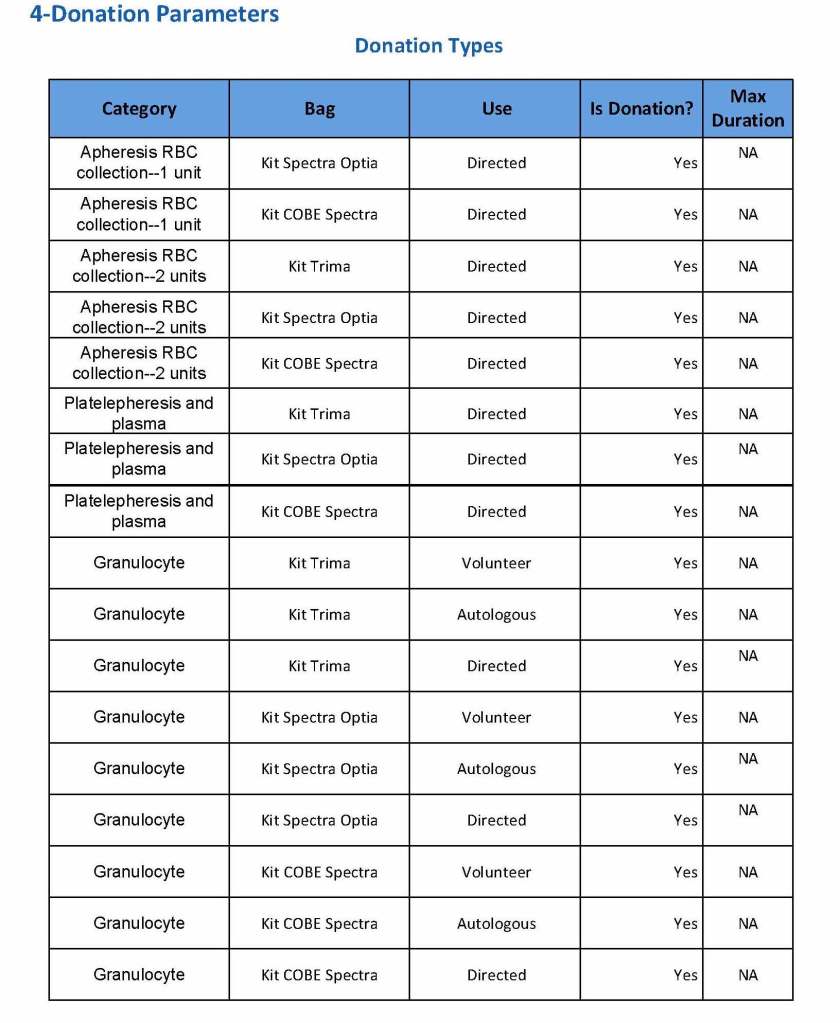
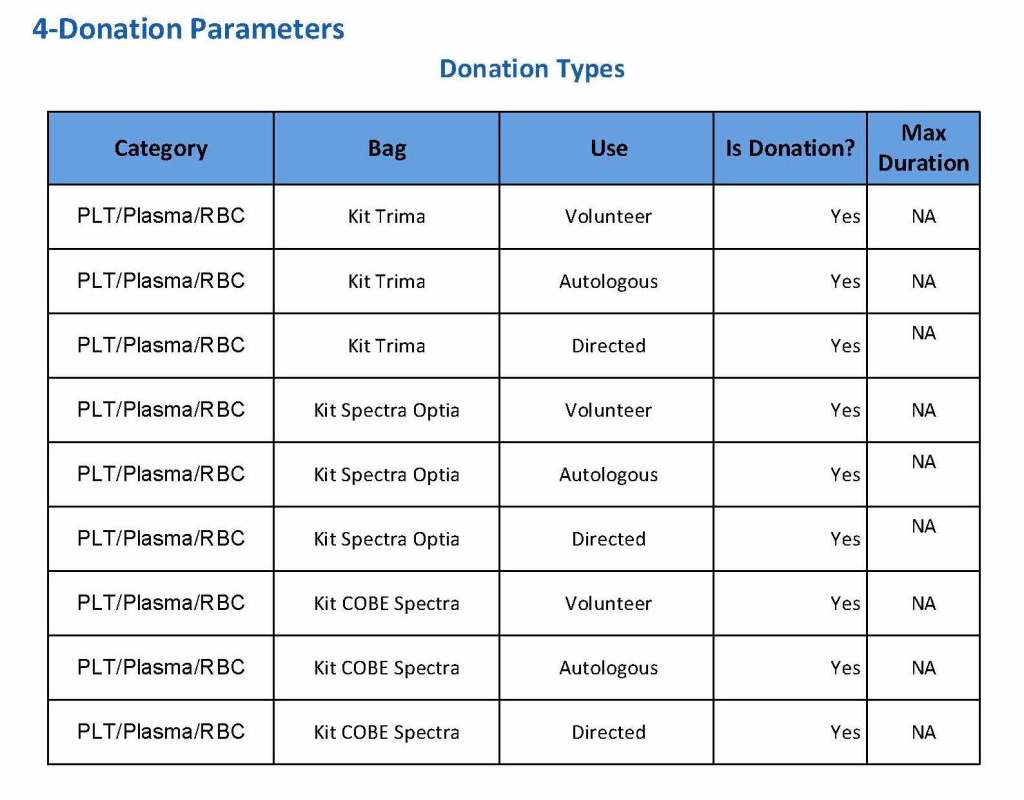
    2. Choose the type of donation (apheresis or whole blood;  volunteer, directed, or autologous).
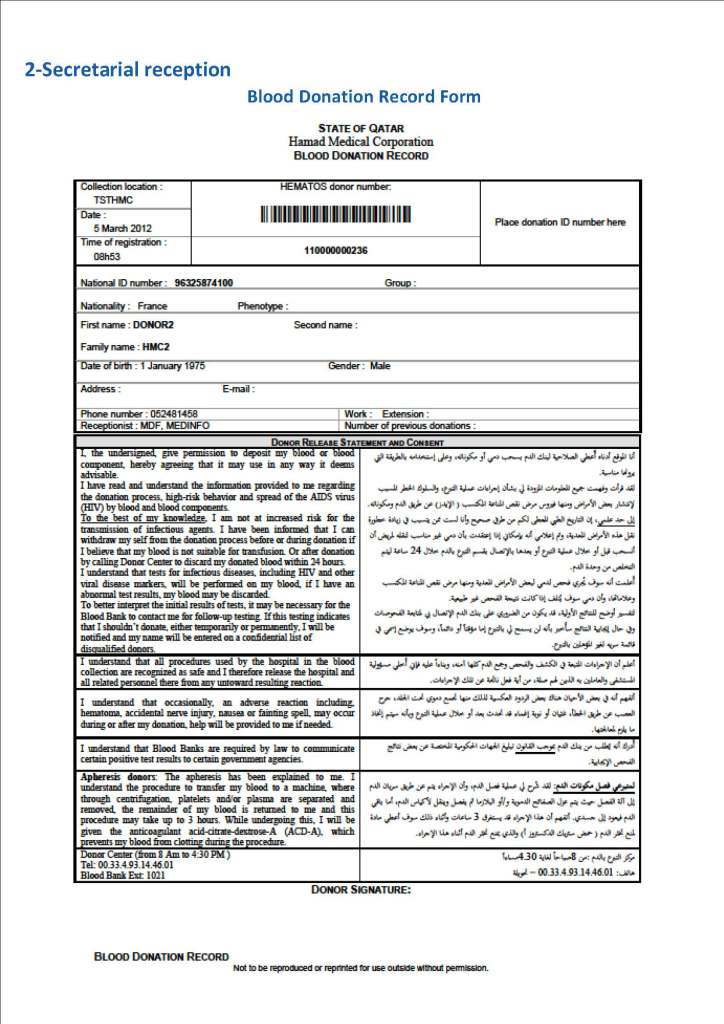
    3. Print a consent form and ISBT specimen labels for the donation.
  2. Pre-Collection Screening:
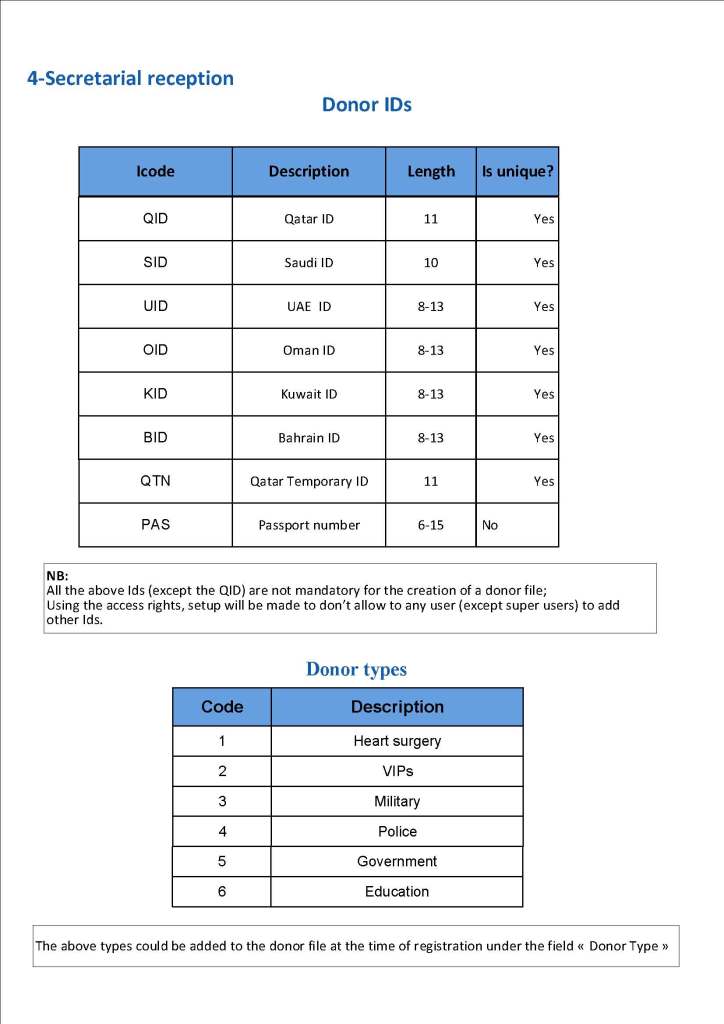
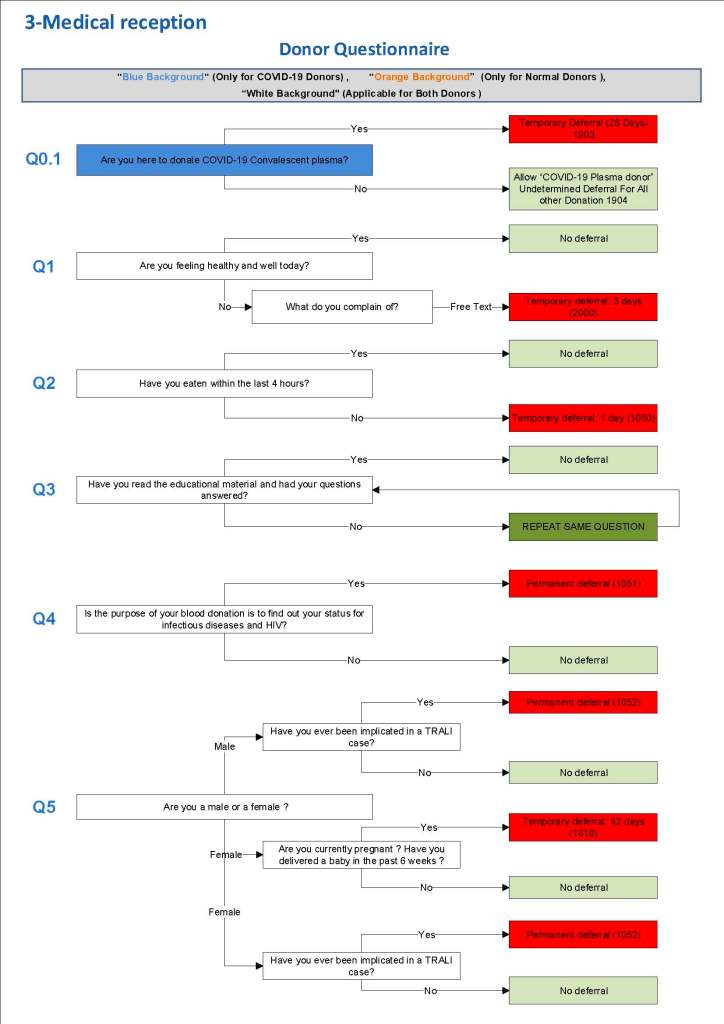
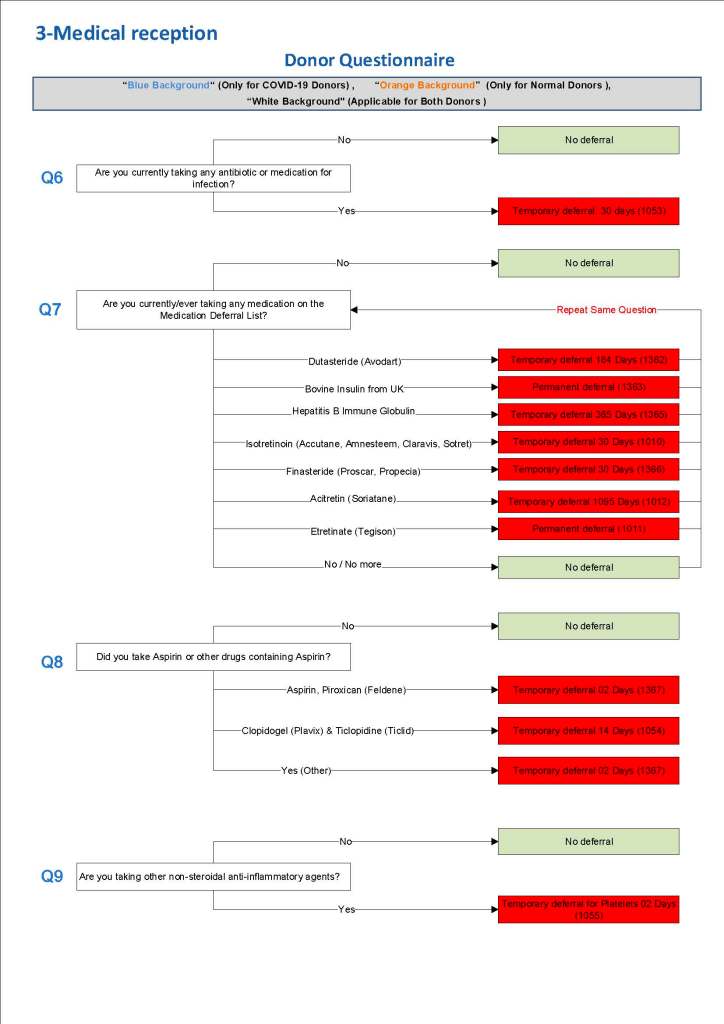
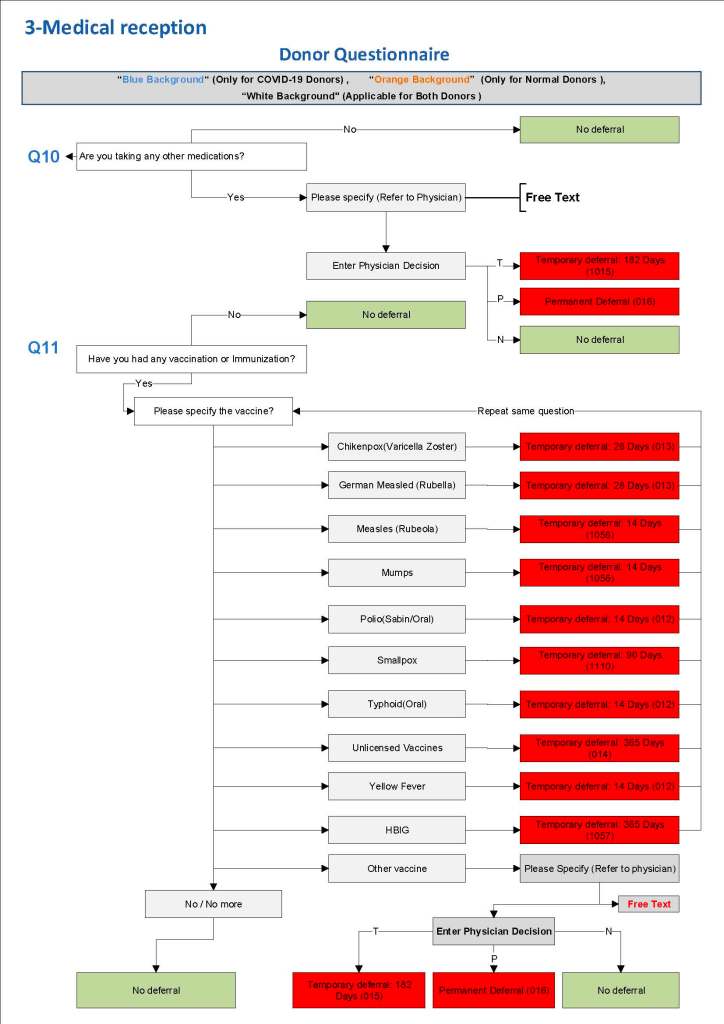
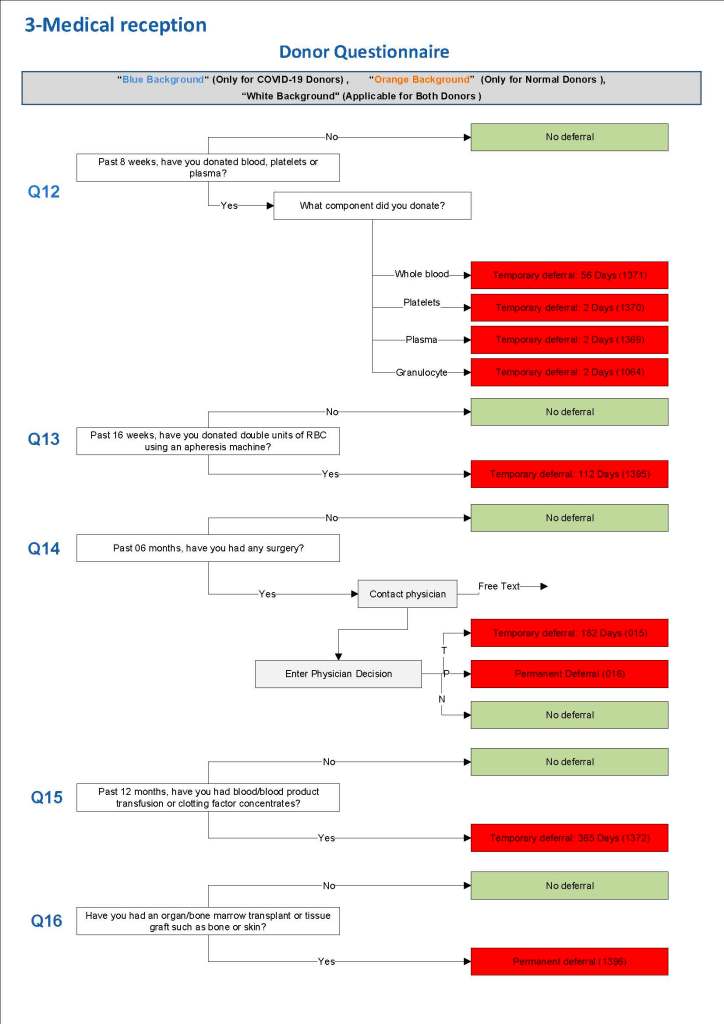
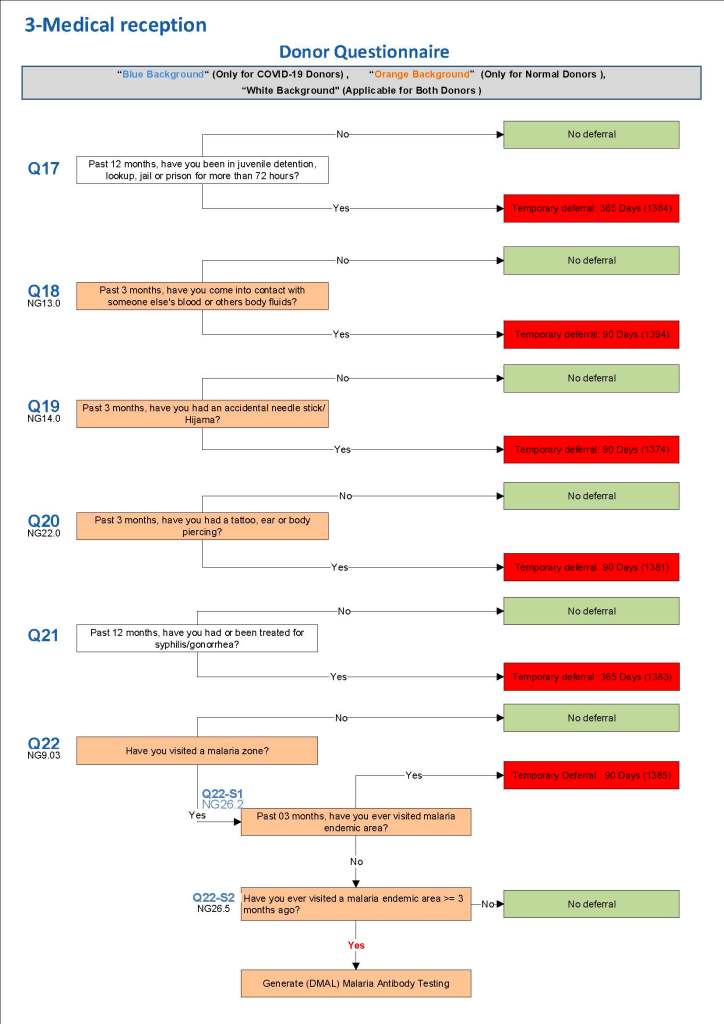
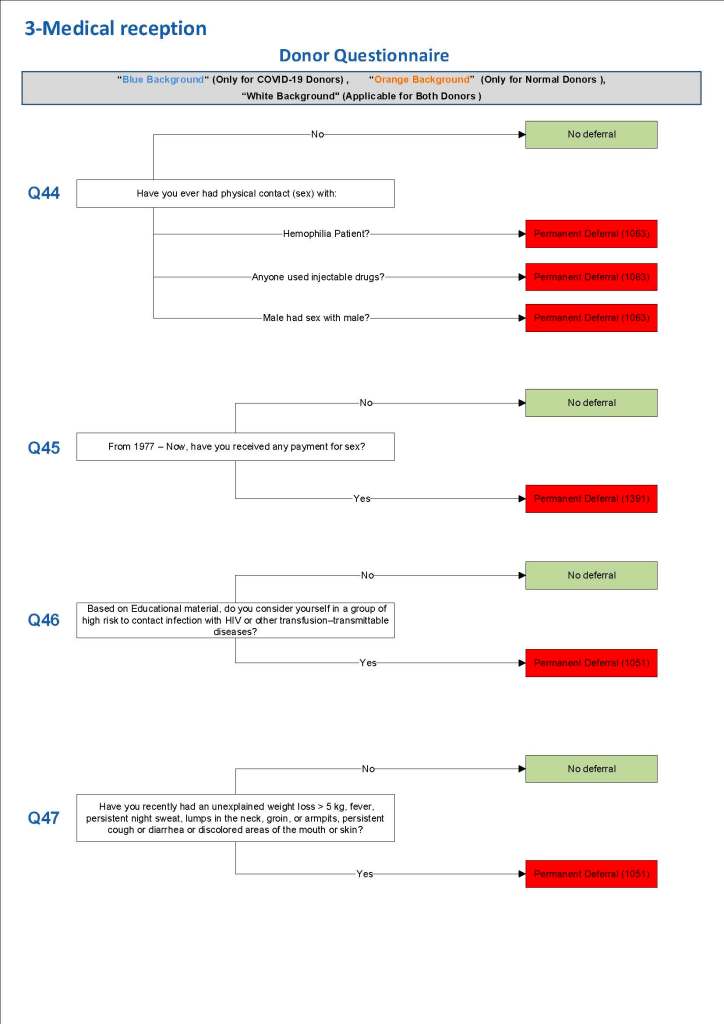
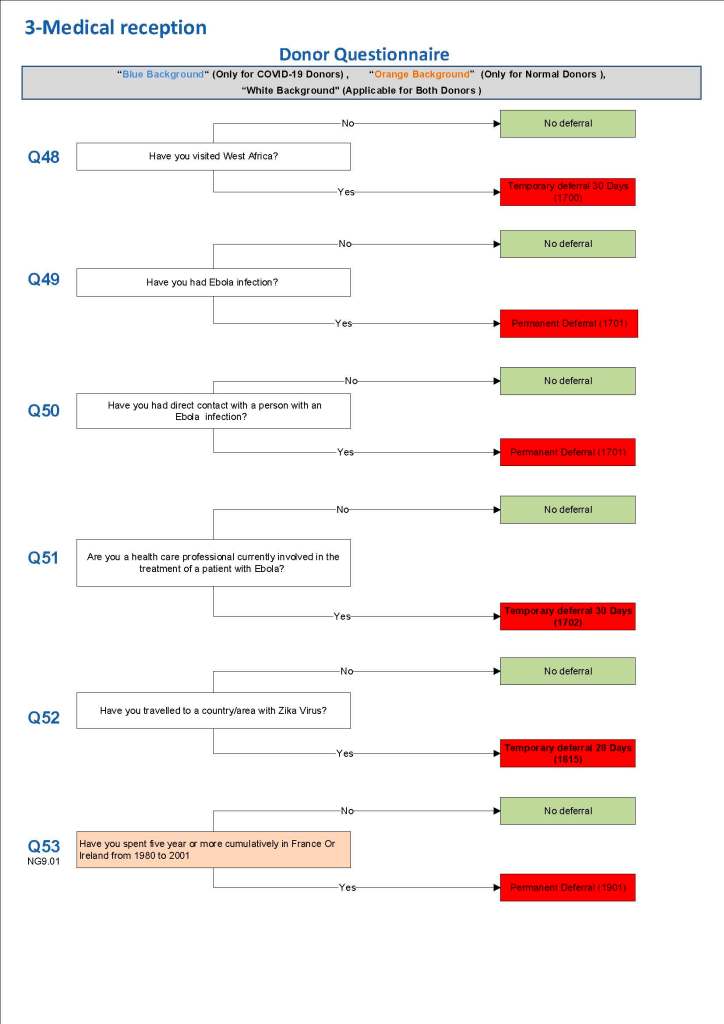
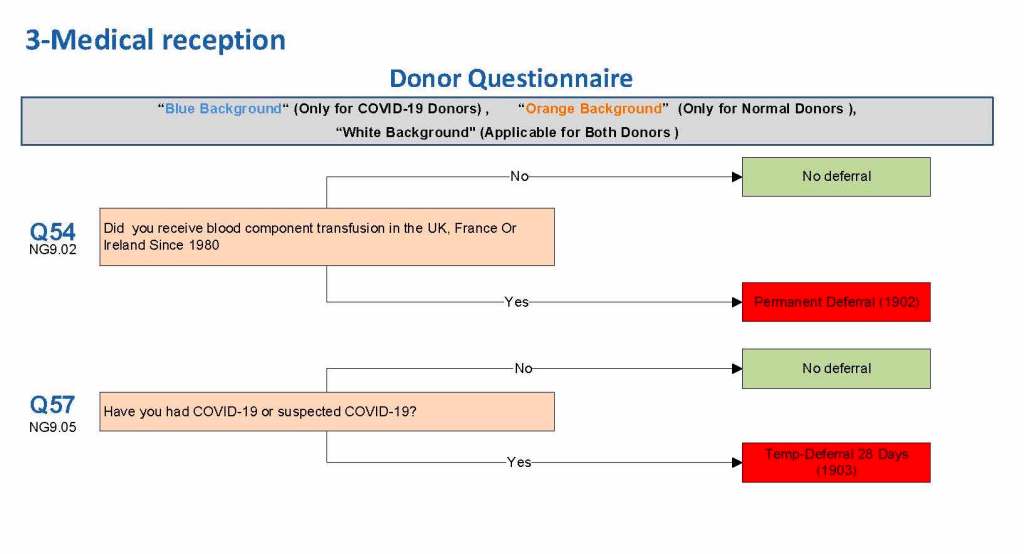
    1. Perform the donor questionnaire on-line in English or Arabic:  this has contingent fields and could exceed 60 questions depending on the answers provided.
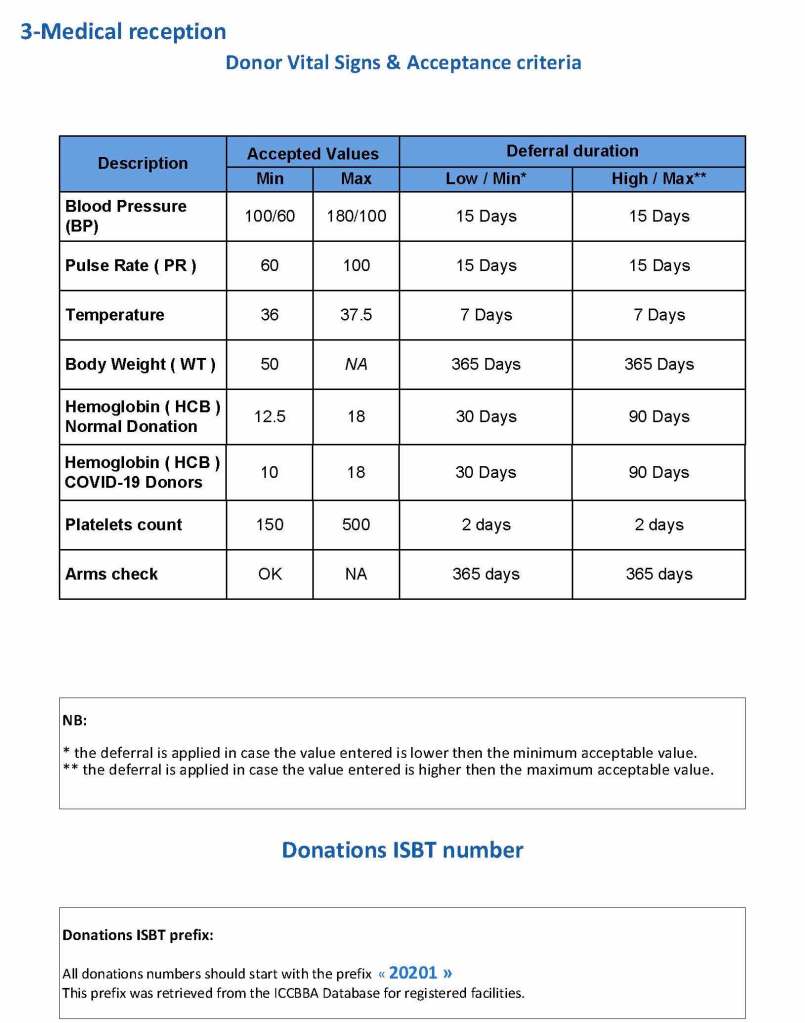
    2. Proceed to donor physical exam (vital signs and arm check).
  3. Collection:
    1. Collect the whole blood or apheresis component and specimen tubes:  determine if the collection meets the volume requirement and time limit.
    2. Send the specimens for donor marker and donor immunohematology testing.
    3. Send the raw components for processing.
  4. Donor Marker Testing:
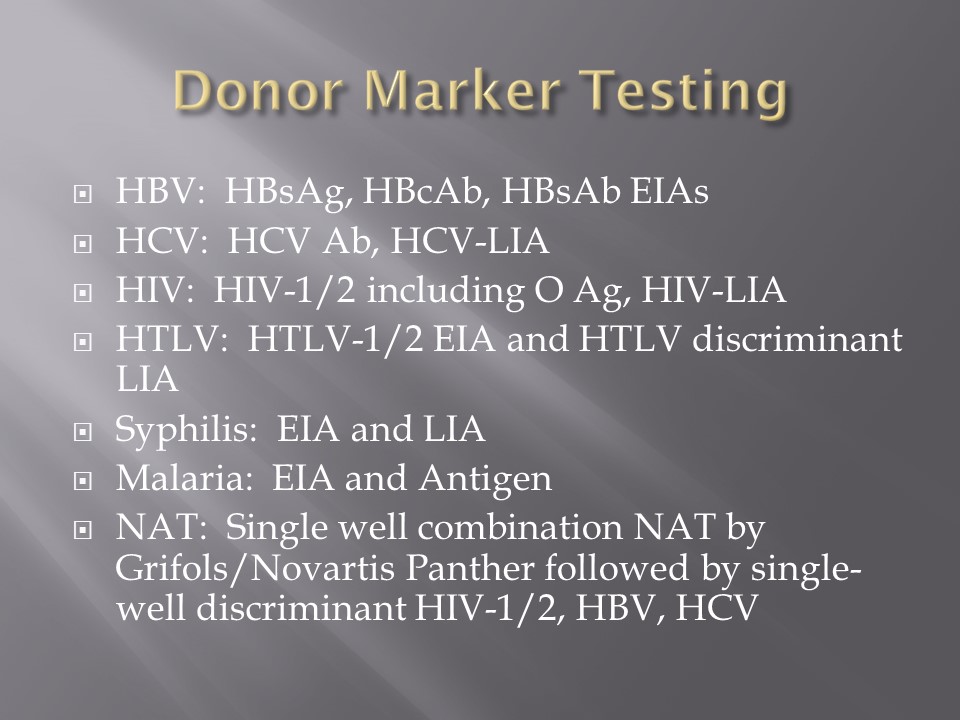
    1. Perform NAT, EIA, and LIA marker testing according to algorithms defined in Medinfo.
    2. Perform follow-up reflex marker testing according to Medinfo criteria.
  5. Component Processing:
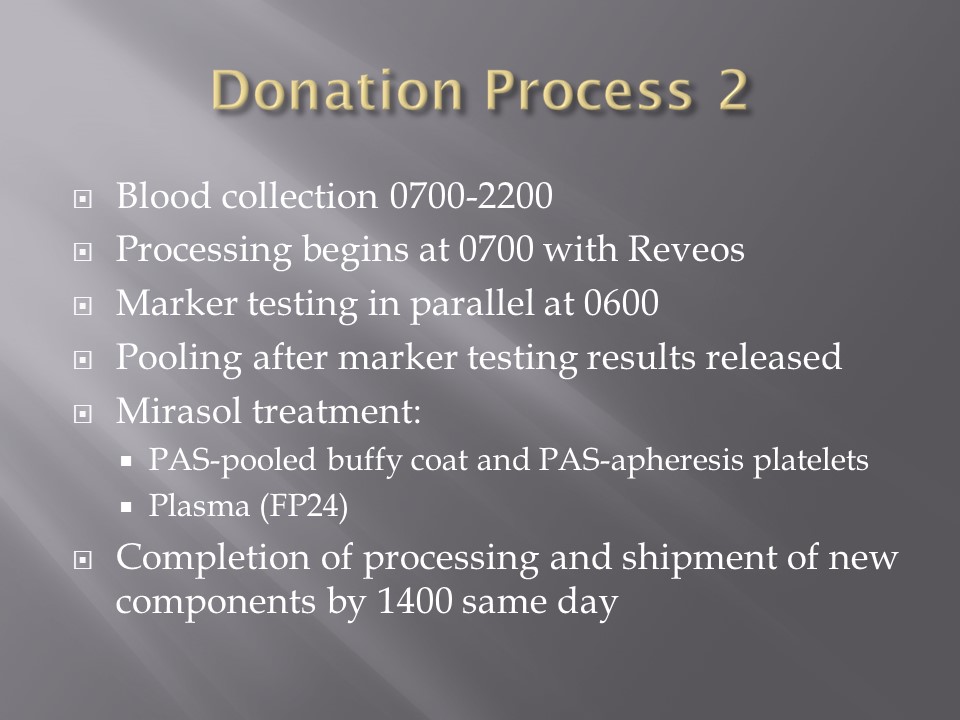
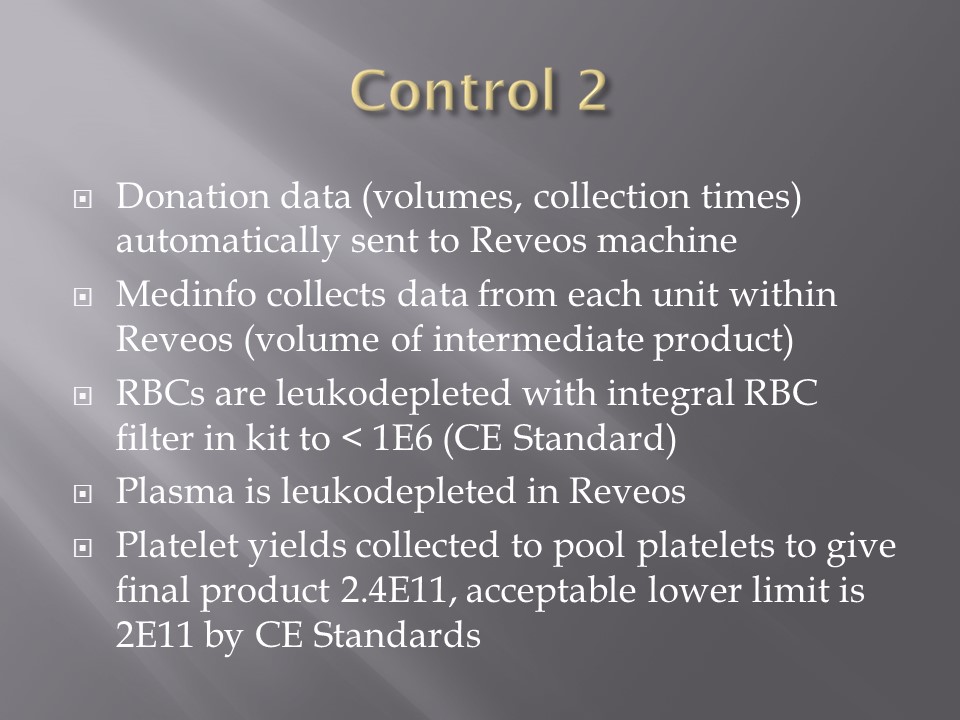
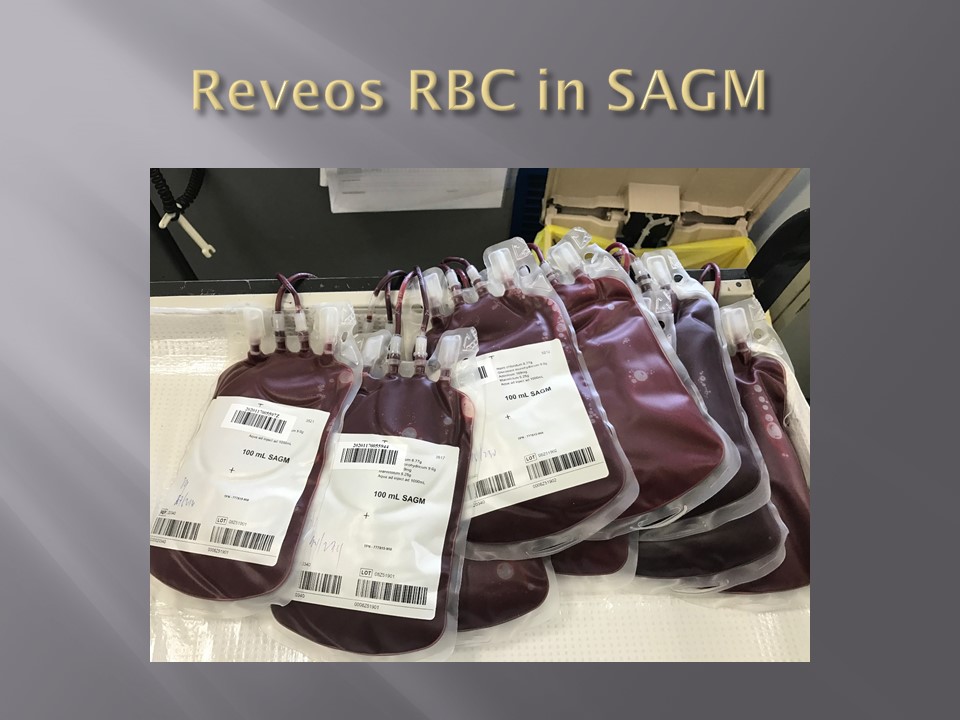
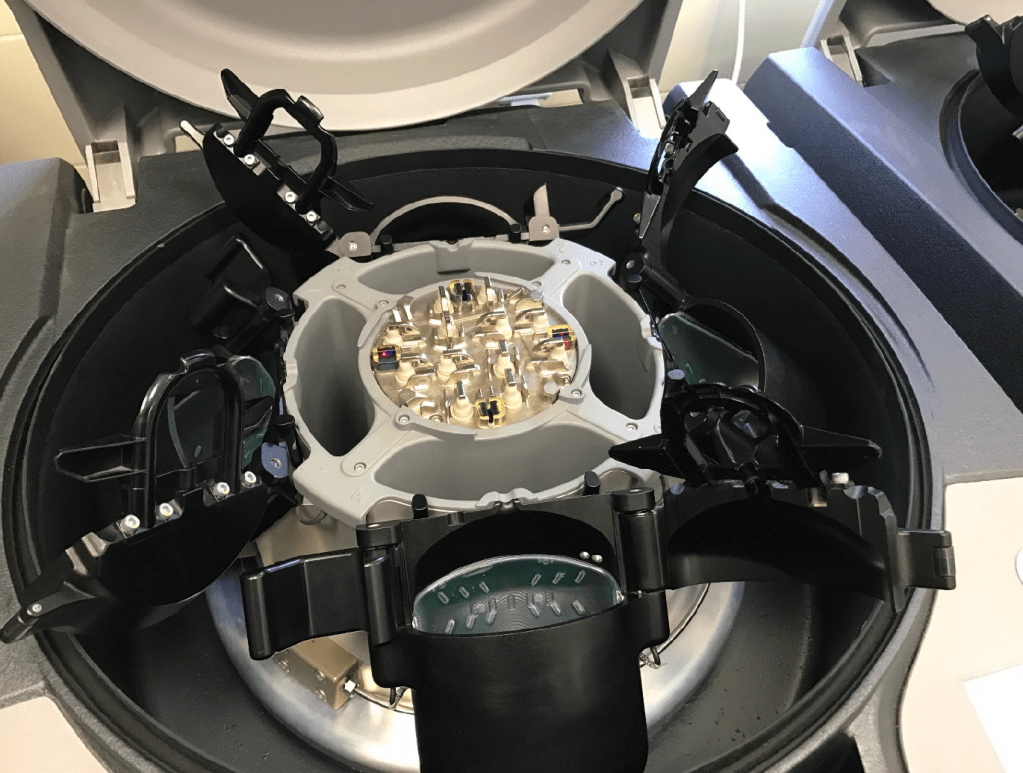
    1. Process the raw whole blood in the Reveos machine into PRBCs, leukodepleted plasma, and buffy coat platelets.
    2. Filter/leukodeplete the RBCs.
    3. If marker test results pass:
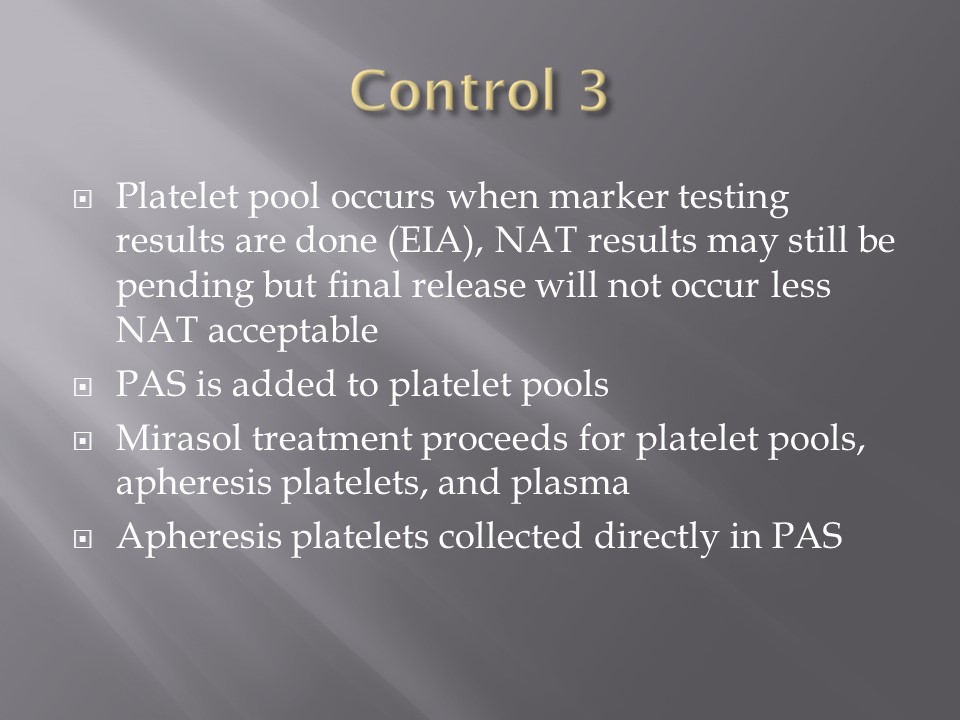
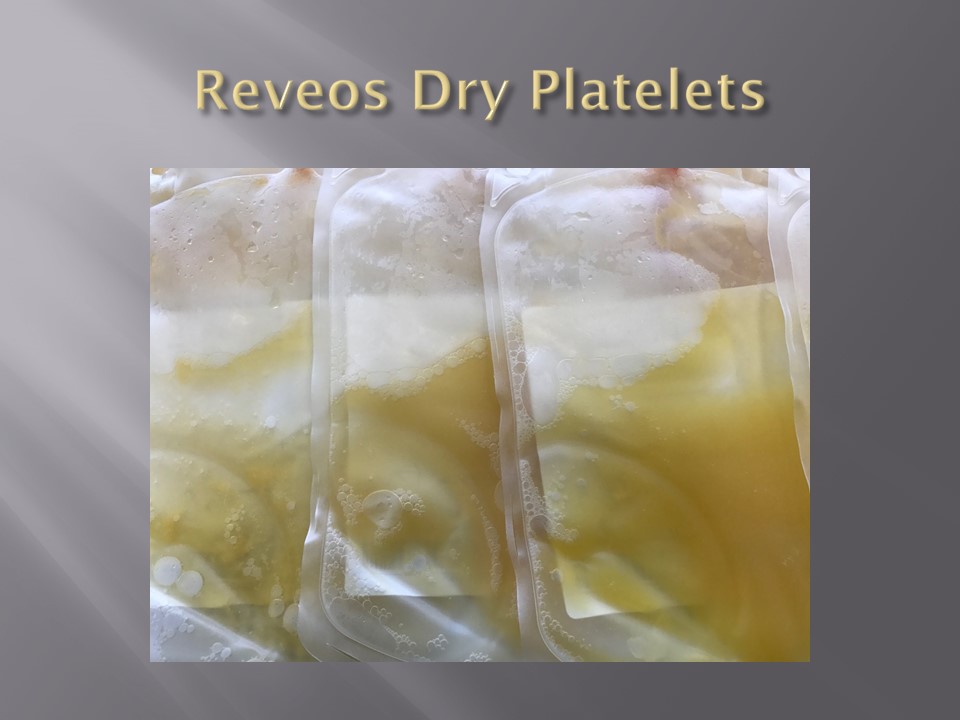
      1. Pool the buffy coat platelets according to the platelet yield index for a yield of 2.4E11/dose.
      2. Add platelet additive solution PAS and pathogen inactivate (Mirasol).
      3. Pathogen inactivate the whole-blood-derived plasma.
      4. Divide the apheresis plasma into 200-250 ml aliquots and pathogen inactivate.
    4. Divide the apheresis platelets to provide a yield of 2.4E11 in each dose, then pathogen-inactivate (PAS had been added at the time of the apheresis collection).
  6. Donor Immunohematology Testing:
    1. Perform ABO/D testing and antibody screen (identification if positive):
    2. If antibody screening positive, discard the component.
      1. If ABO discrepancy, send for manual review and approval, otherwise discard.
  7. Labelling, Storage, and Transfer:
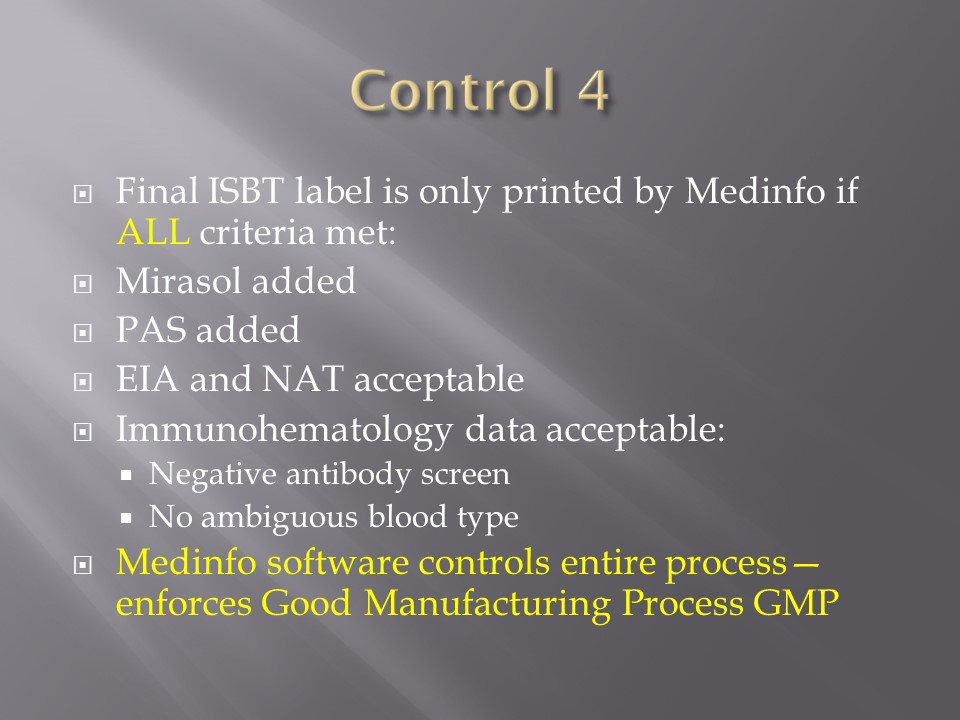
    1. If all criteria were met, attach the final ISBT label (this can only be printed based on the acceptance of each component).
    2. Place the components into storage (37C, 1-6C, or <= minus 18C).
    3. Distribute to the hospital blood banks using Inter-Depot Transfer function.

I emphasize that only if all criteria across all areas pass is the final ISBT label printed.  Medinfo is not a label printing program.  It enforces the rules ruthlessly.  My technical staff tell me that it is merciless—as it should be for patient safety.

Attachments:  None—please refer to earlier posts regarding collection, processing, donor testing, and inter-depot transfer.

28/6/20

Processes and Software Building 8: Reveos and Mirasol

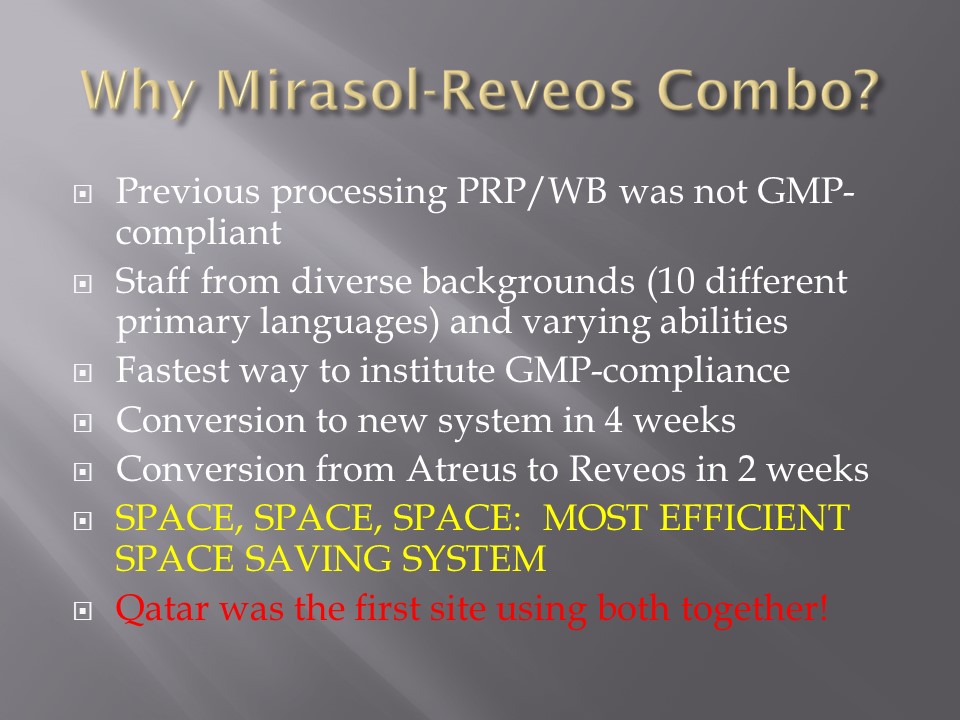
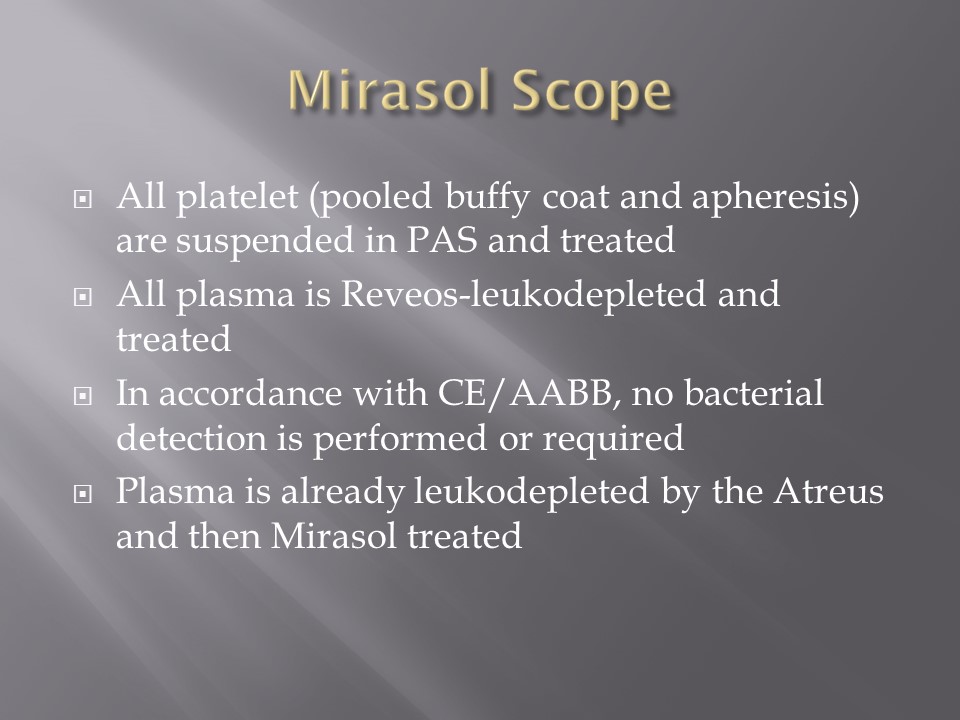
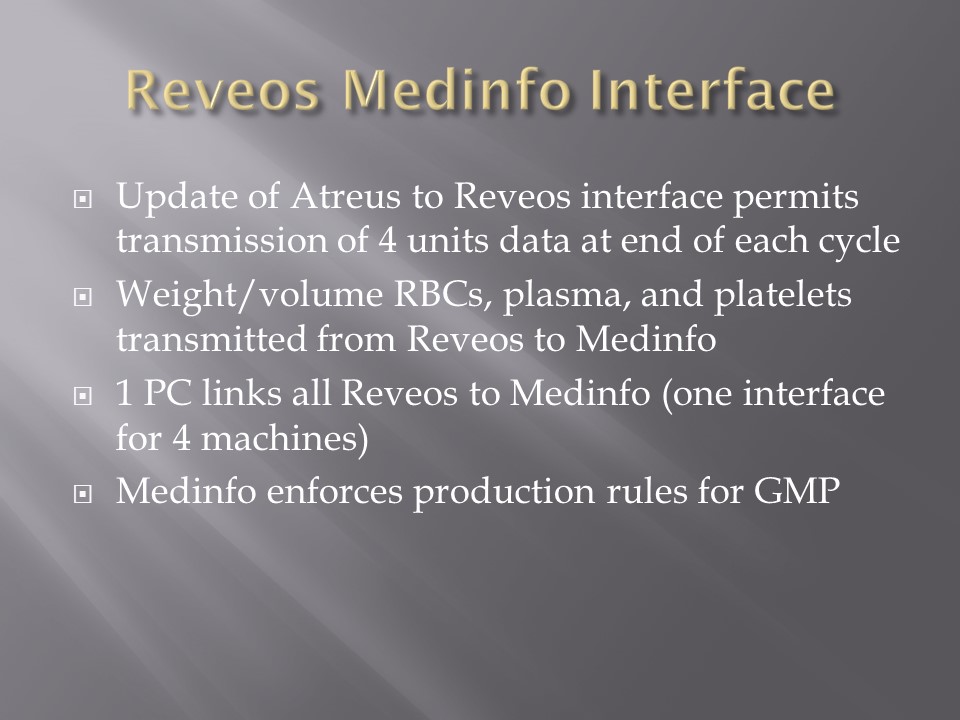
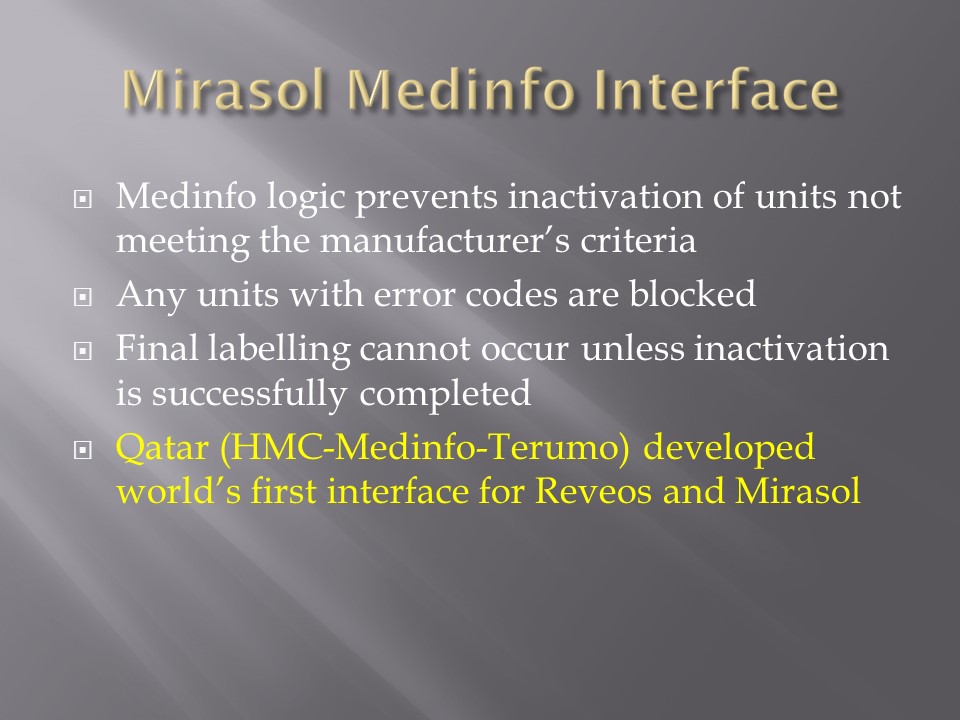
Automated Component Processing:  Reveos and Mirasol Pathogen-Inactivation

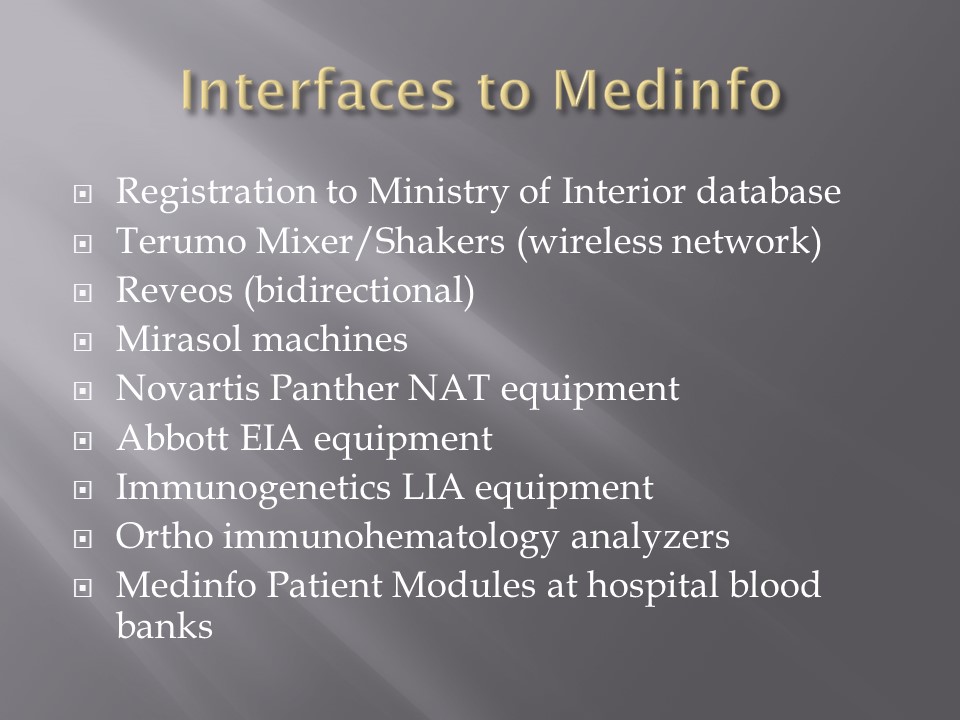
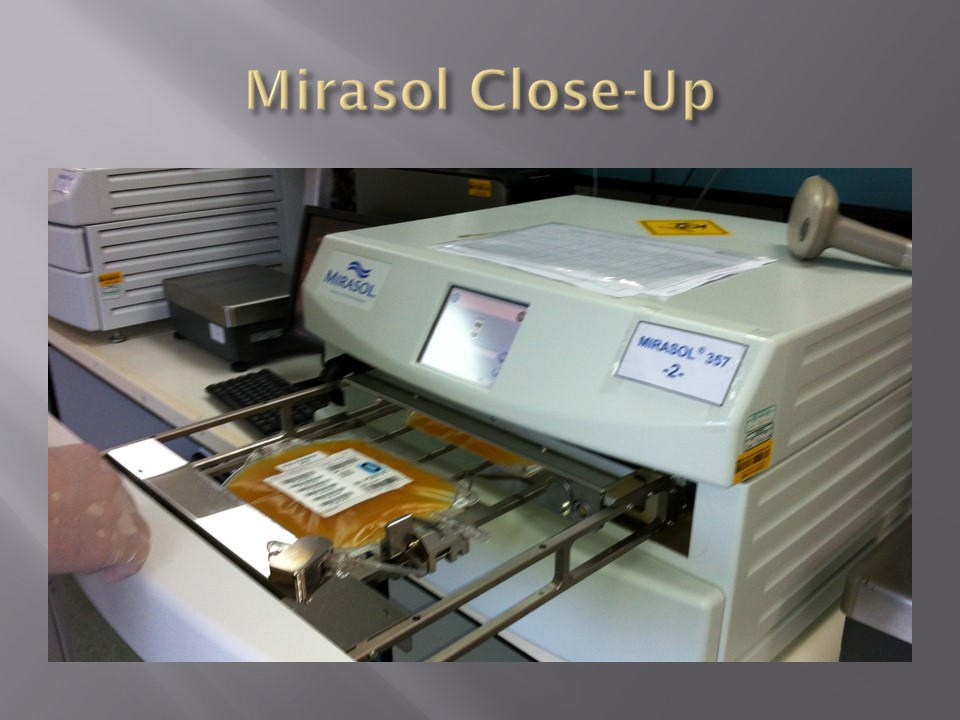
The production instruments have more complicated interfaces than the testing equipment discussed in the previous post:

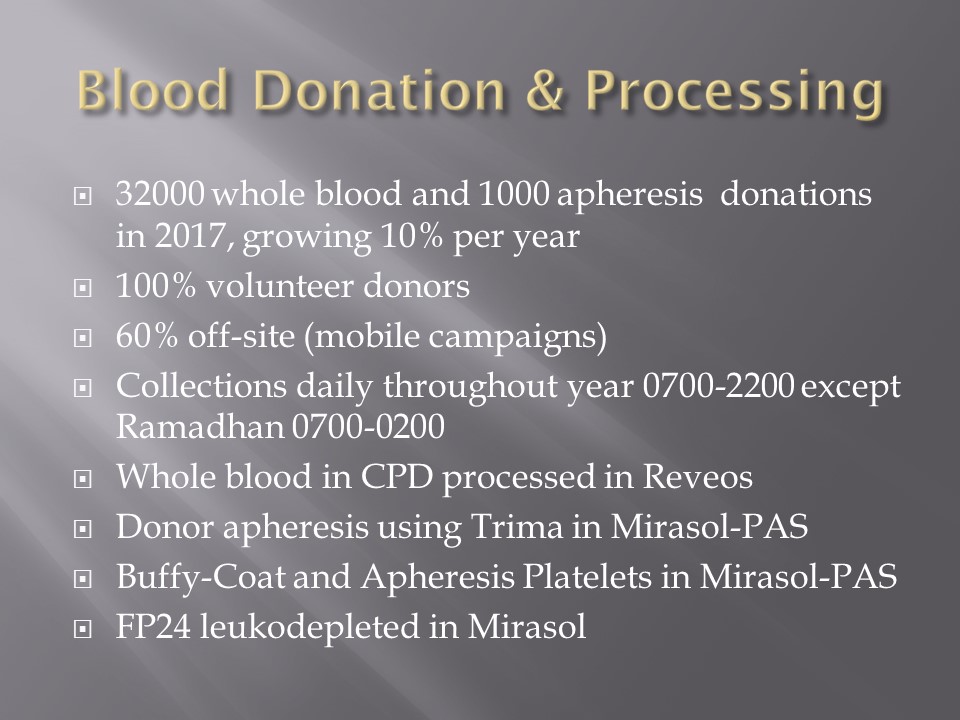
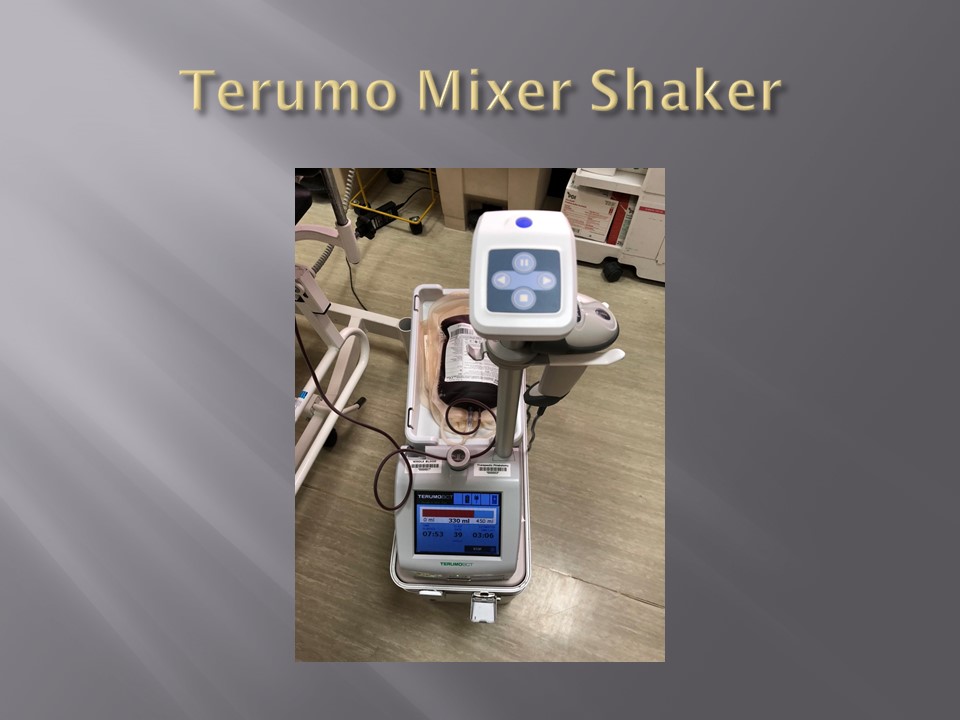
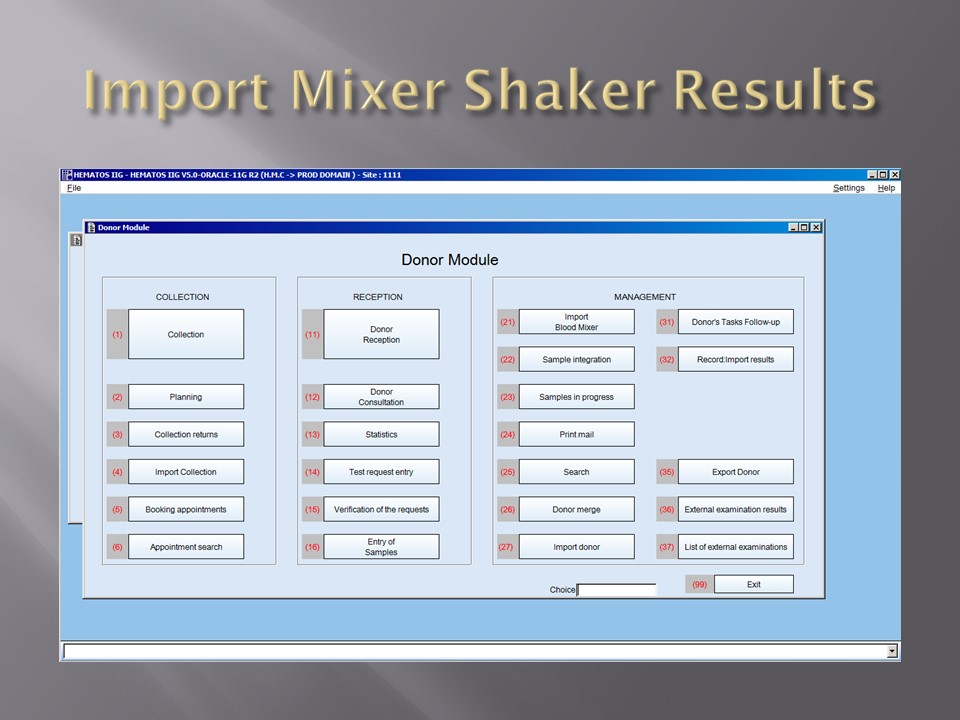
In the collection area (on-site or remote), the cvolume of the whole blood and collection time are recorded in Medinfo and based on the rules, production may only occur within specified volume and collection time.  Otherwise, Medinfo will block further processing.

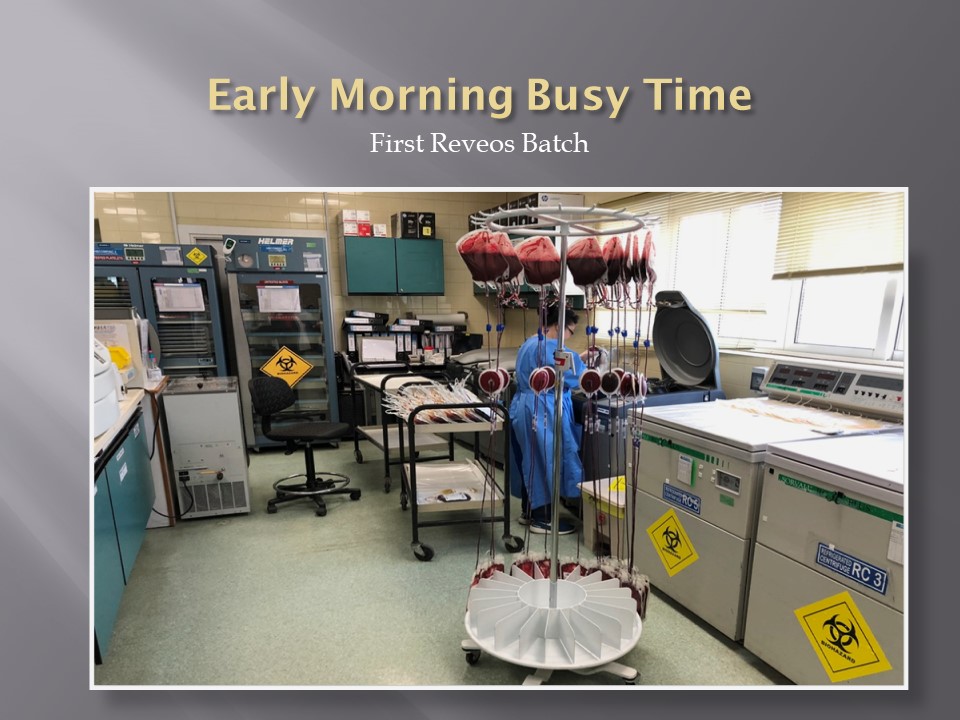
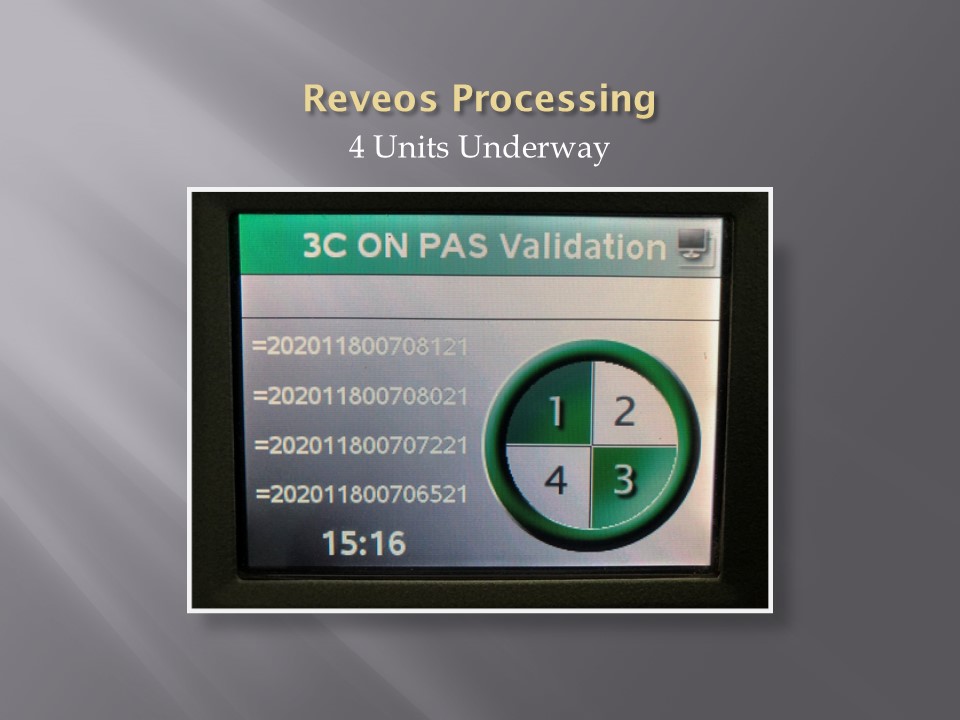
The ISBT unit number of the whole blood units are read by the Reveos.  Only those units passing the collection criteria will proceed to separation.

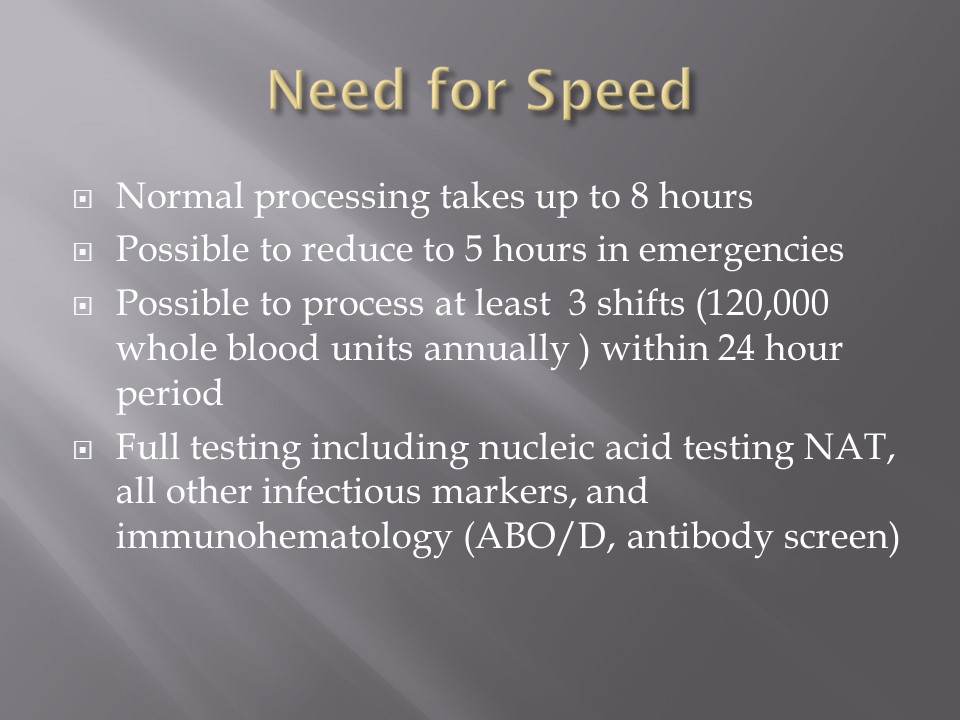
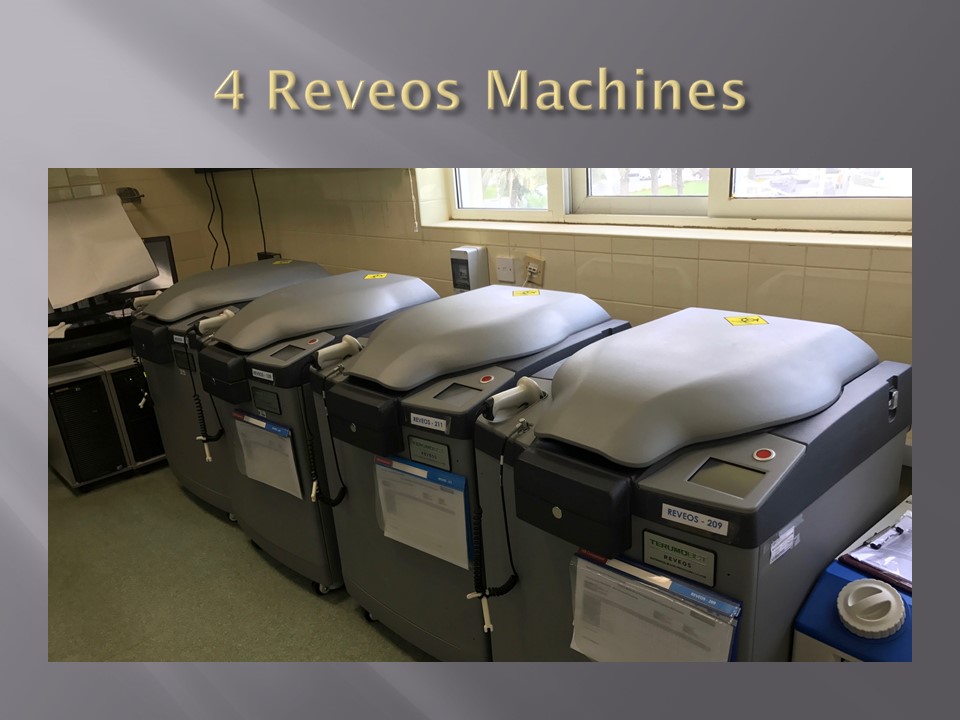
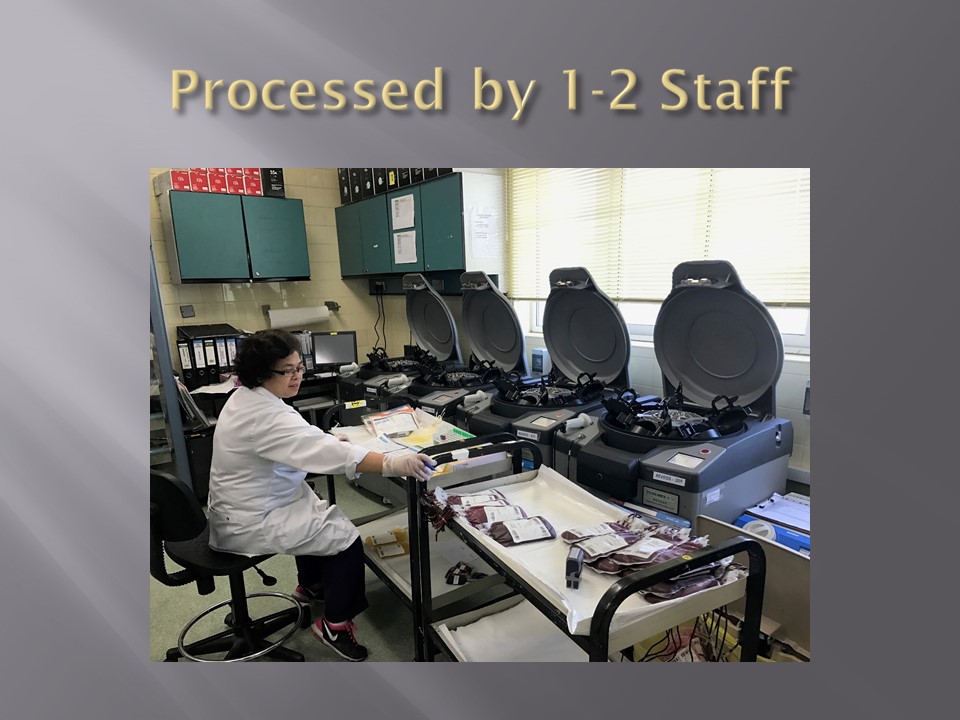
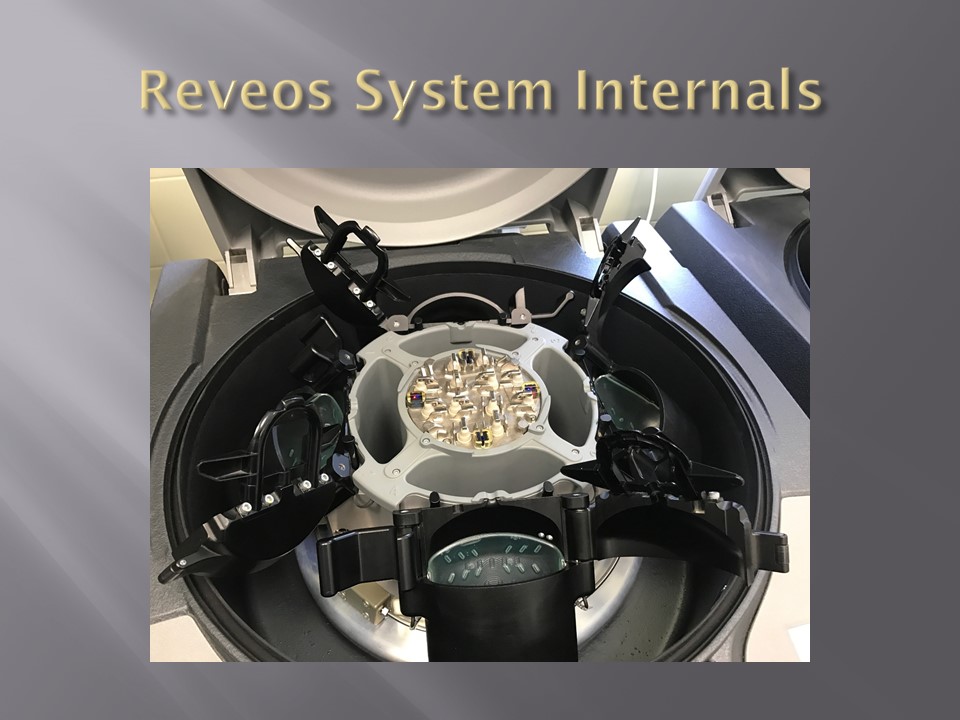
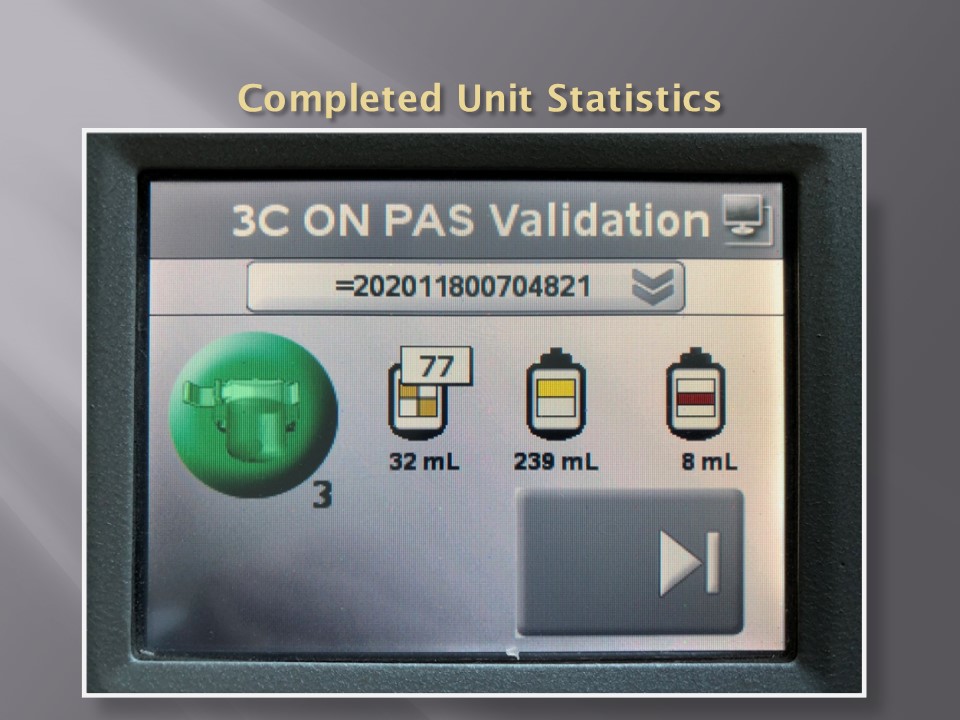
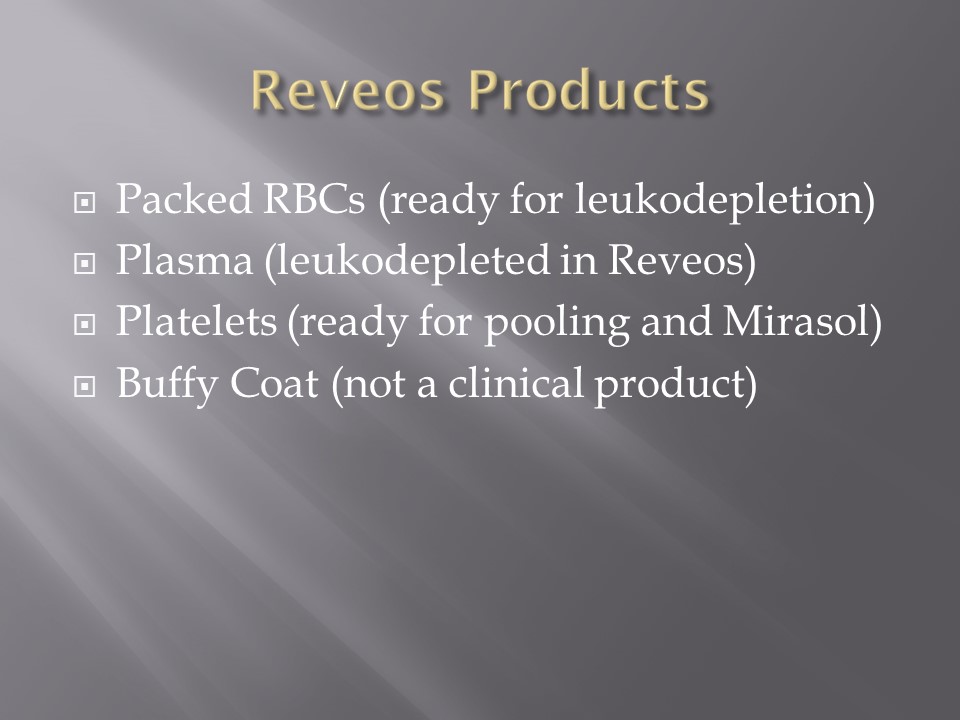
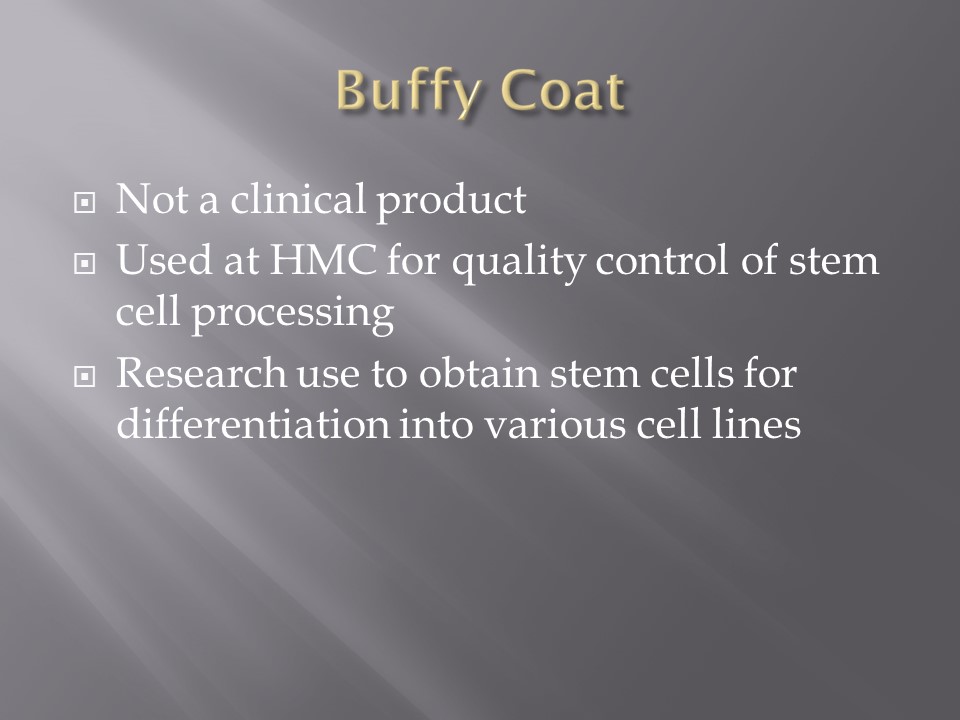
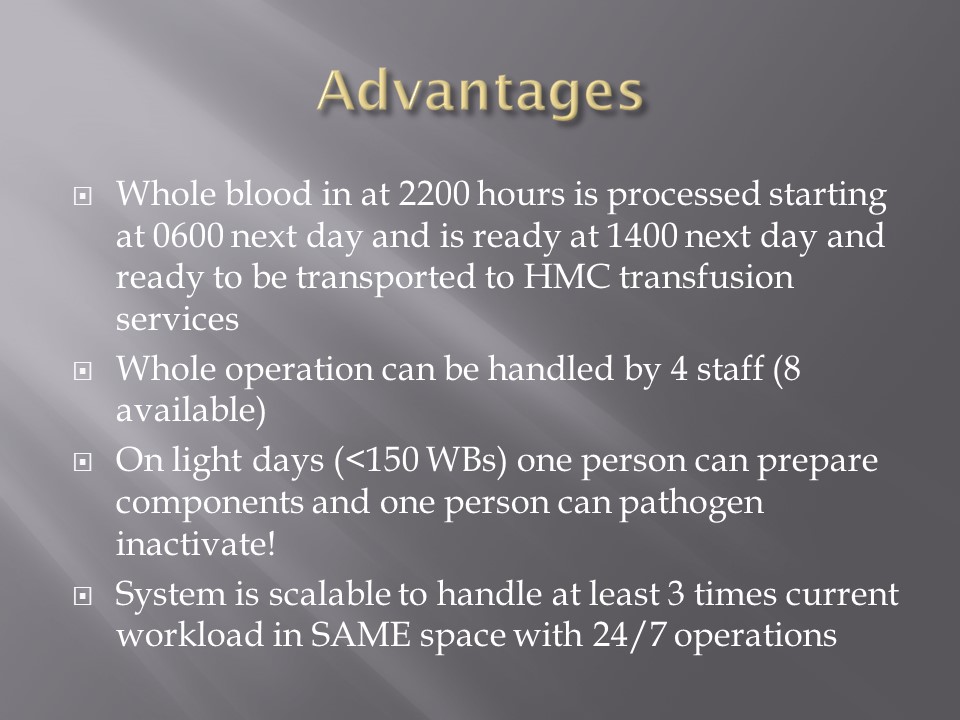
In about 20 minutes, the Reveos machine will simultaneously process four units of whole blood into packed RBCs, leukodepleted plasma, buffy coat platelets, and residual buffy coat.  The volumes of the RBCs, plasma, and platelets are recorded in Reveos.  For the platelets, the platelet yield index is also provided.

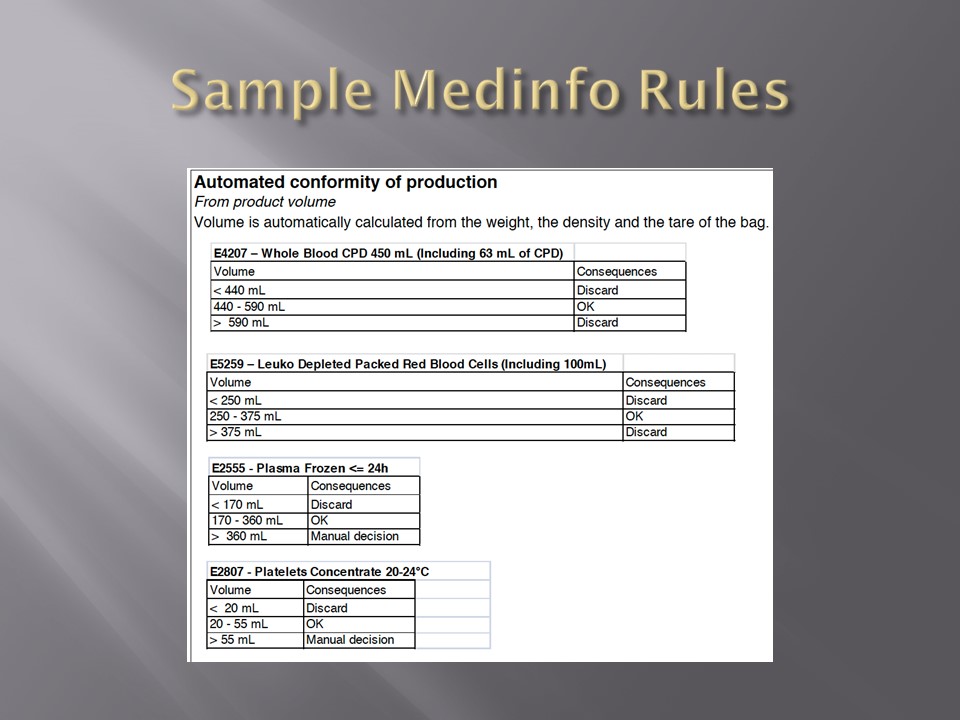
Within Medinfo, these parameters are compared to criteria of acceptability according to the manufacturer.  Volumes for the platelets and plasma must be within certain ranges to permit pooling and pathogen inactivation and additive solution.  Medinfo will not permit these subsequent procedures if the values are out of range and the intermediate components will be discarded.

Here is a sample of Reveos acceptable ranges for component volumes:

E4207 – Whole Blood CPD 450 mL

Volume Consequences

< 400 mL Discard

400 – 500 mL OK

> 500 mL Discard

E5259 – Leukodepleted Packed Red Blood Cells

Volume Consequences

< 230 mL Discard

230 – 330 mL OK

> 330 mL Discard

E2807 – Platelets Concentrate 20-24°C

Volume Consequences

< 20 mL Discard

20 – 55 mL OK
> 55 mL Manual decision

E2555 – FP24:  Plasma Frozen <= 24h

Volume Consequences

< 170 mL Discard

170 – 360 mL OK

> 360 mL Manual decision

All these production parameters are permanently stored in Medinfo as part of the production record of that unit.  The actual location (bucket) of the whole blood unit in the Reveos is also available.

RBCs are manually leukodepleted and the final volumes recorded in Medinfo based on weight.  Based on the platelet yield index, platelets are pooled and the final volume recorded.   Those permissible volumes are next treated with platelet additive solution PAS and then pathogen inactivated.  The acceptable volumes are based on the process used, e.g. platelets in plasma versus platelets in PAS.

How a sophisticated blood bank software like Medinfo enforces good manufacturing process at all stage of production will be a future topic.

To Be Continued:

26/6/20

Manual CCP Plasmapheresis Collection

Principle:

Due to the pandemic, we will initially MANUALLY collect an experimental, investigational-use-only plasma product from apheresis donors and treat it with Mirasol.  THIS IS A EMERGENCY INTERIM PROCESS UNTIL THE MEDINFO HEMATOS IIG PROCESSES ARE PREPARED AND VALIDATED.

Policy:

  1. Good Manufacturing Practice applies:
    1. Manufacturers’ recommended processes for equipment and materials usage applies.
    2. All staff engaged in these processes must be competency assessed successfully.
  2. Pre-Screening:
    1. Clinical staff will use the prescreening document to select donors for pre-donation screening.
  3. Quarantine:
    1. All processes (day 0, day 1, day 2, and product modification and release) will be done in quarantine areas SEPARATE and DISTINCT from regular Transfusion Medicine activities.  This includes:
      1. Separate space and equipment must be provided.
        1. Equipment for this project may NOT be used for regular, non-quarantine processes
    2. Non-Transfusion Medicine staff will not be permitted in operational areas.
    3. Prospective donors will not be permitted in the processing, testing, storage, or blood bank work areas.
  4. Donation Process:
    1. Day 0:  Registration, check donor deferral database, questionnaire, physical exam including arm check, and specimen collection using ISBT specimen labels
    2. Use latest manual donor questionnaire.
    3. Day 1:  Donor marker and immunohematology testing, review of results, accept or reject donor for actual plasmapheresis
    4. Day 2:  Collect manufacturer’s recommended volume of plasma (500 ml if < 80 kg, 600 ml if >= 80 kg), aliquot, pathogen-inactivate (Mirasol), freeze at minus 80C
  5. Testing:
    1. Testing will be performed with regular blood donor specimens using ISBT specimen labels
    2. Testing must be done by donor-specific processes (not those for clinical patients)
    3. Testing must be directly interfaced to Medinfo Hematos IIG donor module
  6. Processing:
    1. Aliquoting, pathogen-inactivation, and labelling may proceed if the pre-donation screening results are acceptable.
  7. Storage:
    1. Long-term in minus 80C quarantine freezer
    2. Short-term at 1-6 C just after thawing in quarantine refrigerator
    3. Standard temperature monitoring and alarms apply
  8. Labelling:
    1. The backup manual labelling process applies
    2. The ISBT specimen label will the donor unit number
      1. Outdate will be 6 years if the product is stored at -65C, 1 year if stored at -18C
  9. Product Release:
    1. Orders must be on the PAPER requisition (old Blood Bank Order Form) with a patient prescription:
      1. No orders in Cerner
    2. Thawing plasma at 37C upon receipt of order by Transfusion Medicine staff
    3. Signing out component to clinical unit by Transfusion Medicine Staff
  10. Information Technology:  Medinfo Hematos IIG customized software to be implemented as soon as possible for all processes
  11. Not covered:  Transfusion Medicine is NOT responsible for:
    1. Triage of request for convalescent plasma
    2. Pickup and transport of components

8/4/20

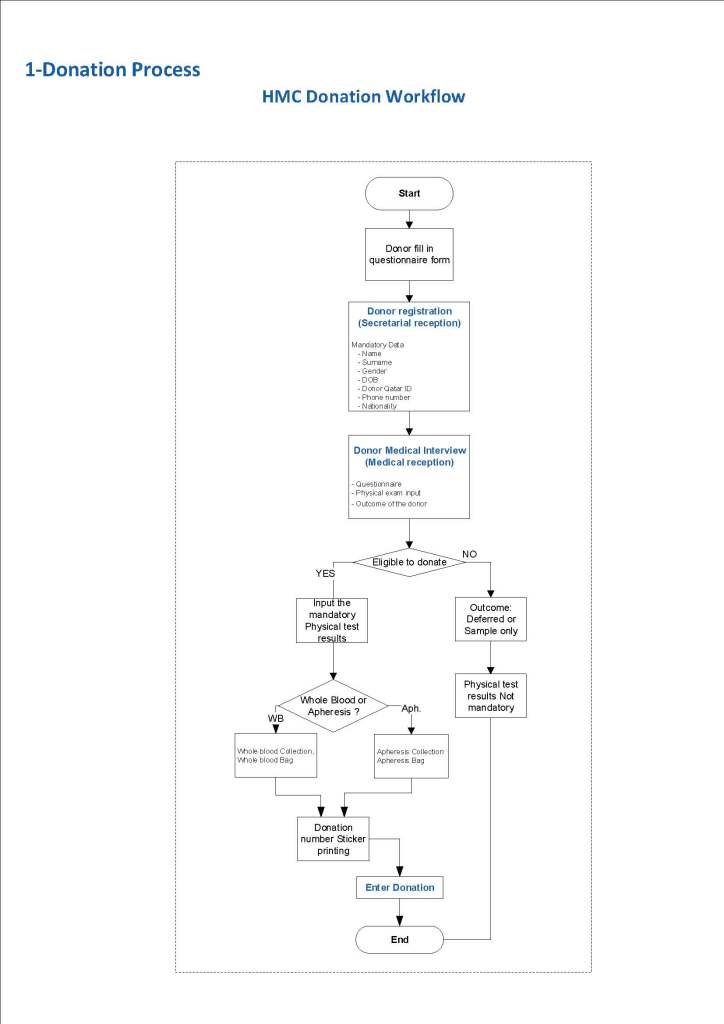
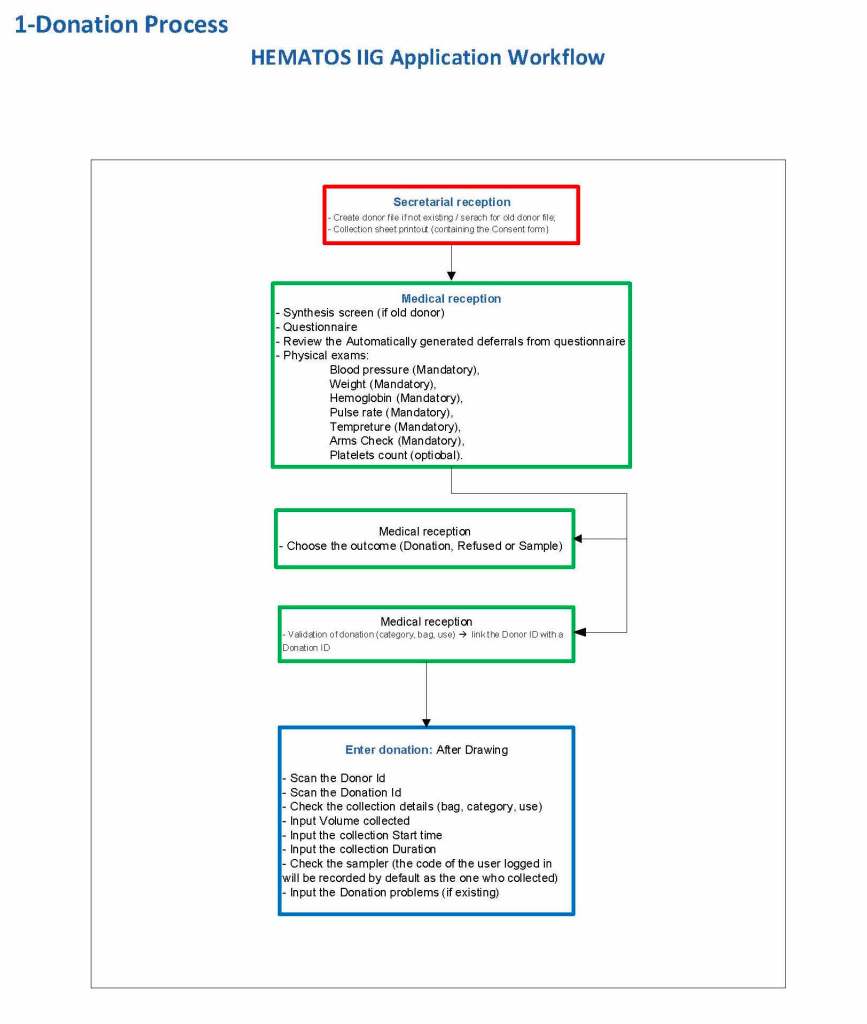
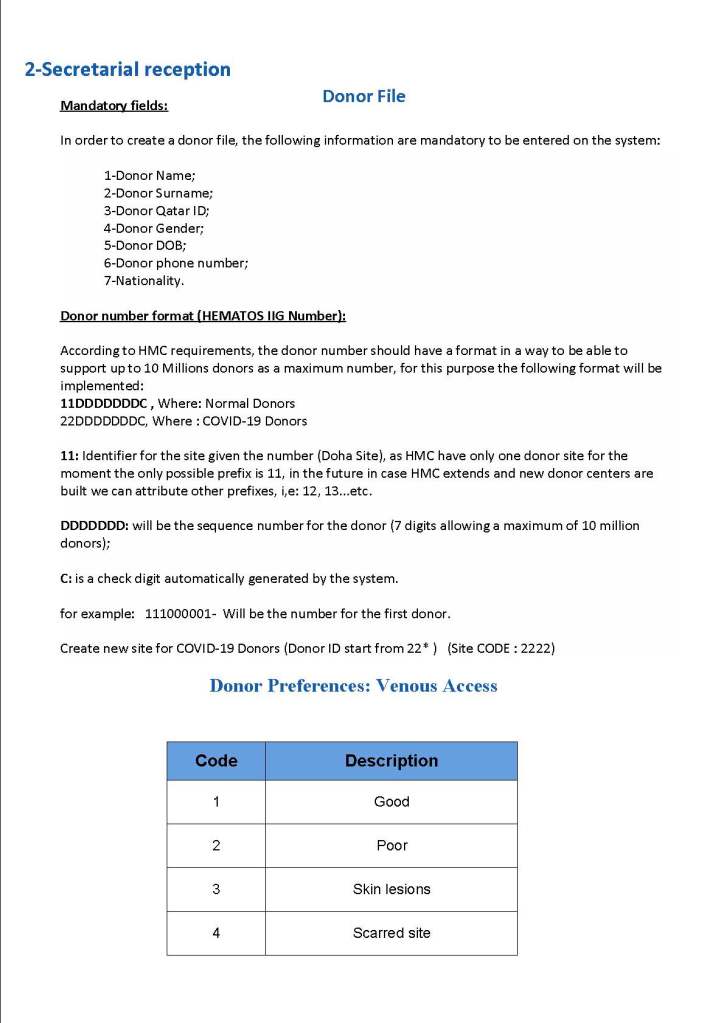
Blood Donation Process Overview

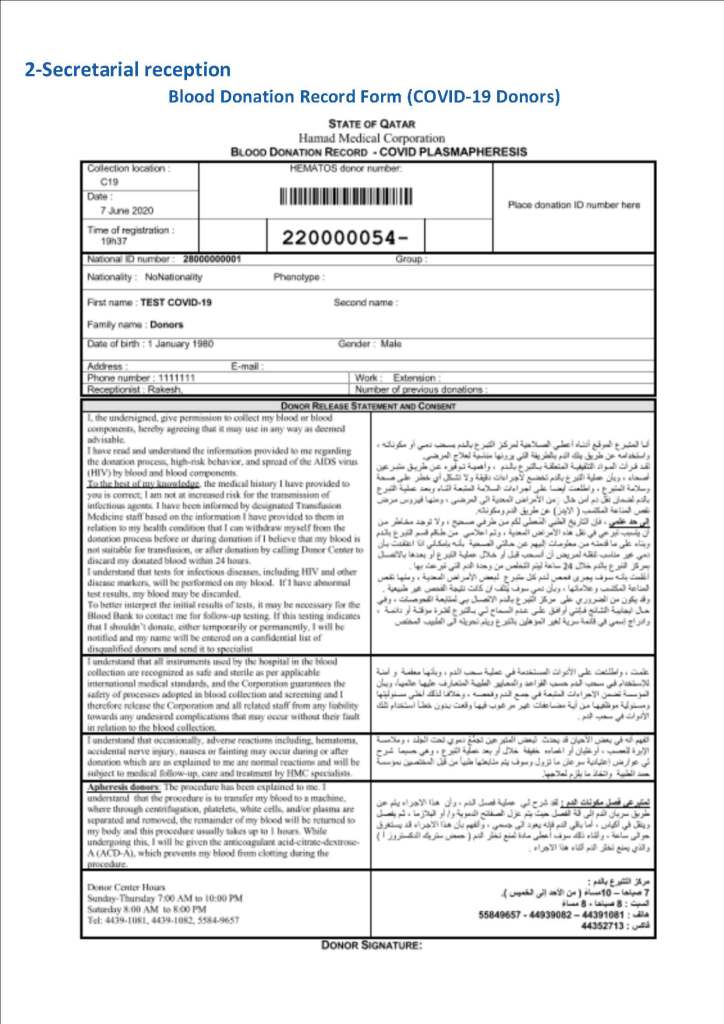
This is a sample Medinfo overview document for the blood collection process for HMC Doha that I designed in conjunction with Medinfo France and Medinfo Doha. This includes, registration, donor consent, questionnaire, physical examination, and collection.

COVID-19 Convalescent Plasma Project, Winter 2020

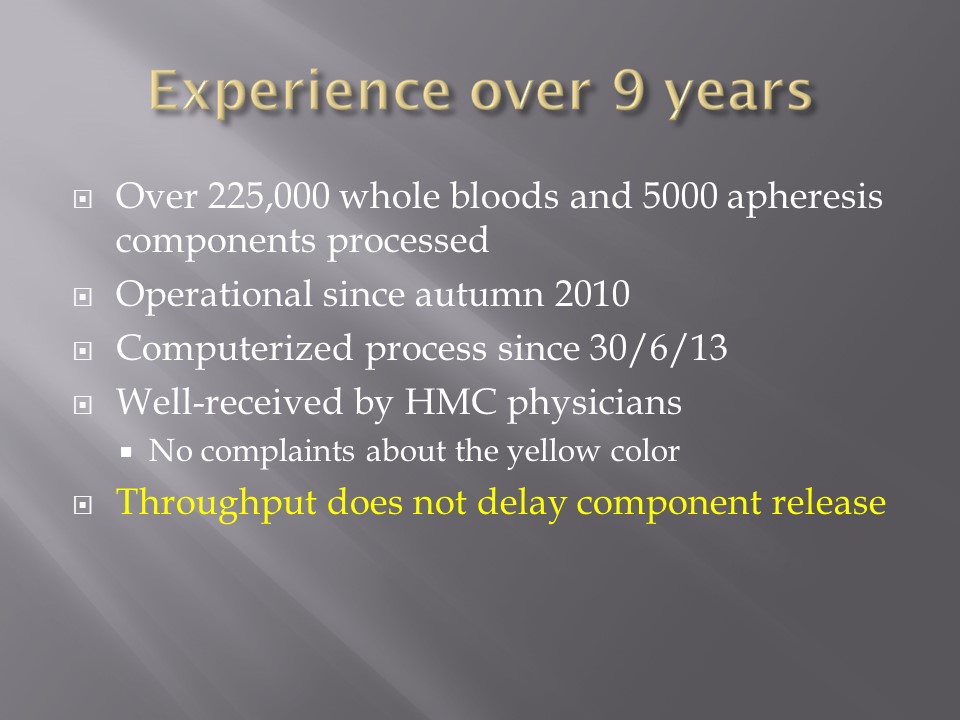
While I was still associated with HMC Doha, I developed and set up an expedited setup for COVID-19 convalescent plasma production, initially manual and then fully integrated into the Medinfo blood bank computer system.

Specifically, I built a customized version of our Medinfo blood bank system to replace the manual system and increase safety the safety and production throughput while maintaining good manufacturing practices GMP. The full system (manual first, then computerized) was implemented within two weeks including a completely separate quarantine convalescent COVID donor screening, collections, processing, and release.

Subsequent posts will detail my processes.