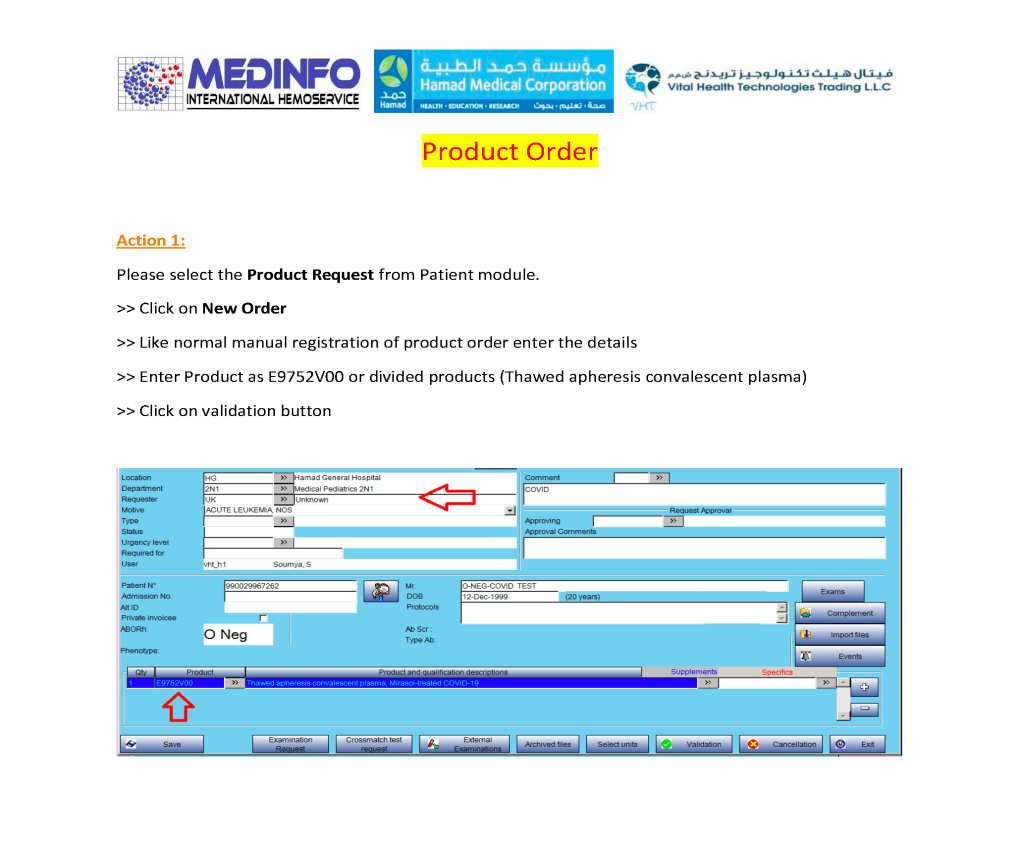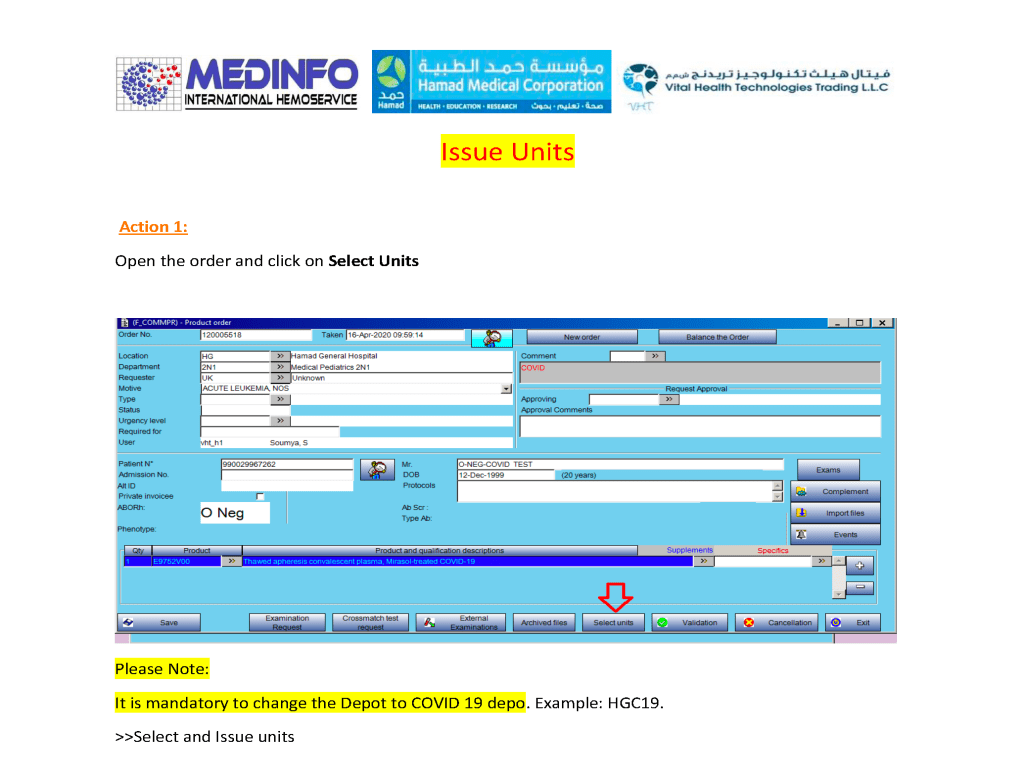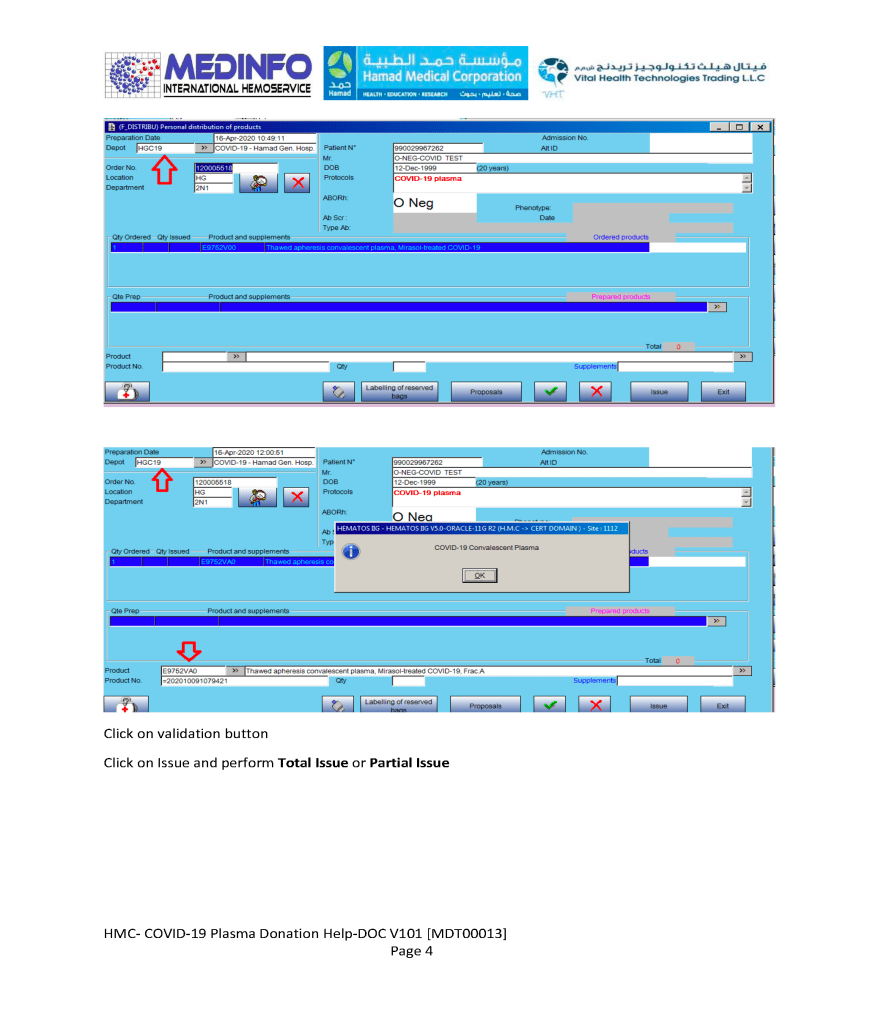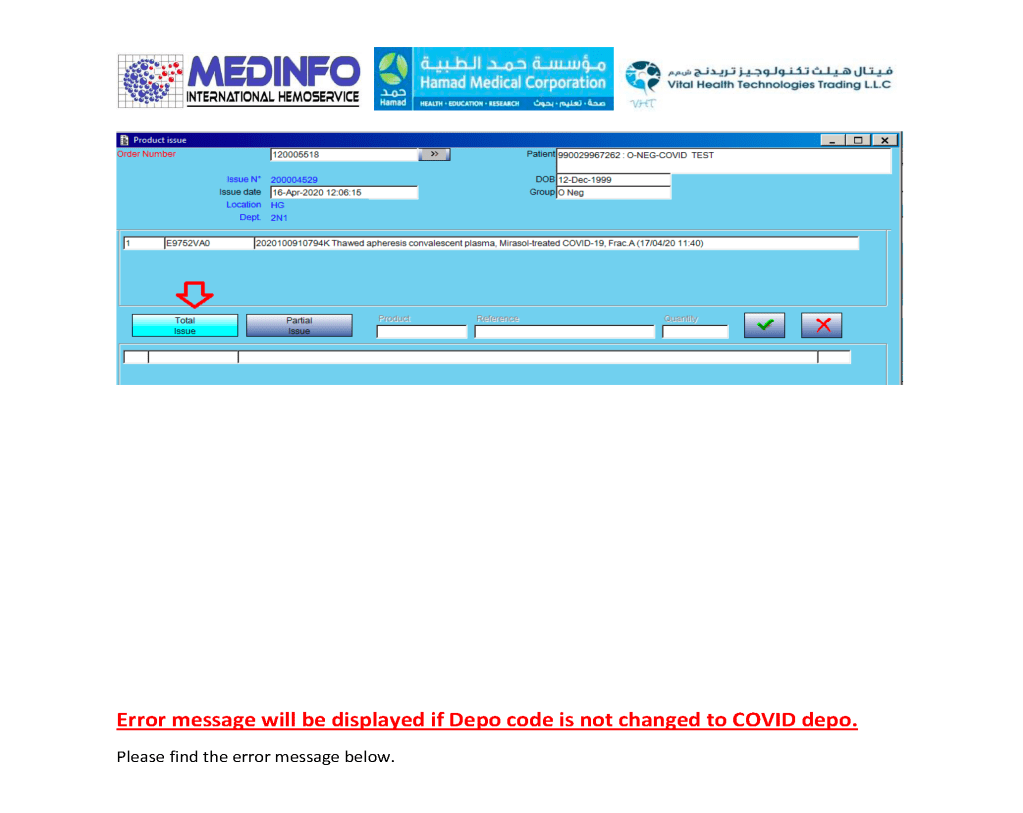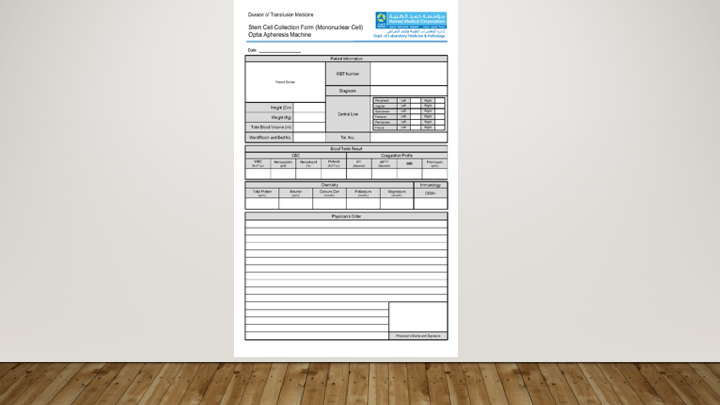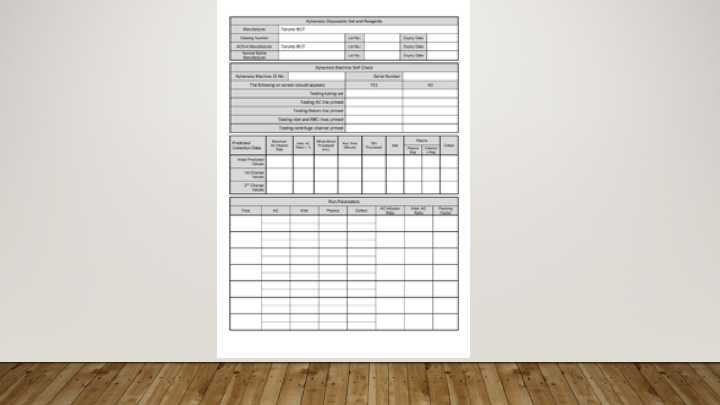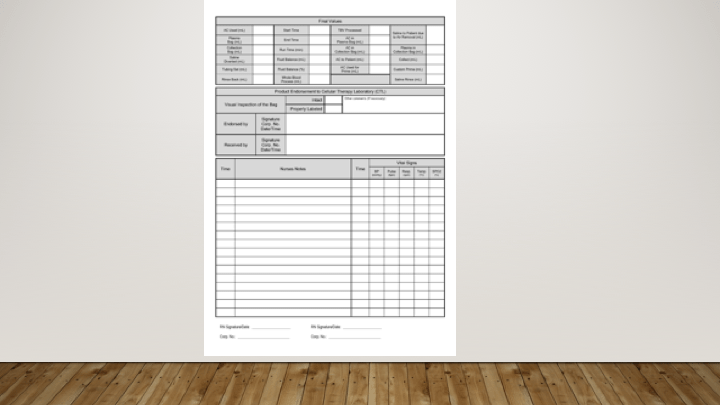
RBC Exchange Form

This was the RBC Exchange Form developed by my Head Apheresis Nurse Ms. Mini Paul and Dr. Saloua Al Hmissi at my previous position. It is easy to find all the important information and enter the parameters during the actual procedure: it does NOT require the apheresis nurse to flip back and forth and allows her/him to concentrate on the patient.

27/10/20

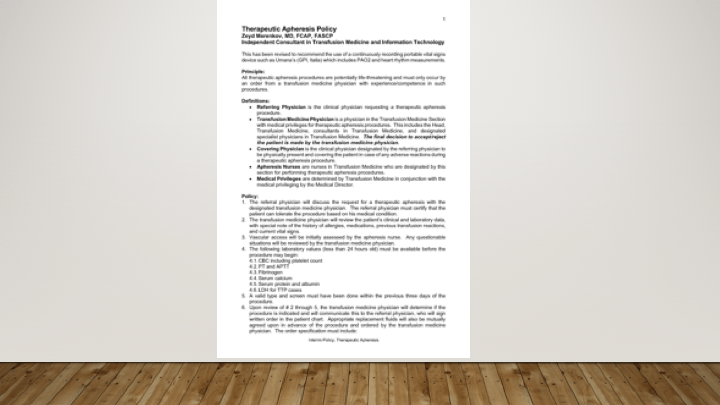
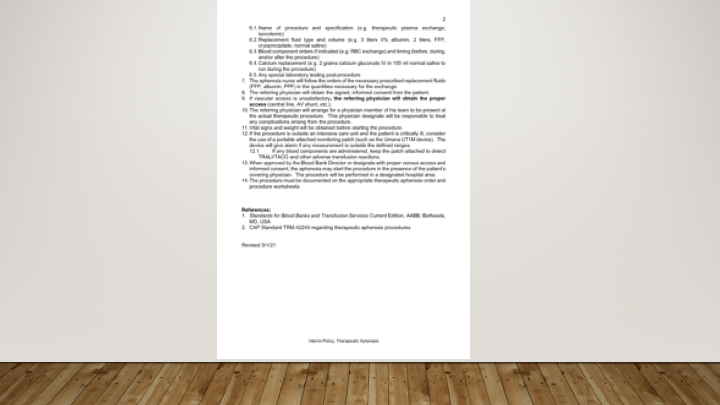
Therapeutic Plasma Exchange Apheresis Form

The apheresis nurses provide critical support to critically ill patients by performing various therapeutic procedures, especially plasma exchange. Not only does the nurse have to administer therapy, but he/she must constantly monitor the patient and the parameters of the procedure, including the blood components and IV solutions, medications, and any intra-procedure tests.

It is important that this data is collected in a visually appealing way to maximize pattern recognition and is easy for the nurse to enter the data. He/She does not have the time to flip through several pages to record everything.

The following is example of the TPE form we used at my previous position. I want to thank Dr. Saloua Al Hmissi, Consultant Transfusion Medicine, Ms. Mini Paul, Head Apheresis Nurse, and other apheresis staff for designing this beautiful form.

In my opinion, having a good manual form is the first step to computerizing the process since the design effort ensures the staff know the process thoroughly.

Opinion: Continue Manual Data Collection During Therapeutic Apheresis Procedures

While I was  Division Head, Laboratory Information Systems LIS at my previous position, I was asked to use the hospital information system HIS to collect information during the procedure analogous to what was done for dialysis.
I thought of the logistics:  one apheresis nurse, one Spectra Optia machine, and one metal cage containing a theft-proof computer on a stand.  There was no room for the patient’s bed with all this equipment—the nurse could not move around comfortably.

Second, what I was presented was a hodge-podge of screens on the HIS that the apheresis had to maneuver back and forth between for each measurement—none of the data entry was on one screen!  Honestly, there wasn’t enough time to enter all the data between the screens AND look at the patient.

I remind everyone that therapeutic apheresis is not a benign procedure.  The patient may be critically ill.  The apheresis nurse must concentrate on the patient.  The HIS team was more interested in the data collection, even at the expense of the patient.

LIS had not been engaged in building the pathway and the HIS wanted us to follow the dialysis template.  They did not know that there are many types of therapeutic procedures, often with different data collection.  There is no one-size-fits-all screen!

I refused.  The nurse must concentrate on the patient, not the LCD screen.  To use the HIS would have been harmful to patient care in this situation.  We retained the manual, cellulose interface.  We scanned the manual data form and uploaded it into HIS.

Lessons to be learned:

  1. HIS must engage LIS, and in particular Transfusion Medicine, when building anything for the blood bank.  This is in accordance with international  accreditation standards.
  2. We must never lose sight that we are treating the patient, not the computer screen.  Especially in therapeutic apheresis, we must use the apheresis specialist nurse to monitor the clinical status of the patient, first and foremost!
  3. If the proposed computer process is worse than the manual process, keep the latter.

8/10/20

Processes and Software Building 47: Apheresis Plasma

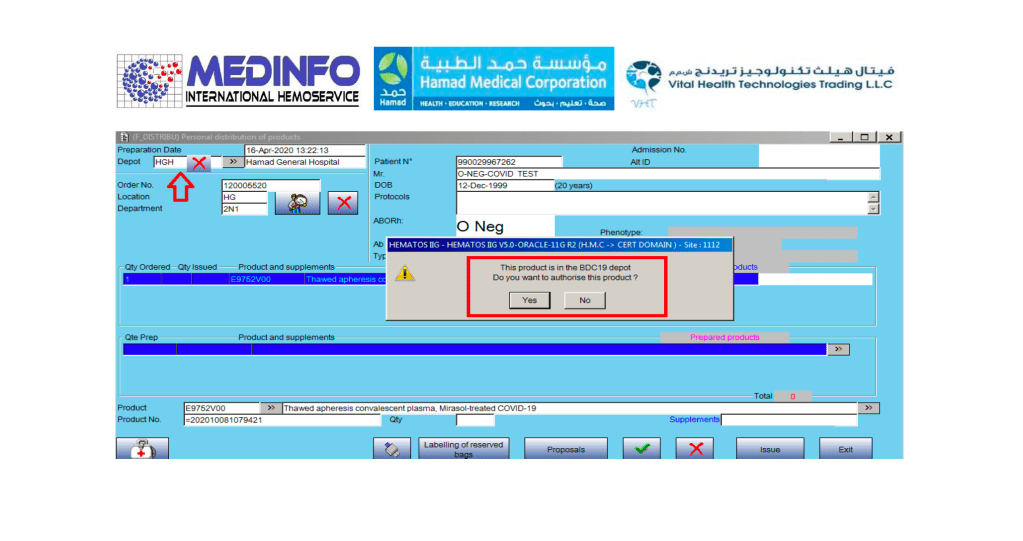
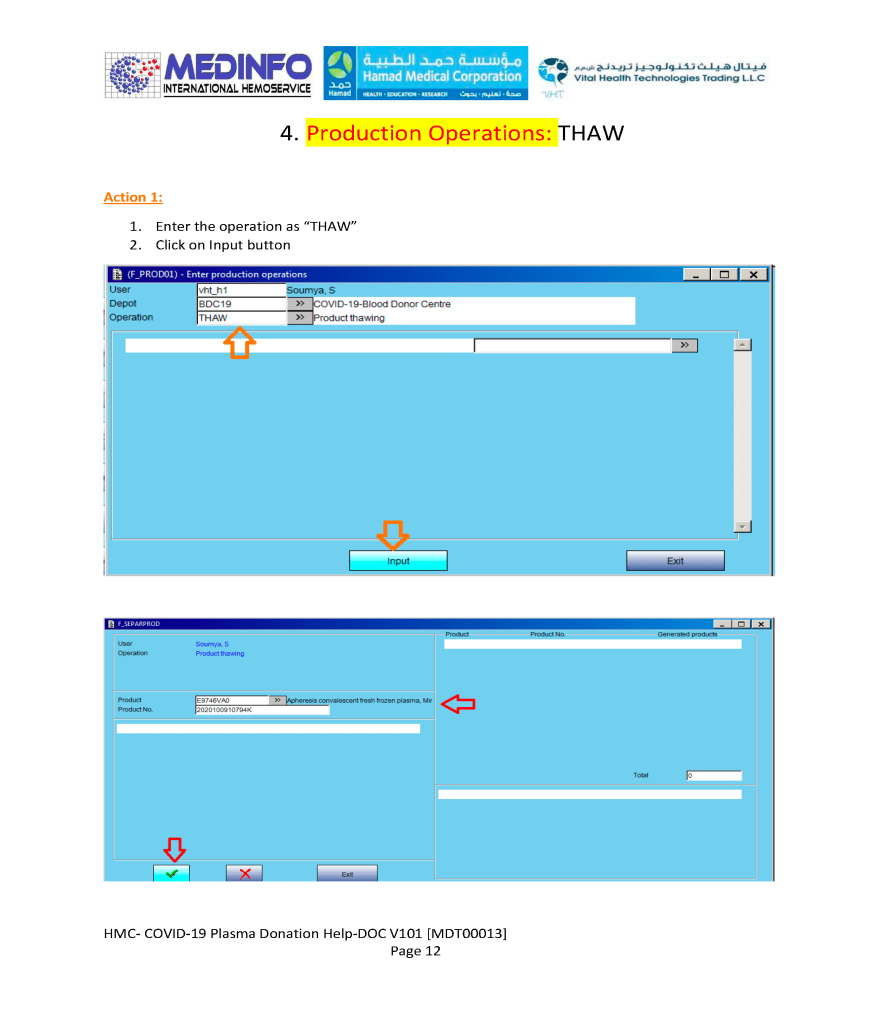
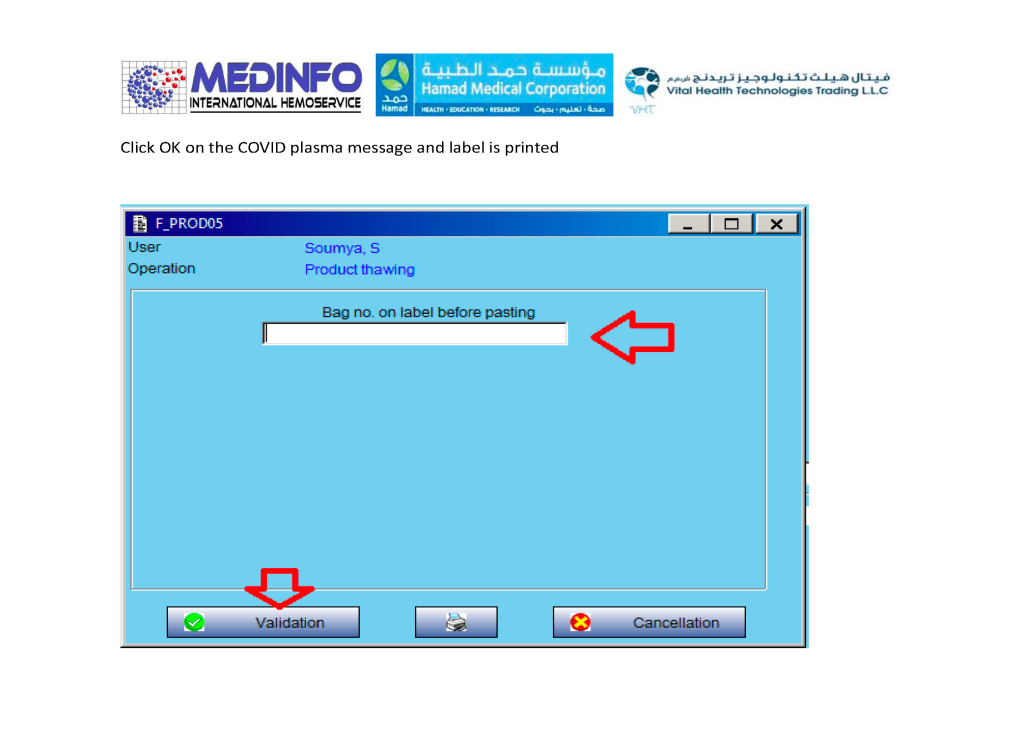
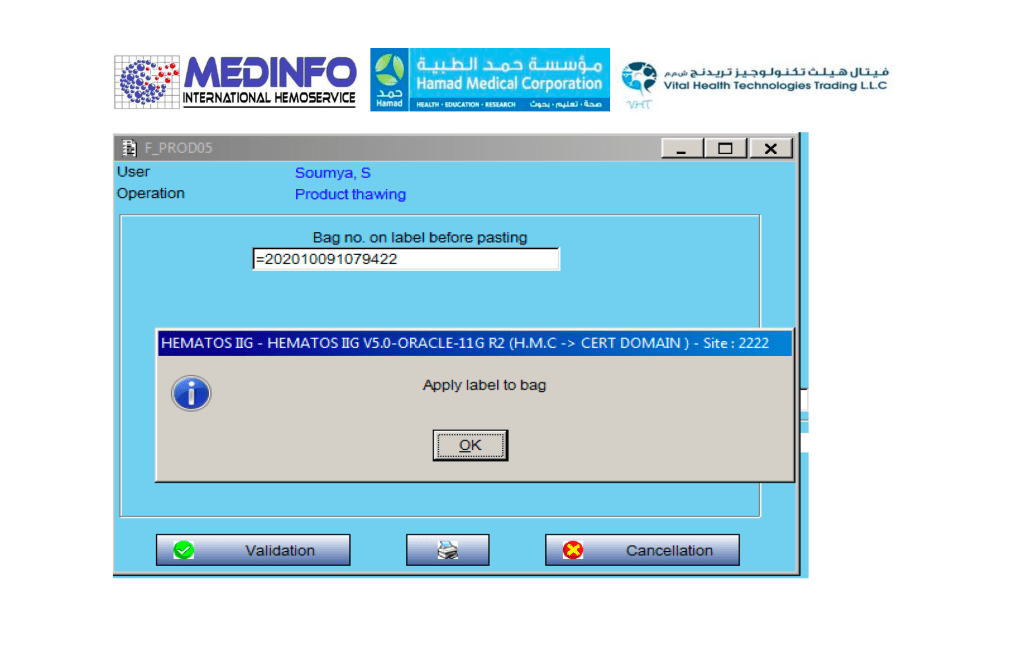
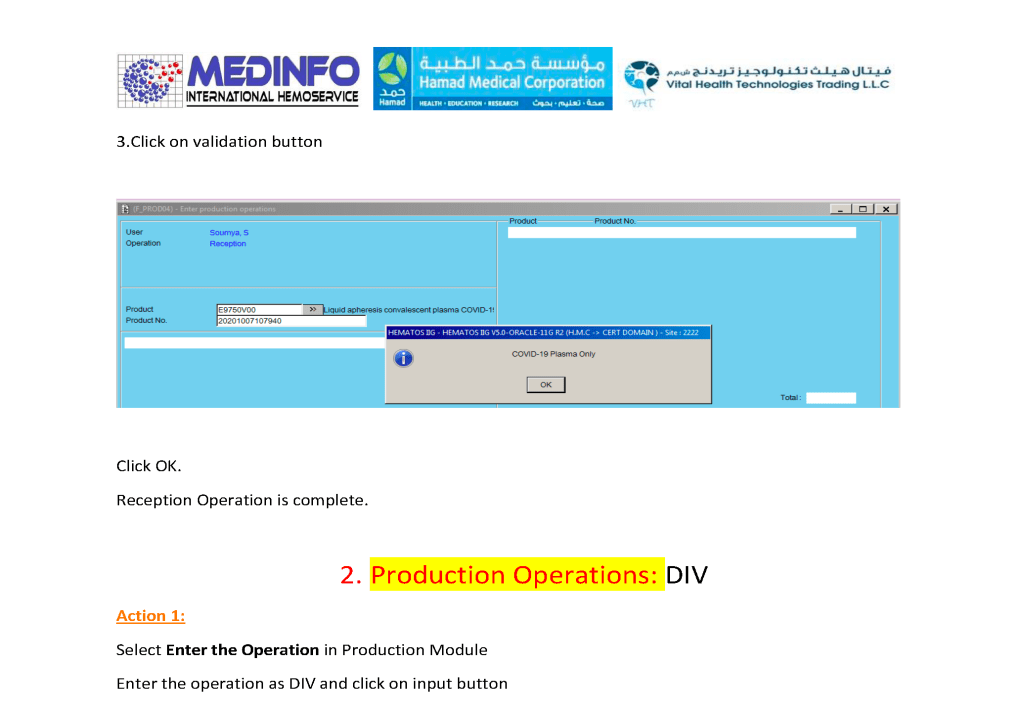
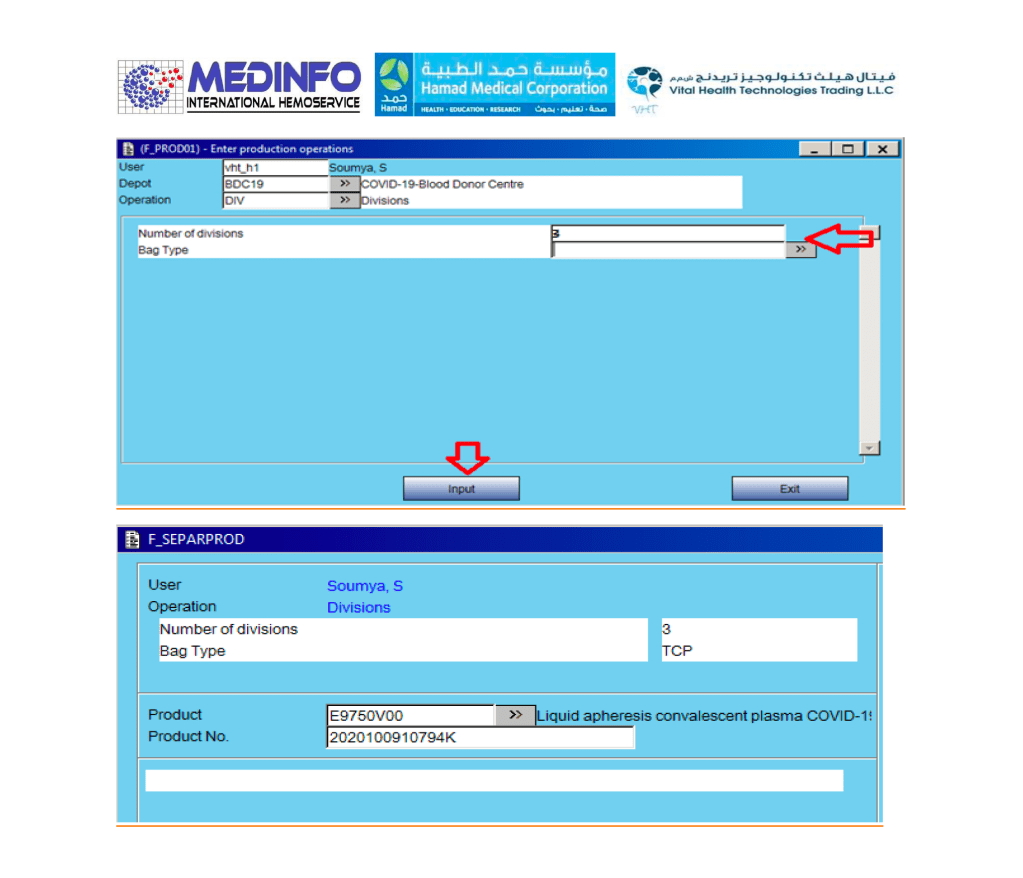
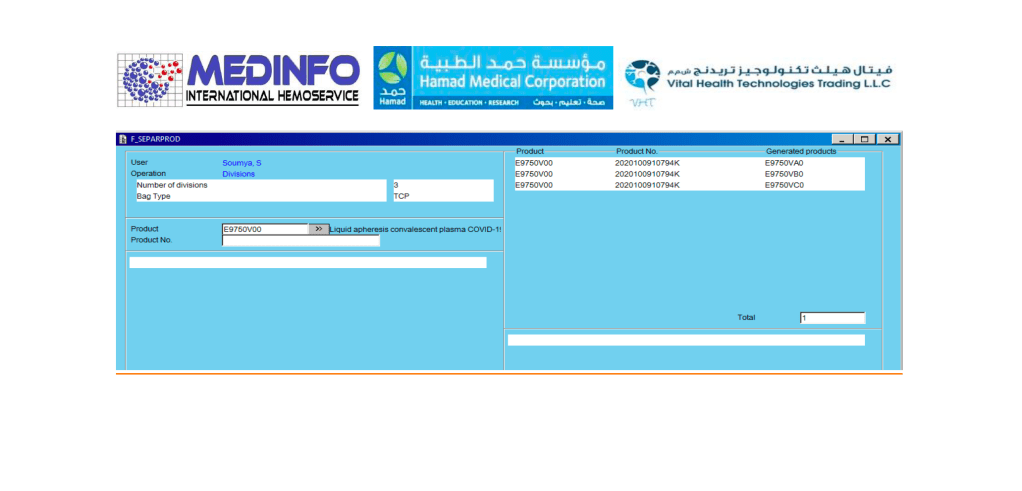
At HMC during my tenure, all plasma products—whole-blood and apheresis-derived were pathogen inactivated with riboflavin (Mirasol).  In our software processes, I had options to release both Mirasol-treated and untreated (the latter in emergencies) and to aliquot either as needed.  The same processes applied to COVID-19 convalescent plasma CCP except that they were performed in a quarantine production area.  There were specific ISBT codes for CCP.

24/9/20

SARS-CoV-2 Vaccines and Donor Qualification

Principle:

Under AABB and FDA rules in the Uniform Donor History Questionnaire, unlicensed, investigational vaccines have a 12-month deferral or as indicated by a responsible physician.  In light of the anticipated vaccination trials for COVID-19, this policy gives interim guidance until more definitive information is available.

For COVID-19 Convalescent Plasma CCP donation, investigational vaccine recipients should not donate COVID-19 convalescent plasma until further information is available about their antibody profile.

Policy:

Any donor who has received a COVID-19 (SARS-CoV-2) vaccine will be deferred as follows:

  1. Whole blood or apheresis donation (except COVID-19 convalescent plasma):
    1. Live, attenuated vaccine:  14 days post vaccination
    2. Non-replicating, inactivated, or RNA-based vaccine:  NO DEFERRAL
  2. COVID-19 Convalescent Plasma CCP Donation:  DO NOT ACCEPT

Reference:

Text from the AABB Weekly Report:

Novel Coronavirus Update, Regulatory Update:  Investigational Vaccines and Deferral for Donor of Blood and Convalescent Plasma, AABB Weekly Report, 7 August 2020

“FDA recognizes AABB’s DHQ which includes unlicensed (experimental) vaccines on the medication deferral list as a 12-month deferral or as indicated by the responsible physician.

“For routine blood donation, the responsible physician may wish to consider the potential infectious risk associated with the vaccines, and the use of short deferral periods (e.g., 14 days) for live attenuated vaccines and no deferral for non-replicating, inactivated or RNA-based vaccines.

“We agree that no deferral is necessary for routine blood donors who might have received the mRNA-1273 Moderna vaccine.

“At this time, we suggest that individuals who have received a COVID-19 investigational vaccine should not donate COVID-19 convalescent plasma until further information is available about their antibody profile.”

Donor Deferrals for Body Fluid Exposure

Principle:

New rules have been approved by US FDA CBER for body fluid exposure, tattooing, body fluid exposure, and body-piercing.  By similar logic we will extend this also to HIJAMA.  We will not make any changes to our sexual history/practices or history of sexually transmitted disease treatment.

Policy:

  1. Effective immediately, we will accept donors AFTER THREE MONTHS from the following activities:
    1. HIJAMA (ritual blood-letting)
    2. Tattooing
    3. Body piercing (e.g. piercing for ear-rings)
    4. Contact with blood of another individual through percutaneous inoculation such as a needle stick or through contact with a donor’s open wound or mucous membranes
  2. A TWELVE-MONTH DEFERRAL still applies after receiving a blood component or blood derivative except clotting factors.
  3. Transfusion of clotting factors remains a permanent/indefinite deferral.

Reference:

Revised Recommendations for Reducing the Risk of Human Immunodeficiency Virus Transmission by Blood and Blood Products, Guidance for Industry,  U.S. Department of Health and Human Services, Food and Drug Administration, Center for Biologics Evaluation and Research, April 2020

Selection of Components for ABO-Incompatible Renal Transplants

Principle:

Kidneys have strong expression of ABO type and must be matched the same way as RBC components.  In the case of ABO-incompatible renal transplants, we must not give significant amounts of plasma incompatible to the ABO type of the donor kidney.  Plasma must also be compatible with the patient’s ABO type for RBC transfusions.  The amount of residual plasma in PRBCs is limited since we use an additive solution SAGM.  Likewise, platelet components are suspended in platelet additive solution with only minimal residual plasma.  Cryoprecipitate has only minimal plasma and is given without regard to the patient’s ABO type.

Policy:

  1. RBC components:  Use ABO-compatible RBCs in SAGM.  DO NOT USE WHOLE BLOOD!!
  2. Platelet components in platelet additive solution PAS (normally available component):  Any ABO type may be given
  3. Platelet components in plasma:  Only group AB platelets may be used.
  4. Plasma (any type FFP, FP24, solvent-detergent treated, or thawed):  Only group AB plasma may be used
  5. Cryoprecipitate:  Any ABO type including mixed types may be used, mixed types are preferable to neutralize the minimal ABO-incompatible plasma.

References:

  1. Standards for Blood Banks and Transfusion Services, AABB, Current Edition, Bethesda, MD USA
  2. Technical Manual, AABB, Current Edition, Bethesda, MD, USA

Review of Product Inserts

This is a policy I made for NGHA Jeddah many years ago but is still useful today.

Principle:

All technical staff are required to read and understand the manufacturer package inserts that apply to the procedures that they perform.  This policy establishes a means of documenting compliance with this requirement.

Policy Details:

  1. Technical staff are defined as anyone who uses the reagent in the performance of a procedure or process or anyone reviews or supervises that process or procedure.  This includes the supervisor, medical technologists, medical technicians, nurses, phlebotomists, and assistants.
  2. All technical staff are required to read and understand ALL product inserts for each procedure applicable to the section(s) that they work in—apheresis, donor room, component preparation, and/or transfusion service.
  3. If they have any questions about a particular insert, they should refer it to the supervisor, senior technologist (Med Tech 1), or in the latter’s absence, the blood bank medical director/section head.
  4. Each staff member must sign the Manufacturer’s Package Insert Review Form for that particular policy/procedure, including his signature, employee identification number, and date.
  5. Each Manufacturer’s Package Insert Review Form will be retained with a copy of the package insert by the Blood Bank Supervisor in a special file while the material is being used and for at least five (5) years after a new or revised manufacturer package insert is applicable.
  6. A new Manufacturer’s Package Insert Review Form should be used for each revision of the insert.

Insert Review Form

Type of Insert:  New  Revised
Product Name:
Date of Insert:

I have read this insert and understand its contents and accept responsibility for following its instructions and directions.

Staff Name & Badge #–PRINT!SignatureDate


Sample Resident Examination for Donor Center

Reading Assignments:

  • Chapters 5-9:  Blood Donation and Collection in Technical Manual, 16th Edition
  • Standards for Blood Banks and Transfusion Services, AABB, 25th Edition

Study Questions:

  1. Which of the following candidates is acceptable for donation?
    1. Saudi, visited Sudan 11 months ago as part of National Guard exchange
    2. Saudi former student lived in UK for 2 years from 1993-95
    3. Normotensive taking amlodipine and valsartan
    4. Psoriatic using Tegison
    5. Male adult using ibuprofen for lower back pain
    6. Female 4 weeks post-partum
    7. Husband of patient with recent onset of hepatitis B infection
    8. Male stopped taking ampicillin one week ago for acute pharyngitis
    9. Donor with WBC count 12000/cmm but otherwise normal
  2. Which of the following donors is suitable for autologous donation?
    1. Cataract surgery patient
    2. Well, but had gastroenteritis 3 days ago
    3. Pregnant with Hgb 11 g/dl
    4. CGL patient with Hgb 13 g/dl
    5. Hodgkin’s disease patient Hgb 12 for exploratory laparotomy
    6. Patient with rare antibody anti-Tja, Hgb 13 for cholecystecomy
  3. How do you handle the following events?
    1. Donor draw fills bag with bright red blood in 30 seconds
    2. Donor faints when needle is shown
    3. Lipemic serum during donor plateletpheresis session
    4. Donor with numbness and tingling of extremities during donor apheresis session
  4. How would you handle the following therapeutic phlebotomy requests?
    1. Hgb 22 g/dl, suspected polycythemia rubra vera
    2. Hgb 13, suspected hemochromatosis patient
    3. Hgb 16, renal failure patient post-erythropoietin treatment
    4. Unstable angina, Hgb 9
  5. What is the final volume of each of the following blood components?
    1. Whole blood
    2. Packed RBCs—state hematocrit as well
    3. Washed RBCs
    4. Irradiated packed cells
    5. Platelet pool—state number of platelets
    6. FFP
    7. Cryo-poor plasma
    8. Cryoprecipitate
  6. What are the outdates of each of the following components?
    1. Packed RBCs
    2. Platelet pool
    3. FFP frozen at -35C
    4. Granulocyte concentrate
  7. Which donor units are acceptable for transfusion?
    1. HBsAg negative, HBcAb positive, HBsAb > 20 IU/liter
    2. HCV Ab positive, RIBA-3 negative, HCV-RNA negative
    3. Syphilis positive, FTA-ABS negative

Revised:

29/8/20