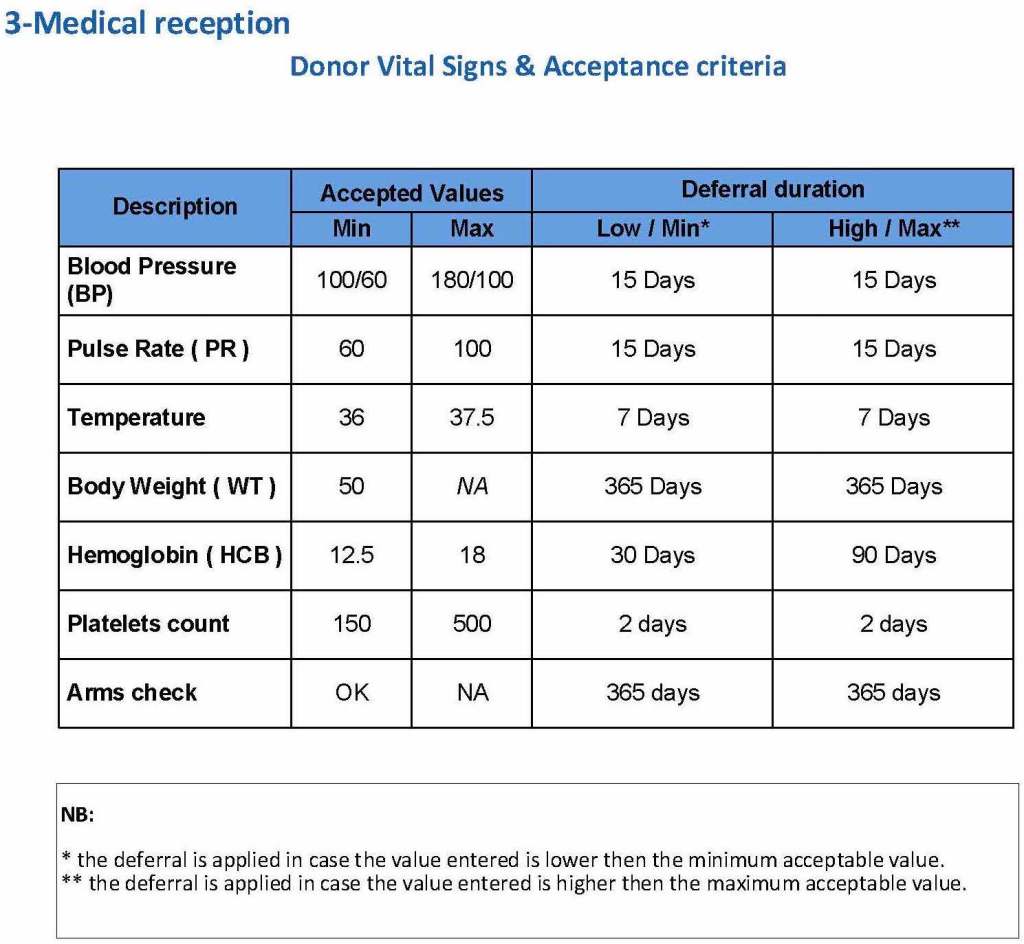
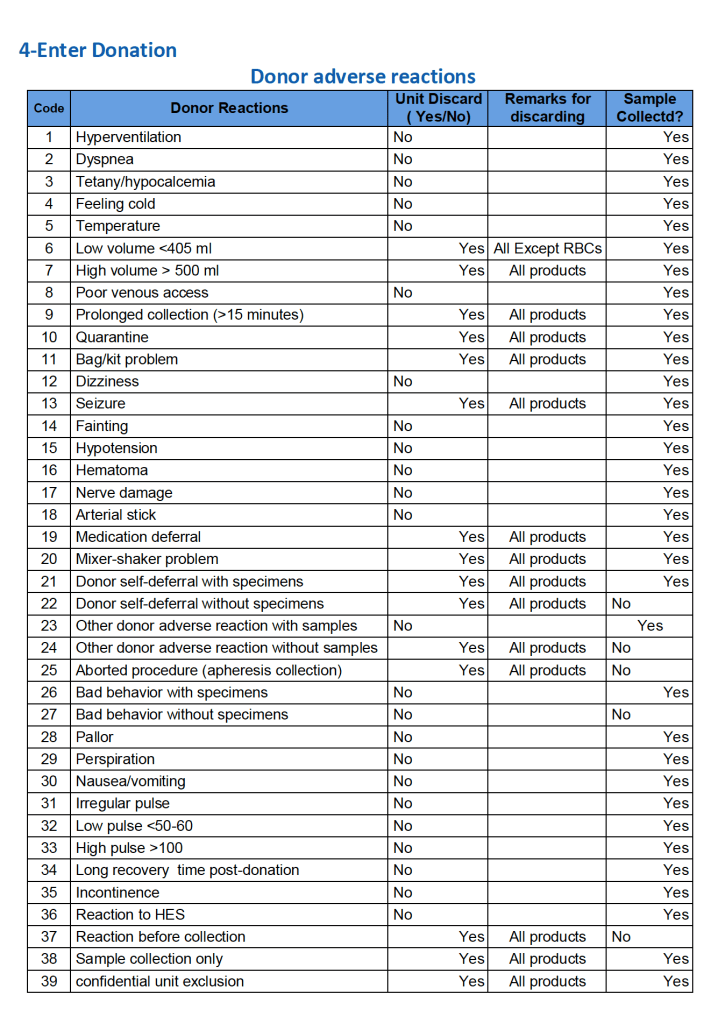
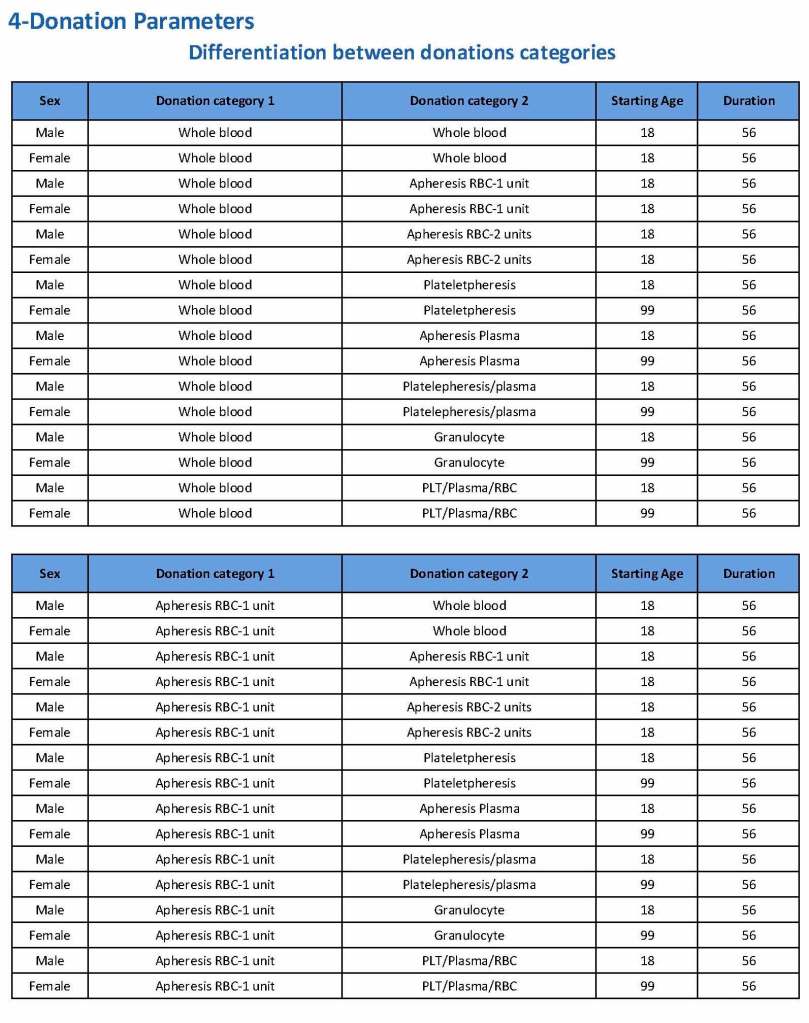
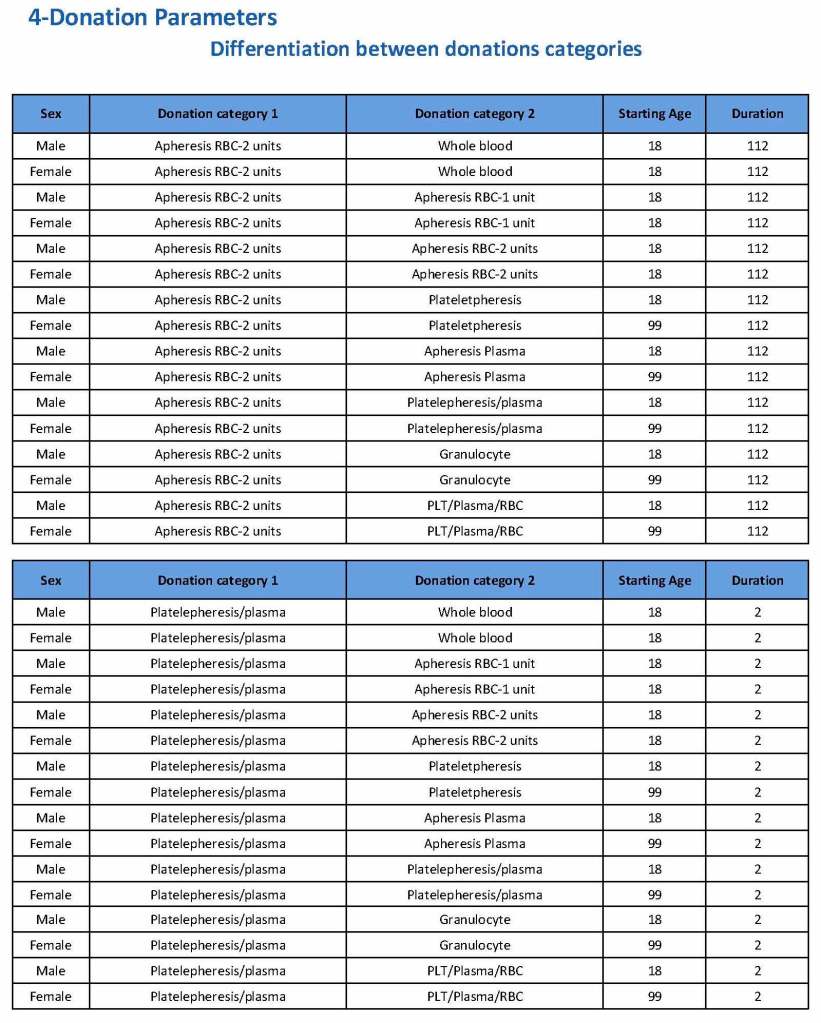
COVID-19 Convalescent Plasma Donor Pre-Screening

All blood components are considered medications and are subject to Good Manufacturing Practices as mandated by international accreditation standards.  The whole process must be done reproducibly and precisely by specific personnel trained and documented to be competent.  This includes collection of convalescent COVID-19 plasma.
Transfusion Medicine will provide staff who are deemed competent for the entire process of the collection, manufacture, and release of this unlicensed, emergency-contingency component.

It will help greatly if all candidates are prescreened to exclude the following candidates:

  1. Administrative:
    1. Donors must come with a valid Qatari identity card:  no ID means no screening
  2. Sex:
    1. Males only to minimize the risk for transfusion-associated lung injury TRALI
  3. Donor Feeling:
    1. If the donor does not feel well, he should not come for screening/collection.
  4. Food/Drink:
    1. Donor must have eaten/drunk fluids within 4 hours of arrival for screening/collection.
  5. Medication exclusions:
    1. Antibiotics within the past 14 days
    2. ACE inhibitors in the past 48 hours
    3. Beta blockers
    4. Anticoagulants
    5. Anti-anxiety or other psychotropic medications
    6. Other medications on the attached list
  6. Medical exclusions:
    1. Stable vital signs
    2. History of seizures
    3. History of dementia or other chronic neurologic disorder
    4. Family history of dementia or other chronic neurologic disorder
    5. Significant cardiac arrhythmias
    6. History of hepatitis B, hepatitis C, HIV, brucellosis, Ebola
  7. Travel history:
    1. 5 years cumulative residence in Europe including Ireland and France 1980-2001
    2. 3 months cumulative residence in the UK (and/or all its territories) 1980-1996
    3. Any visit(s) to West Africa

This is NOT a complete list of criteria.  Transfusion Medicine personnel will screen according to the full donor criteria.  Thus, donors passing the pre-screening may still be otherwise disqualified based on the detailed process.

My Experience: Blood Bank Considerations for Setting Up ABO-Incompatible Renal Transplantation

Setting up ABO-incompatible renal transplants is a major undertaking and requires close coordination between Transfusion Medicine and the clinical team.  This post addresses my experience in setting up this program in 2019 at HMC in Qatar.

Like any process involving titration, it is best to automate it to minimize inter-technologist variability.  Unfortunately, doing both IgG and IgM titers takes up to 1 hour per machine and totally monopolizes the machine during that interval.  I did not have sufficient staff to even consider doing the titrations manually.  Performing automated titers disrupted my workflow so I encouraged the clinicians to send the specimens for off-peak processing.

Titration:

  1. Obtain the full clinical protocol and especially note the thresholds for transplantation.
  2. Determine the methodologies used at the reference site.  Can you do this at your local site or do you have to use an alternative method?
  3. Do you have equipment to automatically titer?  Doing both IgG and IgM may monopolize an immunohematology analyzer for one hour?  How will this affect your other testing?
  4. Regardless if it is the same method, you must still correlate your titers with the protocol site, both IgG and IgM.
  5. If you are using multiple analyzers for titration, you must do a comparison study between them.  How much does the titer vary?

Columns:

  1. Determine column inventory and order the A, B, and AB columns.  You must order enough to finish the course of treatment.  It may take weeks to get additional columns, depending on your supply chain.  Each column costs thousands of euros.
  2. Where are you going to store the columns?  Ours needed 2-8C storage.  Can you keep them away from quarantined products and patient specimens?
  3. Are your columns single-use? 
  4. If multi-use, who is going to restore them after use?  How do you ensure that it is dedicated for the right patient?

Apheresis Equipment:

  1. How are you going to attach the column to the apheresis equipment?
  2. Will you use your therapeutic apheresis equipment like Terumo Optia directly or will you use a second machine (e.g. Medicap)?
  3. Do you have all the clamps, tubing, and holder for the column?

Staffing:

  1. Do you have sufficient apheresis nurses to perform the procedures?  You may be running the apheresis for up to 8 hours.  How does this impact your other procedures or donor center operations?  Our pool of apheresis nurses was very limited.  They also covered routine blood donation.  How will doing this process impact your regular donation and other apheresis operations—donor and therapeutic?
  2. Do you have sufficient supplies of ACD-A anticoagulant and calcium gluconate?

Specimen Collection:

  1. Perform titrations expeditiously:  Can you finish titration testing before the next scheduled procedure?  In our institution, we collected specimens at 0400 and had them directly brought to the blood bank for testing.  Results were ready at 0600 so the clinicians could decide early if another procedure was needed.

Table of Permissible ABO Types:

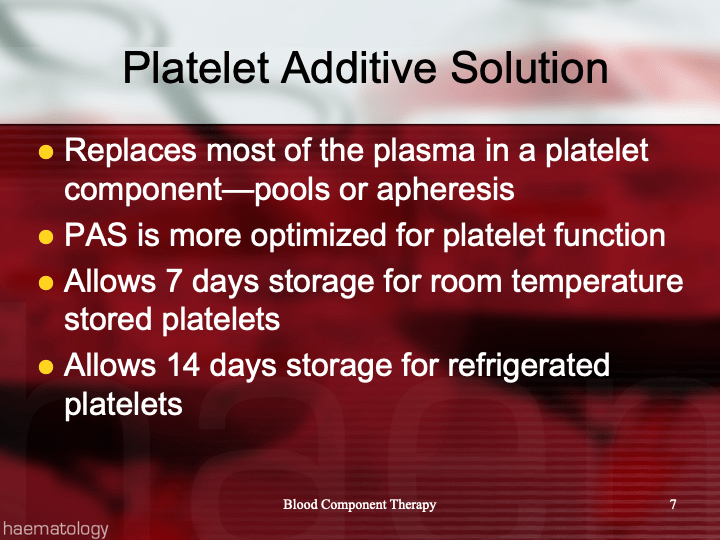
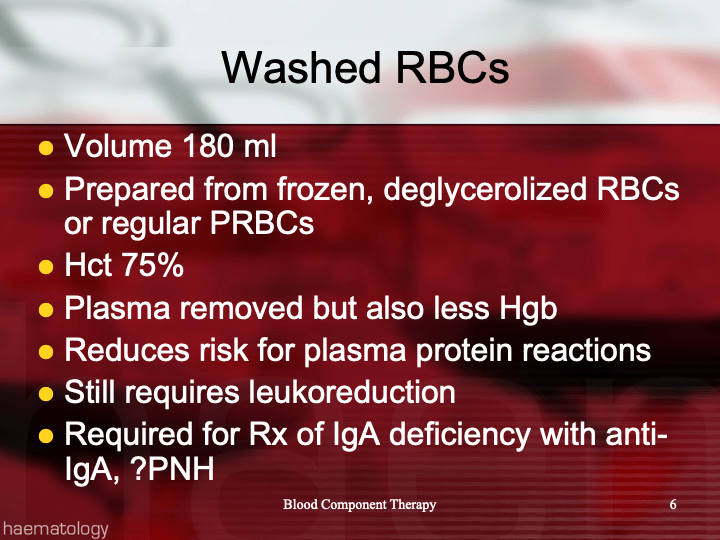
  1. Define acceptable blood products by blood type—take into consideration pathogen inactivation and platelet additive solution if used.  At our institution, all RBCs were in additive solution and all platelets were pathogen-inactivated in platelet additive solution PAS so residual ABO antibodies were minimal in the final components.  Since the platelets contain only minimal plasma, we did not concern ourselves with matching their ABO type with the donor kidney.  Otherwise, platelet types with plasma compatible to the donor kidney must be selected.

Software:

  1. Prepare a truth table for acceptable ABO component types based on #16 above.
  2. Include the titer cutoff for IgG and IgM antibodies in the organ transplant module.

Selection of blood component for ABO-incompatible renal transplantation is discussed in a separate post that will follow.

25/12/20

Bacterial Risk Control Strategies for Platelets—USA

I am attaching the US Center for Biologics Evaluation and Research CBER Guidance for Industry revision dated December 2020 to replace the one issued in September 2019.

This is a very detailed document that will require US blood centers to comply with newer more stringent safeguards to minimize the risk of bacterial contamination of platelet components.

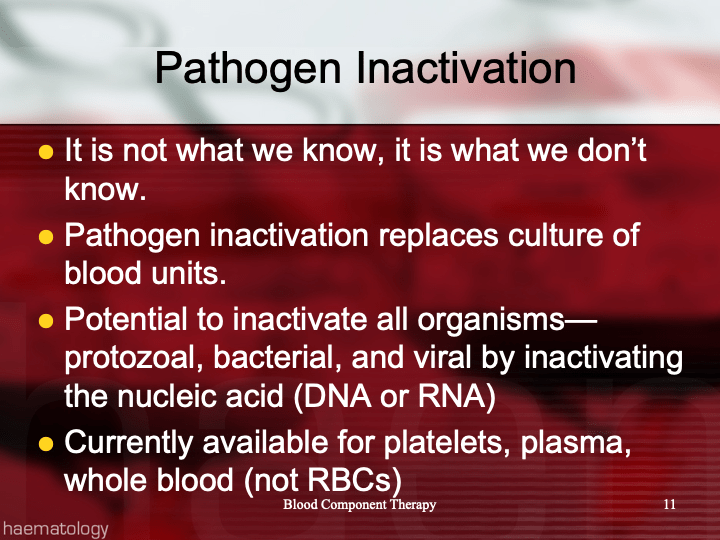
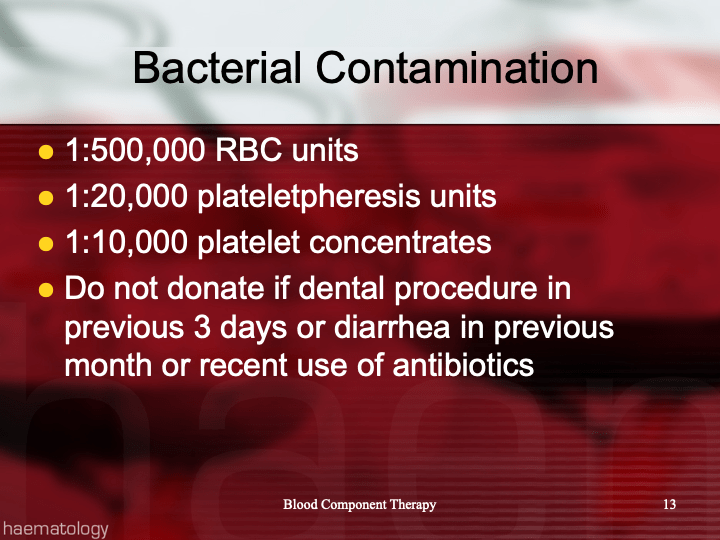
The easiest way to comply is to universally pathogen-inactivate all platelet components:  then the rest of the algorithm does not apply.  I am happy that for over 10 years I have used pathogen-inactivation (riboflavin-based Mirasol, Terumo BCT) and not experienced any bacterial sepsis from platelet or plasma components.

For those of us practicing outside the USA, please note:

The US still does not permit pooled, buffy coat platelets to have either a 5 or 7 day outdate.  For pooled components stored at 20-24 C, the FDA only allows a four-hour outdate, regardless what the rest of the world permits.  Thus, the USA mainly uses apheresis platelets.

If you have pathogen-inactivated platelets, you are so fortunate that you don’t have to follow these other recommendations to have a low risk of bacterial contamination.

Reference:

Bacterial Risk Control Strategies for Blood Collection Establishments and Transfusion Services to Enhance the Safety and Availability of Platelets for Transfusion, Guidance for Industry, U.S. Department of Health and Human Services, Food and Drug Administration, Center for Biologics Evaluation and Research, September 2019 updated December 2020

CBER Guidance for Bacterial Contamination Guidance, Revised December 2020 (PDF)

COVID-19 Convalescent Plasma CCP Series Introduction

I will be posting a detailed series about the manual and software-enhanced COVID-19 processes that I set up in Qatar at HMC Doha in March-April 2020.

In this series I will provide you with screen shots of my Medinfo Hematos IIG software design for each step in the process:  collection, processing, testing, inter-depot transfer, and hospital transfusion service/blood bank release.

This GMP-compliant software-enhanced system is based on the manual system I set up in early March 2020 at HMC.

I want to thank Medinfo Hematos IIG for their rapid response to building this parallel system based on my standard processes in so short a time (two weeks) and my special thanks to the software engineering team at Vital Health Technologies, the agent for Medinfo in Qatar.

To start the series, I am providing the basic workflow for the system.  As is normal in Medinfo software design, a full mapping of the processes are made.  This workflow shows the new CCP ISBT codes and the quarantine collection and processing steps.  The donor testing (marker and immunohematology) processes are similar to those for regular donor units.

This is basically the same process both manually and in the software.  I always say:

A good software process is based on a good manual process!!

Please note the following workflow for our initial discussion.

Leukodepletion Apheresis Form

This form is the result of a collaborative effort between my therapeutic apheresis team and me. I want to thank Dr. Saloua Al Hmissi, Consultant, Transfusion Medicine, and Ms. Mini Paul, Head Apheresis Nurse for all their efforts.

This form can be readily converted into a computer data entry form–depending on your software’s capabilities.

Use of Universal Low-Titer Group A Plasma

Principle:

Since group AB plasma is in short supply, use of group A plasma with low anti-B titers may be substituted based on inventory levels.

Policy:

  1. If the AB inventory is low, we will test group A donors at the time of collection for anti-B titers.
    1. The numbers to be tested will depend on the level of the shortage and the availability of equipment to perform titration.
  2. Use the automated analyzer to perform saline anti-B.
    1. If the saline titer is less than or equal to 1:64, the plasma may be used for recipients of any ABO blood group and will be labelled as group AU—A Universal.
  3. Process the unit routinely and perform pathogen-inactivation.
  4. Medinfo Hematos IIG will only label for universal use if the titer is below the cutoff.
    1. The ISBT label must explicitly show group AU plasma and the actual anti-B titer.
  5. Allocation rules for low-titer group A plasma will be identical to group AB except:
    1. For neonates, preferentially use group AB.
    2. For children < 20 kg, use ABO-compatible plasma (non-group AB) before selecting group AB or if not available, low-titer A in that order.
  6. Donors must have a new anti-B titer performed each donor encounter.

References:

  1. Technical Manual, Current Edition, Bethesda, MD, USA
  2. Standards for Blood Banks and Transfusion Services Current Edition, AABB, Bethesda, MD, USA

Platelet Depletion Apheresis Form

This is the apheresis form used for reductive thrombapheresis developed by my apheresis team and me. In particular, I want to thank Dr. Saloua Al Hmissi, Consultant Transfusion Medicine, and Ms. Mini Paul, Head Apheresis Nurse, all their hard work.

The attached form can be developed into a computer entry form if one has a suitable hospital information system. It is organized so that the apheresis nurse can quickly enter the data on one screen. Never forget that our goal is treat the patient–not spend all of our time on data entry!!

20/12/20

Sample Stem Cell Collection Apheresis Form

This is a sample of the stem cell therapeutic apheresis form that my apheresis team and I developed. It can be readily made into an electronic form. I want to thank Dr. Saloua Al Hmissi, Apheresis Consultant, and Ms. Mini Paul, Head Apheresis Nurse, for their efforts in making this form a success.

Sample RBC Exchange Form

This form was developed by my senior apheresis staff at HMC Doha in conjunction with me. It organizes the data to minimize the time needed to put the data in place so that the apheresis nurse can concentrate on the patient. It can serve as a good template from which to build a computer form.

I want to thank Ms. Mini Paul, Head Apheresis Nurse, and Dr. Saloua Al Hmissi, Consultant Transfusion Medicine for all their efforts.

Therapeutic Apheresis Volume Calculations

You can get the values off the therapeutic apheresis machine, but in the middle of the night when you have to write orders, it is convenient to estimate the volumes (whole blood, plasma, RBCs).  These are the values from my lectures to hematology fellows while I was at HMC Doha:

Whole Blood:

Weight in kg X 70 ml/kg = whole (whole) blood volume adult

Weight in kg X 85 ml/kg =whole blood volume for child (prepubertal)

Weight in kg X 100 ml/kg = whole blood volume for neonates/premature

Example:  70 kg adult has 4900 ml blood volume (I round up to 5 liters)

Plasmacrit + hematocrit = 1.00 in fractions (100%), ignore buffy coat volume

Plasmacrit = 1- hematocrit

Plasma volume:

Plasma volume = whole blood volume x plasmacrit = whole blood volume X (1-hematocrit)

RBC volume:

RBC volume = whole blood volume x hematocrit

Estimates for blood components:

The volumes will depend on the original amount collected (e.g. 450 vs 500 ml),  original preservative solution used (e.g. CPD), use of automated component production such as Terumo Atreus or Reveos, use of RBC additive solution (e.g. SAGM), leukodepletion, platelet additive solution, pathogen inactivation.

At HMC Doha, the average values were:

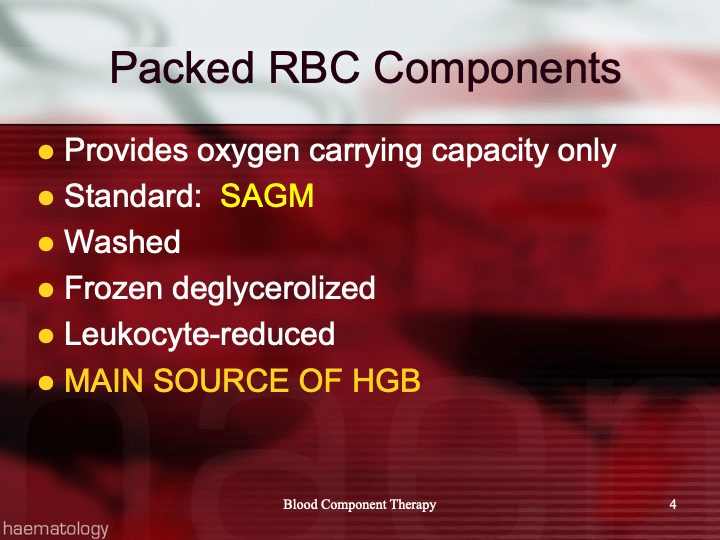
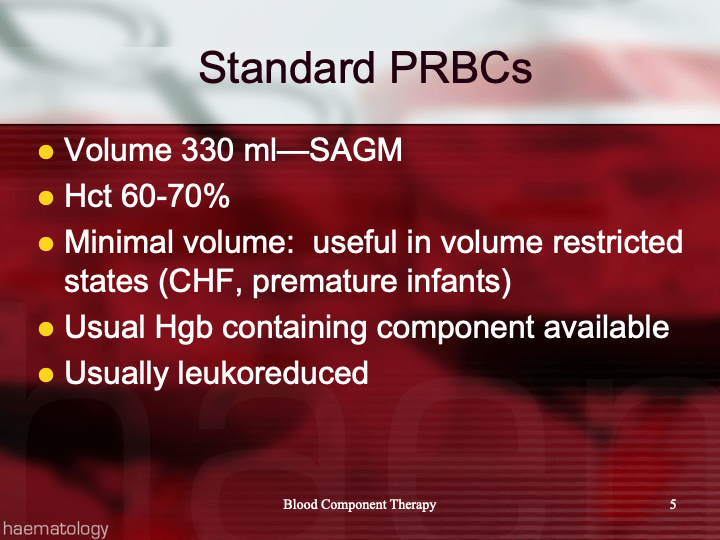
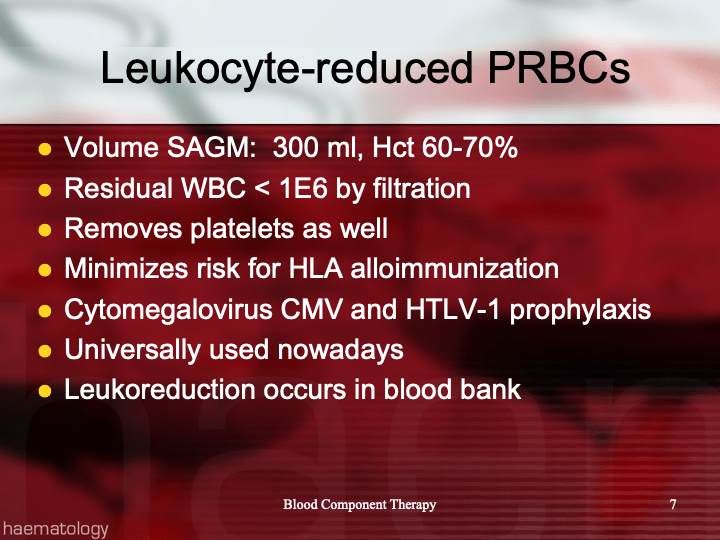
300 ml for leukodepleted RBCs in SAGM prepared by Reveos

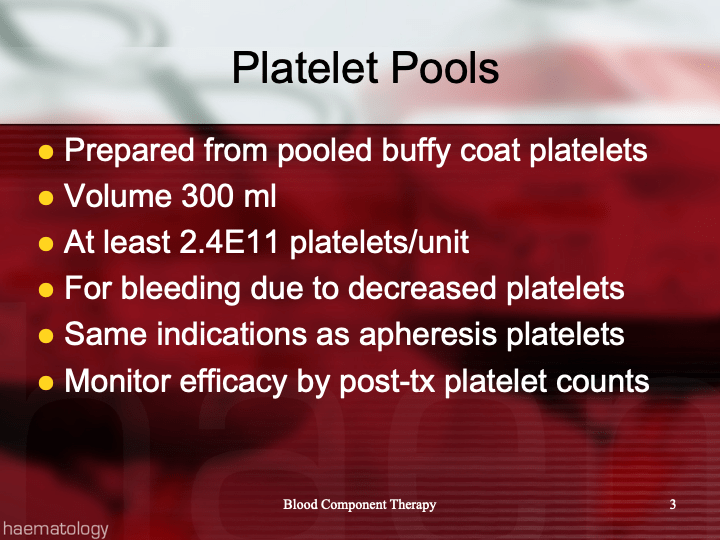
300 ml for platelet pools in Mirasol and platelet additive solution (residual WBC < 1E6)

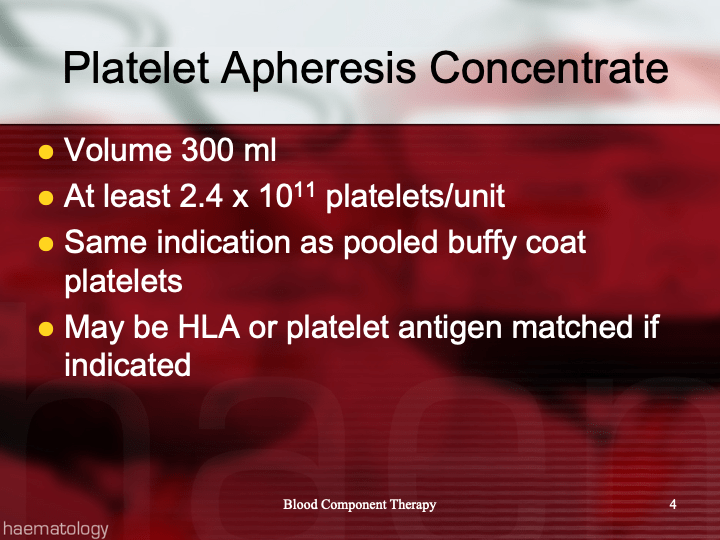
300 ml for plateletpheresis concentrate (2.4E11) in Mirasol and platelet additive solution

250 ml for leukodepleted, pathogen inactivated plasma