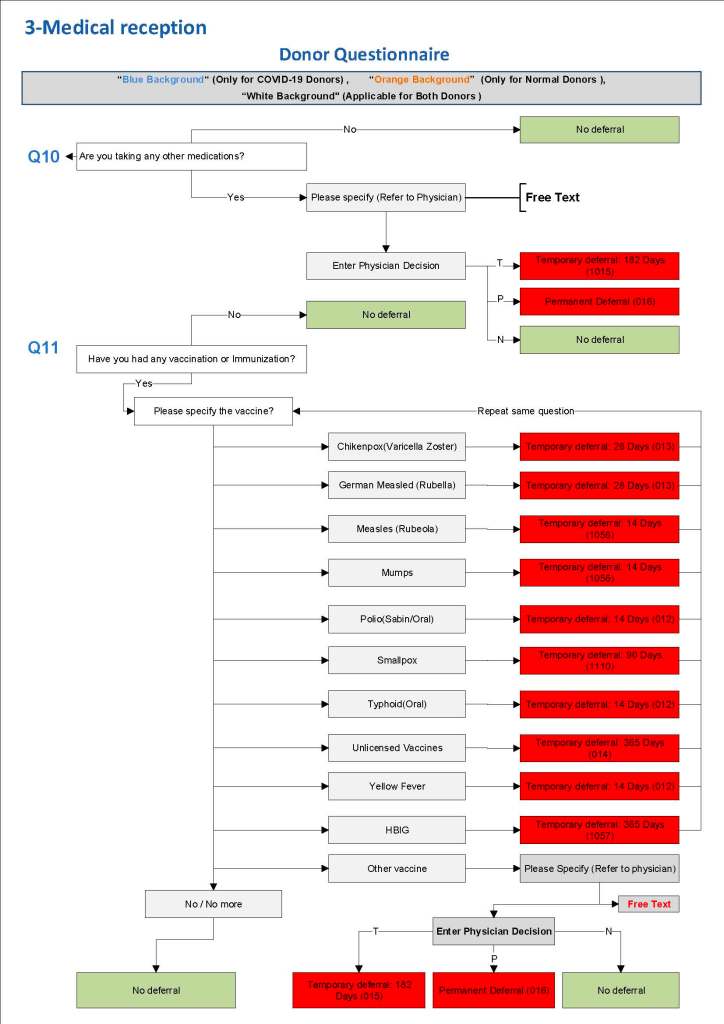
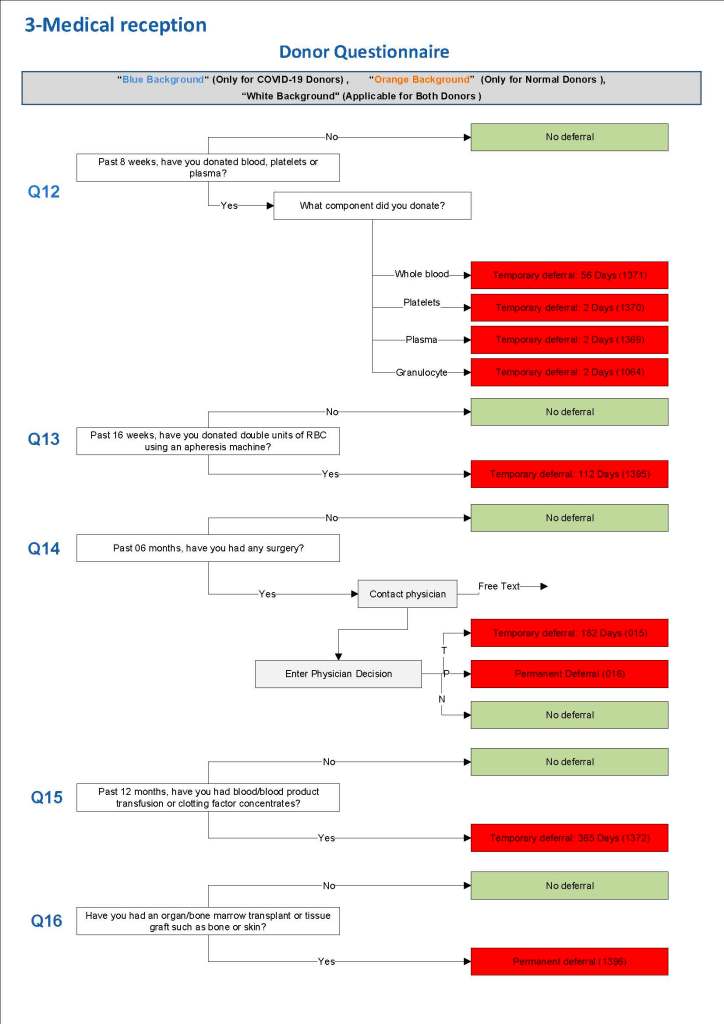
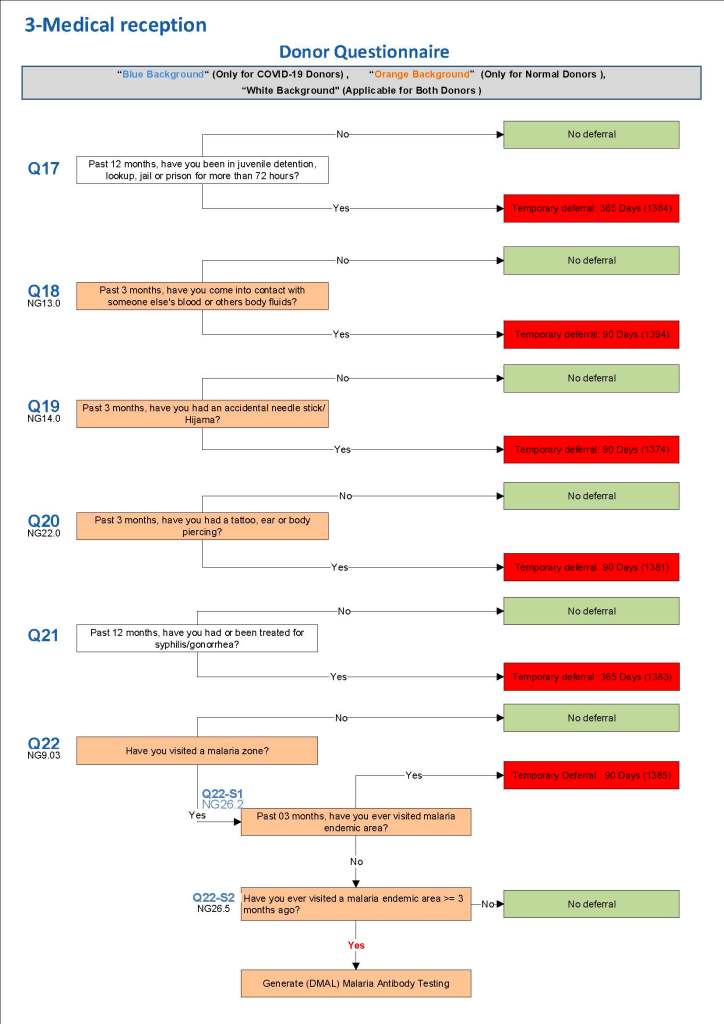
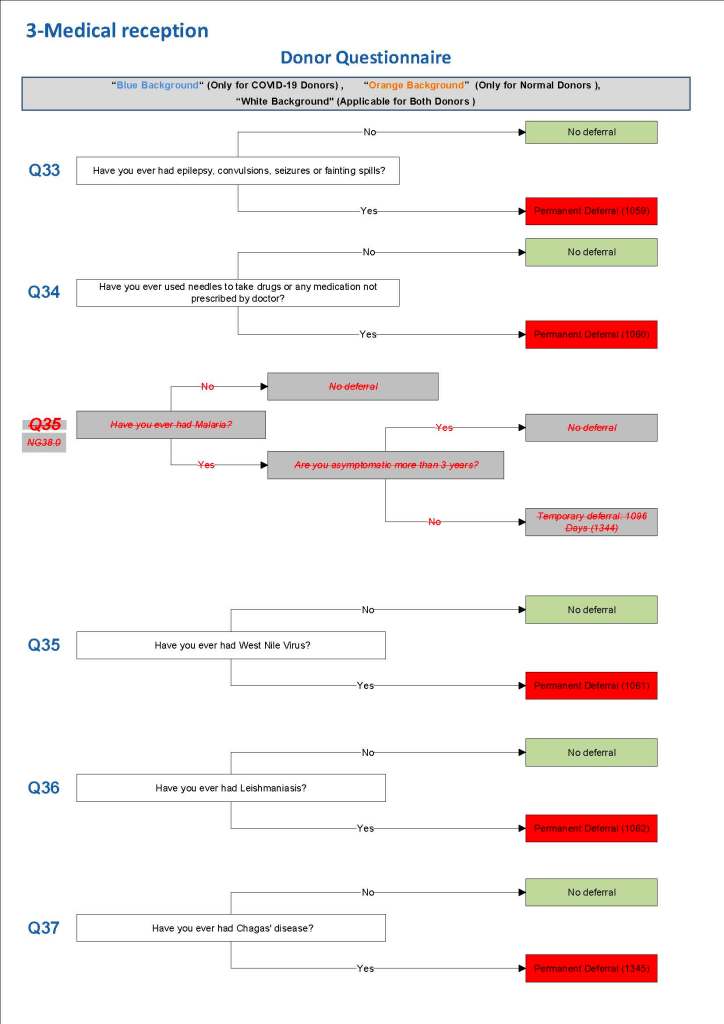
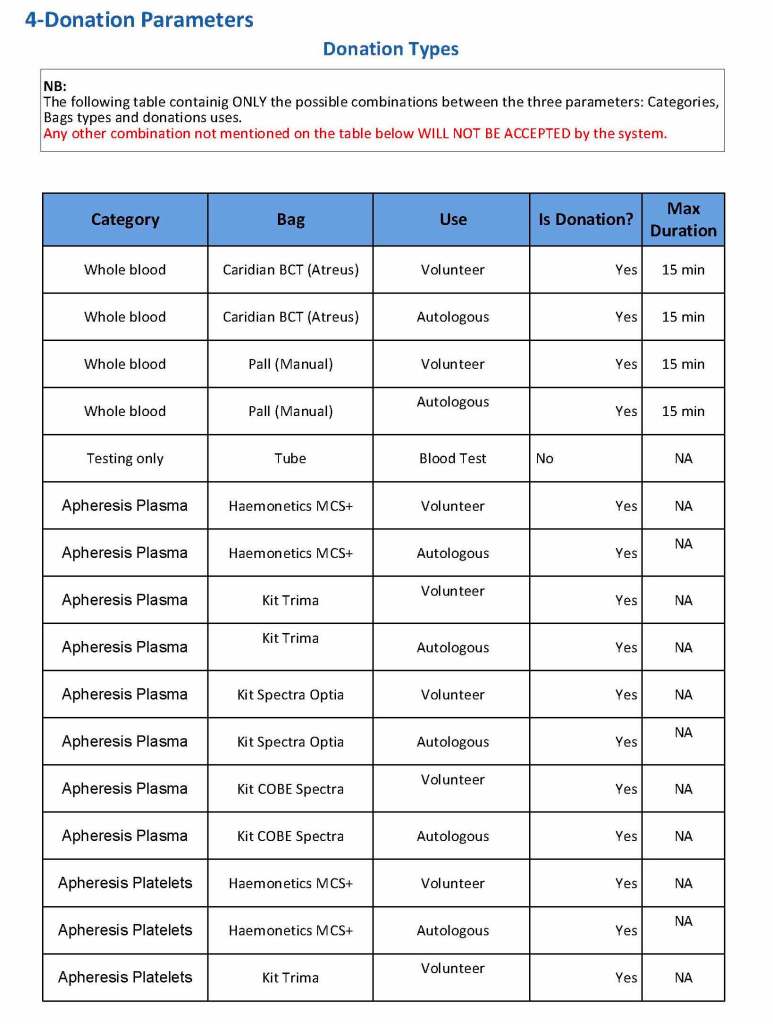
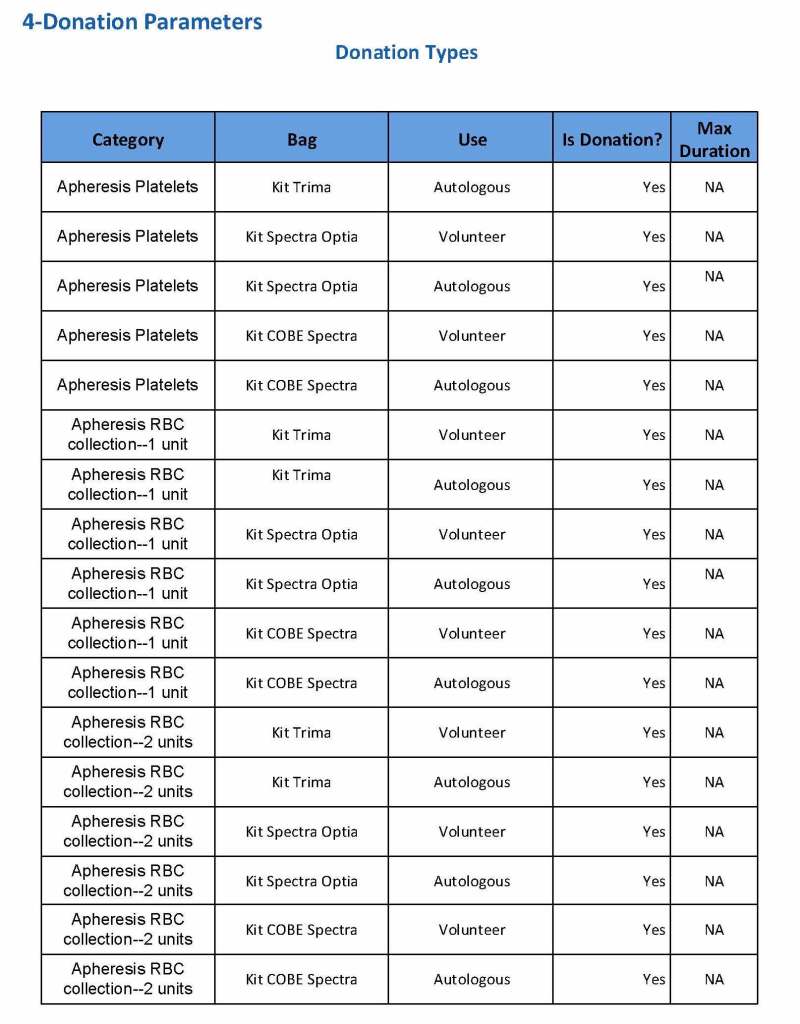
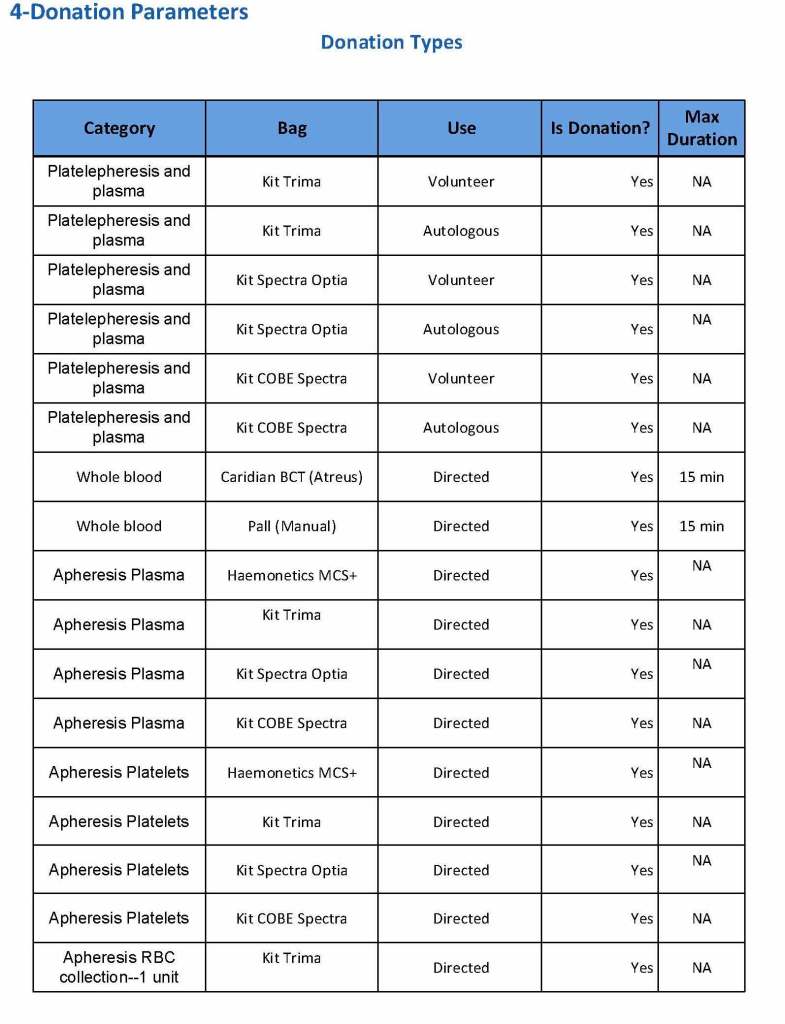
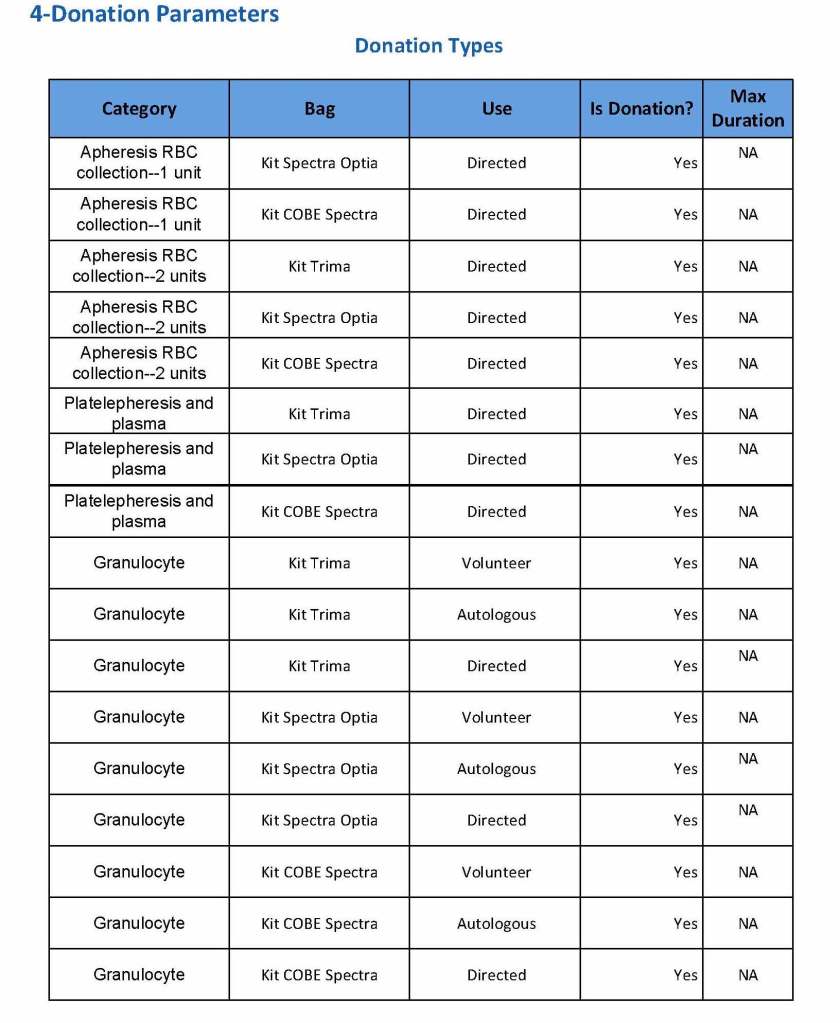
Processes and Software Building 22: Donor Collection 1: Current and Future States

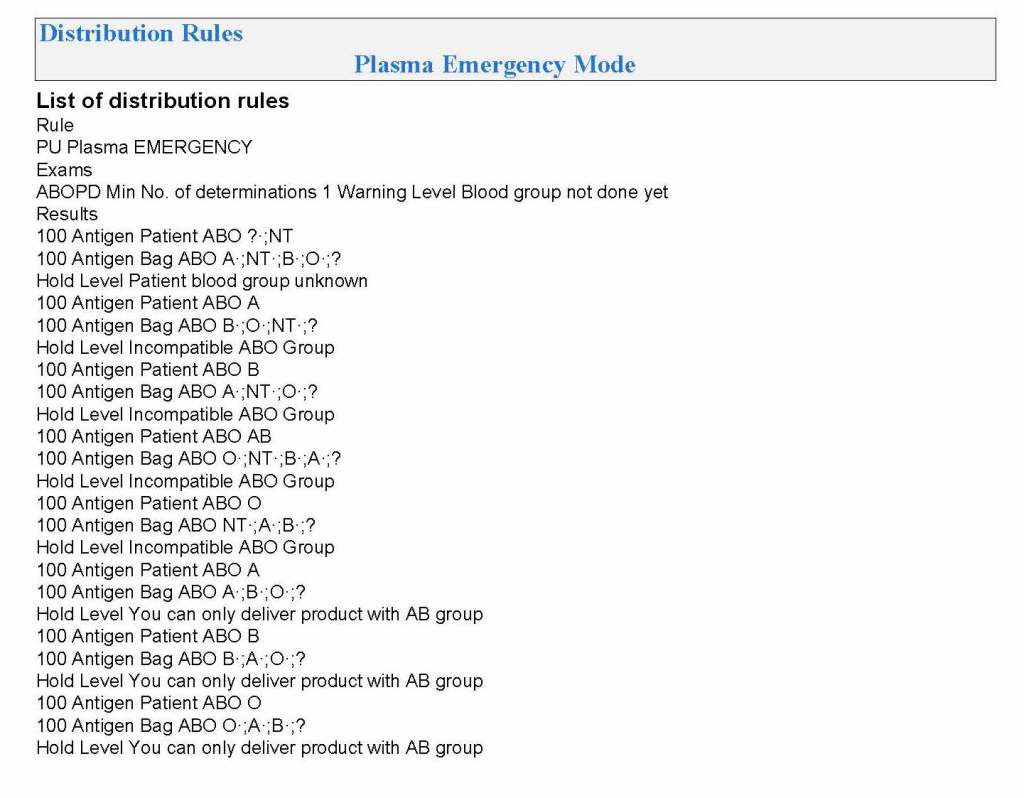
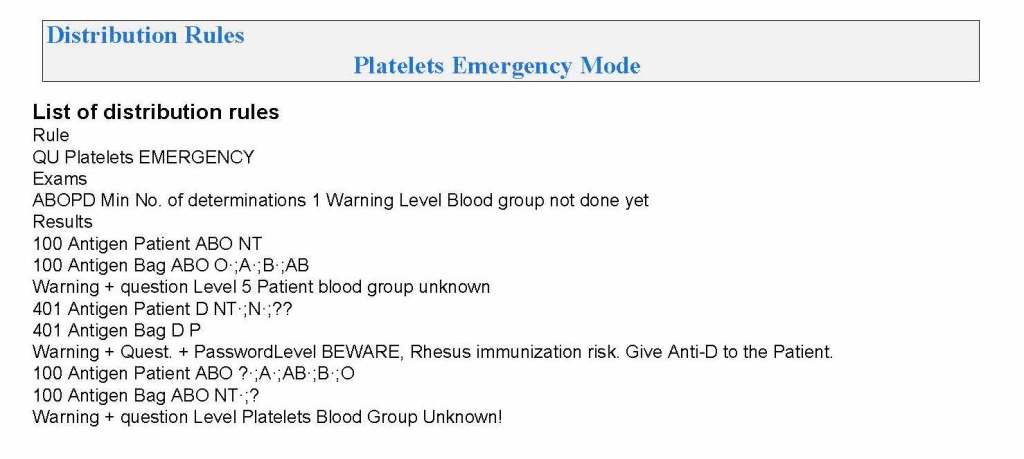
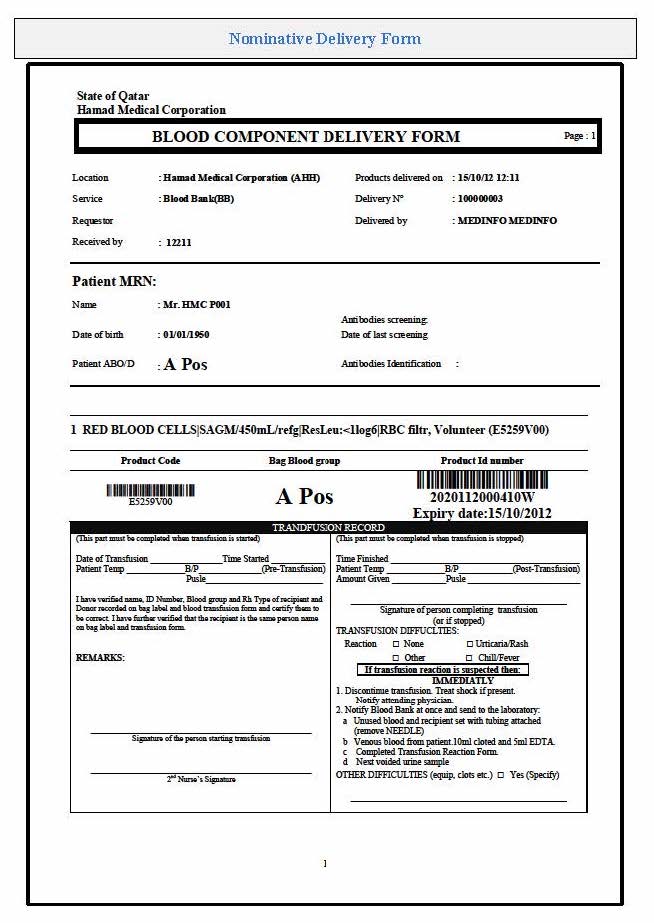
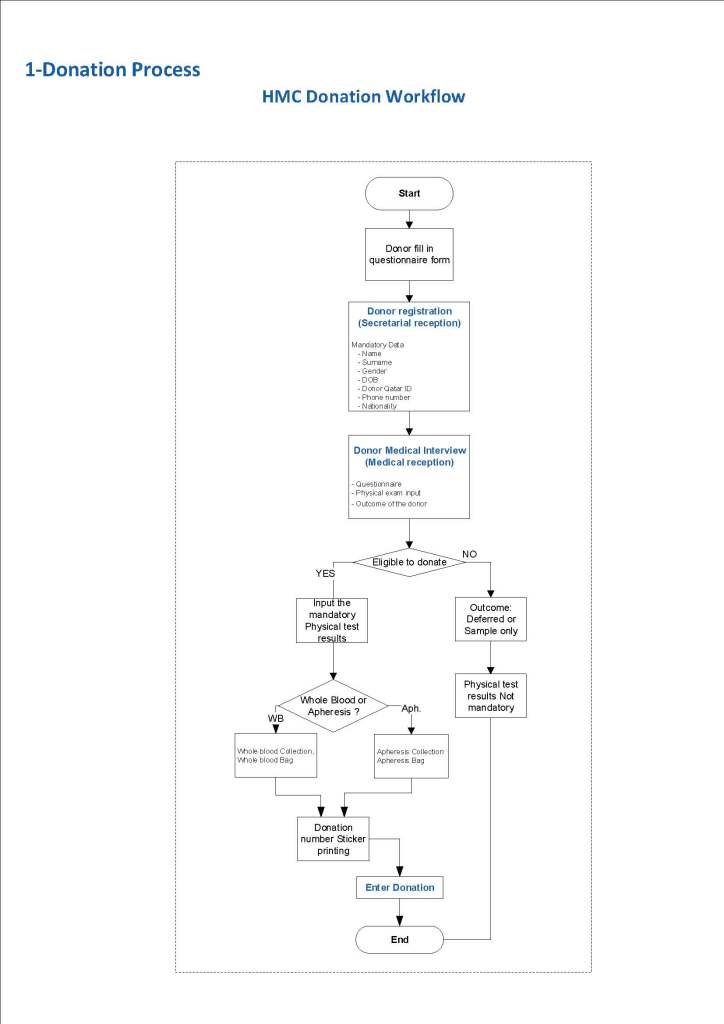
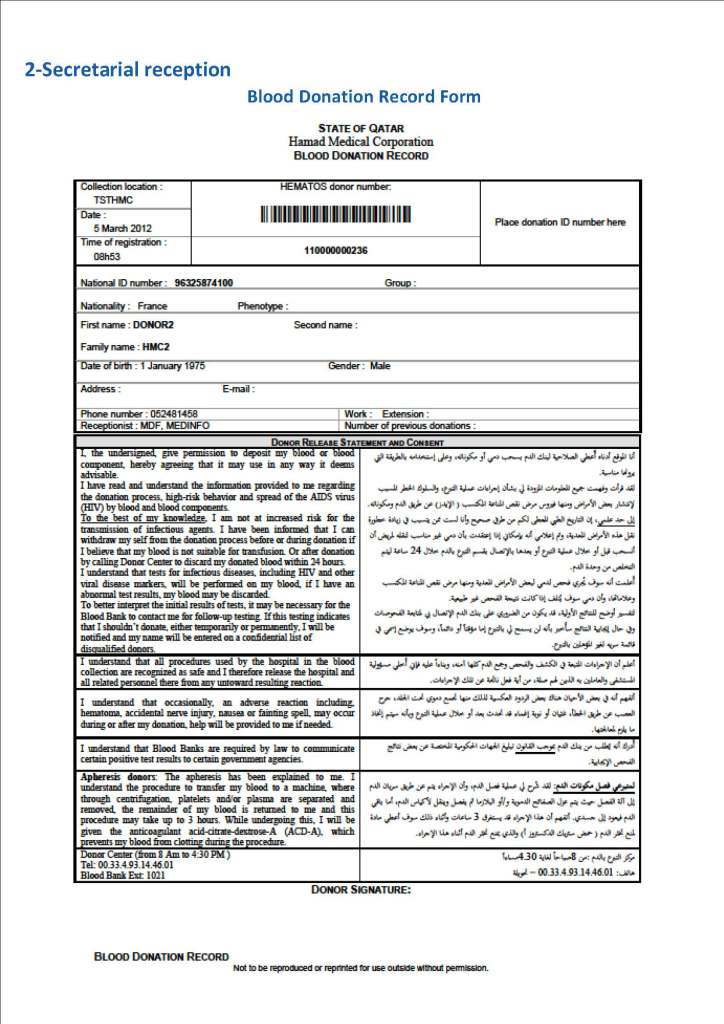
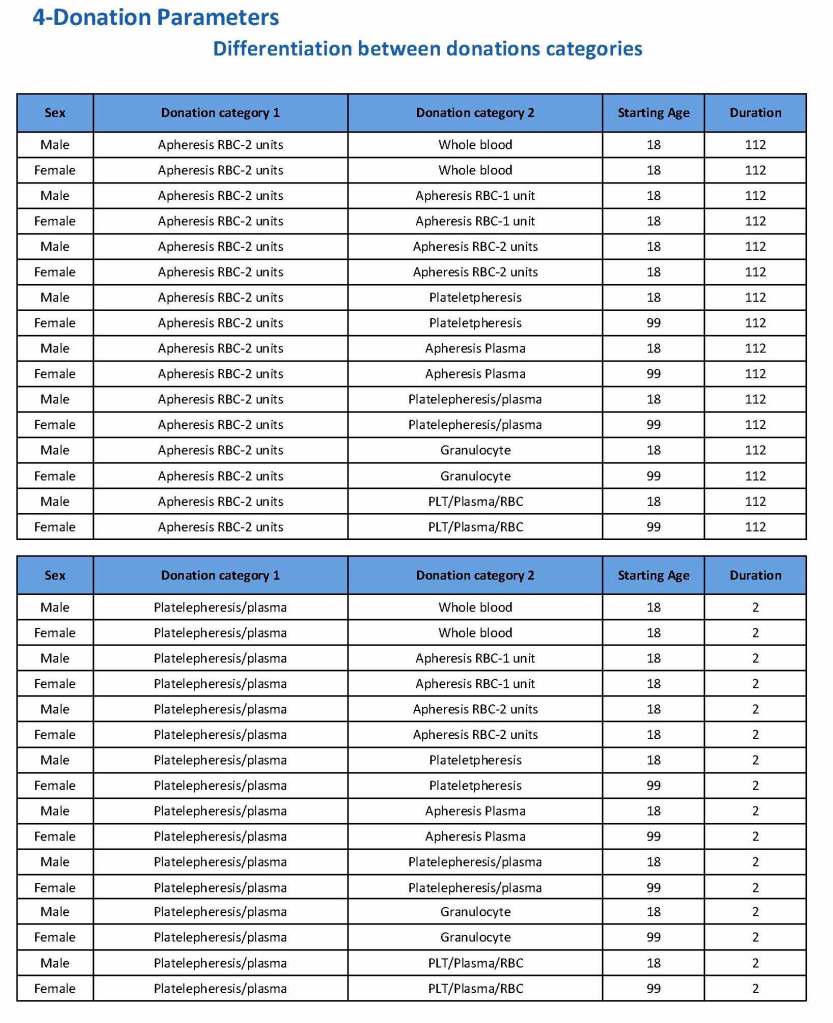
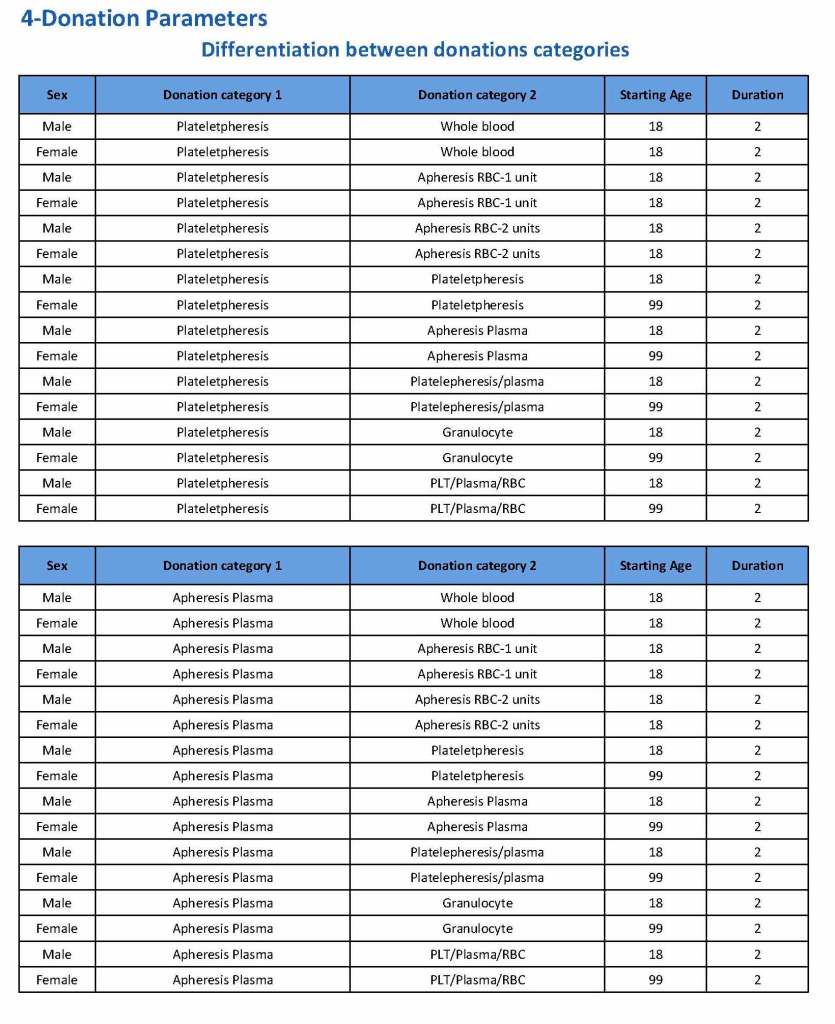
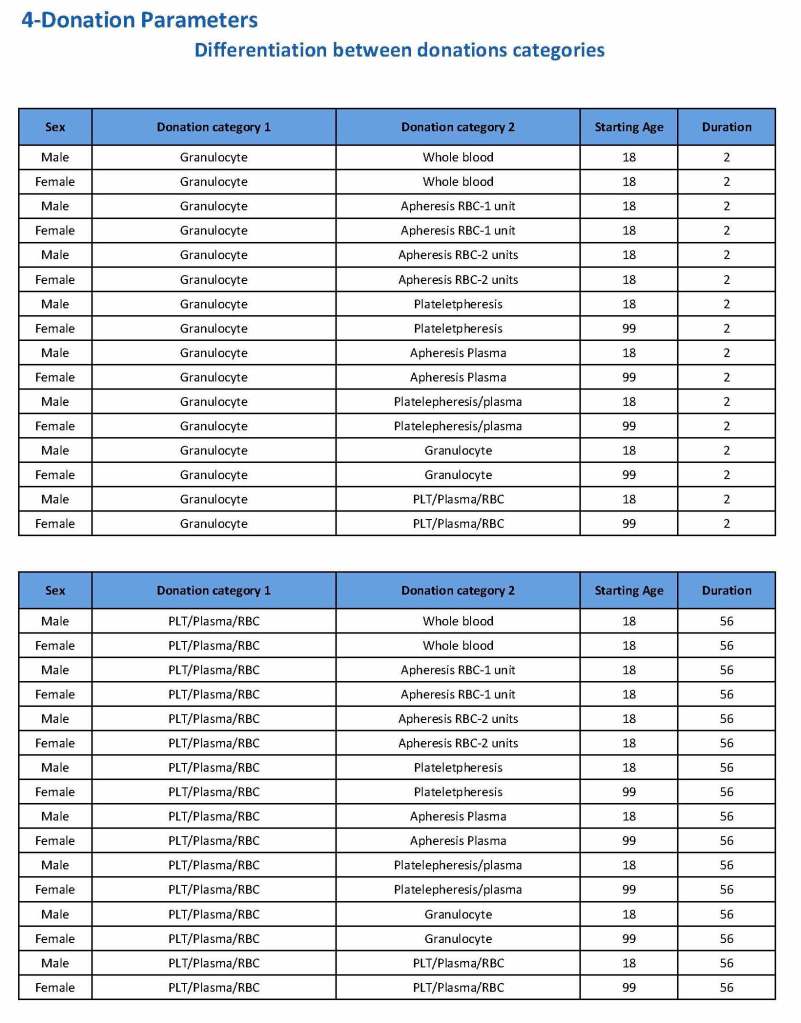
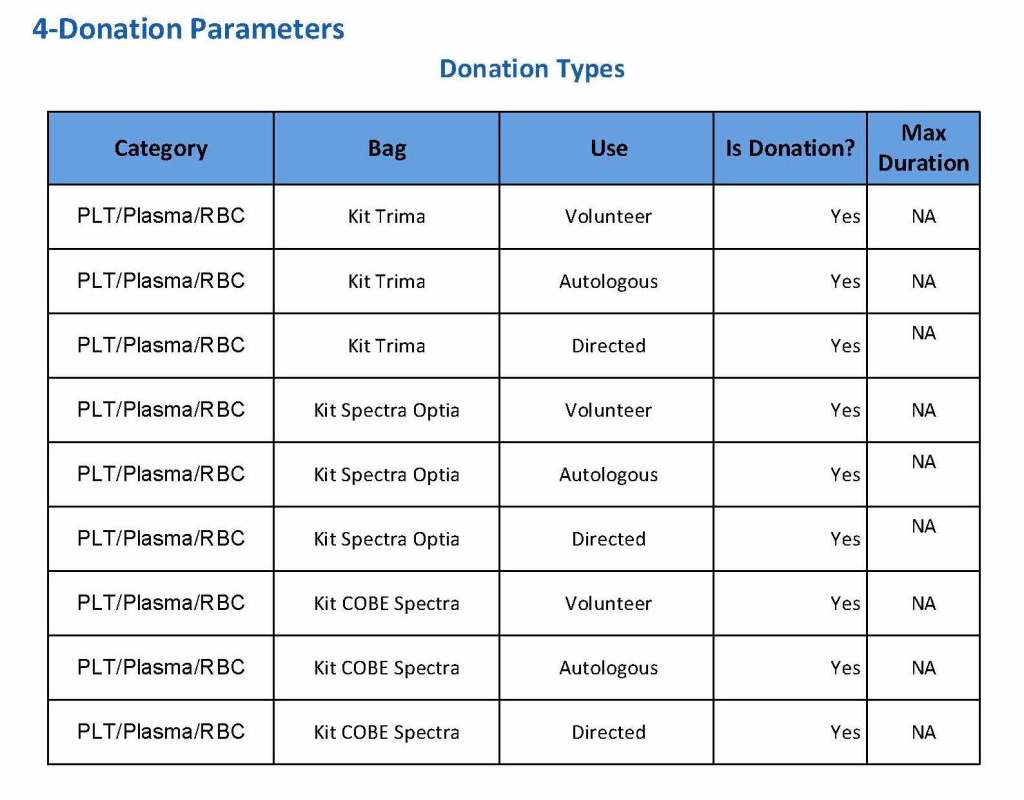
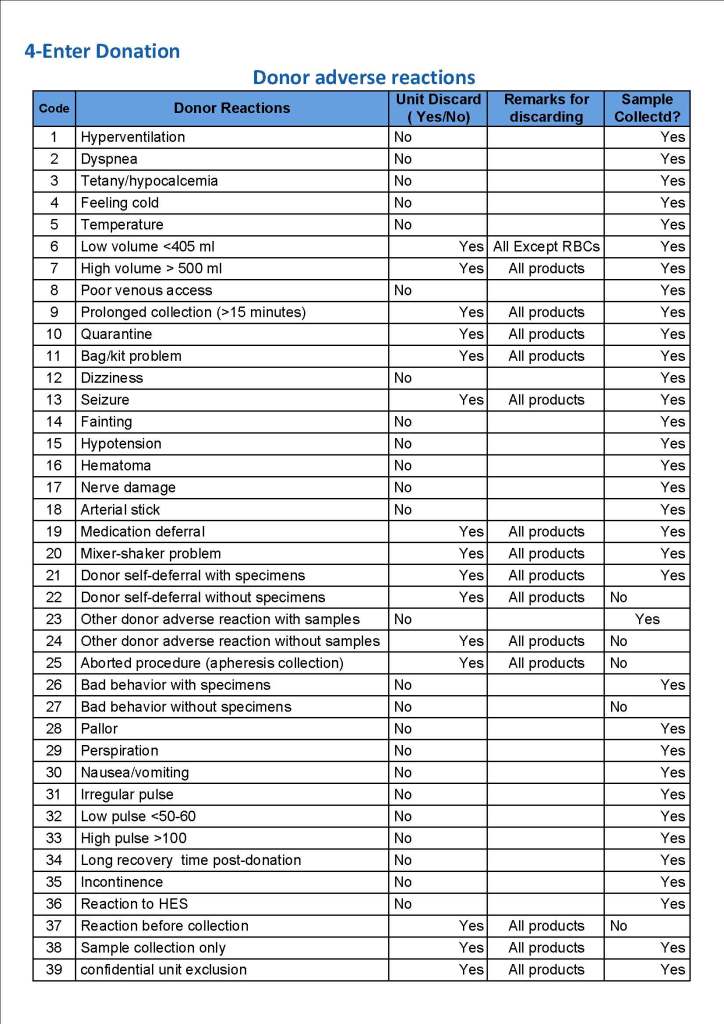
This is a first is a series of detailed posts of how I collaborated with Medinfo (Nice, France) to build customized donor software for both Saudi National Guard Health Services and Hamad Medical Corporation Doha.

In particular, we were using a non-turnkey software which could be built to order.  If we didn’t know what we were currently doing, how could we build something better?

At both sites, we had good manual systems in effect and prepared detailed mapping of the current state.  We reviewed our variance reports to see where we needed to bolster the system and improve the critical control points.

We studied the software options and prepared a draft Medinfo future state from which we started to build the system.  We did this in small stages so we could test it and adjust our settings as needed—without being charged extra (unlike a general laboratory software I had been working with at the same time, which always charged an arm and a leg).

To do this, I engaged early a team of my most computer-literate staff to work as Super Users.  In the Donor Center, this consisted of nurses and technologists.

To Be Continued:

27/7/20

Summary of Accomplishments at HMC 2011-2020

I resigned from HMC on 16/4/20.  Here are a set of my major accomplishments during that period. None of my work after this date has any relationship to HMC.

2011

Established automated component production using Atreus technology, plasma and platelet pathogen inactivation (Mirasol)—made HMC component production Good Manufacturing System GMP compliant

Adopted non-PCR-based NAT technology (Grifols/Novartis Tigress) and Qatar becomes world reference site for this

Based on the above, Qatar can now completely process all whole blood into blood components (red cells, platelets, and plasma) in as little as 5 hours from collection!

2011-2020:

Prepared policies and procedures for the hospital blood banks/transfusion services, blood donor center, therapeutic apheresis, and laboratory information systems to bring HMC in compliance with the Council of Europe, international AABB, and other standards.  I customized our own standards for our local needs based on them.

2012-2013

Implemented custom build of the multilingual blood bank computer system (Medinfo) for both patient and donor services, including development of interfaces to all production equipment including Atreus and Mirasol (world’s first) and a direct link to Ministry of the Interior to obtain patient demographics in English and Arabic—Qatar became the world’s first site to combine fully-interfaced, automated component production with pathogen inactivation:  Qatar becomes world reference site for this.

2013-2014

Built, validated, and implemented laboratory build of hospital information system, Cerner Millennium

2015

Replaced and updated Atreus with Reveos automated component production to allow faster throughput and capacity with a full bidirectional interface (world’s first), introduced platelet-additive solution PAS with pathogen inactivation (Mirasol)—Medinfo interfaces updated to Reveos for all equipment:  this doubles the capacity to process whole blood into components using the same physical space

2015-2019

Updated dedicated blood bank software Medinfo Hematos IIG by several versions using Division Head, LIS, and internally trained Super Users—at great cost savings to HMC by not using outside consultants (e.g. Dell Consulting)

2019

Established column absorption technology using Terumo Optia therapeutic apheresis machine for treatment of ABO-incompatible renal transplants:  I validated using the Ortho Vision MAX to perform ABO antibody titers for this system and correlated it with the reference method at Karolinska Institutet in Stockholm (manual gel) to bring rapid throughput and labor savings—Qatar being the first-site in the world to do this.  We saved money by using the same apheresis machine to use this column absorption technology (no need for second machine to use the columns)

2020

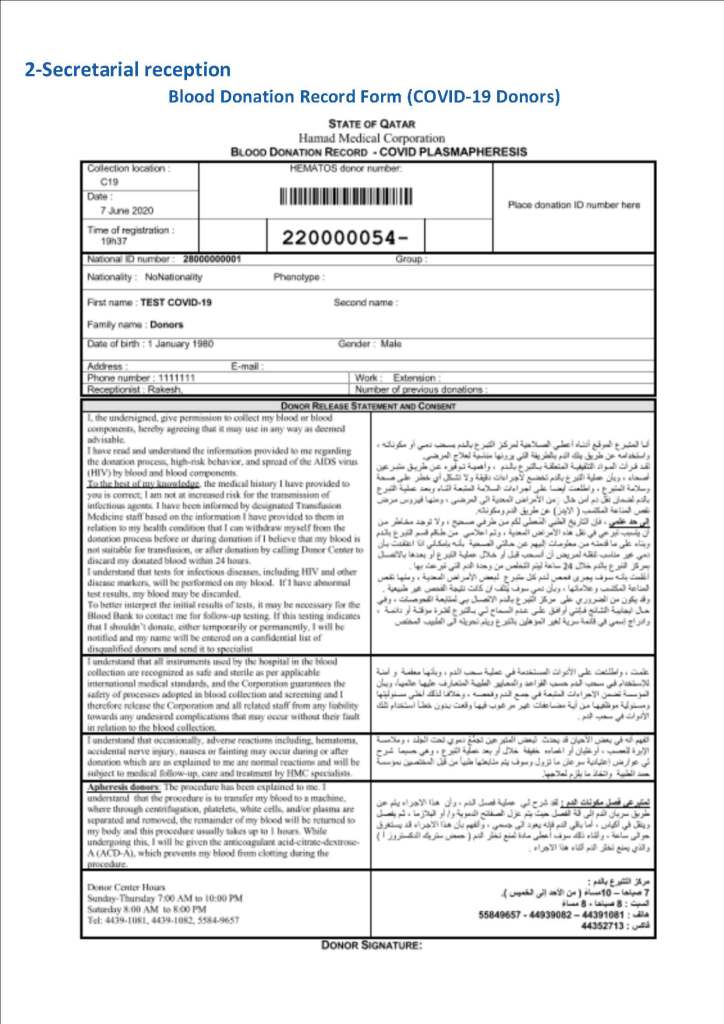
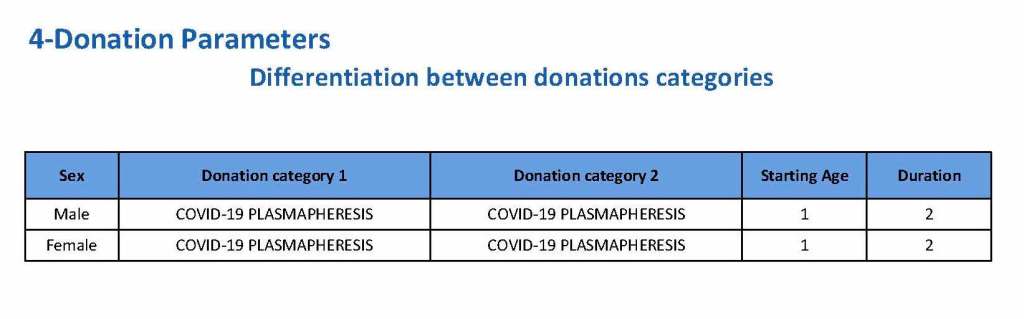
Expedited setup (two weeks total) of COVID-19 convalescent plasma production, initially manual and then fully integrated into the Medinfo computer system as a customized module with separate quarantine collection, production, and transfusion service functions

Other:

I was awarded two HMC Star of Excellence Awards:

2013—Liver Transplantation Transfusion Support

2019—ABO-Incompatible Renal Transplantation Support

TRALI/TACO Policy and Process

The following was my process at HMC Doha for TRALI/TACO.  It includes proactive measures to minimize the risk of TACO and the procedure for surveillance and workup of such cases.

In the Medinfo blood bank computer system, we did not prepare plasma or platelets from female donors.  If approved by a transfusion medicine physician, a manual override was made in exceptional cases (e.g. mother donating platelets for her child in neonatal alloimmune thrombocytopenia cases.).  In some other countries, they do HLA antibody testing to allow females to donate platelets.

I emphasize that the diagnosis of TRALI and/or TACO is clinical, but the transfusion medicine physicians must always consider the possibility whenever there is an adverse effect associated with progressive respiratory distress.

Principle:

Since TACO and TRALI are major causes of serious adverse effects from transfusions, this policy outlines actions being pro-actively taken to mitigate the risks in Transfusion Medicine.  TACO and TRALI may be difficult to distinguish so this policy addresses both.

Objectives:

  1. Implement measures to minimize TRALI and TACO
  2. Track cases of transfusion-associated acute lung injury TRALI and TACO
  3. Develop algorithms for suspected cases of TRALI and TACO

Tracking:

  1. All transfusion reactions are reviewed by the Division Head, Transfusion Medicine or his designee on a STAT basis, 24 hours a day, 7 days a week
  2. Any reactions with respiratory distress are reported as “rule-out TRALI/TAC” to the clinician
  3. All transfusion reactions are recorded in Medinfo HIIG for tracking and reporting.

Risk Management:

  1. Female blood donors routinely are only used for making RBC components (i.e. not for FFP, cryoprecipitate, or platelets).
  2. RBCs are in additive solution SAGM so only 35 ml residual plasma is present per unit.
  3. All platelet components are in platelet additive solution with only 35 ml residual plasma per component.
  4. All platelets and plasma are pathogen-inactivated which may reduce the risk of TRALI.
  5. If the female has a rare phenotype (e.g. IgA deficient, rare platelet antigen typing) she will only be considered for a directed donation of platelets or FFP/cryoprecipitate for that special-needs patient if she does not have HLA antibodies (anti-human-neutrophil antibody testing to be implemented in such cases when it is available on-site).
  6. Solvent-detergent treated plasma SDP is available for patients with a confirmed or suspected history of TRALI.
  7. All cellular components are leukodepleted (< 1E6 residual WBCs/component as per CE Standards) in the blood bank at the time of production.
  8. Blood bank computer system Medinfo Hematos IIG limits the number of components released at any one time (excluding emergencies).

Notifications:

  1. Transfusion Medicine TM will notify the outside blood supplier of any units implicated or associated with TRALI.
  2. A transfusion medicine physician will notify the most responsible physician of any workup results suggesting the possibility of TRALI/TACO.
  3. TM will notify all donors of their disqualification from blood donation based on the following algorithm.

Algorithm for Diagnosis and Management of Donors:

  1. Evaluation of the Donor and Recipient in Suspected TRALI:
    1. The medical technologist will process all transfusion reactions as STAT and immediately contact the TMS Director or physician designate with the results.
    2. The medical technologist will convey information to the TMS Director or designate about ALL blood components issued recently, especially in the last 6 hours prior to the event.
    3. The TMS Director or designate will specifically check if there is evidence of respiratory distress listed on the transfusion reaction investigation form.  If so, he will contact the responsible clinician immediately for further assessment.
    4. If the signs and symptoms suggest ALI (see Table 1 above), the TMS Director or designate will inquiry about the left atrial pressure to rule out left-sided heart failure as a cause for the pulmonary edema.
    5. Based on the clinical information, the TMS Director or designate may elect to order any or all of the following tests if available:
      1. Quarantine all remaining components from possibly implicated/associated donor(s) while the workup is in progress.
      2. Recipient HLA, platelet, and/or granulocyte antibody screen, or a crossmatch between recipient plasma/serum and donor leukocytes
      3. Donor HLA and/or platelet antibody screen, granulocyte antibody screen, crossmatch donor plasma/serum and recipient leukocytes, inter-donor crossmatch between plasma/serum of one and leukocytes of another donor.
      4. The usual algorithm to be followed is as follows:
        1. Consult patient medical record and clinical care physician to determine if the diagnosis of TRALI is likely.
        2. Check all components transfused within 6 hours prior to the onset of symptoms.’
        3. Immediately quarantine other components from the same donations and contact outside blood suppliers if indicated.
        4. Obtain donor antibody testing of only highly suspect cases, based on the clinical manifestation and initial diagnostic tests:
          1. If multiple units transfused within hours, only investigate components donated by multiparous females and/or last two units transfused.
          2. First test for presence of HLA class I and class II antibodies in donor components.
          3. If antibody positive, HLA type recipient’s lymphocytes to detect corresponding antigen or perform crossmatch with donor plasma and recipient lymphocytes.
          4. If HLA antibody negative, proceed with neutrophil-specific antibody testing of donor plasma.
        5. If matching antigen-antibody identified or if positive crossmatch, defer implicated donor immediately.
        6. If no such concordance found or if crossmatch is negative, donor eligible to continue donating.
        7. If no antibodies found in donor plasma, test recipient plasma for antibodies to HLA class I and II antigens:
          1. If recipient antibody positive, HLA type donor’s lymphocytes to detect corresponding antigen or perform crossmatch with recipient plasma and donor lymphocytes.
          2. If recipient HLA antibody negative, proceed with neutrophil-specific antibody testing of recipient plasma
  2. Donor Disposition:
    1. For donors implicated in TRALI or associated with multiple events of TRALI, one or more of the following options may be selected at the discretion of the Head, Transfusion Medicine or designate:
      1. Defer donor from donation
      2. Divert plasma for fractionation or discard plasma from future whole blood donations from that Blood and Apheresis Donor Main Questionnaire
      3. Manufacture no platelet or plasma components from that donor
      4. Wash or freeze/deglycerolize RBCs from that donor
      5. Permanently defer the donor from future plasmapheresis or plateletpheresis donations
      6. Evaluate the previous donations from that Blood and Apheresis Donor Main Questionnaire  Avoid giving the same recipient future transfusions from the same donor implicated in TRALI
      7. If the implicated unit(s) are from another facility, that blood center should be notified to initiate a workup for possible TRALI in the donor.
  3. Interpretation:
    1. The diagnosis of TRALI is not clear-cut:
      1. The AABB interim standard does not apply.  It is at the discretion of the TMS Director or designate whether to conduct donor assessments.
    2. The donor is associated with a single event of TRALI:
      1. This applies where the diagnosis of TRALI has been established based on clinical and radiographic findings:
      2. Each donor from each and every component associated with TRALI must be identified and traced.
      3. Co-components from the current donation and components from previous donations should be evaluated for recipient complications.
      4. The donors medical history should be evaluated for previous pregnancies, transfusions or other events that may have resulted in antibody development.
      5. Based on the results of this investigation, the Head, Transfusion Medicine or designate should decide:
        1. Whether to perform laboratory testing
        2. Whether to discard the remaining blood components from the donor
        3. Whether to allow or indefinitely defer the donor
    3. The donor is associated with multiple events of TRALI:
      1. This applies where the diagnosis of TRALI has been established based on clinical and radiographic findings:
      2. Each donor from each and every component associated with TRALI must be identified and traced.
      3. Co-components from the current donation and components from previous donations should be evaluated for recipient complications.
      4. The donors medical history should be evaluated for previous pregnancies, transfusions or other events that may have resulted in antibody development.
      5. Based on the results of this investigation, the TMS Director or designate should decide:
        1. Whether to perform laboratory testing
        2. Whether to discard the remaining blood components from the donor
        3. Whether to allow or indefinitely defer the donor
    4. Triage based on laboratory testing for TRALI:
      1. The donor associated with TRALI is antibody-negative:
        1. The donor may continue to donate.
      2. The donor associated with TRALI is antibody-positive but the specificity is NOT directed against a recipient antigen by either antigen typing or crossmatching (i.e. the donor is NOT implicated in TRALI—see definition above):
        1. Indefinitely defer the donor from all donations OR
        2. Allow donation of washed/frozen-deglycerolized RBCs only
      3. The donor is implicated in TRALI (see definition above):
        1. Indefinitely defer the donor from all donations OR
        2. Allow donation of washed/frozen-deglycerolized RBCs only
      4. The recipient has antibodies implicated in TRALI (determined by crossmatch or antibodies directed against specific HLA class I, HLA class 2, and/or human neutrophil antigens):
        1. The recipient must receive leukodepleted blood components
    5. TACO
      1. TACO is due to cardiac overload.  Our mitigations are to restrict release of the number of components outside emergency events.

References:

  1. AABB Association Bulletin 14-02, TRALI, Bethesda, MD, USA
  2. Han Y. and Goldfinger D., Transfusion Medicine TM 07-5 (TM-297) Checksample, American Society for Clinical Pathology, Chicago, IL, USA. July 2007
  3. Goldman M, Webert, KE, Arnold DM, et al., Transfusion Med Rev  2005; 19:2-31.
  4. Fung YL, Goodison KA, Wong JK, Minchinton RM., Investigating Transfusion-Related Acute Lung Injury (TRALI), Intern Med J. 2003 Jul;33(7):286-90.
  5. Standards for Blood Banks and Transfusion Services, Current Edition, AABB, Bethesda, MD, USA
  6. AABB Association Bulletin #05-09, Transfusion-Associated Acute Lung Injury, 11/8/05
  7. AABB Association Bulletin #05-04, Proposed Interim Standard for Deferral of Donors Implicated in TRALI, 9/3/05.
  8. TRM.42110, CAP Transfusion Medicine Checklist, 15/6/09

Zika Virus Donor Screening

Principle:

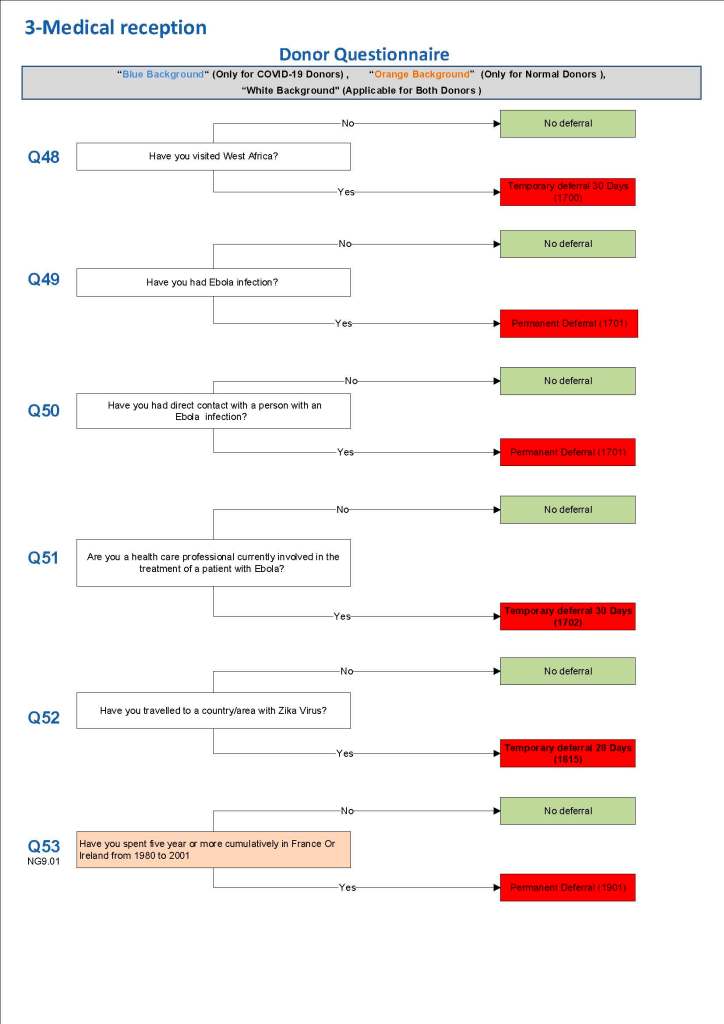
The flavivirus Zika virus can be transmitted through mosquito bites from Aedes aegypti and Aedes albopticus species.  The outbreaks have been associated with severe birth defects, especially CNS (microcephaly).  Although it is not clear if it can be definitely transmitted by blood transfusion, major international organizations, UK National Health Service,  World Health Organization, and the American Red Cross have instituted temporary deferrals for travelers from those affected areas.

Change Log:

This bulletin reflects recommendations made by the FDA Bulletin dated 1/3/16, FDA issues recommendations to reduce the risk of Zika virus transmission by human cell and tissue.

Policy:

  1. Travel History:

As part of the usual screening questionnaire, donors must be asked if they have travelled to an affected area (refer to http://www.cdc.gov/zika/geo/index.html or http://wwwnc.cdc.gov/travel/page/zika-information).

  1. If so, then they are to be temporarily deferred from blood donation for 28 days upon leaving that area.
    1. A specific question about Zika travel history is now active in the Medinfo Hematos IIG questionnaire.
  2. Clinical Symptoms:
    1. Donors should be asked if they have now or within the past 28 days had any of the following symptoms:
      1. Fever
      2. Rash
      3. Joint Pain
      4. Conjunctivitis (red eyes)
      5. Muscle Pain
      6. Headache
    2. If a donor has any of the above symptoms, they should be deferred for 28 days from blood donation after visiting the Blood Donor Center.
  3. Sexual History:
    1. Blood donors should be deferred for 28 days after the last sexual contact with a man who has been diagnosed with Zika virus or who traveled to or resided in an area with active transmission of Zika virus in the 3 months prior to that instance of sexual contact.
  4. Re-entry of blood donor after deferral:
    1. Defer for 4 weeks after the resolution of symptoms a donor with a history of Zika virus infection.
    2. A deferred donor may be considered eligible after the deferral period has lapsed provided that all donor eligibility criteria are met.
  5. Cellular product and other tissue donors:
    1. Living Donors of Cellular and Tissues:  Donors should be considered ineligible if they were diagnosed with Zika virus infection, were in an area of active Zika virus transmission, or had sex with a male with either of those risk factors within the past SIX (6) months.
    2. Donors of umbilical  cord, placenta, or other gestational tissues should be considered ineligible if they have any of the above risk factors at any point in their pregnancy
    3. Deceased (non-heart beating) donors:  Donors should be considered ineligible if they were diagnosed with Zika virus infection within the past SIX (6) months

References:

  1. Center for Biologics Evaluation and Research CBER Guidance for Industry Recommendations for Donor Screening, Deferral, and Product Management to Reduce the Risk of Transfusion-Transmission of Zika Virus, February 2016
  2. AABB Association Bulletin #16-03 Zika, Dengue, and Chikungunya Viruses,
  3. Blood Banks Establish Waiting Period For Prospective Donors Returning From Zika-Affected Areas, AABB Newsbrief, 4/2/16
  4. FDA Bulletin 1/3/16, FDA issues recommendations to reduce the risk of Zika virus transmission by human cell and tissue.
  5. Zika travel information. Centers for Disease Control and Prevention website. http://wwwnc.cdc.gov/travel/page/zika-travel-information, 16/2/16
  6. U.S. CDC Issues Zika Travel Advisory for 11 Southeast Asian Countries, Medscape, 1/10/16

Prepared By:

Zeyd Merenkov, MD, FCAP, FASCP

Senior Consultant/Head, Transfusion Medicine/LIS

Processes and Software Building 9: Enforcing GMP

Enforcing Good Manufacturing Process Through A Dedicated Blood Bank Software

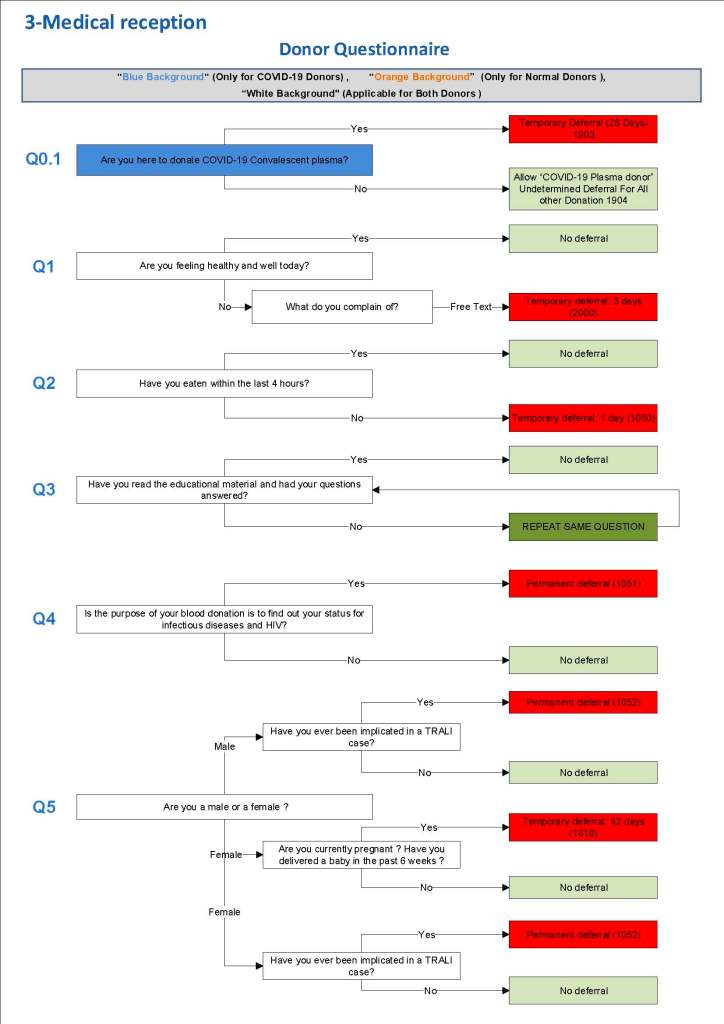
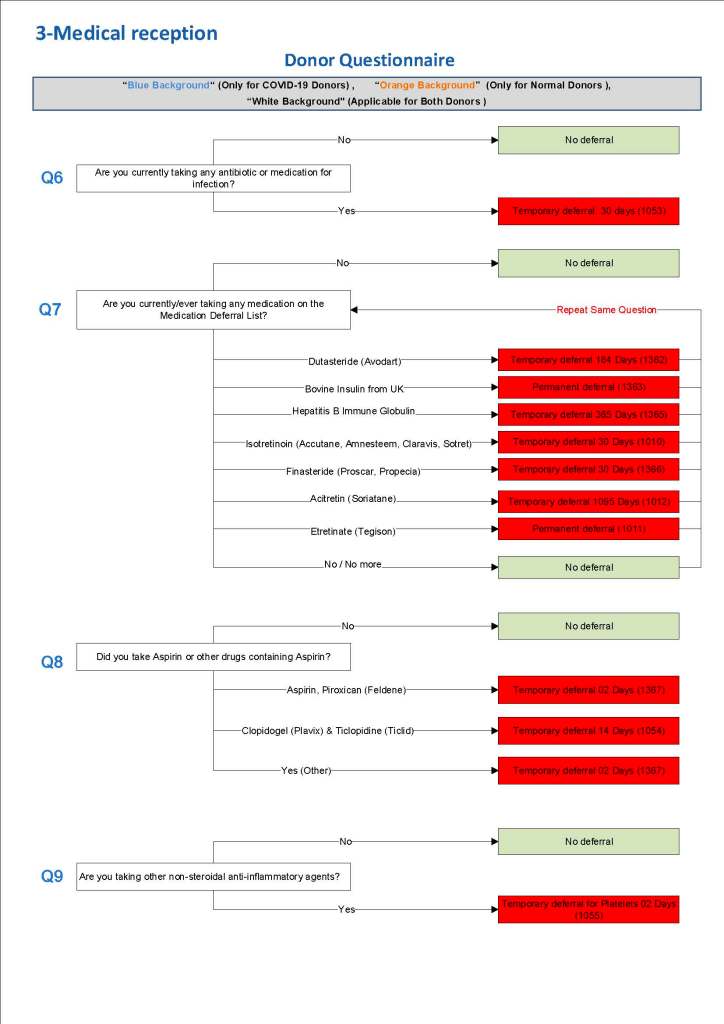
Blood components are a drug and like medications must be consistently produced and follow Good Manufacturing Practices GMP.  The following system that I set up for HMC Doha Qatar blood collection and processing is an example of the impact of Medinfo donor software on enhancing our safety and GMP compliance.  In earlier posts, I provided the Medinfo flowcharts for these processes.

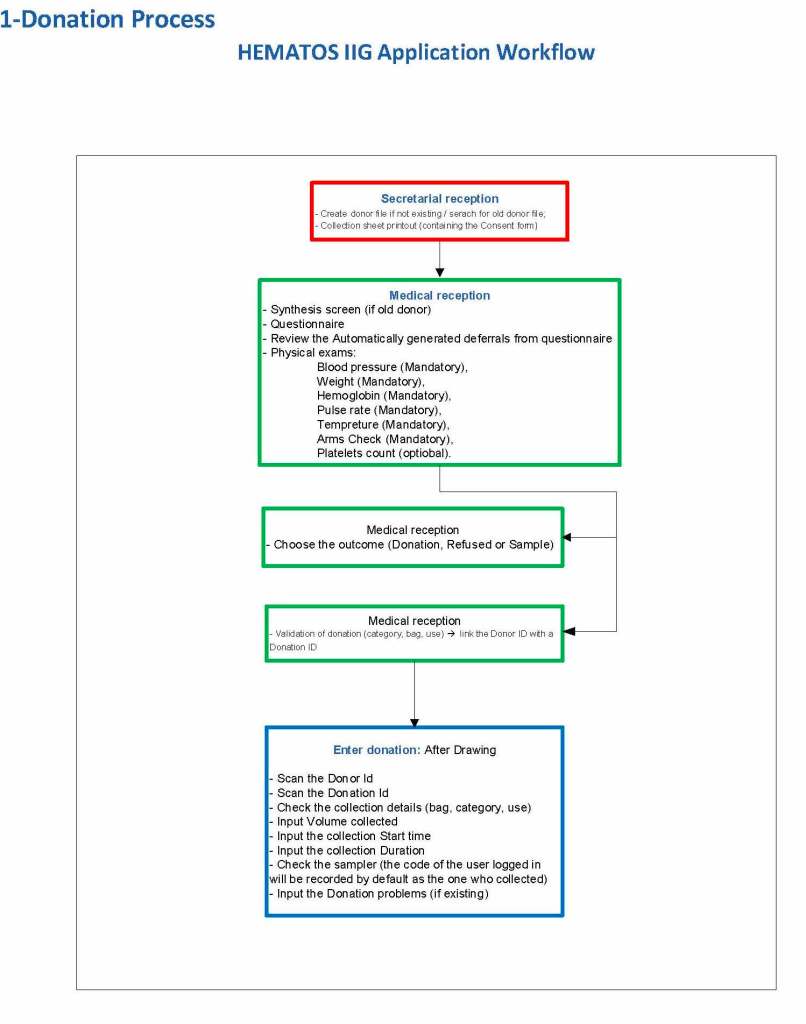
This is an outline of the processes I built in conjunction with the Medinfo software engineers:

  1. Registration:
    1. Read the barcode on the specified picture ID (usually a Qatar Residency/Citizen card).
      1. Retrieve the prospective donor’s demographics in English and Arabic from the Ministry of Interior.
      2. Check the donor deferral database (Qatar has only one), defer if contraindicated according to the rules built into Medinfo.
    2. Choose the type of donation (apheresis or whole blood;  volunteer, directed, or autologous).
    3. Print a consent form and ISBT specimen labels for the donation.
  2. Pre-Collection Screening:
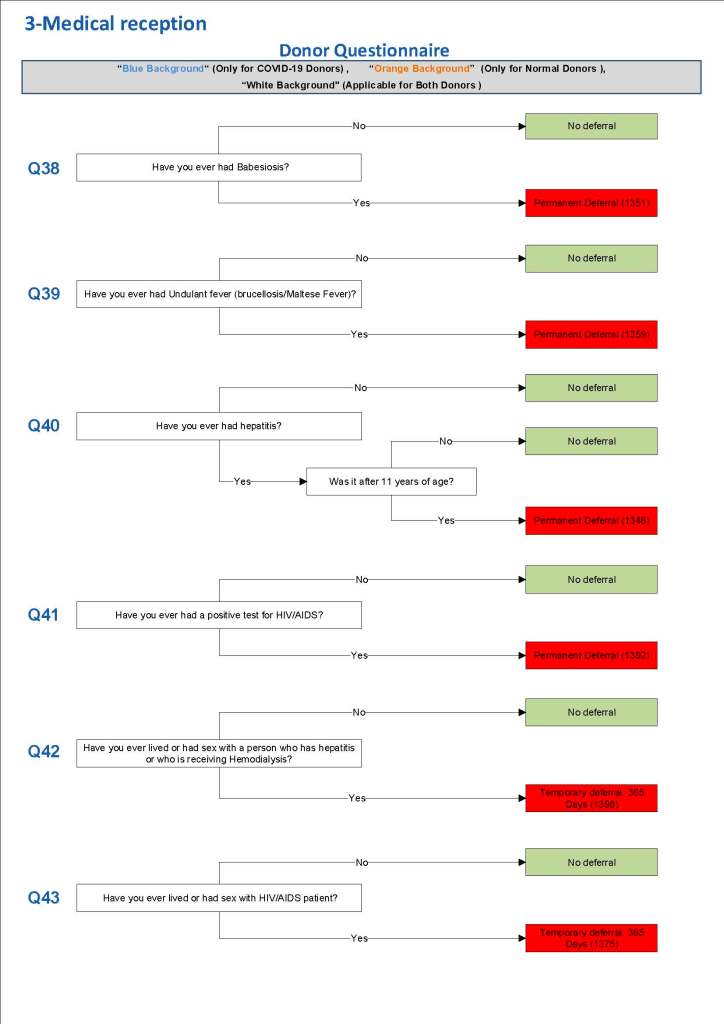
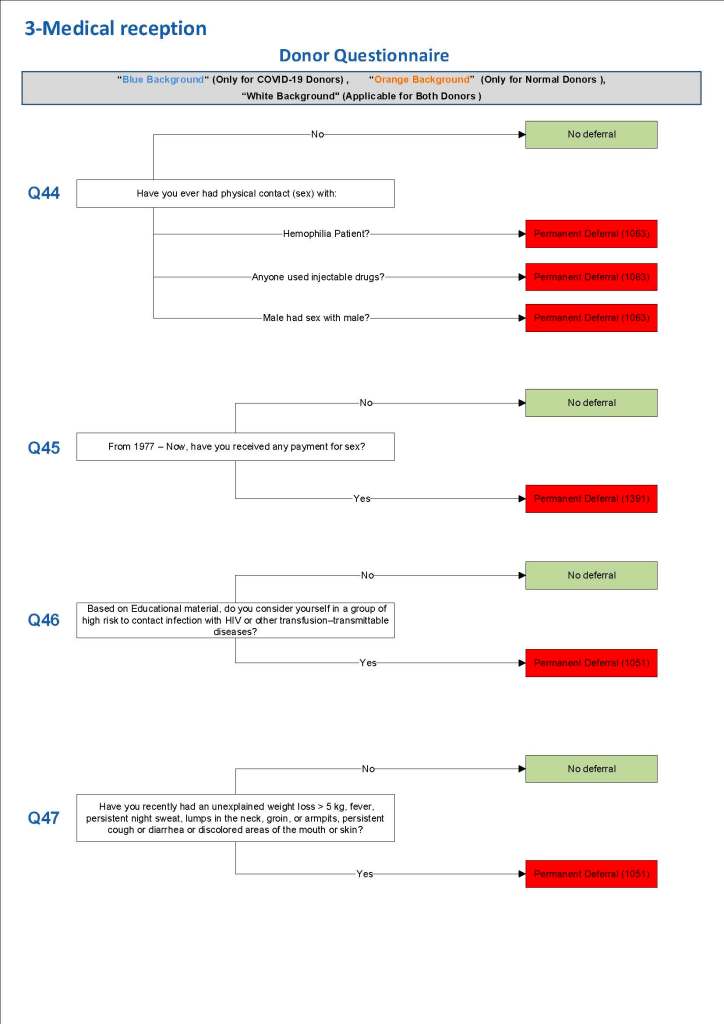
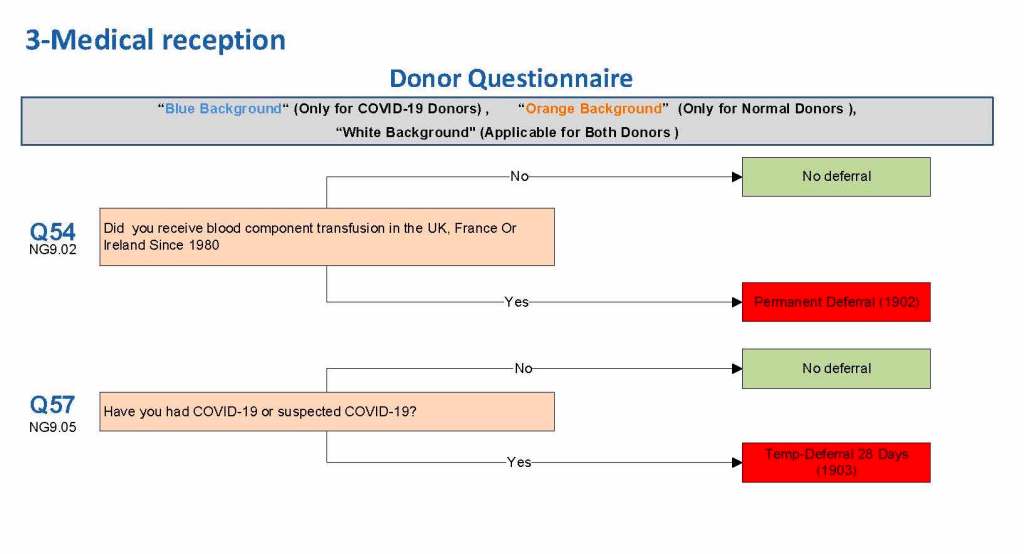
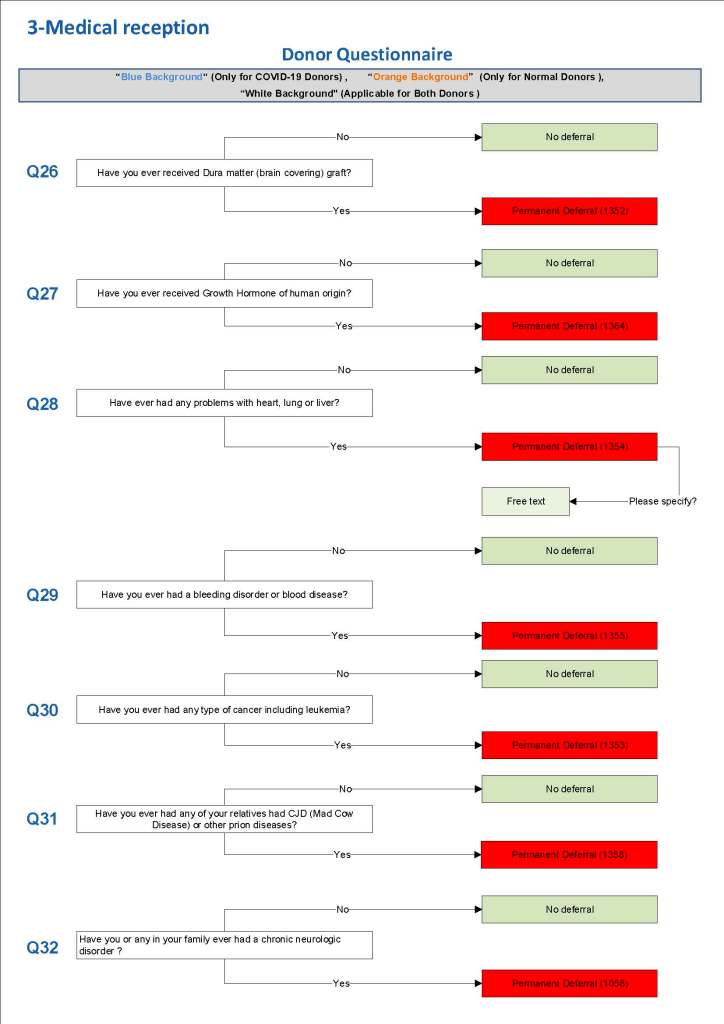
    1. Perform the donor questionnaire on-line in English or Arabic:  this has contingent fields and could exceed 60 questions depending on the answers provided.
    2. Proceed to donor physical exam (vital signs and arm check).
  3. Collection:
    1. Collect the whole blood or apheresis component and specimen tubes:  determine if the collection meets the volume requirement and time limit.
    2. Send the specimens for donor marker and donor immunohematology testing.
    3. Send the raw components for processing.
  4. Donor Marker Testing:
    1. Perform NAT, EIA, and LIA marker testing according to algorithms defined in Medinfo.
    2. Perform follow-up reflex marker testing according to Medinfo criteria.
  5. Component Processing:
    1. Process the raw whole blood in the Reveos machine into PRBCs, leukodepleted plasma, and buffy coat platelets.
    2. Filter/leukodeplete the RBCs.
    3. If marker test results pass:
      1. Pool the buffy coat platelets according to the platelet yield index for a yield of 2.4E11/dose.
      2. Add platelet additive solution PAS and pathogen inactivate (Mirasol).
      3. Pathogen inactivate the whole-blood-derived plasma.
      4. Divide the apheresis plasma into 200-250 ml aliquots and pathogen inactivate.
    4. Divide the apheresis platelets to provide a yield of 2.4E11 in each dose, then pathogen-inactivate (PAS had been added at the time of the apheresis collection).
  6. Donor Immunohematology Testing:
    1. Perform ABO/D testing and antibody screen (identification if positive):
    2. If antibody screening positive, discard the component.
      1. If ABO discrepancy, send for manual review and approval, otherwise discard.
  7. Labelling, Storage, and Transfer:
    1. If all criteria were met, attach the final ISBT label (this can only be printed based on the acceptance of each component).
    2. Place the components into storage (37C, 1-6C, or <= minus 18C).
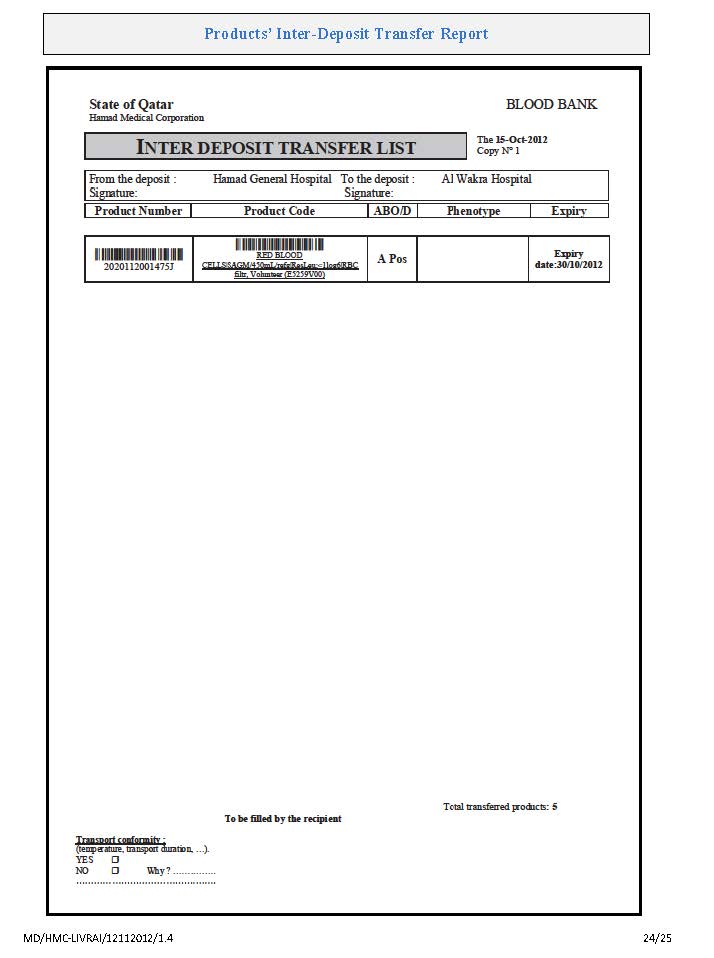
    3. Distribute to the hospital blood banks using Inter-Depot Transfer function.

I emphasize that only if all criteria across all areas pass is the final ISBT label printed.  Medinfo is not a label printing program.  It enforces the rules ruthlessly.  My technical staff tell me that it is merciless—as it should be for patient safety.

Attachments:  None—please refer to earlier posts regarding collection, processing, donor testing, and inter-depot transfer.

28/6/20

Inter-Depot Transfer: Further Thoughts

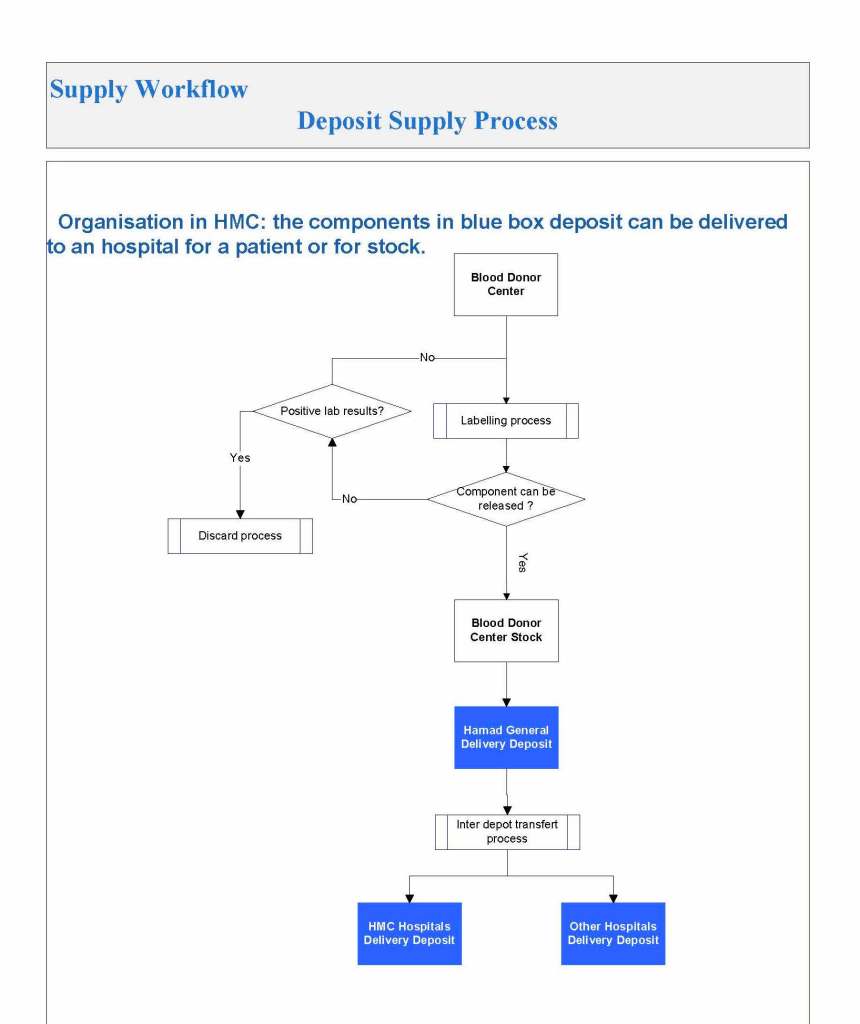
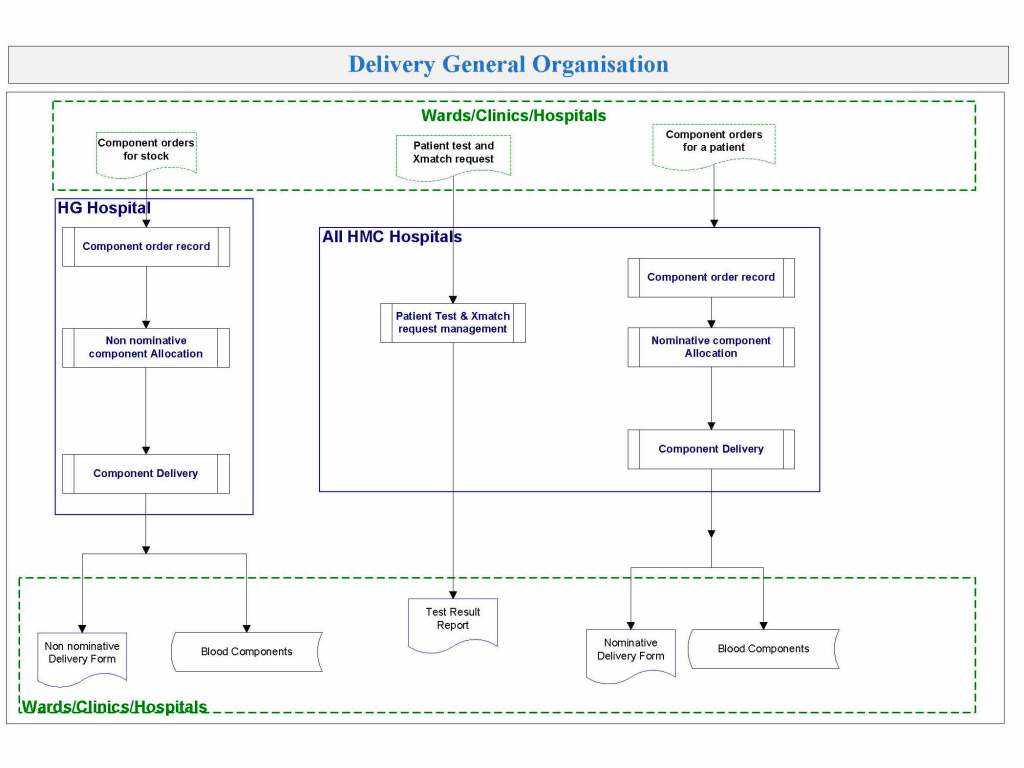
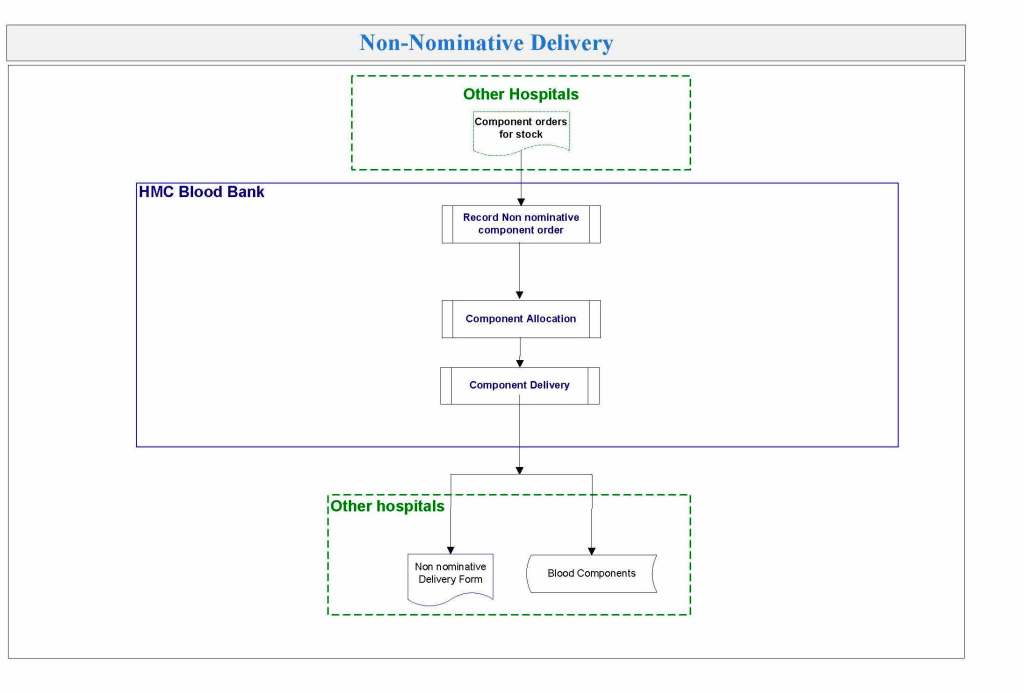
In my recent post, I provided sample flows and parameter mapping for delivery of blood components.  The final components from the component preparation center may be sent to various depots (freestanding location and/or hospital blood banks.  There should be complete traceability for every step (from donor reception, collection, testing, and processing) transport between locations, and finally the exact storage site, which might include which refrigerator/freezer/incubator and even shelf/position number for each component is stored.  The end of that document showed rules for type/antigen matching.

For disaster planning, rapid inventory enumeration by type is very important.  This can be very time-consuming manually.  With our Hematos blood bank system, we could quickly get total inventory across the Qatar or by hospital in less than one minute.  We could also quickly find antigen-matched units across the system and reserve it at any one site for another if necessary.

Smart blood bank dispensing refrigerators, as offered by Haemonetics and Angelatoni, may also serve as depots and take the place of a hospital blood bank for some dispensing.  These solutions can also capture vital information about the storage conditions of the components and prevent release if the storage criteria are not met.  They can also interface with blood bank computer systems and use the main system’s logic for the dispensation rules.

Upon receipt at the hospitals from the blood processing center, the forward ABO and D typing must be confirmed.  We used D reagents which detected partial D so that we would call such donor units as D-positive.  However, if a patient type reagent insensitive to partial D types were used, it is possible for a unit to be typed as D-negative whereas in the donor center it might be D-positive.  Sometimes, nothing types consistently as D-positive:  all you can say is that with a particular reagent and lot number, there is or isn’t reactivity.

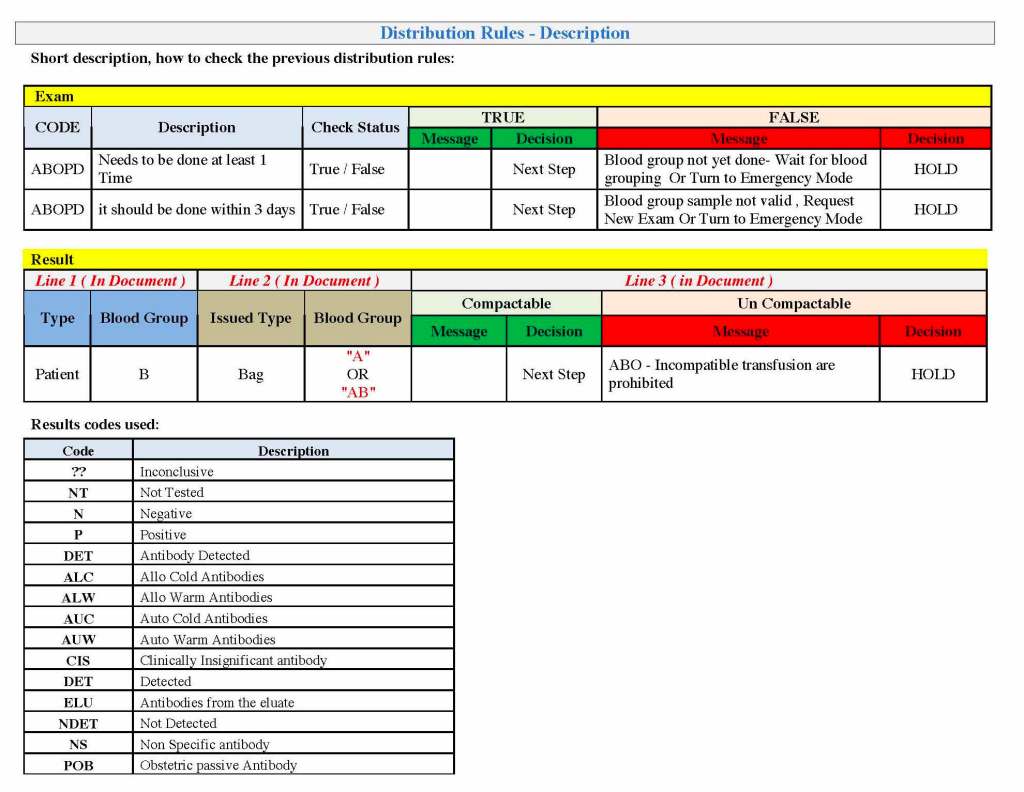
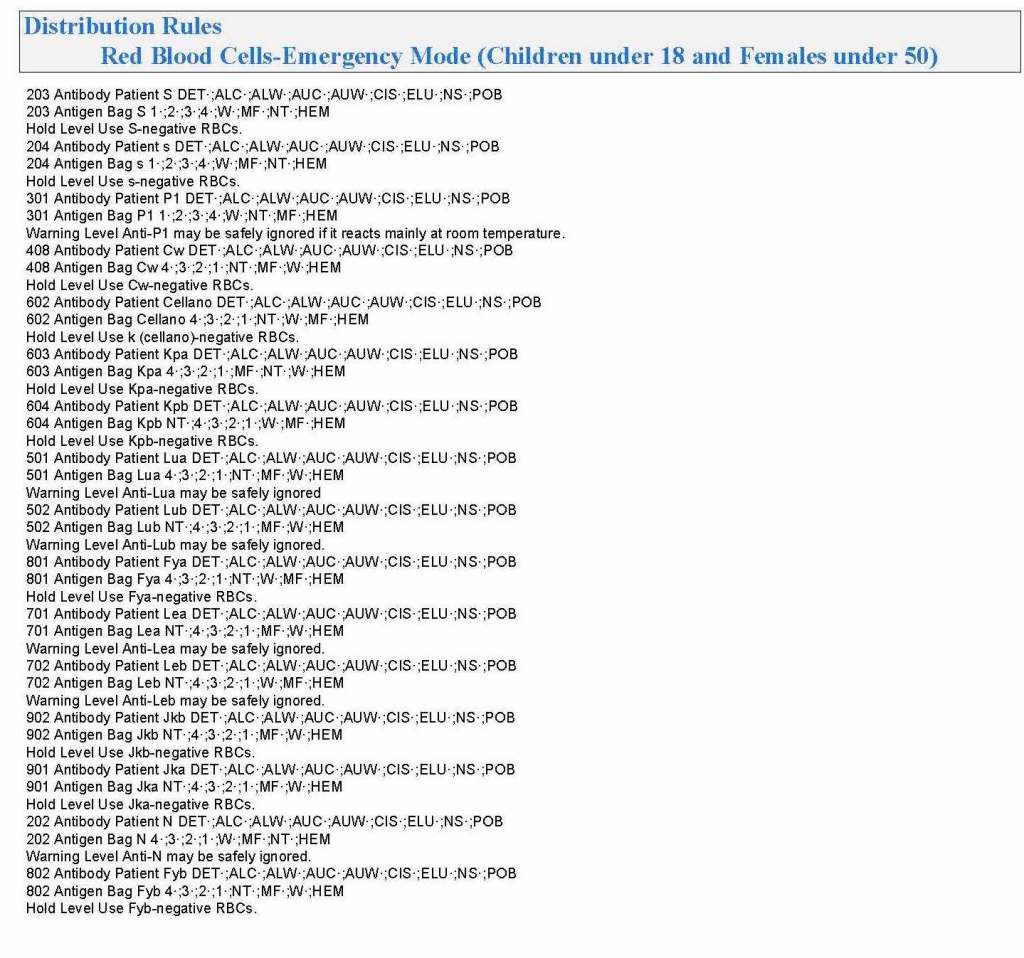
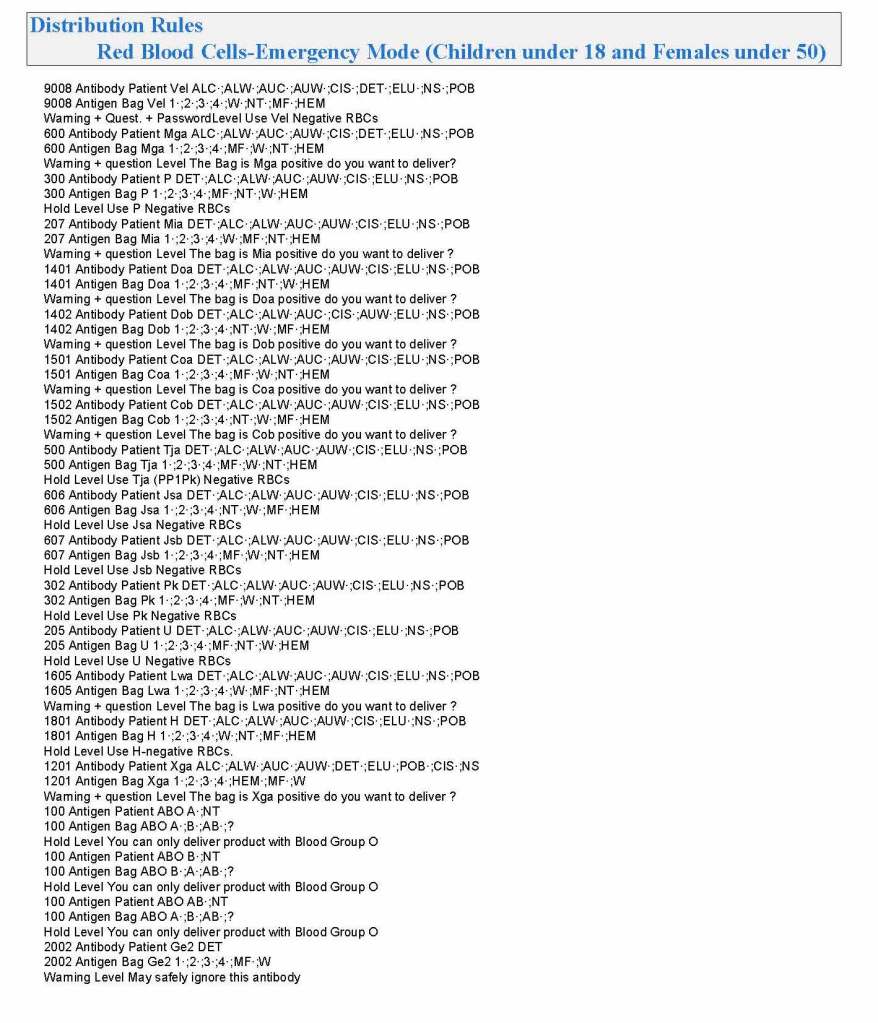
The greatest complexity is for RBCs since potentially so many antigens exist.  Criteria for matching/ignoring certain antigens must be made.  Critically significant antibodies such as the Kell, Duffy, Kidd, and certain Rh (D and c) must be antigen matched.  A robust blood bank computer system can enforce these rules.

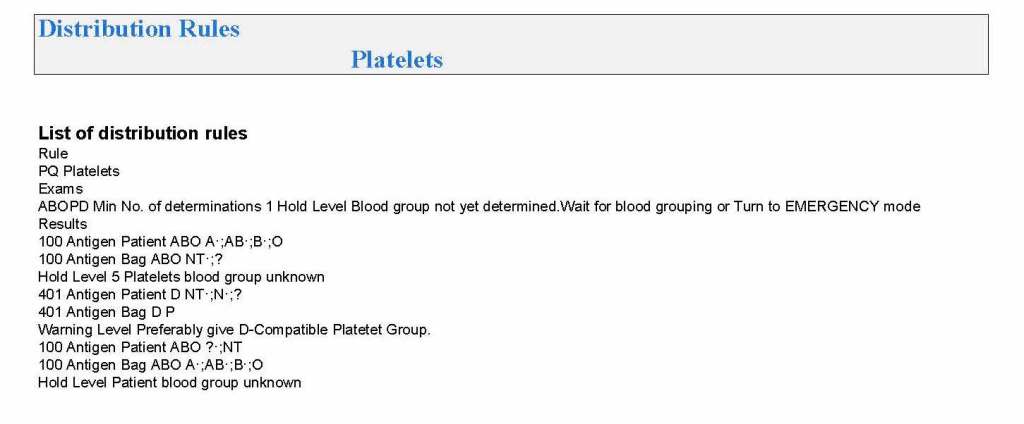
For other components, antigen/typing may be less important.  In fact, in most situations, any type of platelets can be given to anyone (except neonates).  Despite the potentially incompatible plasma, there is rarely significant hemolysis.  In fact, if pooling platelets without regard to blood types is done, a platelet transfusion is a common cause of a positive direct antiglobulin test DAT—something that is not clinically significant.  No one died of a positive DAT by itself for this reason.

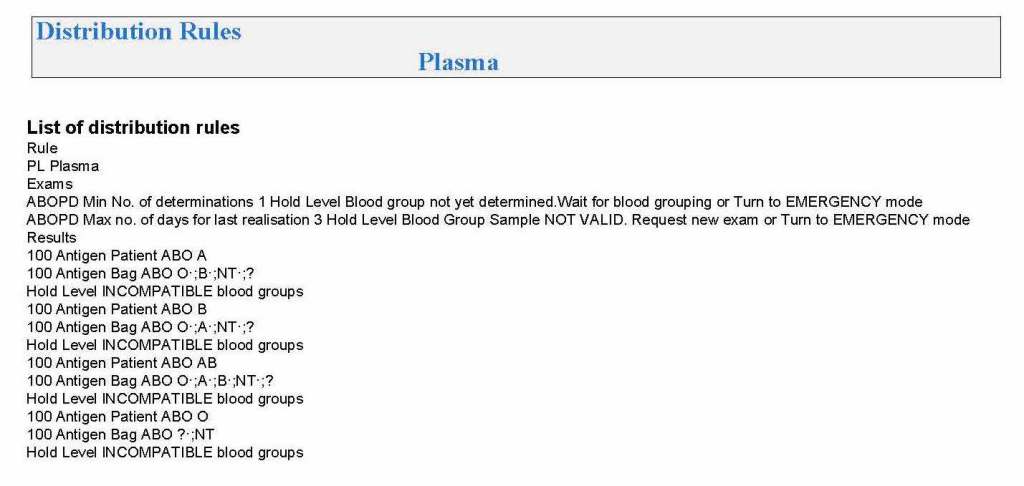
Specific rules for compatible plasma types are important, but nowadays, low-titer group A plasma may be used like universal AB plasma.  The challenge is to be able to perform the ABO titration (specifically anti-B) quickly—titration can be a slow process, even with automated equipment.  A similar situation for low-titer, universal group O whole blood requires both anti-A and anti-B titration (I will return to this topic in a future post).

Overview: Inter-Depot Transfer and Allocation of Blood Components

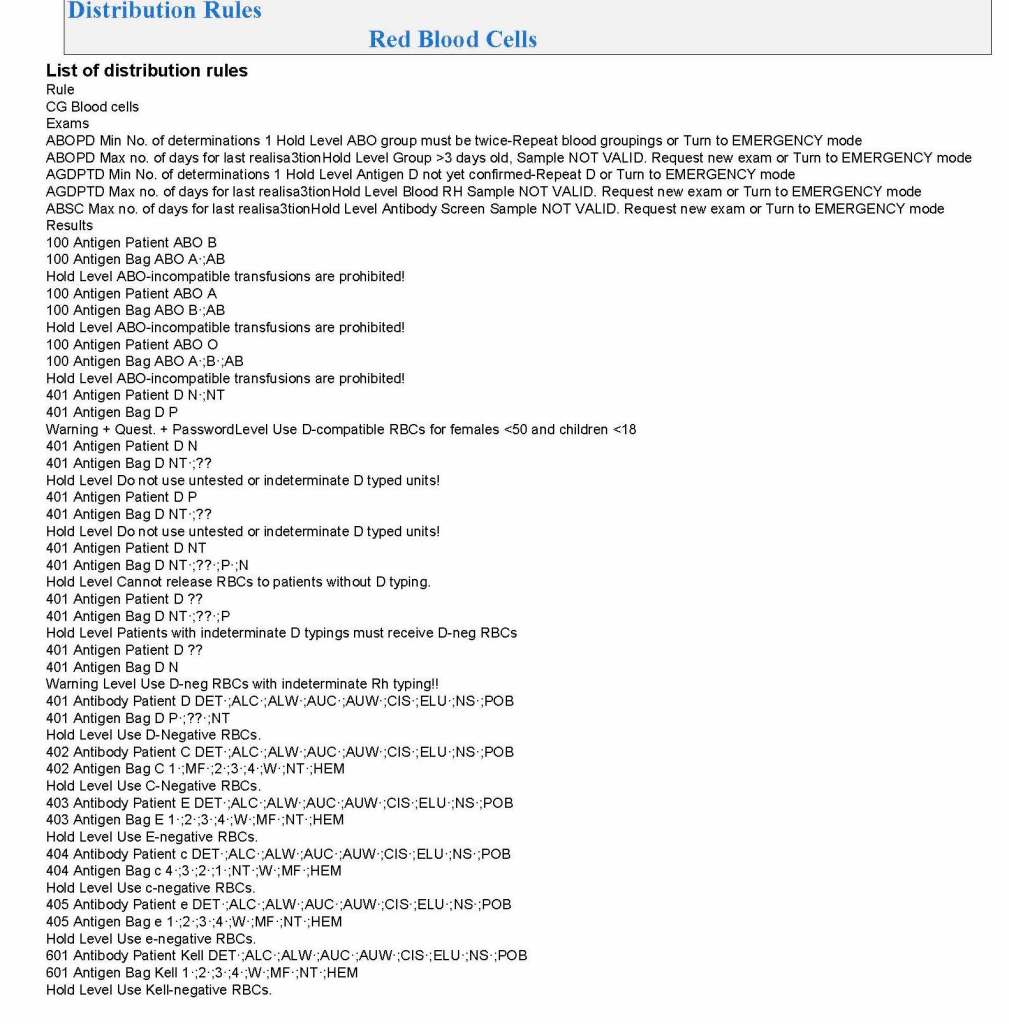
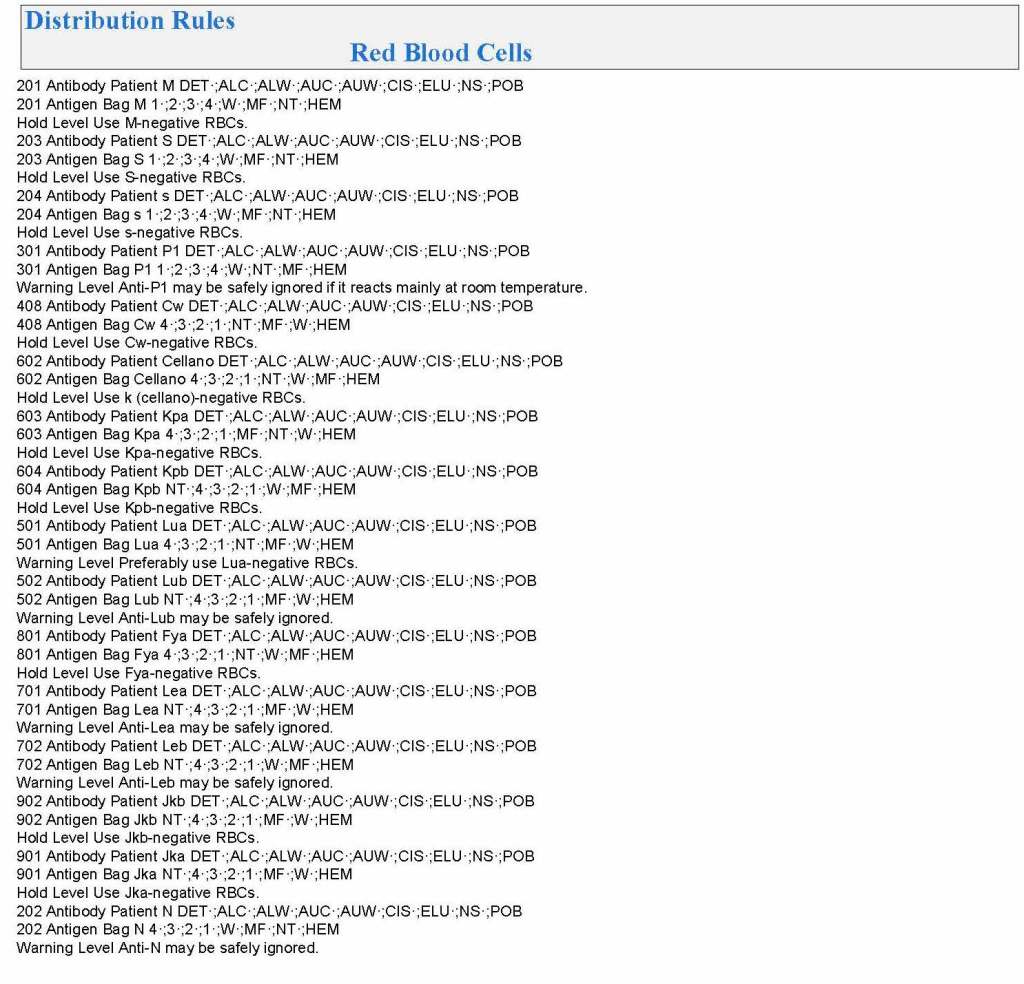
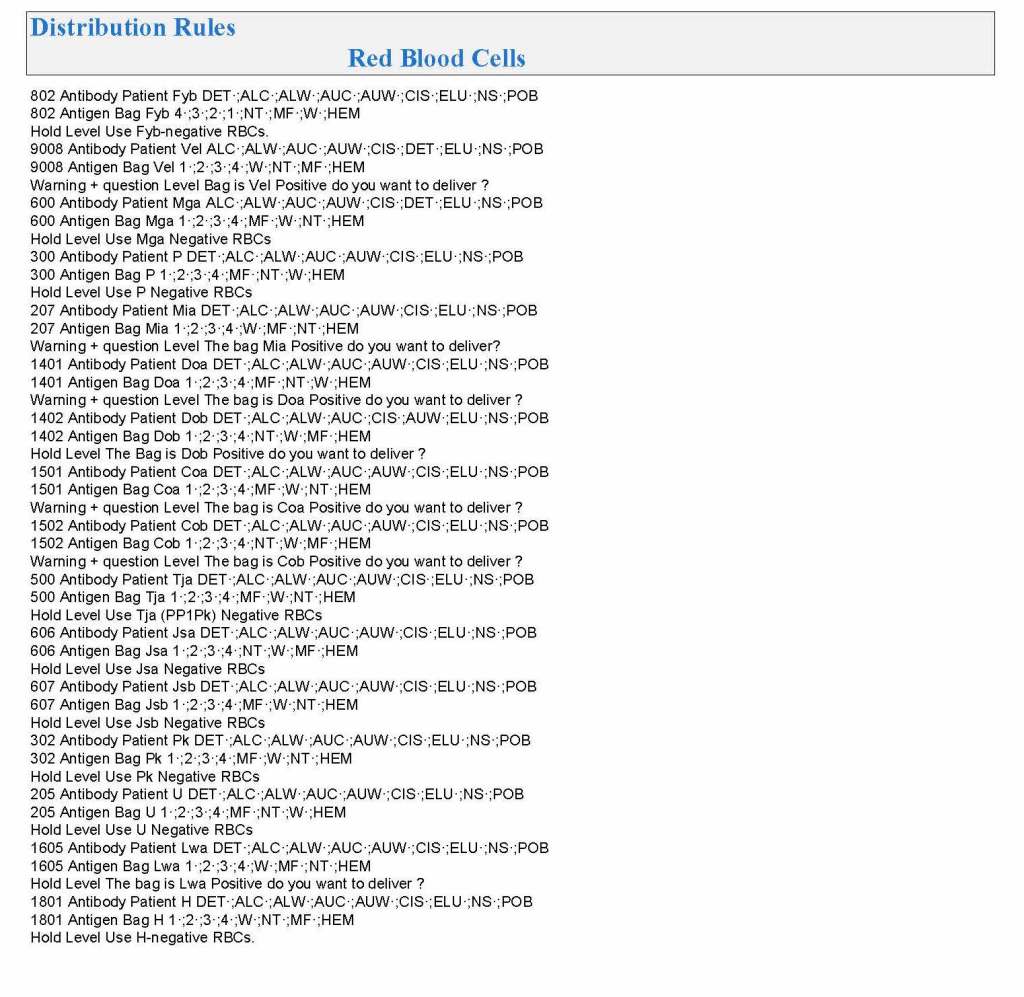
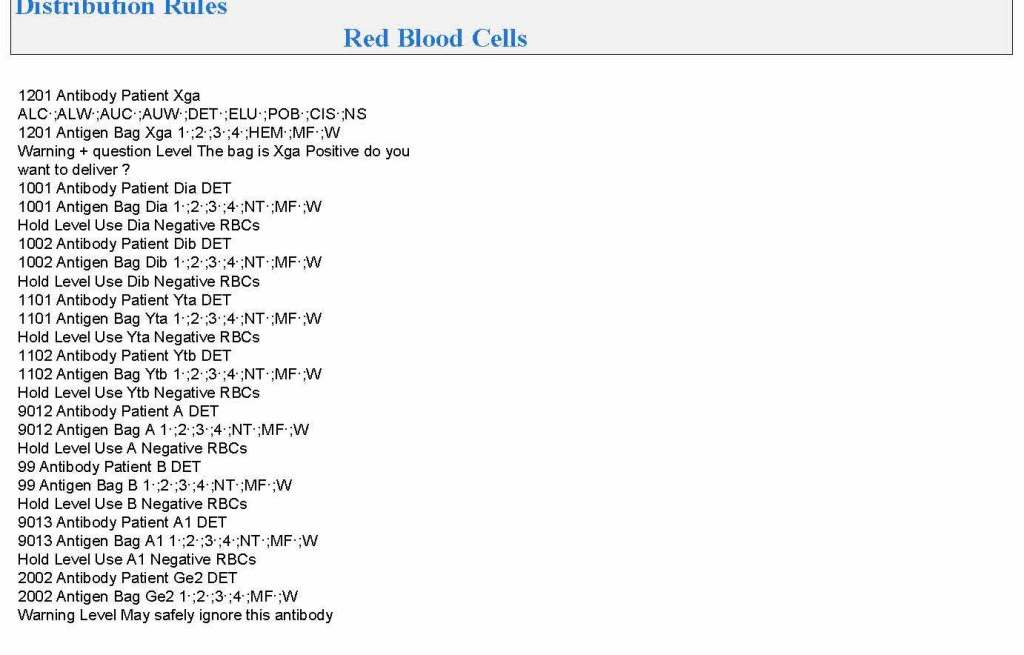
While I was working in Qatar, this was the overall process for transfer and allocation of blood components. Once they were finally labelled (only possible if all criteria had been meet), they were transferred from the Blood Donor Center BDC to Hamad General Hospital Blood Bank, from which they were distributed to all hospital blood banks in Qatar. Similarly, units could be transferred between the various hospital blood banks.

One could track components as being in:

  1. BDC
  2. Transit BDC to HGHBB
  3. HGHBB inventory
  4. Transit HGHBB to another hospital blood bank
  5. Transit between any two hospital blood banks

An inventory manifest would be printed to show all transferred units.

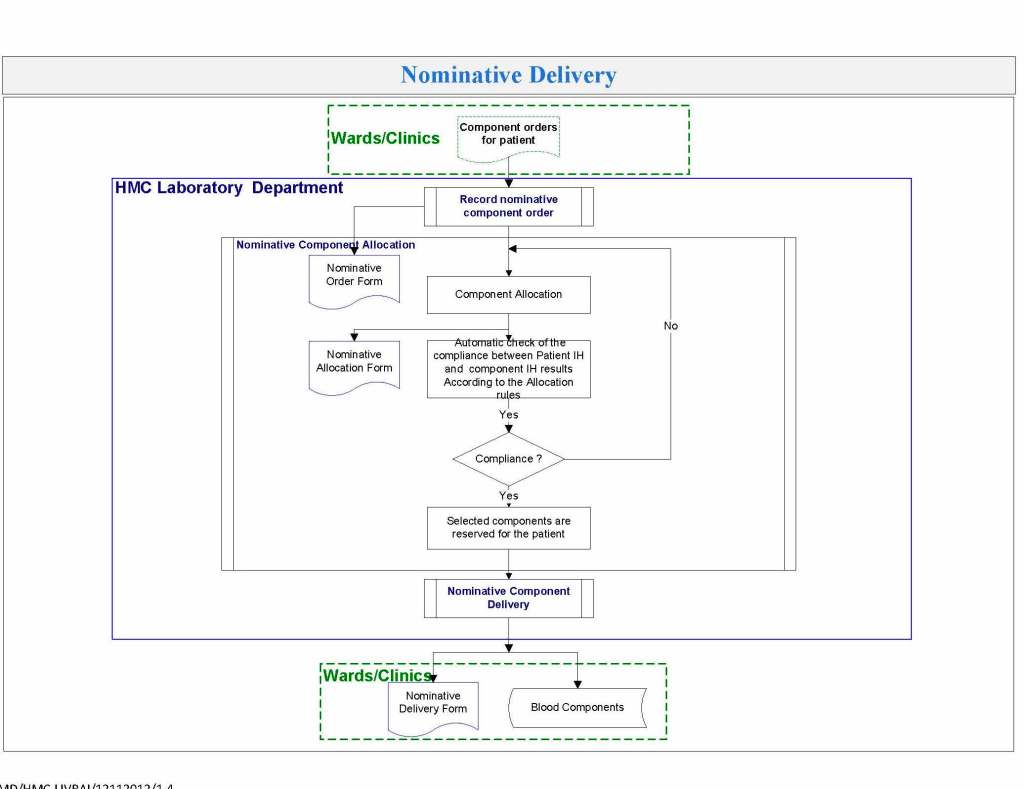
For patient use, allocation rules applied which would determine if an electronic or a full antiglobulin-phase crossmatch could be used and whether specific antigen-matched components were required.

There were also separate rules for emergency release if the standard criteria could not be met.

Active Inventory Management: Further Discussion

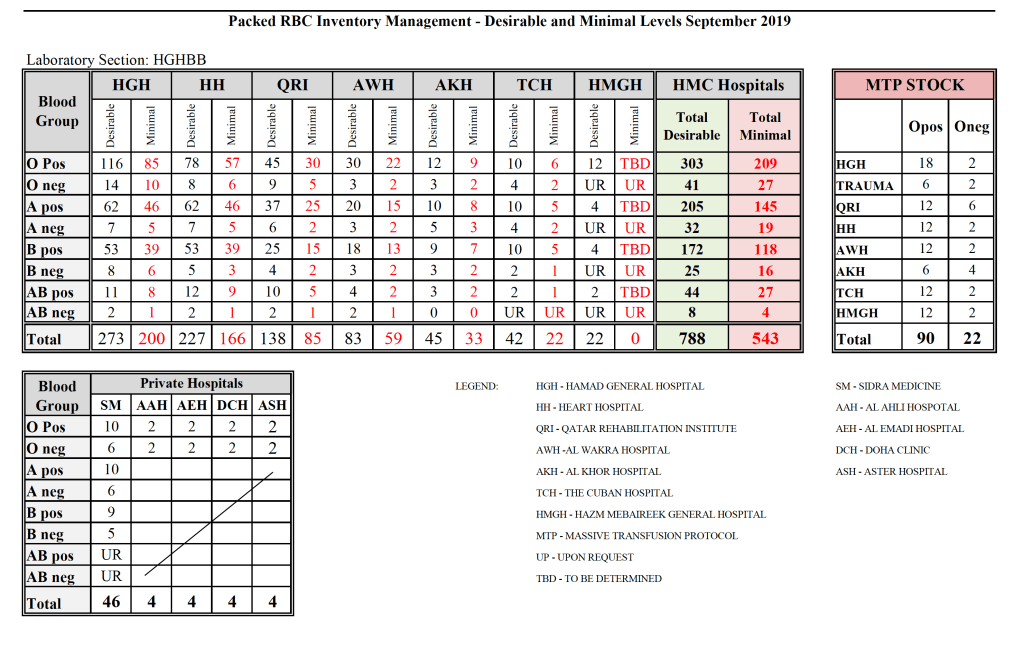
Yesterday’s post showed my active blood inventory management scheme for my previous position in Qatar.  I thought today I would elaborate on how I adjust the inventory based on critical shortages and planning for disasters and other major events.

I always review the critical shortages to check for atypical usage (e.g. a disaster situation) or production issues (equipment breakdown, shortage of donors during holiday period).

If it is due to increased utilization, I try to adjust the critical and desirable inventories upward to cover the shortfall for future events.  However, it is not always possible if the event is a one-of-a-kind situation unlikely to recur.  Also, I must take into account the available resources (supplies, kits, manpower, equipment) to see if I can cope with the increase.

If it is due to resource issues, I see if I can bolster those by recommending increases or improving utilization of what is available.

Very important is through-put:  How quickly can I produce components from whole blood or apheresis components?  This was one of the major reasons we shifted away from PCR to other NAT testing with single-well processes since to minimize the need to make additional runs (Grifols Panther System).  Also, automated component processing can greatly speed production (one Reveos can process four whole blood units in about 23 minutes or about 12 units in 75 minutes.)  Those staff can be busy with other tasks while the machines are working.

In the system I developed in Qatar, we could complete processing into components (RBCs, buffy coat platelet pools, leukodepleted plasma)–Reveos 3C Program, all marker and immunohematology testing, leukoreduction of the pools and RBCs, Mirasol pathogen inactivation, and platelet additive solution in as little as five hours!!  There is great need for speed in a place that must be 100% self-sufficient in all blood components. We could even further reduce the total processing time if we only made RBCs and plasma, Reveos 2C Program

In rapid turn-around events, it is most helpful to have a robust blood bank computer system that can scale to the challenge.  Also, it must mercilessly enforce all the rules starting with donor qualification, screening, collection through testing and production.  At times of emergency, it is difficult to meet Good Manufacturing Processes manually.

After each major shortage, I recommend a “post-mortem” analysis of the situation with senior donor and quality staff to analyze our processes and see if we can further optimize them for the future.  A report is prepared and reviewed by me as the Division Head/Medical Director of the Blood Bank.  If possible, we implement our recommendations.  If not, I request additional resources from the Administration.

As regards Disaster Planning, I always asked Administration how many victims did they want to save?  When I got the response, I always try to adjust inventory by two extra RBCs and one adult platelet dose (> 2E11) per salvageable victim.  This may come at the expense of increased wastage, especially in a region that cannot export the excess, unused stock.

The exasperating issue is that I didn’t get a clear answer on this last point.  What number should I use?  I made a spreadsheet showing calculations for a variety of endpoints, e.g. 100, 500, 1000 treatable victims and sent this to Administration to consider.

Blood Component Inventory Management

Principle:

Levels of blood inventory must be maintained to meet usual and unexpected needs and yet still minimize component wastage.  The HMC Blood Donor Center is the only source of blood components in Qatar.  Because Qatar’s demand for blood components is rapidly increasing, we must assess our desirable and critical inventory levels at frequent intervals.
Definitions:

HGHBB:  HGH Transfusion Service/Blood Bank

HIIG:  Hematos IIG dedicated blood bank computer software by Medinfo (Nice, France)

TMP:  Transfusion Medicine Physician

Policy:

  1. Establishing desirable and critical inventory levels:
    1. At least once per year, a review of blood component usage must be made to determine both desirable and minimal (critical) inventory levels for all blood components by group.
    2. Determine the maximal daily usage of each component in this period.
    3. Add 10% as a buffer to the maximal usage to determine the critical inventory level.
    4. Add 50% as a buffer to the maximal usage to determine the desirable inventory level.
    5. After each disaster and after every period of “critical” shortage, reassess the critical and desirable inventory levels.
    6. Minimally, even if there are no disasters or critical shortages, the recalculation of critical and desirable inventory levels must still occur at least once per year.
    7. Contact the HIIG software engineer to change the desirable and critical inventory levels in the computer (cumulative stock entry screen).
  2. Preventing shortages:
    1. Maintain adequate stocks of blood bags, Mirasol, and platelet additive solution,  reagents, functioning equipment with backup site (at least two of EIA and NAT analyzers, two Reveos and two Mirasol machines)
    2. Request additional resources (space and staffing) as far as possible in advance.
    3. Develop an additional testing/processing site for blood components (requested but not effected)
  3. During shortages:
    1. Inventory depot (currently HGHBB) technical staff will contact the Senior Consultant/Division Head, Transfusion Medicine or designate on-call whenever there is a critical shortage of any blood component:
    2. Depending on the severity of the shortage in consultation with the Division Head/Senior Consultant, Transfusion Medicine or TMP on-call will liaise with the key technical, nursing, and recruitment staff.
      1. Donor Recruitment:  Medical Manager, Recruitment/Logistics
      2. Nursing/Apheresis:  Head Nurse, Blood Donor Center
      3. Donor Marker Testing:  Supervisor, Donor Marker Testing
      4. Blood Component Processing:  Supervisor or Senior Technologist, Processing
      5. Hospital Transfusion Services:  Supervisor of Blood Depot (currently at HGHBB) and supervisors of all other hospital transfusion services/blood banks
      6. Medinfo HIIG Software Support/VHT Services:
    3. Depending on the severity of the shortage various actions may be approved by the Senior Consultant/Division Head, Transfusion Medicine:
      1. Transfusion Physician/Medical:
        1. Refer to Medical Director to review all requests for the critically short component(s) and provide initial triage usage
        2. Maintain close contact with clinical team(s) about request, emphasize need to minimize ordering if possible
        3. Refer cases of catastrophic blood use to a multidisciplinary ad-hoc team of physicians as designated by the Corporate Transfusion Committee and Medical Director (appointment of ad-hoc team currently under consideration by Medical Director)

As of this date (23/9/19), the Medical Director has not yet appointed a triage team for severe blood shortages.  The Transfusion Medicine physicians DO NOT serve as gatekeeper at these times.  It must be a committee including clinical medical staff who are the principal end-users of blood components

  • Recruitment:
    1. Mobilize recruitment/registration/aide staff
    2. Generate SMS lists to contact donors of the affected component type
    3. Contact media (radio, TV) and hospital intranet to put out messages to recruit donors
    4. Prepare mobile blood donor vehicles for emergency donor campaigns
    5. Arrange emergency transport of prepared units to affected site
    6. Extend Blood Donor Center hours of operation
    7. Nursing:
      1. Mobilize nursing/phlebotomy staff
      2. Extend staff working hours as needed
      3. Reschedule therapeutic apheresis cases as determined by the TMP
    8. Marker Testing:
      1. Mobilize staff to perform extra infectious marker testing run
    9. Component Processing:
      1. Mobilize staff for component processing (including filtration, pathogen-inactivation, and use of platelet-additive solution)
    10. Inventory Depot/Hospital Transfusion Services/Blood Banks:
      1. Maintain critical inventory level monitoring
      2. Report to Senior Consultant/Division Head, Transfusion Medicine or TMP on acute inventory levels
      3. Cancel non-emergency requests for critically short components
      4. Release components on expedited basis (MTP, emergency release, immediate-spin crossmatch, etc.)
    11. Computer:
      1. Medinfo/VHT software engineers to monitor system, provide support as needed
  • Notifications:
    1. Contact the Chairperson, DPLM, and/or the HMC Medical Director as needed, especially if stocks are in danger of depletion.
    2. Any alterations in the blood orders must be communicated to the patient’s most responsible physician by TM technical staff, TMP, or Senior Consultant/Division Head Transfusion Medicine
  • Post-Event Analysis
    1. Review effectiveness of all actions taken
    2. Modify process based on review
    3. Update Interim Policy
    4. Request additional resources as required

Attachment:

Current inventory calculation (follows)

References:

  1. Standards for Blood Banks and Transfusion Services, Current Edition, AABB, Bethesda, MD, USA
  2. Guidelines to the Preparation, Use, and Quality Assurance of Blood Components, European Committee (Partial Agreement) on Blood Transfusion (CD-P-TS), 17th Edition, 2013

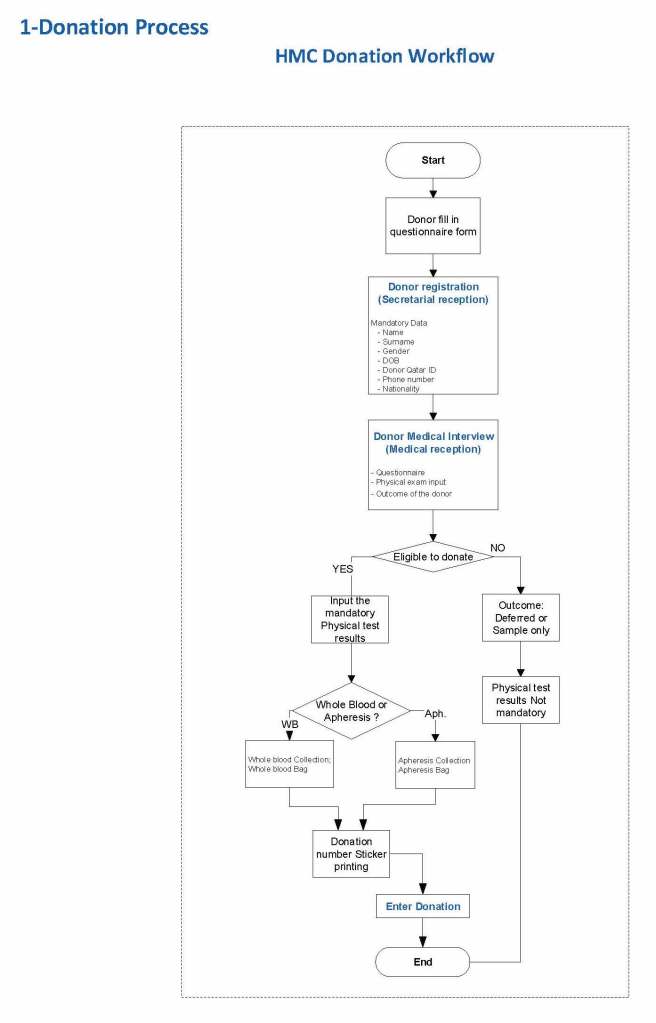
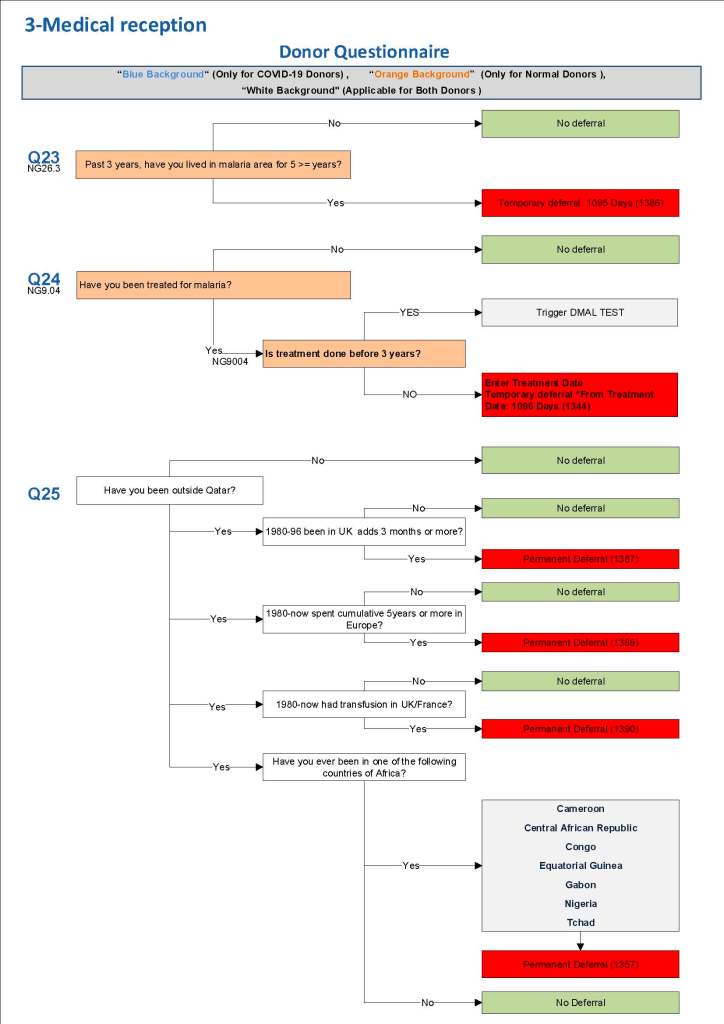
Blood Donation Process Overview

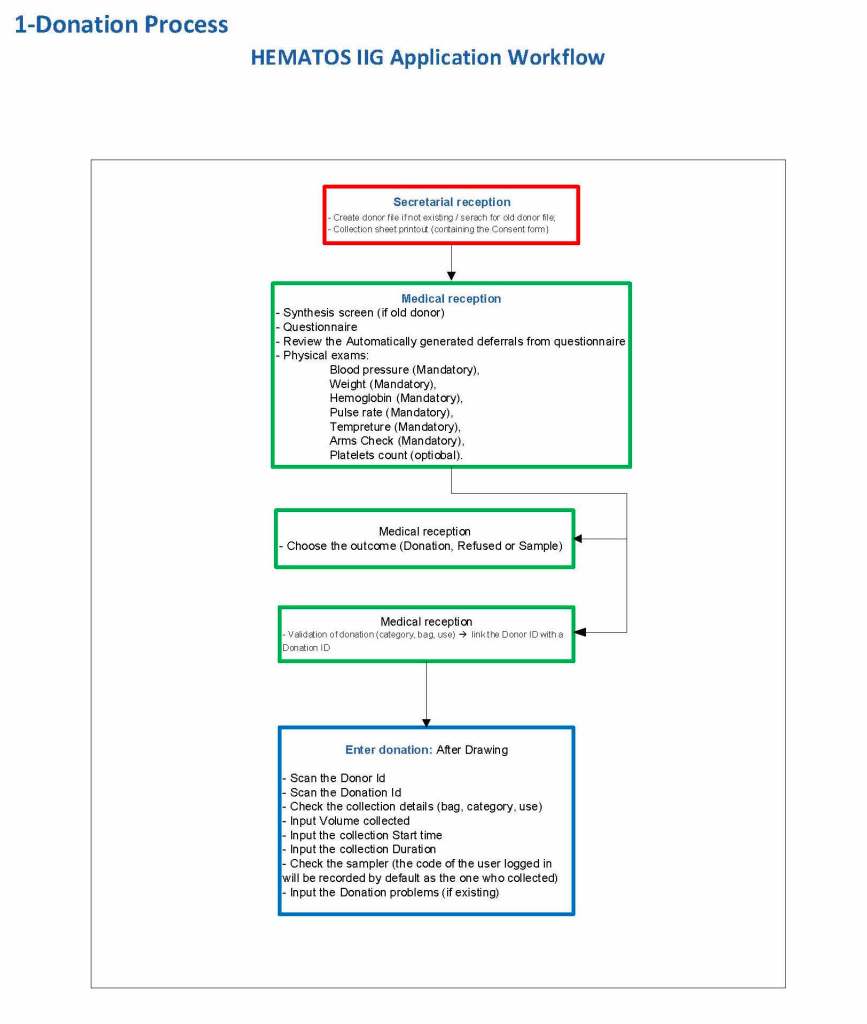
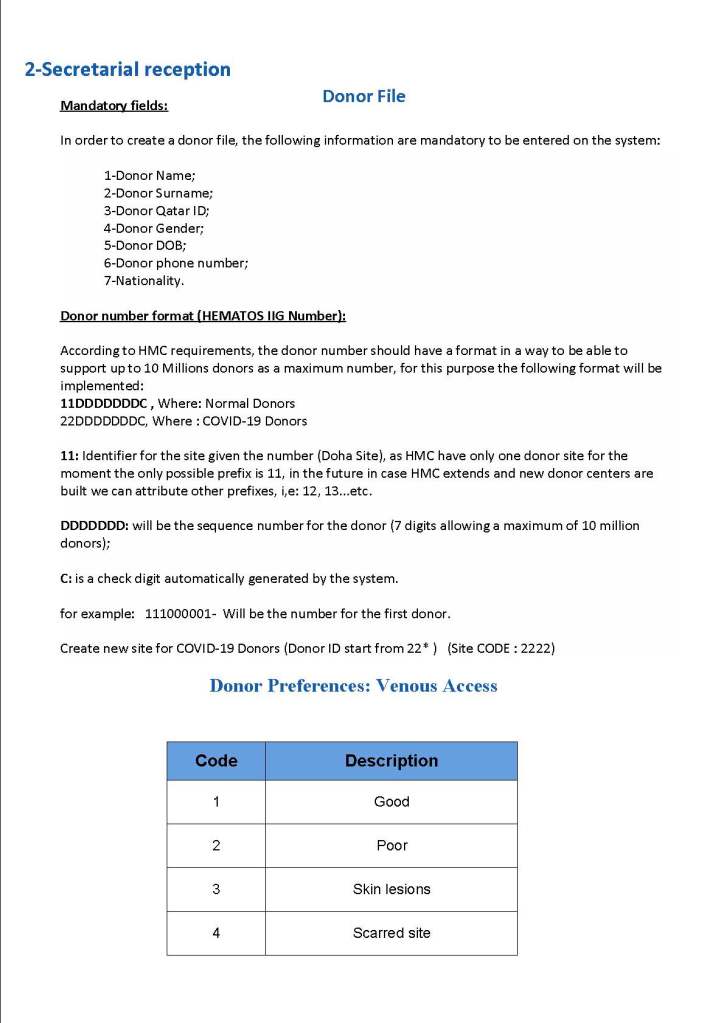
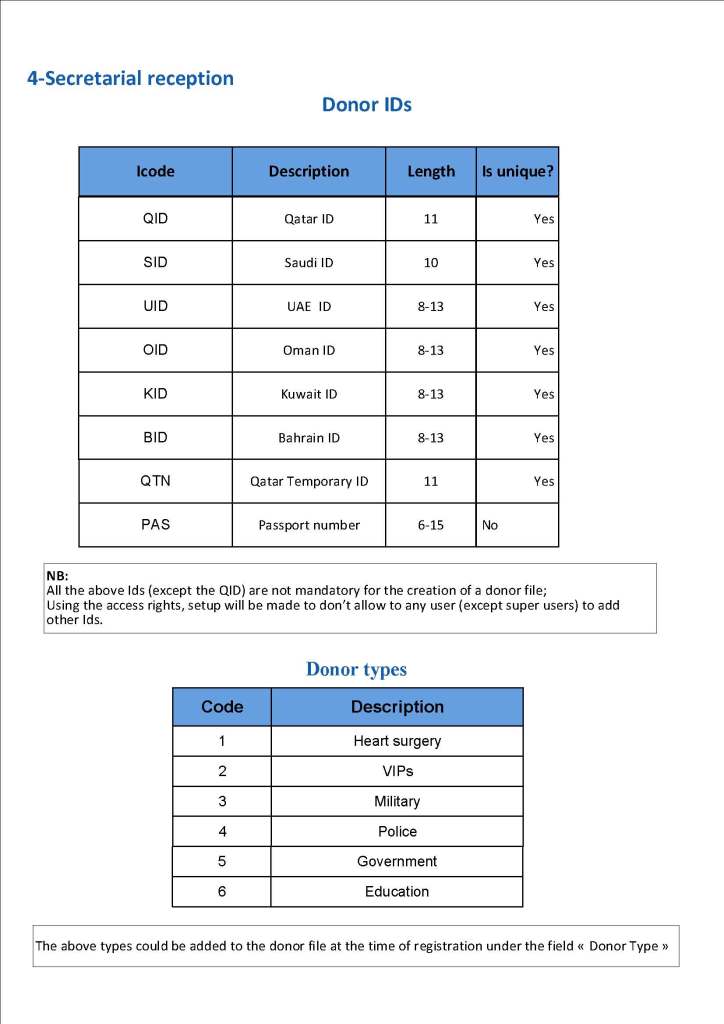
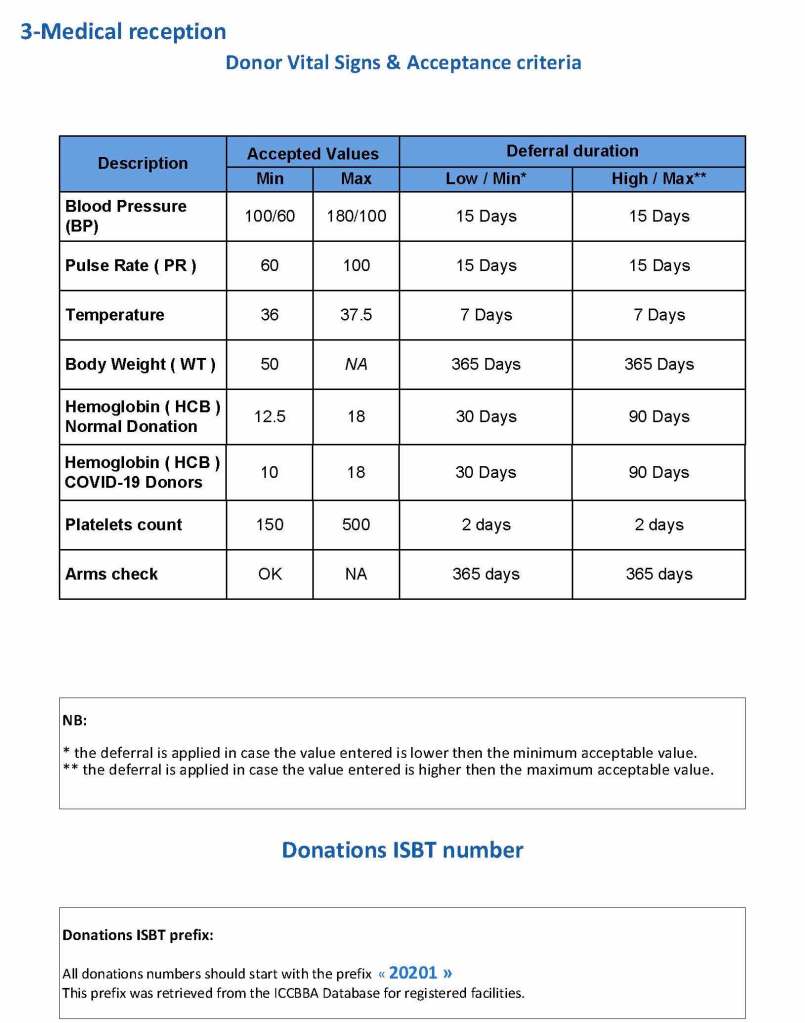
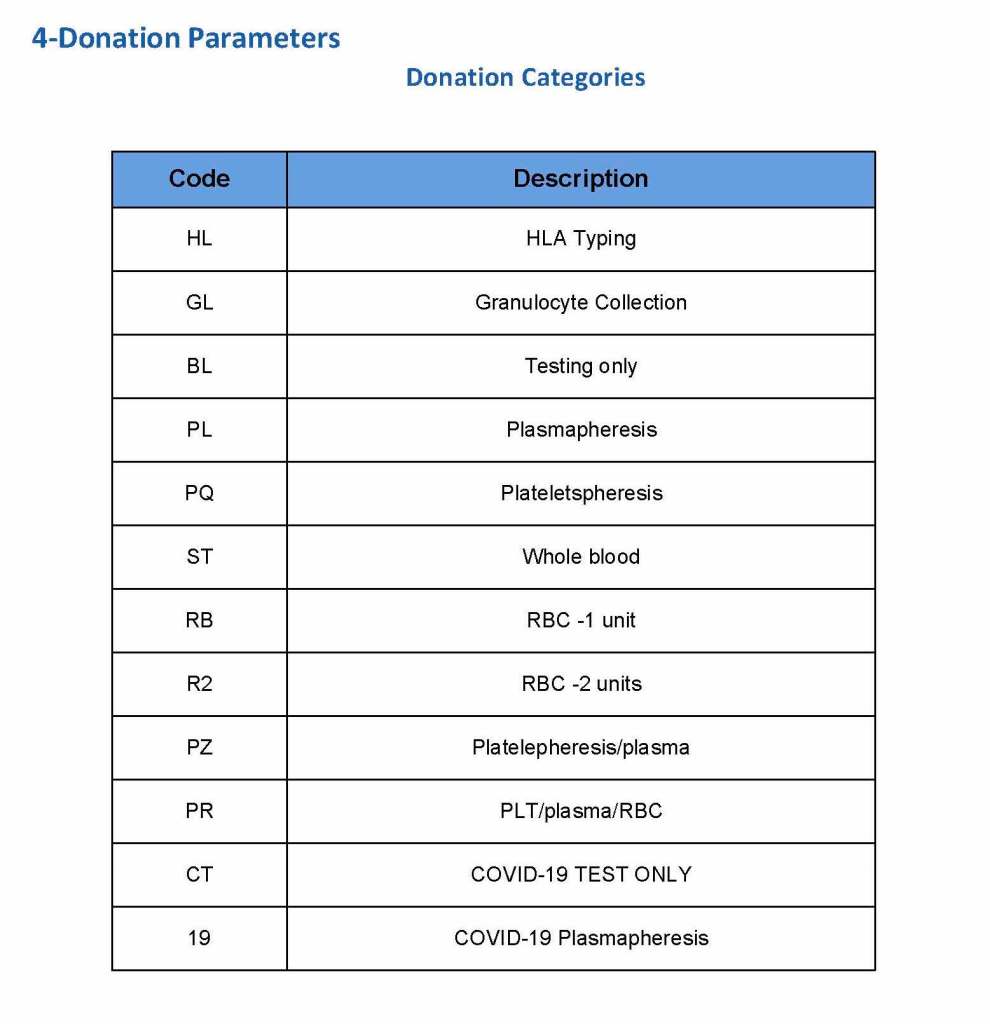
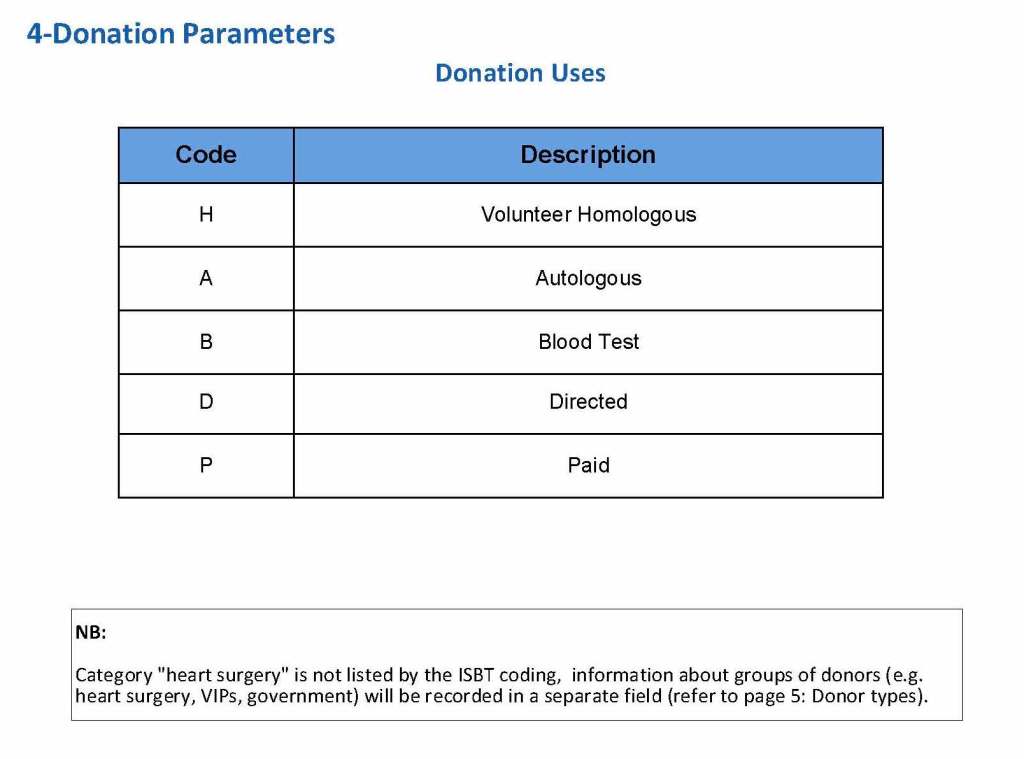
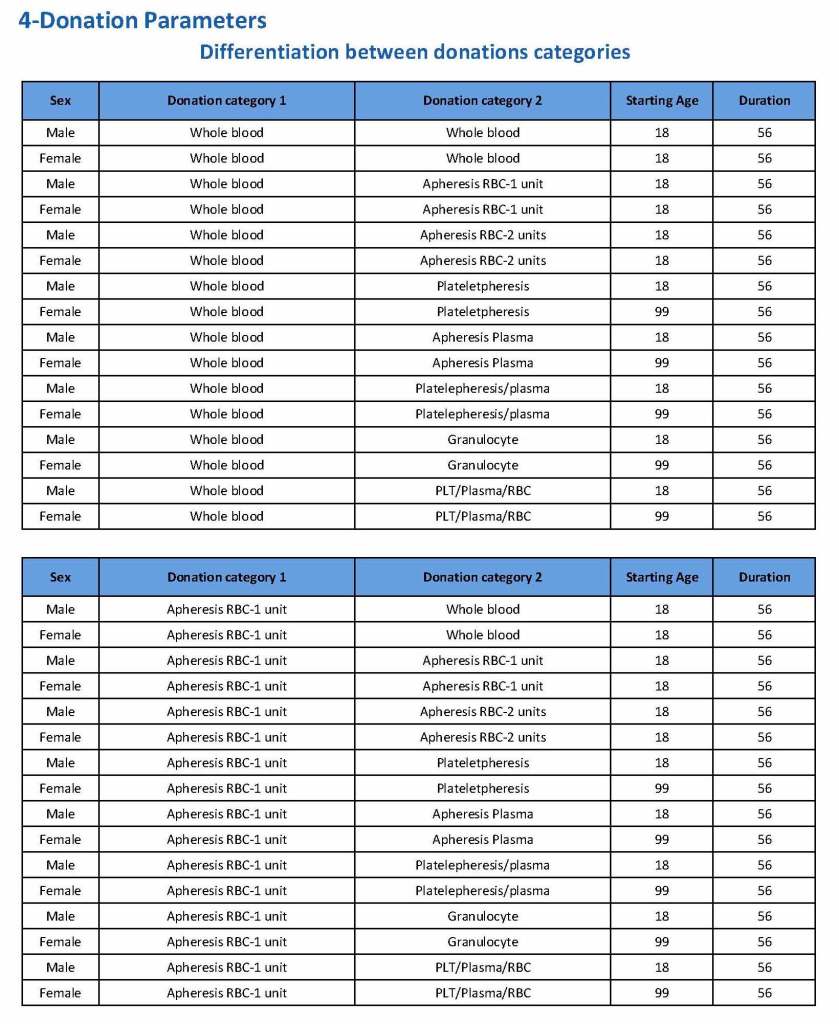
This is a sample Medinfo overview document for the blood collection process for HMC Doha that I designed in conjunction with Medinfo France and Medinfo Doha. This includes, registration, donor consent, questionnaire, physical examination, and collection.