Basic Hematology Fellowship Rotation in Transfusion Medicine

Objectives:

  1. Donor Center
    1. Donor eligibility criteria
    2. Whole blood collection
    3. Donor apheresis (platelets, plasma, dual-RBC)
    4. Donor reactions
  2. Therapeutic Apheresis
    1. Plasma exchange
    2. Leukocyte reduction—stem cell collection
    3. Reductive thrombapheresis
    4. RBC exchange
    5. Column-absorption procedures including phototherapy
  3. Component Preparation
    1. Preparation and release issues
  4. Transfusion Service:
    1. Blood component therapy
    2. RBC blood groups
    3. Compatibility Testing
    4. Antibody Identification and clinical significance
    5. Transfusion reactions
    6. Direct antiglobulin test clinical significance
    7. Drug-related hemolysis

Venue:

TMS Donor and Transfusion Services

Conducted by:  Head, TMS, and senior TMS technical staff

Evaluation:

Discussion of topics with TMS Head and written final examination

Source Materials:

  1. Technical Manual, AABB
  2. Standards for Blood Banks and Transfusion Services, AABB
  3. Apheresis, Principles and Practice, AABB

This is a full-time, one-month rotation—attendance in mandatory.  Vacations should NOT be taken during this rotation.

Originally Prepared for NGHA Riyadh 31/3/09

Reviewed 26/8/20

My Opinion: Separate Transfusion Medicine from the Laboratory

Transfusion Medicine includes laboratory and non-laboratory functions.  The non-laboratory and purely clinical functions are unique and have no analogy within the general laboratory.

The transfusion service/hospital blood bank laboratory is the closest to a laboratory operation, but there is component modification and complex manual testing, especially for reference immunohematology testing.  The staff must make detailed manual decisions, the errors for which could be life-threatening for the patient.

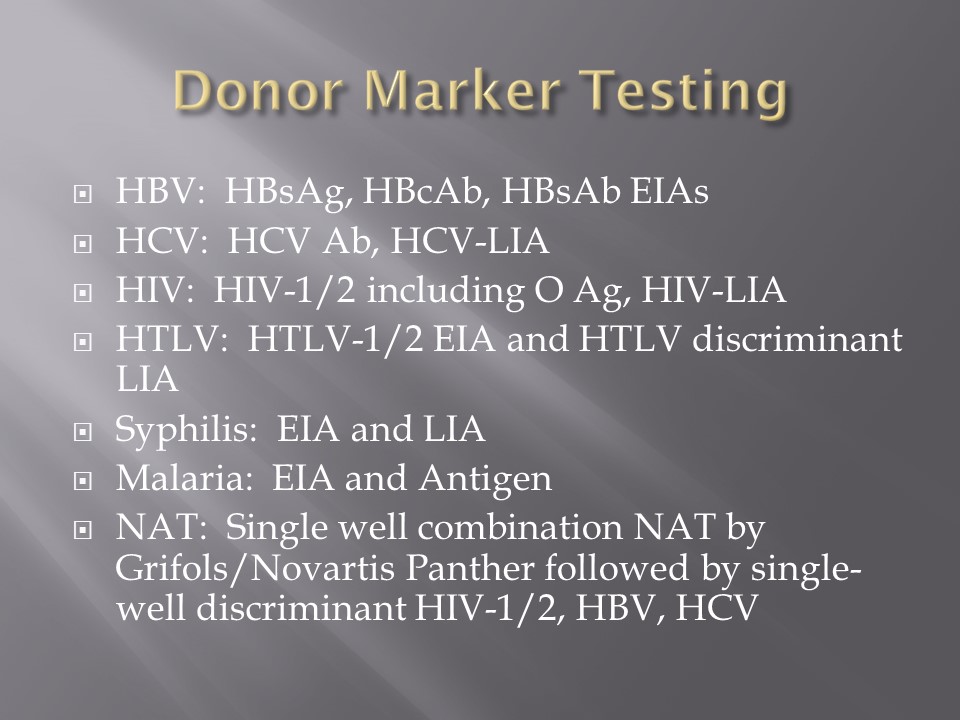
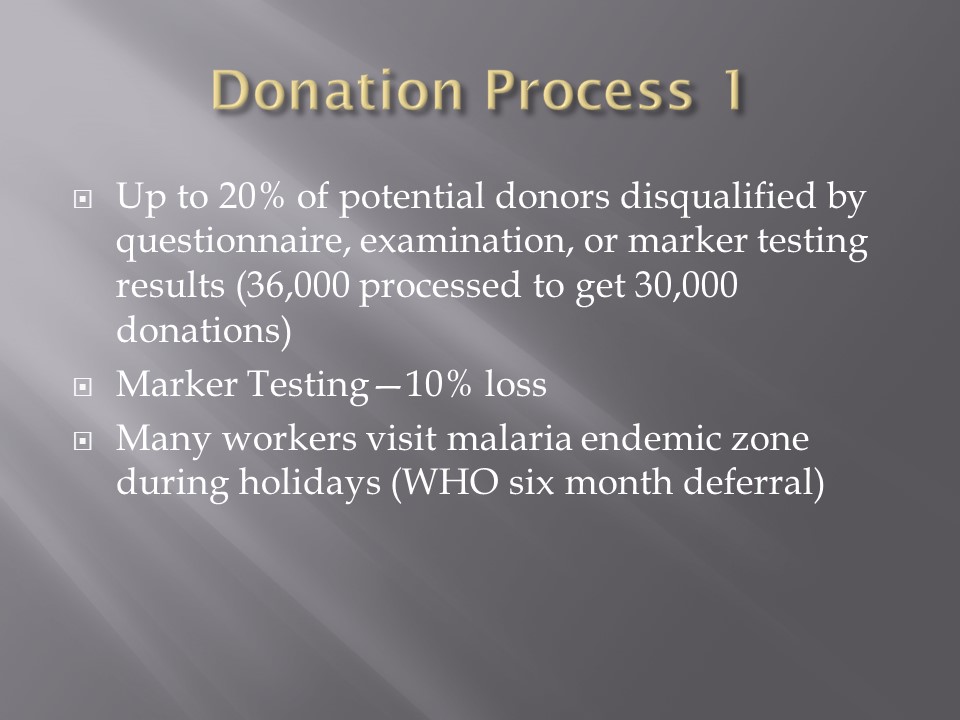
The blood donor center manufactures a pharmaceutical, i.e. blood components with collection, donor qualification, donor abnormal results review, infectious disease marker testing, component production, and donor immunohematology testing—all subject to Good Manufacturing Practices.  Never forget:  Blood is a drug!!

No other laboratory section is directly responsible for treatment of critically ill patients.  Therapeutic apheresis is essential for organ and stem-cell transplants, nephrology, neurology, etc.  No other laboratory section is directly responsible for treatment of critically ill patients.  Transfusion Medicine physicians are functioning as intensivists.  There is no hiding in the laboratory from clinical medicine.

There may also be an industrial manufacturing plant to extract various blood derivatives (e.g. factor concentrates, albumin, Rh immune globulin, etc.)  This is pharmaceutical manufacturing on a large-scale basis.  There is medical, technical, and special administrative expertise.

Many functions may operate 24/7.  The transfusion medicine physician may be on-call for donor issues and review of complex immunohematology problems to acutely decide which blood component (and phenotype) should be given as well as review all adverse reactions to transfusion.

The unique blend of clinical skills is unlike anything else in the laboratory.  Also, those outside the blood bank rarely have the skills or judgments for the best course of action for transfusion medicine or for its operations.

The clinical transfusion medicine physician must make acute, life-threatening decisions unlike anyone else in the laboratory.  The blood bank technologist is at the cutting edge of the battle with his testing and interpretations.  No other area of the laboratory is at such risk for injuring or even killing the patient.  There is high stress and burn-out.

I have talked with many blood bankers and many seem to share the exasperation that the laboratory does not understand us.  The latter looks at blood bank testing like that coming off a hematology or chemistry analyzer—although patients rarely would have severe morbidity or mortality like the blood bank from errors in those analyzers.

No laboratory pathologist has the pressure of the blood bank physician on-call.  It really is 24/7 and requires a broad, clinical background to make the right decisions.  It is very stressful and does not permit a good night’s sleep.

Thus, I make my case to separate us from the laboratory.  We can form our own more effective administrative organization and optimize our own planning.  Regretfully, I have never worked in such an administrative structure.  I also am a realist that cost-containment nowadays makes it much less likely high administration would permit this change for a mere cost center.  This will probably never happen during my career.

Finally, Transfusion Medicine is an essential service.  Blood components are essential drugs.  The operations and staff must be free of political influences.  This is a service for the entire region or country like the fire department, civil defense, etc.

8/8/20

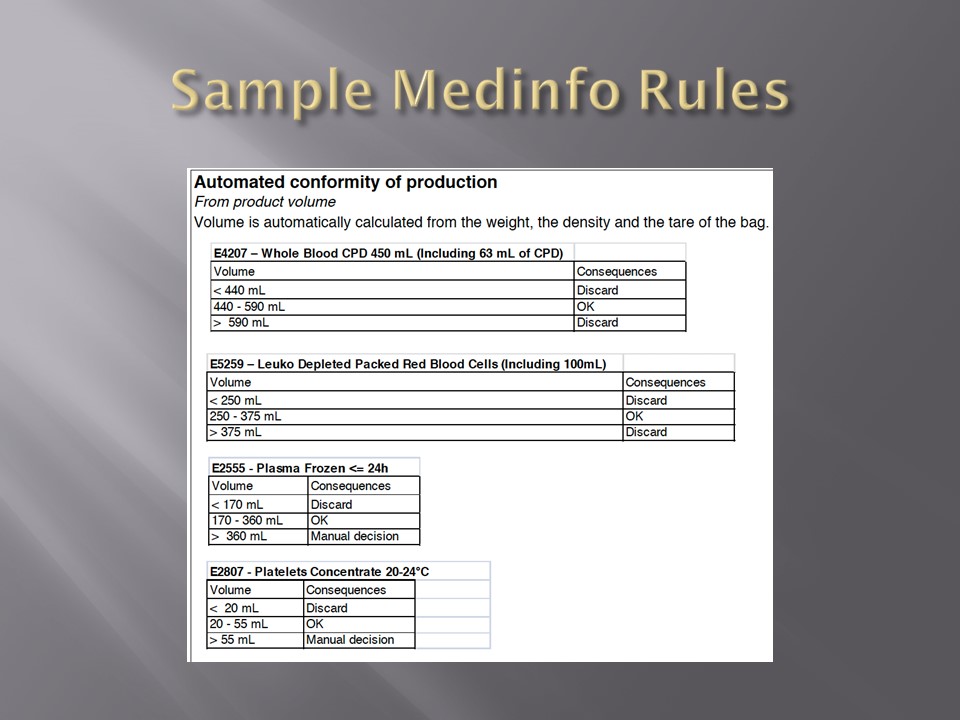
Processes and Software Building: Updated Convalescent COVID-19 Plasma Production

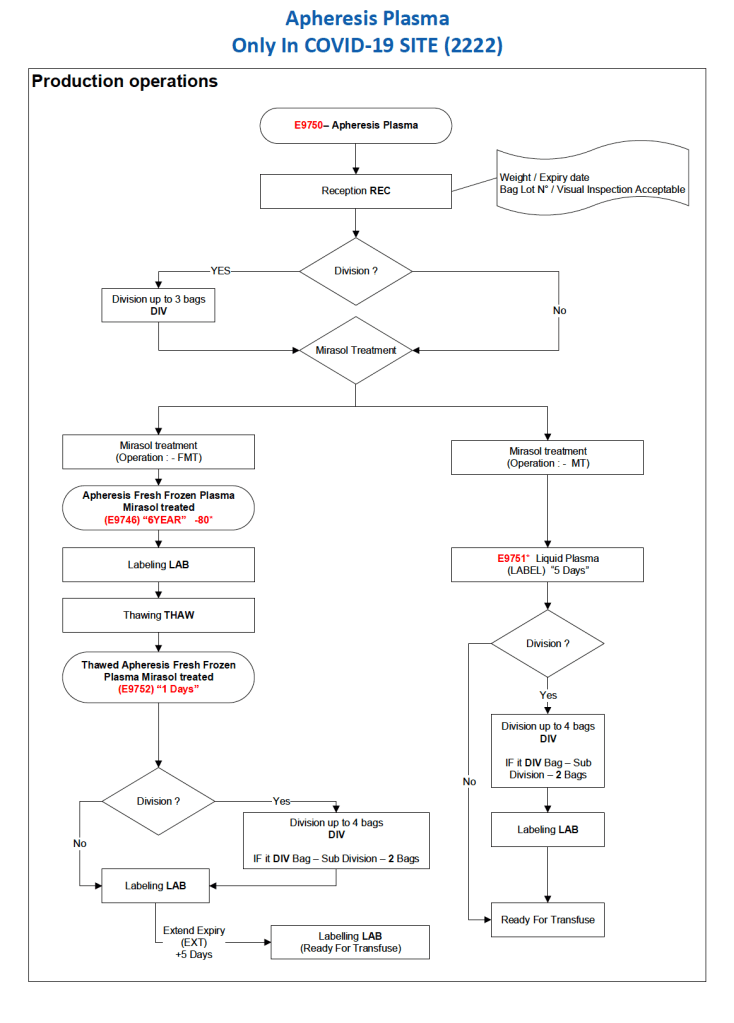
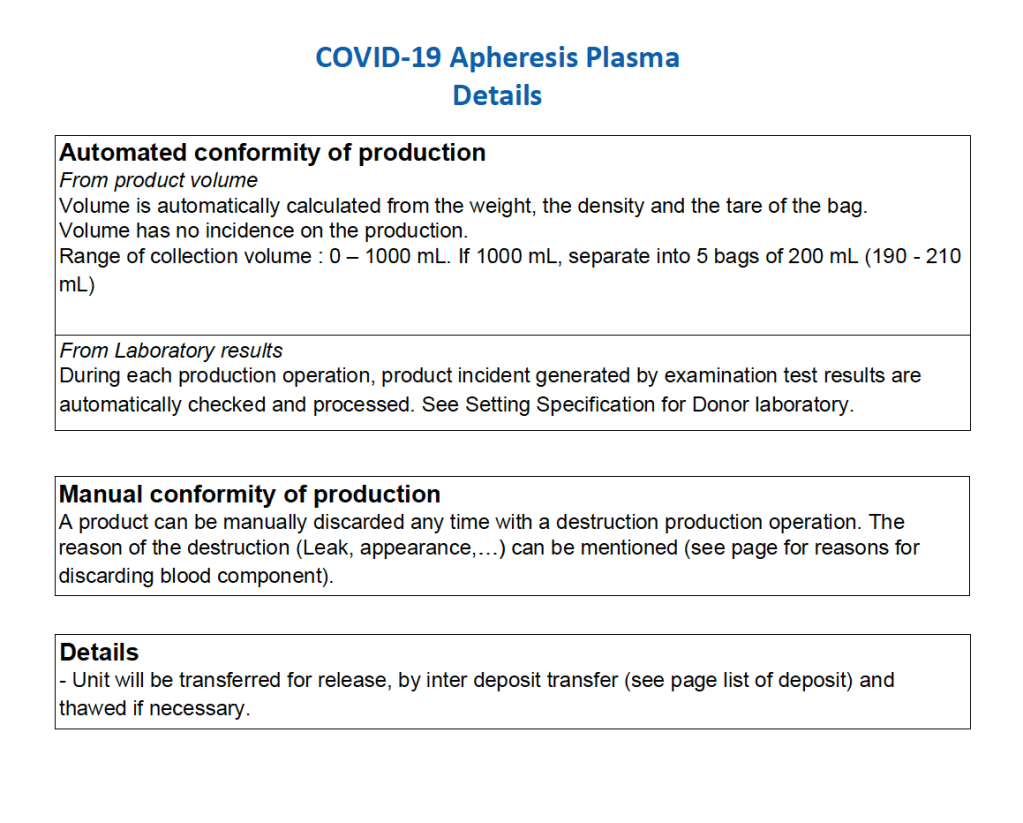
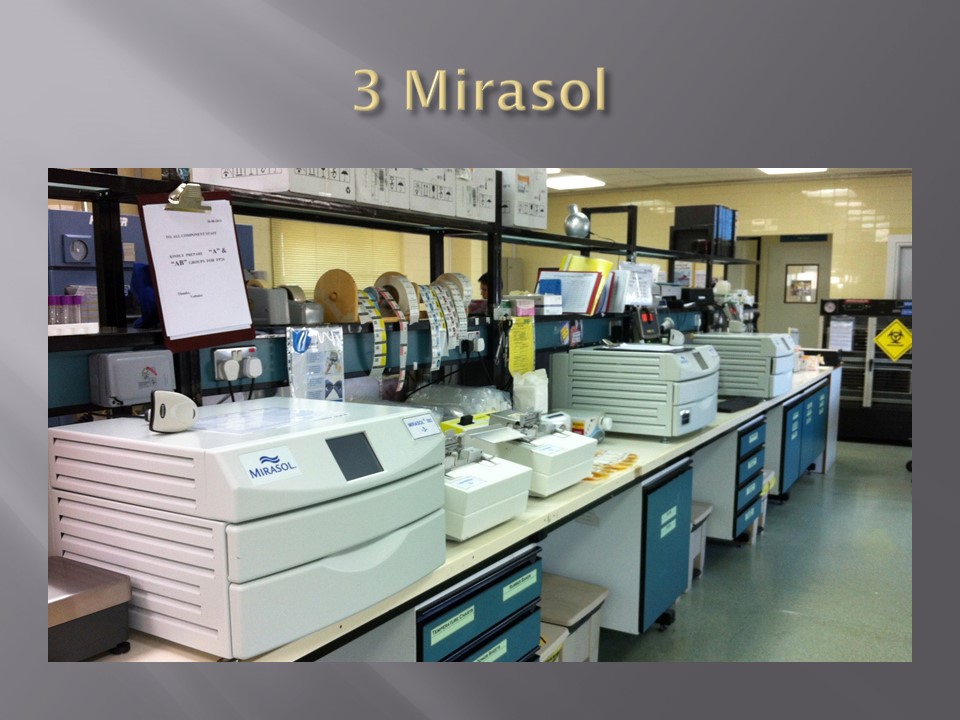
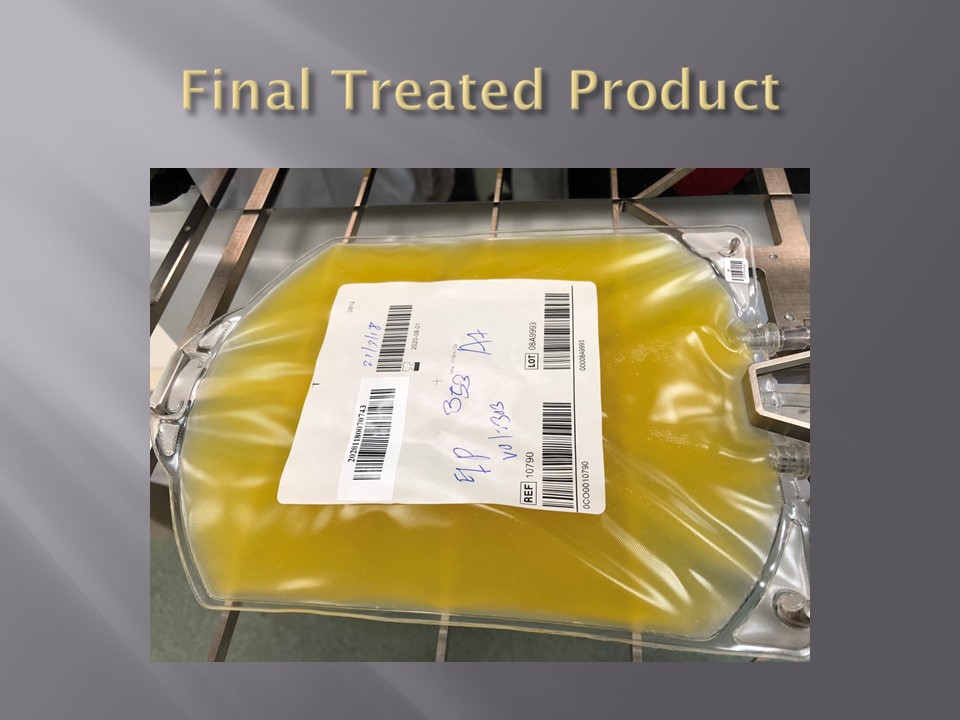
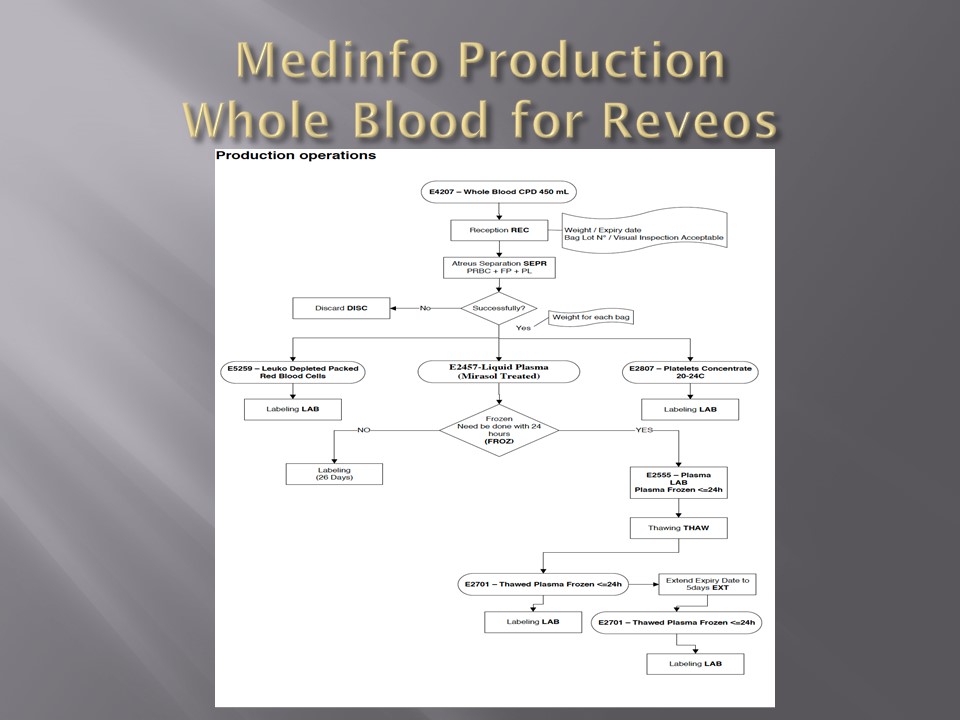
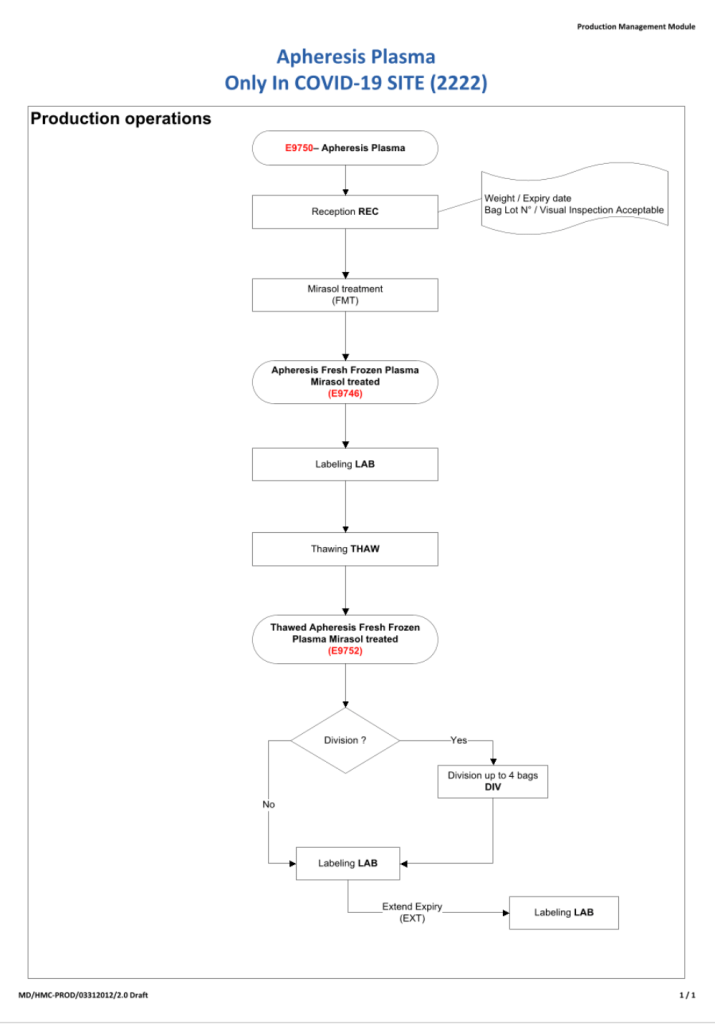
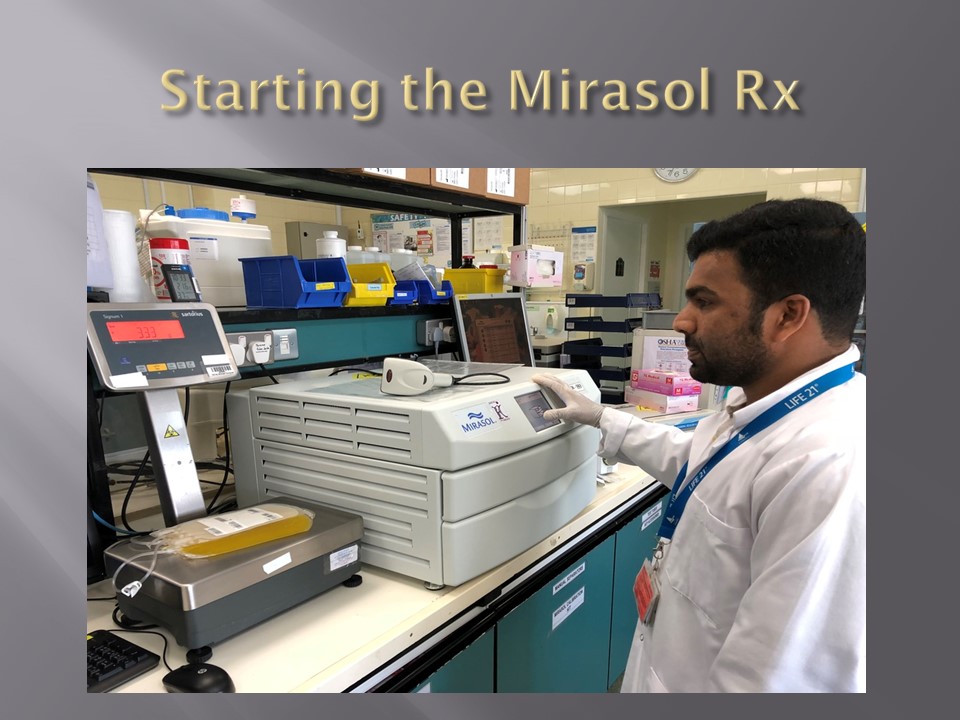
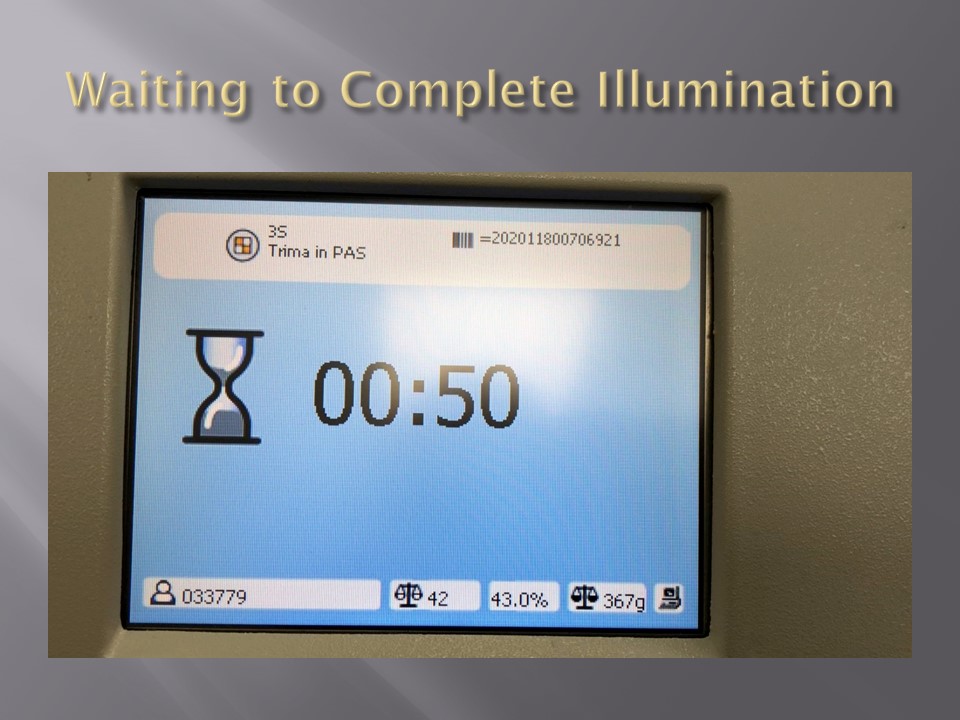
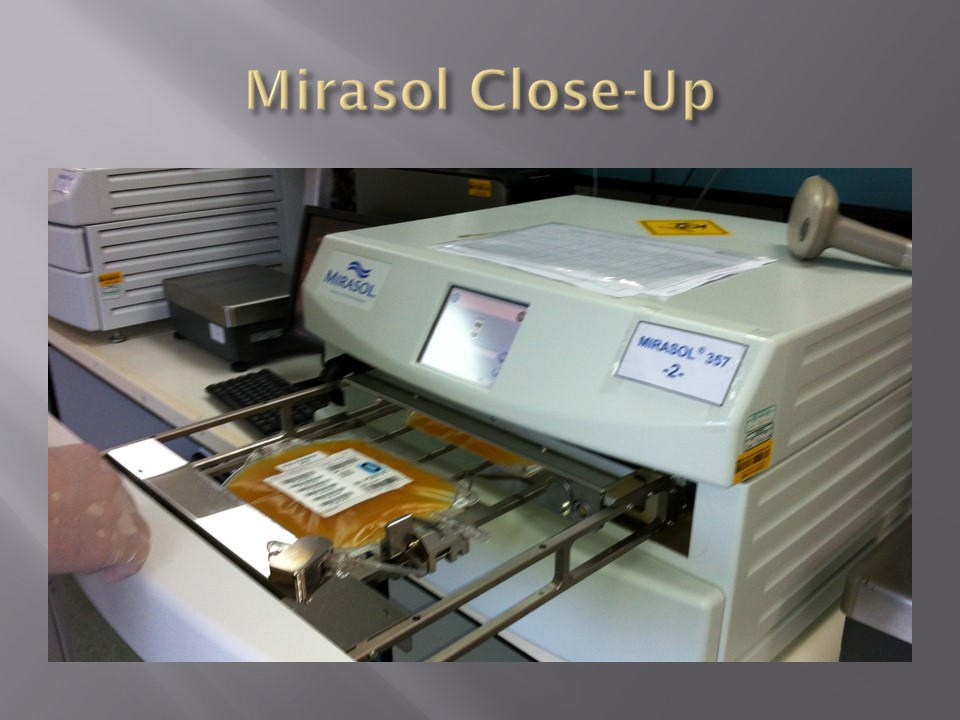
After the initial manual setup of the CCP program, the Medinfo process was set up.  The following workflow shows the production of CCP from the raw apheresis collection, including division into aliquots based on the total volume.  The plasma volumes were kept within the range for riboflavin pathogen inactivation (Mirasol).

The usual safeguards for production were also in effect for CCP.  The product could not be labelled without all criteria (donor screening, collection, marker testing) being met.  Furthermore, the inter-depot and transfusion service processes still applied.  However, all steps were done in quarantine at a location separate from the regular processes.  Also, the actual ordering and release of CCP was restricted to the quarantine hospital blood bank site.

The following outline the production process:

Manual CCP Plasmapheresis Collection

Principle:

Due to the pandemic, we will initially MANUALLY collect an experimental, investigational-use-only plasma product from apheresis donors and treat it with Mirasol.  THIS IS A EMERGENCY INTERIM PROCESS UNTIL THE MEDINFO HEMATOS IIG PROCESSES ARE PREPARED AND VALIDATED.

Policy:

  1. Good Manufacturing Practice applies:
    1. Manufacturers’ recommended processes for equipment and materials usage applies.
    2. All staff engaged in these processes must be competency assessed successfully.
  2. Pre-Screening:
    1. Clinical staff will use the prescreening document to select donors for pre-donation screening.
  3. Quarantine:
    1. All processes (day 0, day 1, day 2, and product modification and release) will be done in quarantine areas SEPARATE and DISTINCT from regular Transfusion Medicine activities.  This includes:
      1. Separate space and equipment must be provided.
        1. Equipment for this project may NOT be used for regular, non-quarantine processes
    2. Non-Transfusion Medicine staff will not be permitted in operational areas.
    3. Prospective donors will not be permitted in the processing, testing, storage, or blood bank work areas.
  4. Donation Process:
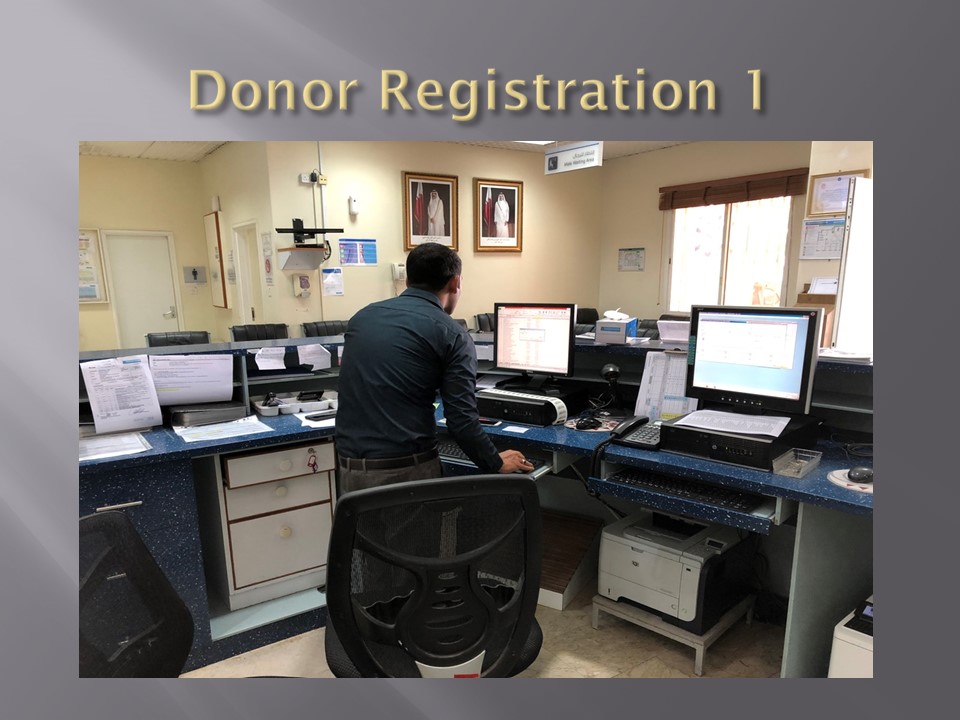
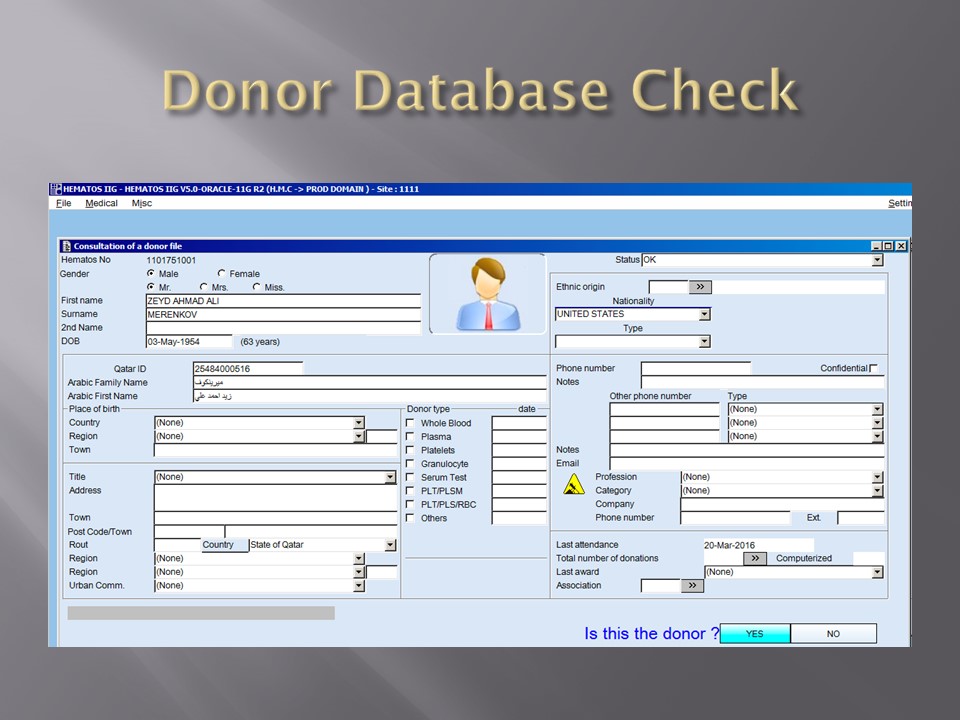
    1. Day 0:  Registration, check donor deferral database, questionnaire, physical exam including arm check, and specimen collection using ISBT specimen labels
    2. Use latest manual donor questionnaire.
    3. Day 1:  Donor marker and immunohematology testing, review of results, accept or reject donor for actual plasmapheresis
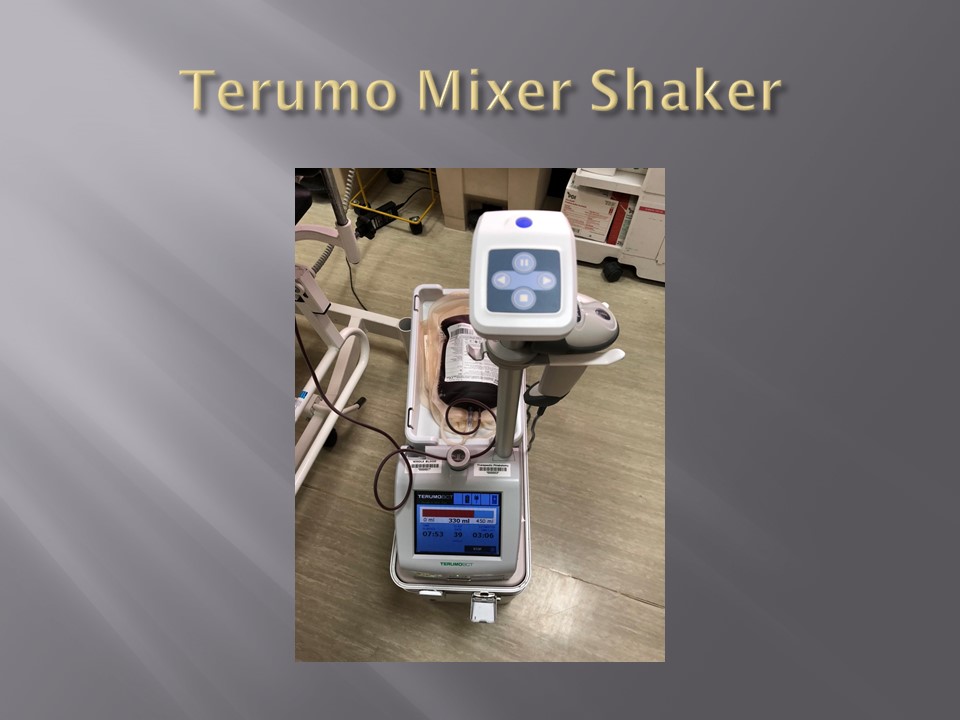
    4. Day 2:  Collect manufacturer’s recommended volume of plasma (500 ml if < 80 kg, 600 ml if >= 80 kg), aliquot, pathogen-inactivate (Mirasol), freeze at minus 80C
  5. Testing:
    1. Testing will be performed with regular blood donor specimens using ISBT specimen labels
    2. Testing must be done by donor-specific processes (not those for clinical patients)
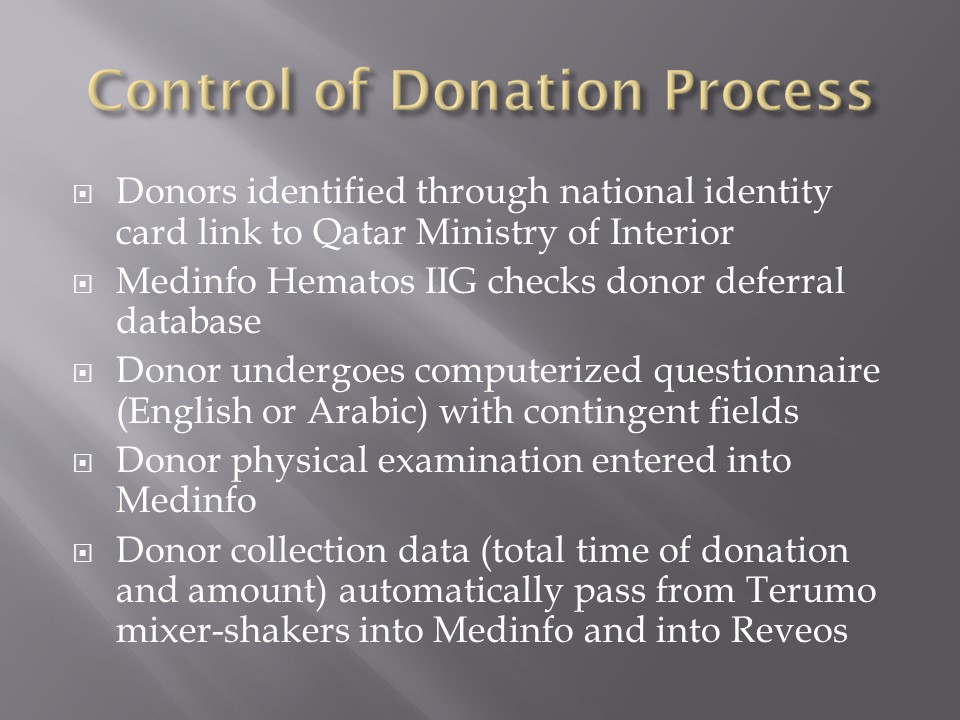
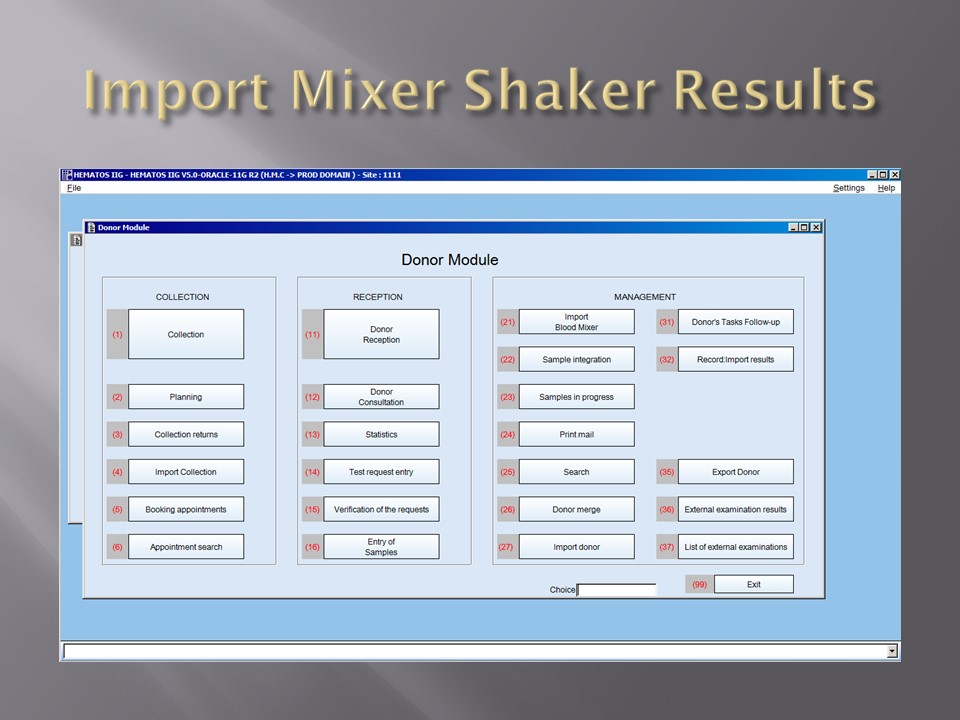
    3. Testing must be directly interfaced to Medinfo Hematos IIG donor module
  6. Processing:
    1. Aliquoting, pathogen-inactivation, and labelling may proceed if the pre-donation screening results are acceptable.
  7. Storage:
    1. Long-term in minus 80C quarantine freezer
    2. Short-term at 1-6 C just after thawing in quarantine refrigerator
    3. Standard temperature monitoring and alarms apply
  8. Labelling:
    1. The backup manual labelling process applies
    2. The ISBT specimen label will the donor unit number
      1. Outdate will be 6 years if the product is stored at -65C, 1 year if stored at -18C
  9. Product Release:
    1. Orders must be on the PAPER requisition (old Blood Bank Order Form) with a patient prescription:
      1. No orders in Cerner
    2. Thawing plasma at 37C upon receipt of order by Transfusion Medicine staff
    3. Signing out component to clinical unit by Transfusion Medicine Staff
  10. Information Technology:  Medinfo Hematos IIG customized software to be implemented as soon as possible for all processes
  11. Not covered:  Transfusion Medicine is NOT responsible for:
    1. Triage of request for convalescent plasma
    2. Pickup and transport of components

8/4/20
Pre-Screening for Convalescent COVID-19 Donor Candidates

All blood components are considered medications and are subject to Good Manufacturing Practices as mandated by international accreditation standards.  The whole process must be done reproducibly and precisely by specific personnel trained and documented to be competent.  This includes collection of convalescent COVID-19 plasma.

Transfusion Medicine will provide staff who are deemed competent for the entire process of the collection, manufacture, and release of this unlicensed, emergency-contingency component.

It will help greatly if all candidates are prescreened to exclude the following candidates:

Administrative:

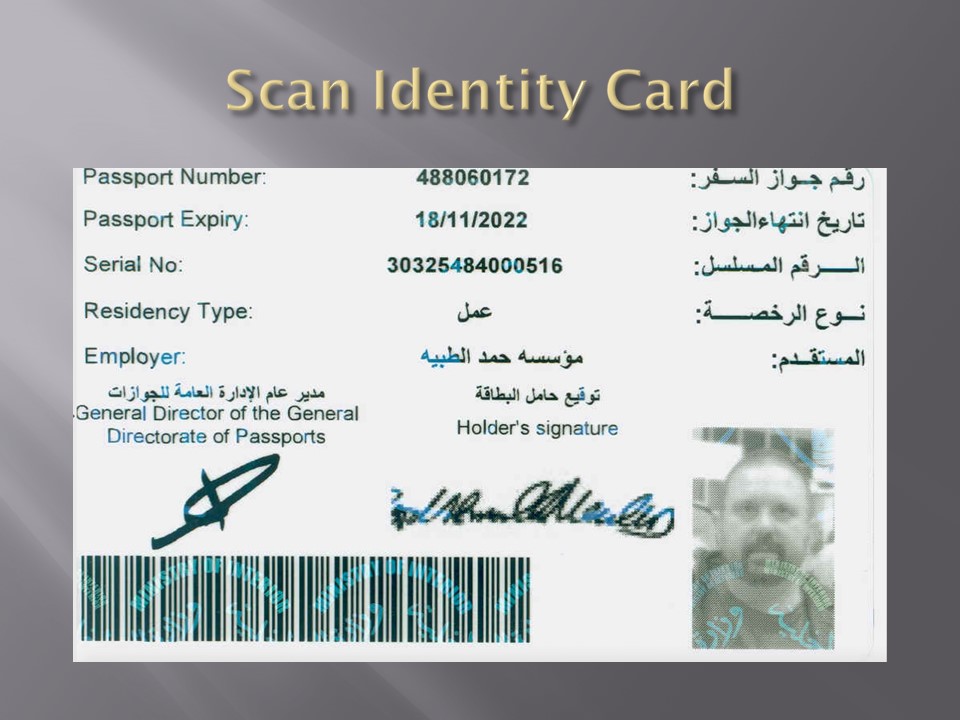
Donors must come with a valid Qatari identity card:  no ID means no screening

Sex:

Males only to minimize the risk for transfusion-associated lung injury TRALI

Donor Feeling:

If the donor does not feel well, he should not come for screening/collection.

Food/Drink:

Donor must have eaten/drunk fluids within 4 hours of arrival for screening/collection.

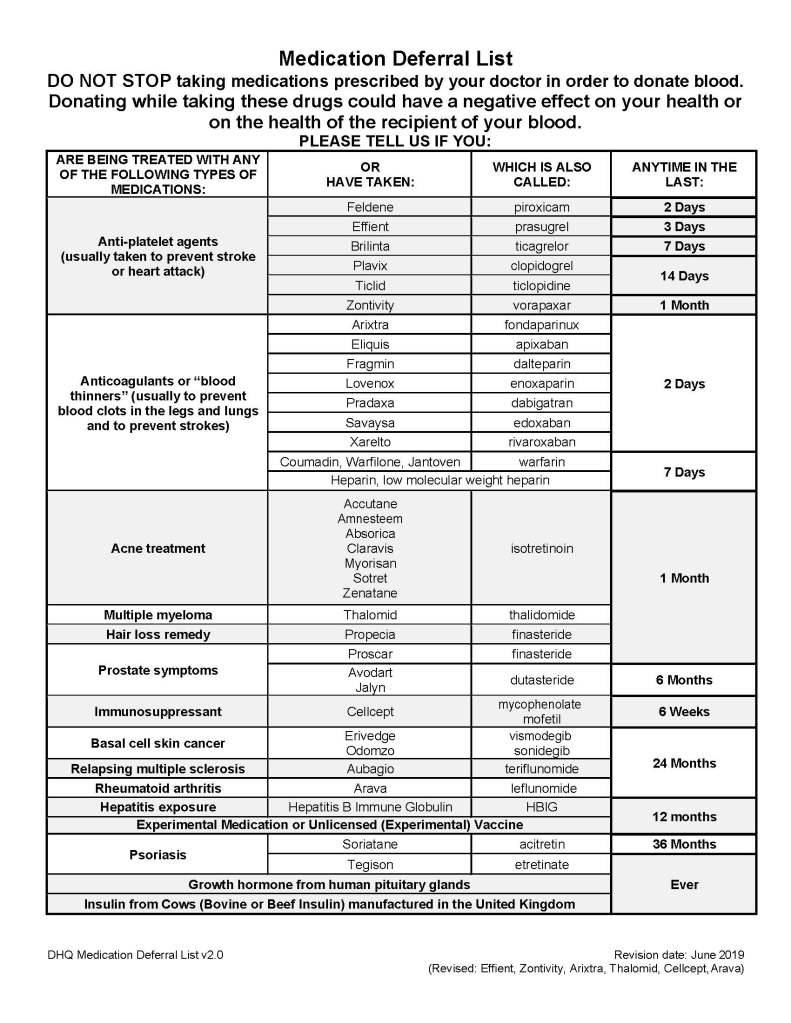
Medication exclusions:

  1. Antibiotics within the past 14 days
  2. ACE inhibitors in the past 48 hours
  3. Beta blockers
  4. Anticoagulants
  5. Anti-anxiety or other psychotropic medications
  6. Other medications in the attached list DHQ 2.0

Medical exclusions:

  1. Stable vital signs
  2. History of seizures
  3. History of dementia or other chronic neurologic disorder
  4. Family history of dementia or other chronic neurologic disorder
  5. Significant cardiac arrhythmias
  6. History of hepatitis B, hepatitis C, HIV, brucellosis, Ebola

Travel history:

  1. 5 years cumulative residence in Europe including Ireland and France 1980-2001
  2. 3 months cumulative residence in the UK (and/or all its territories) 1980-1996
  3. Any visit(s) to West Africa

This is NOT a complete list of criteria.  Transfusion Medicine personnel will screen according to the full donor criteria.  Thus, donors passing the prescreening may still be otherwise disqualified based on the detailed process (testing, physical examination, etc.)

Interim Policy Updated Donor Medication Deferral List 190805 based on DHQ 2.0:

COVID-19 Convalescent Plasma Project, Winter 2020
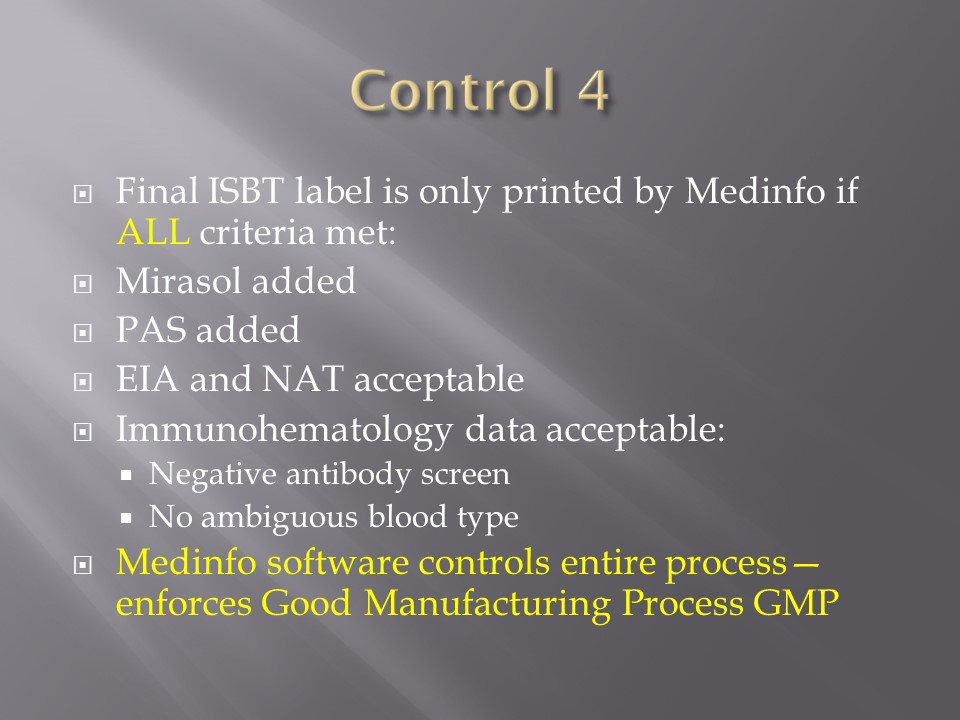
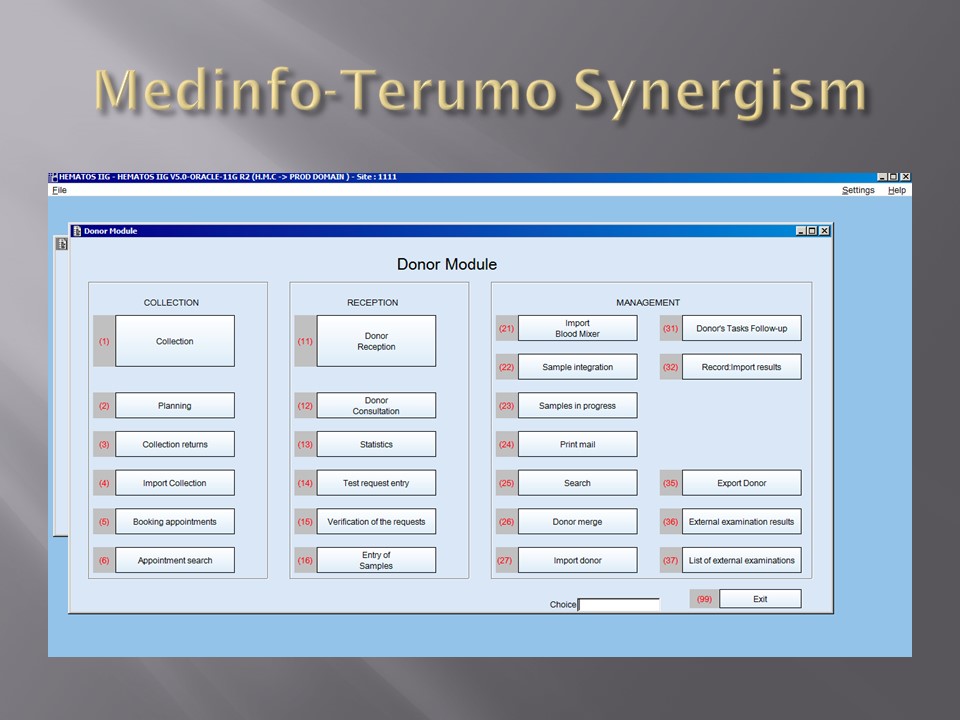
While I was still associated with HMC Doha, I developed and set up an expedited setup for COVID-19 convalescent plasma production, initially manual and then fully integrated into the Medinfo blood bank computer system.

Specifically, I built a customized version of our Medinfo blood bank system to replace the manual system and increase safety the safety and production throughput while maintaining good manufacturing practices GMP. The full system (manual first, then computerized) was implemented within two weeks including a completely separate quarantine convalescent COVID donor screening, collections, processing, and release.

Subsequent posts will detail my processes.

Now An Independent Consultant

I am an independent consultant in Transfusion Medicine. Effective 16 April 2020, I am no longer associated with Hamad Medical Corporation or the State of Qatar.

I am willing to consider other opportunities in Transfusion Medicine (donor, patient, apheresis) and blood bank informatics.

Just before leaving HMC, I established the COVID19 convalescent plasma program with full good manufacturing practices using Medinfo Hematos IIG blood bank software.

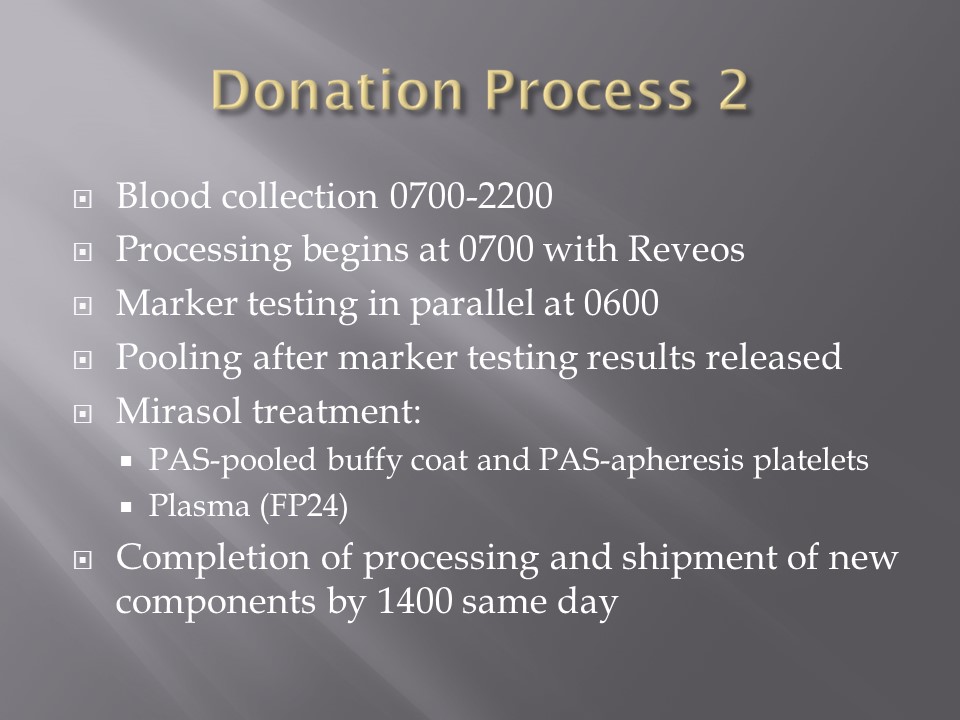
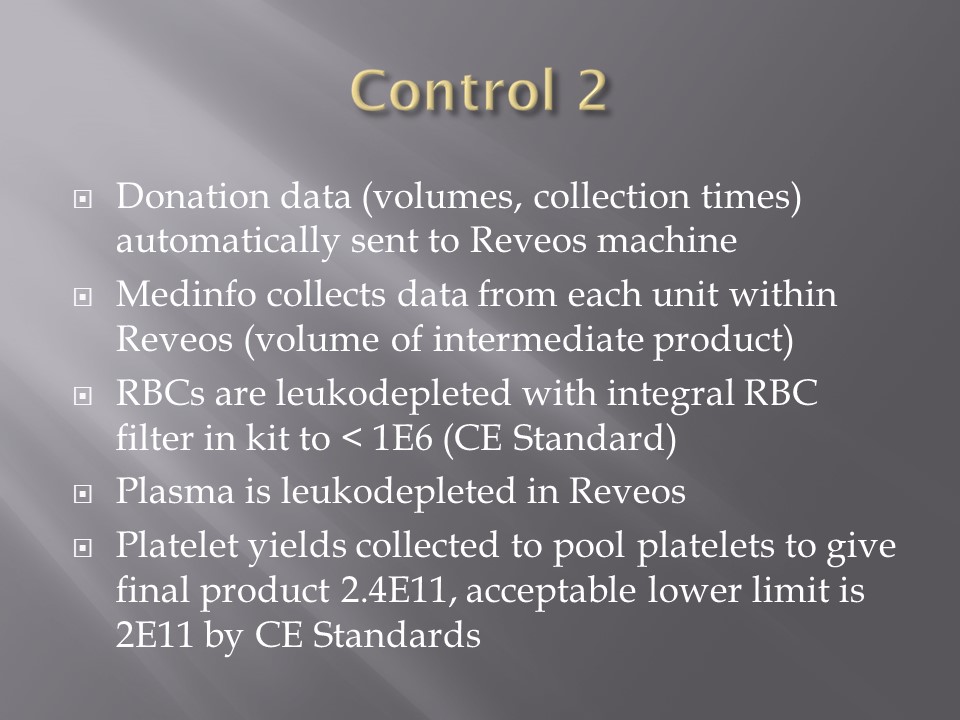
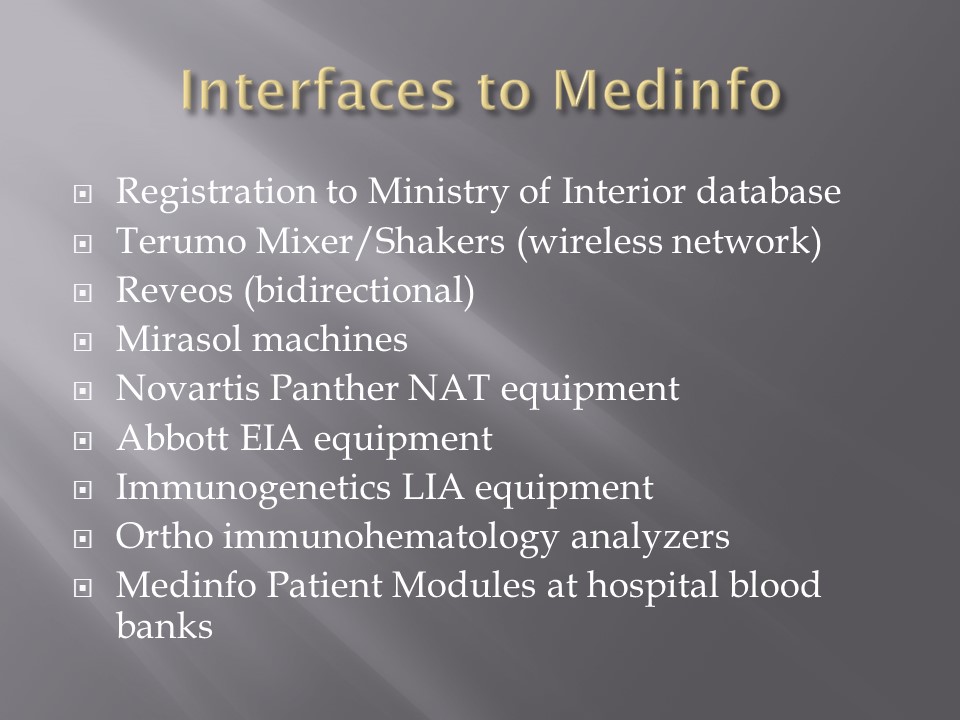
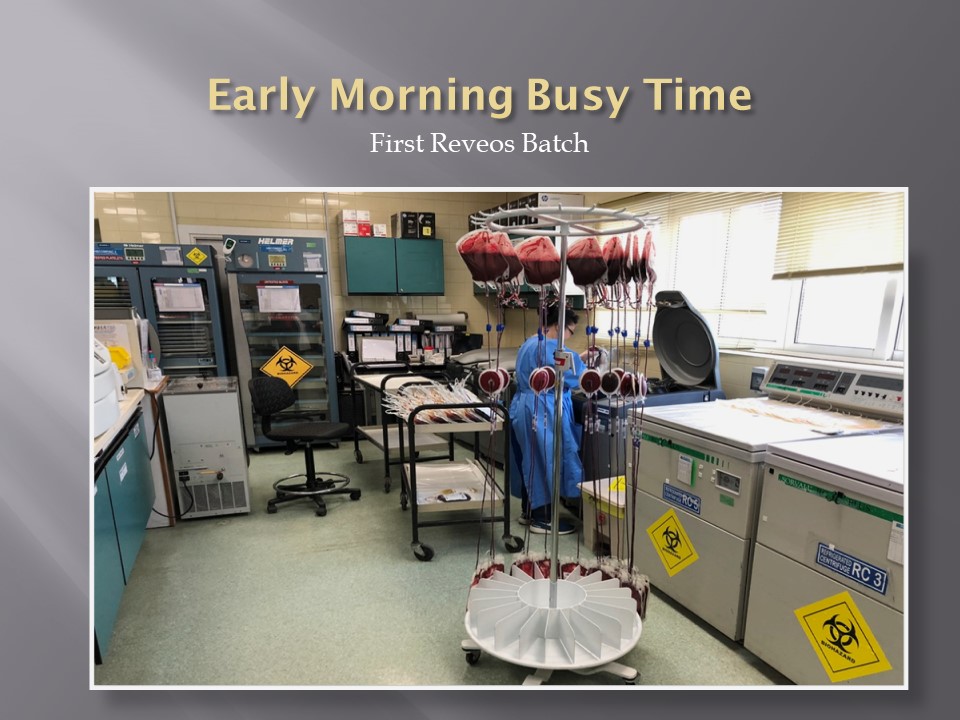
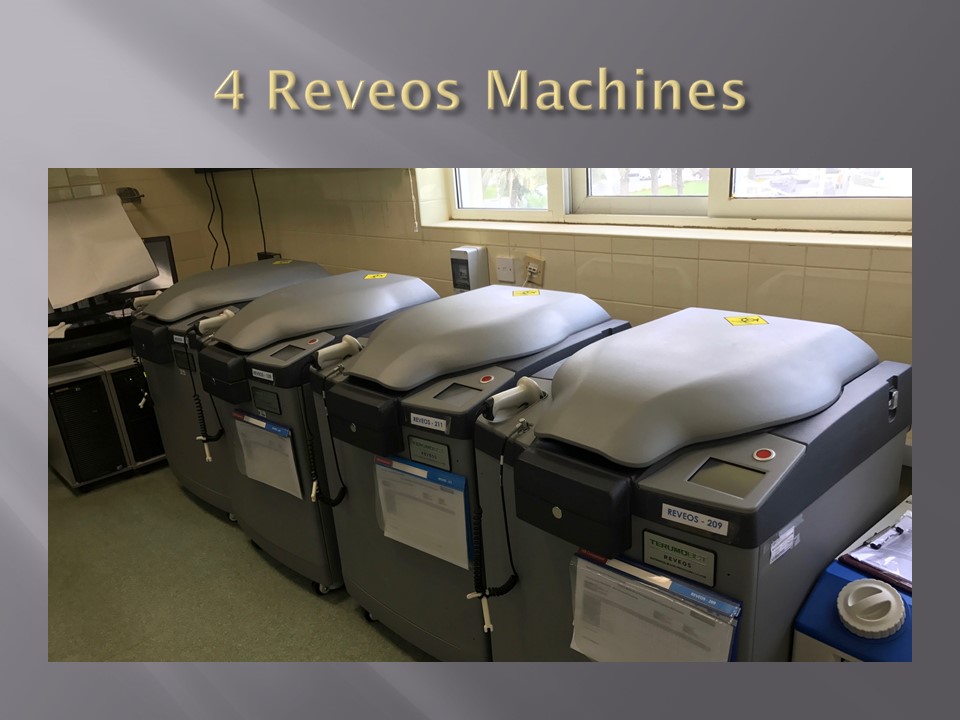
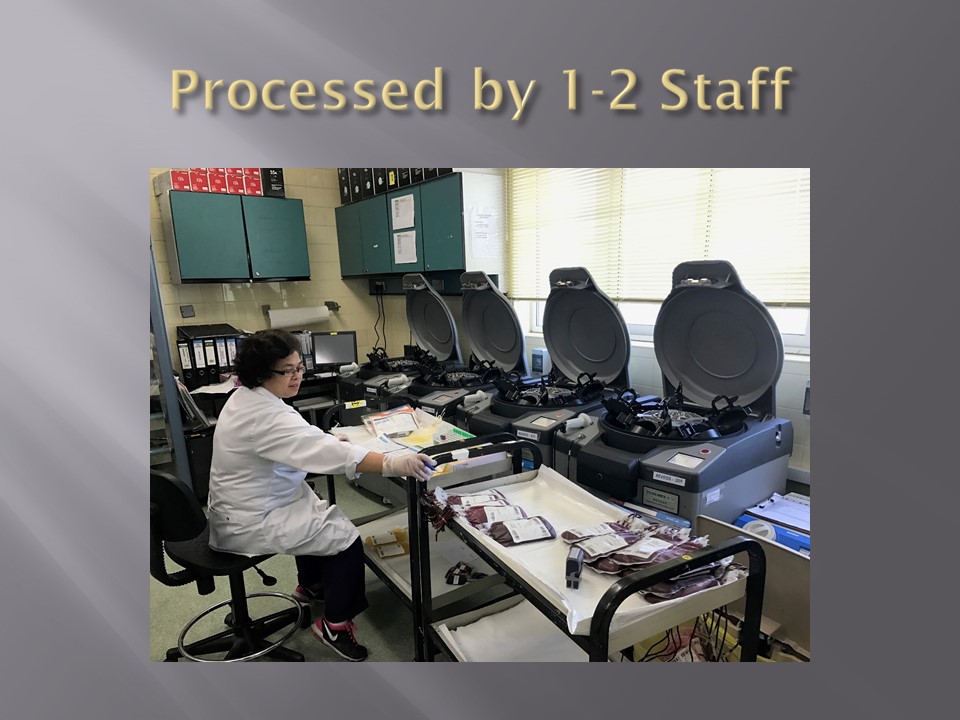
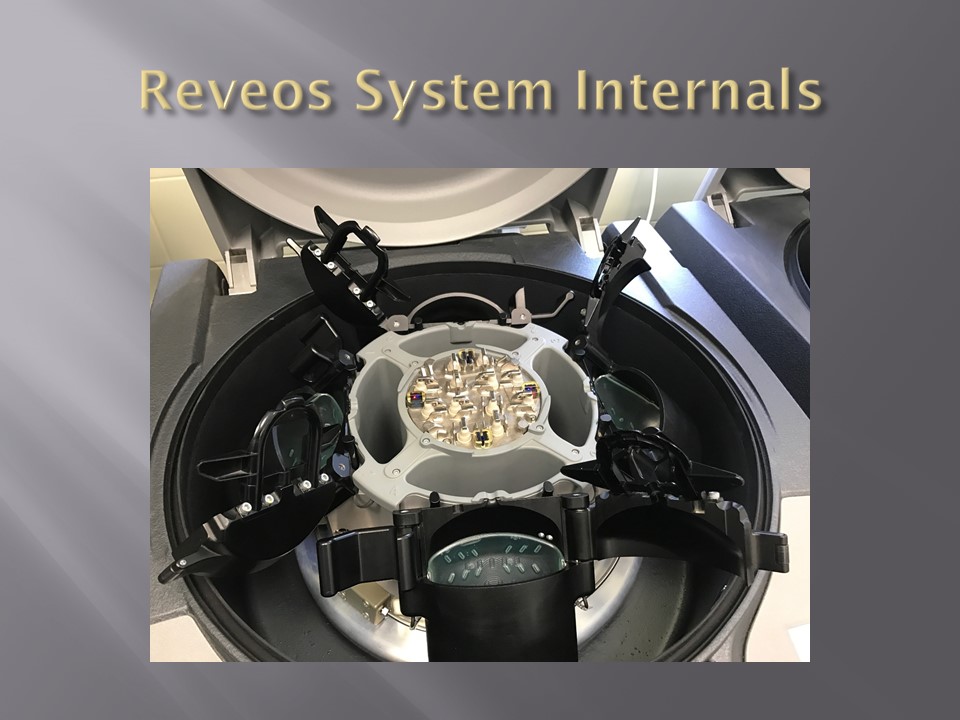
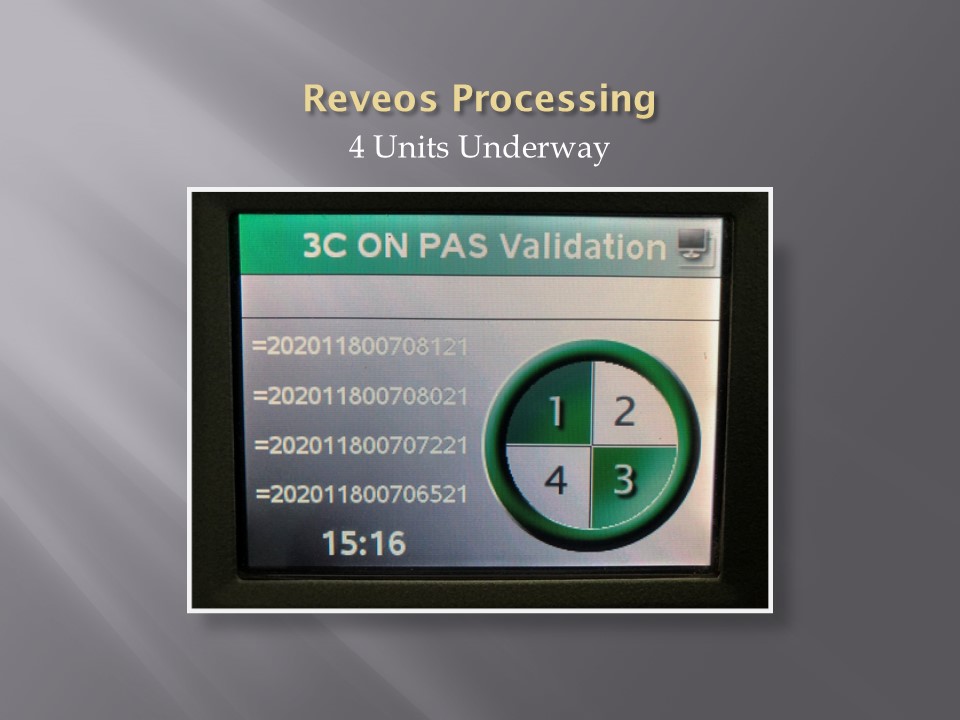
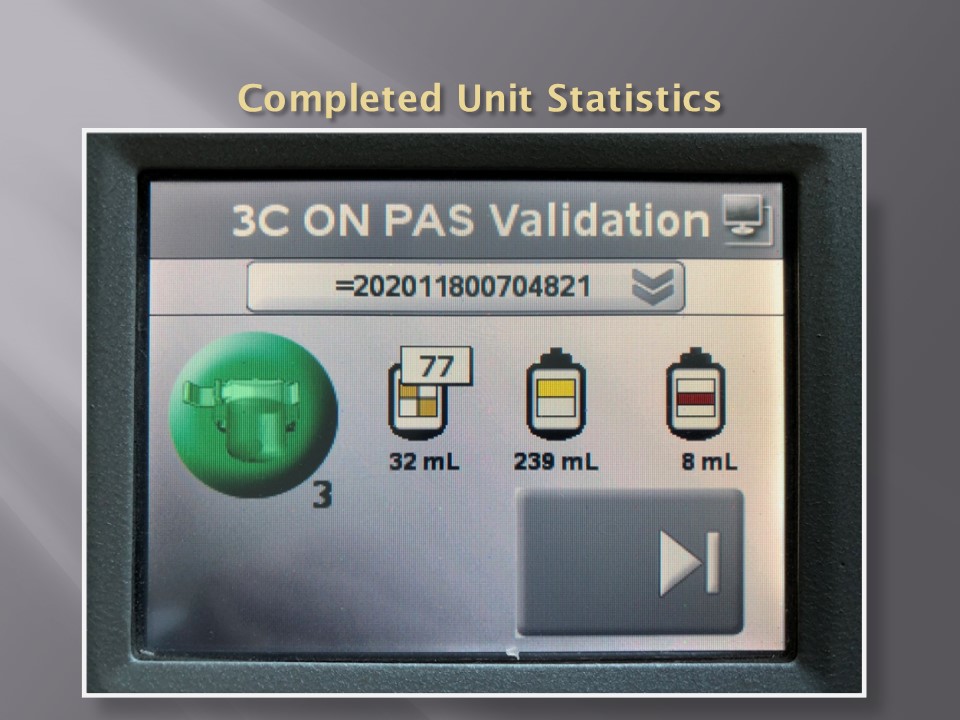
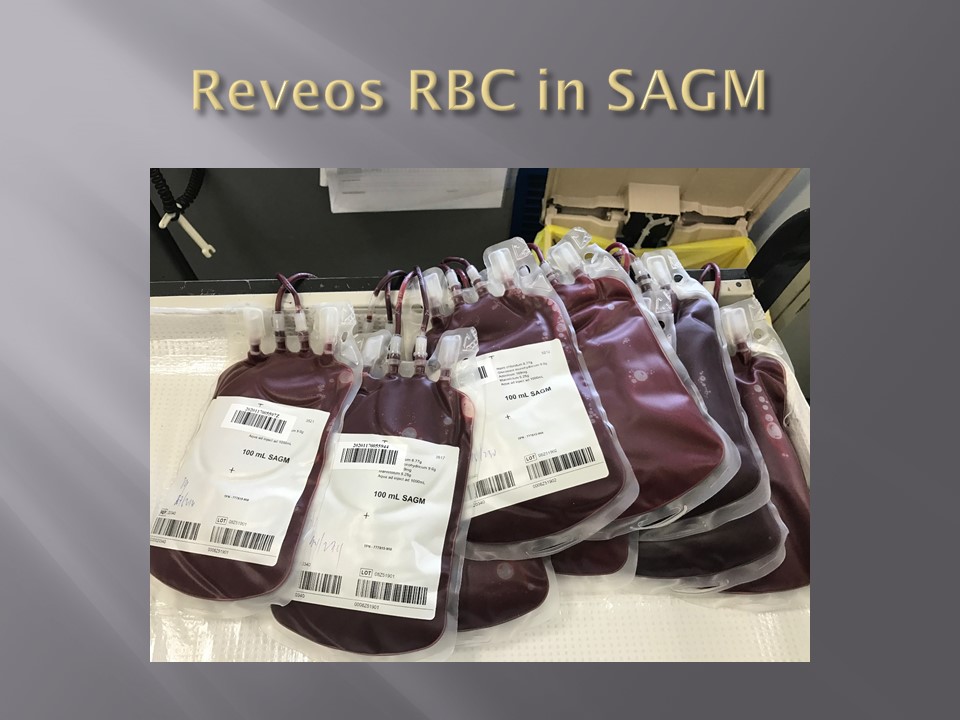
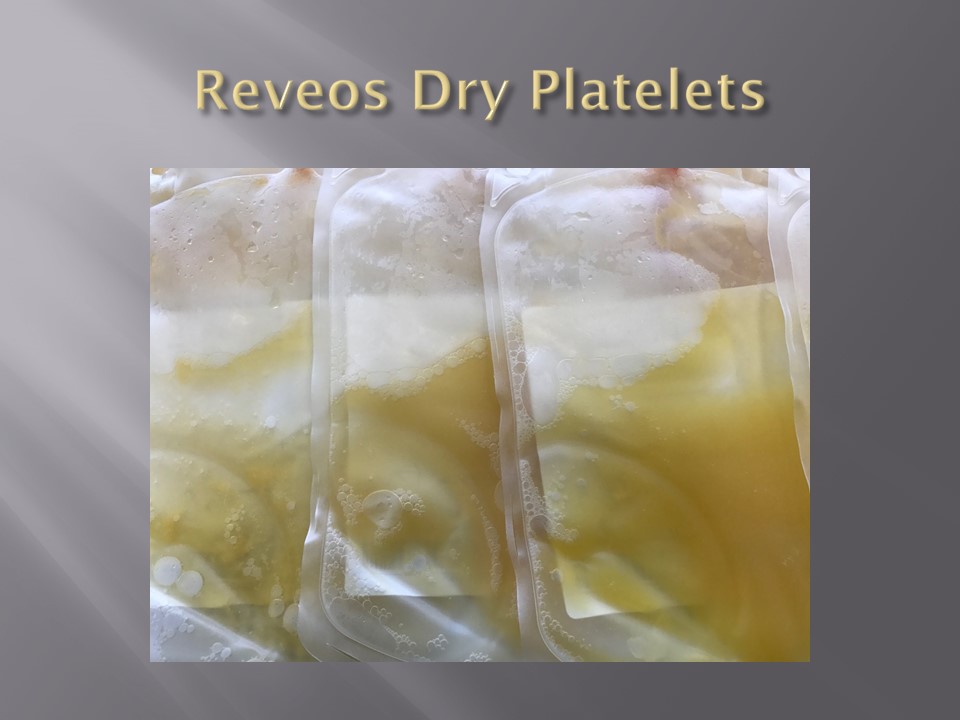
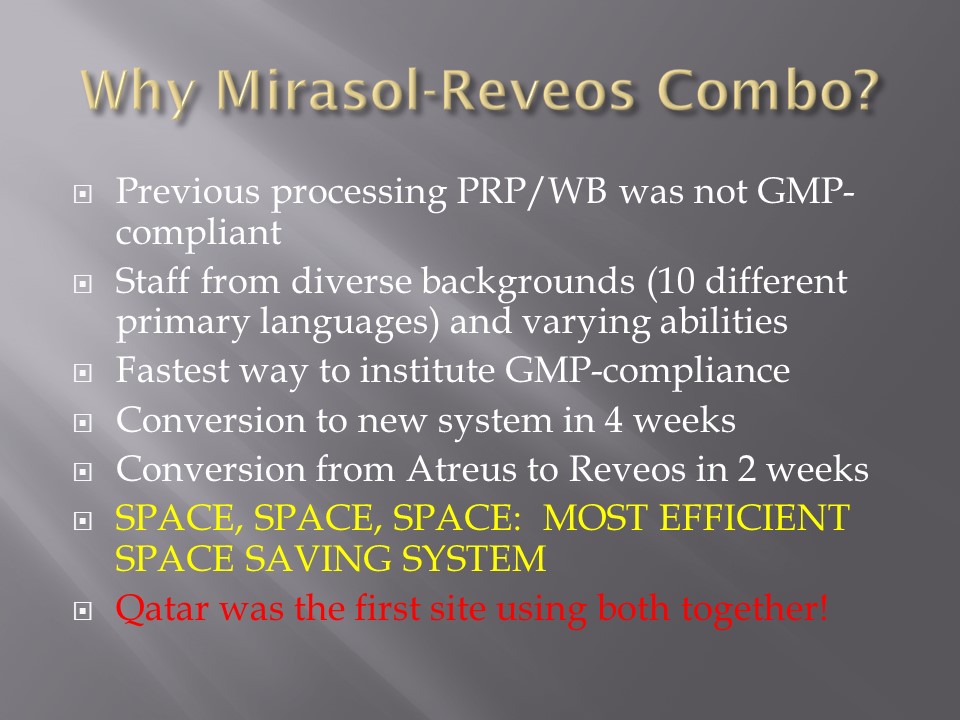
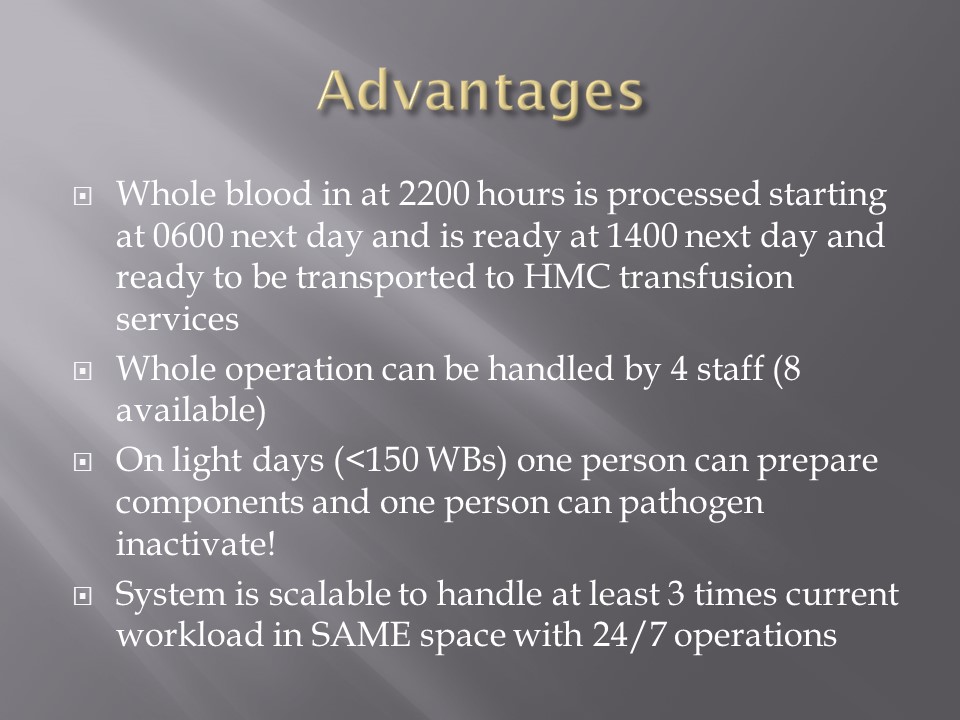
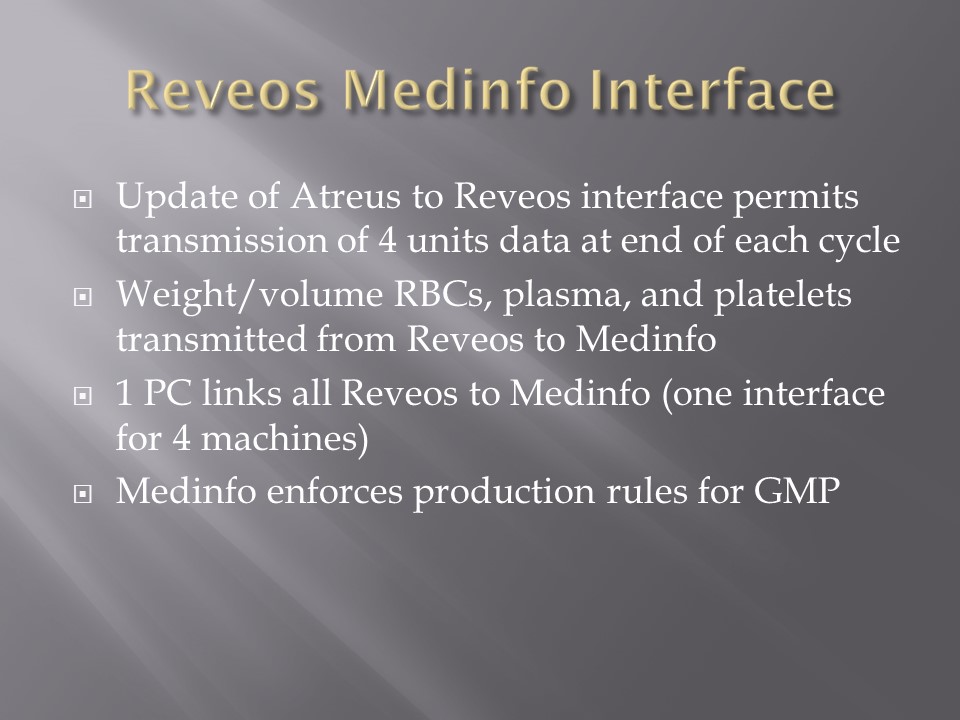
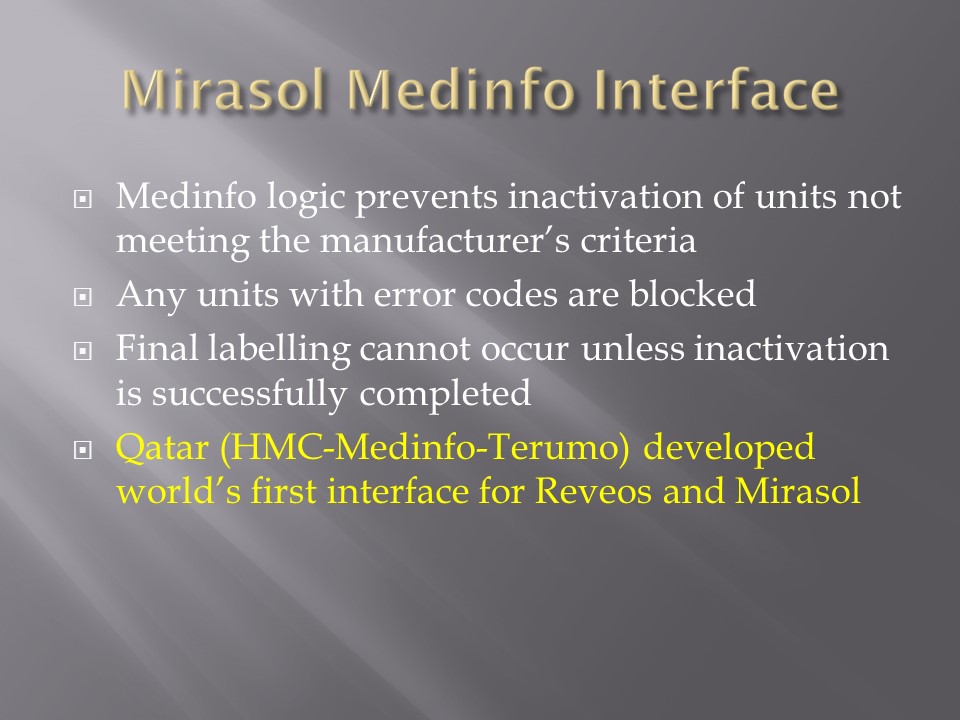
I have 10 year’s experience in pathogen inactivation and blood component automated production. I established the first site using Terumo Atreus (later Reveos) with Mirasol pathogen inactivation AND platelet additive solution. I established Medinfo interfaces with all production equipment to achieve GMP.
I have worked with laboratory information systems, especially but not limited to blood bank systems (donor, component processing, donor marker testing, pathogen inactivation, platelet additive solutions) and serve as the Head of the Medinfo IIG (Nice, France) Software Users Group.

I was involved with planning for the national plasma fractionation project in Saudi Arabia. I have worked with this industry while I was practicing in the United States.

It is my philosophy to start with an international framework (e.g.FDA, CE) and localize it for the country’s particular needs. My operation sites have served as international reference sites for combined IT and medical/technical processes.