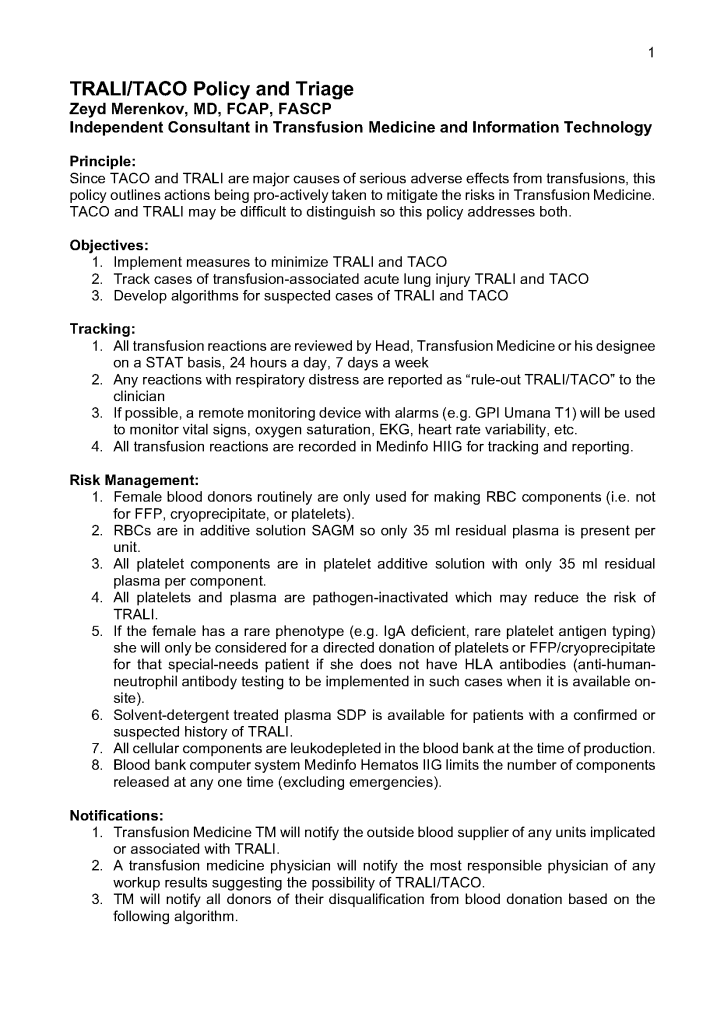
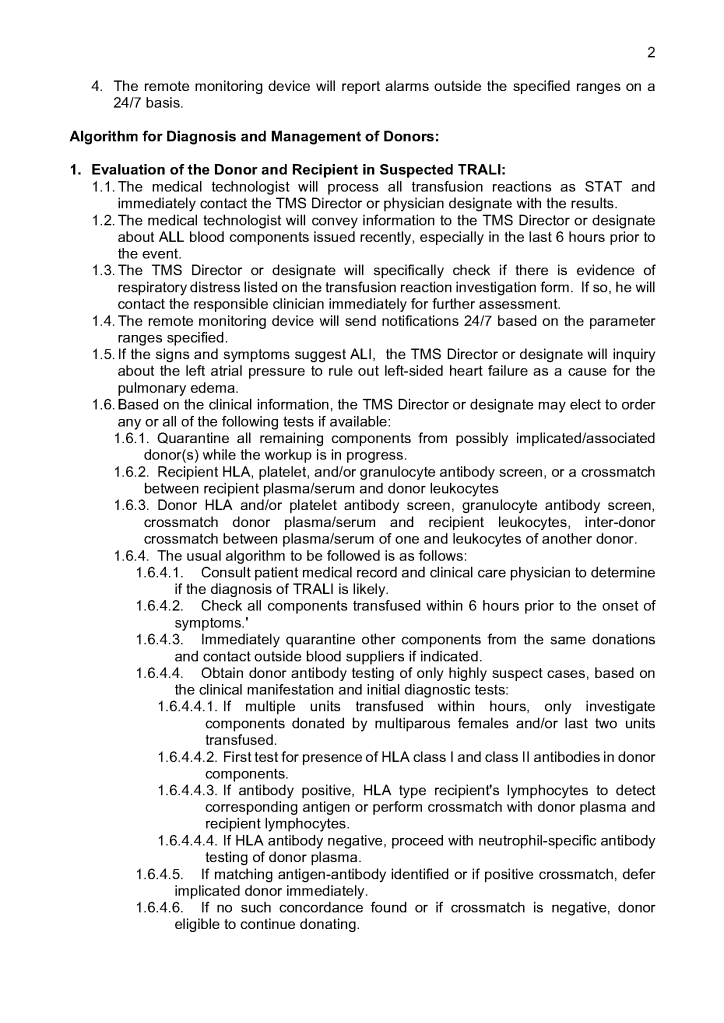
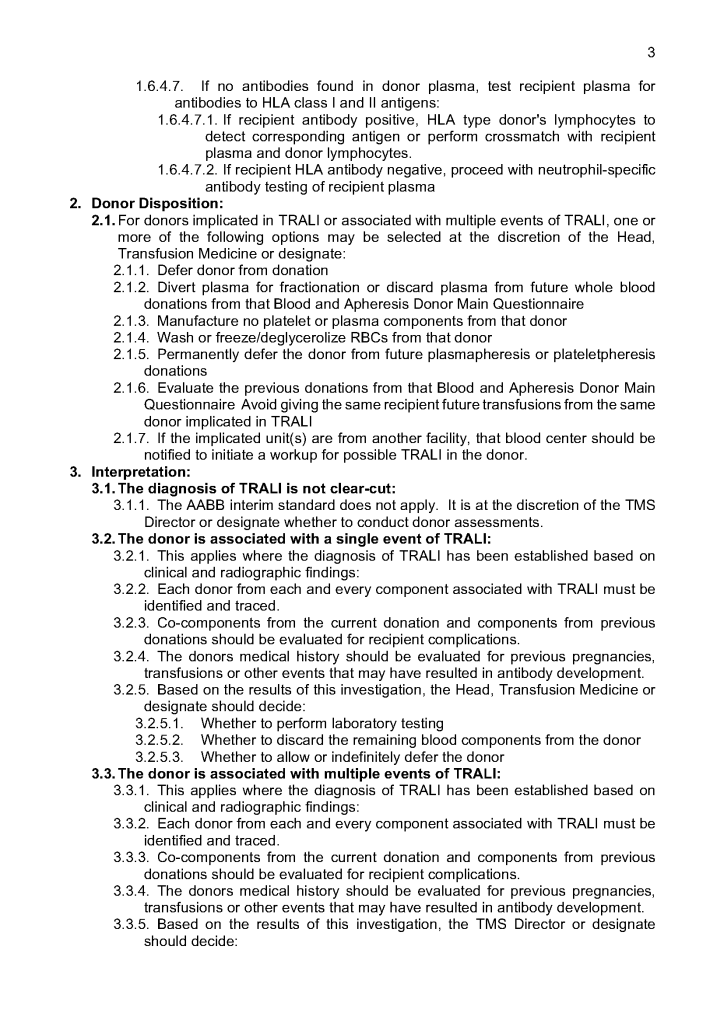
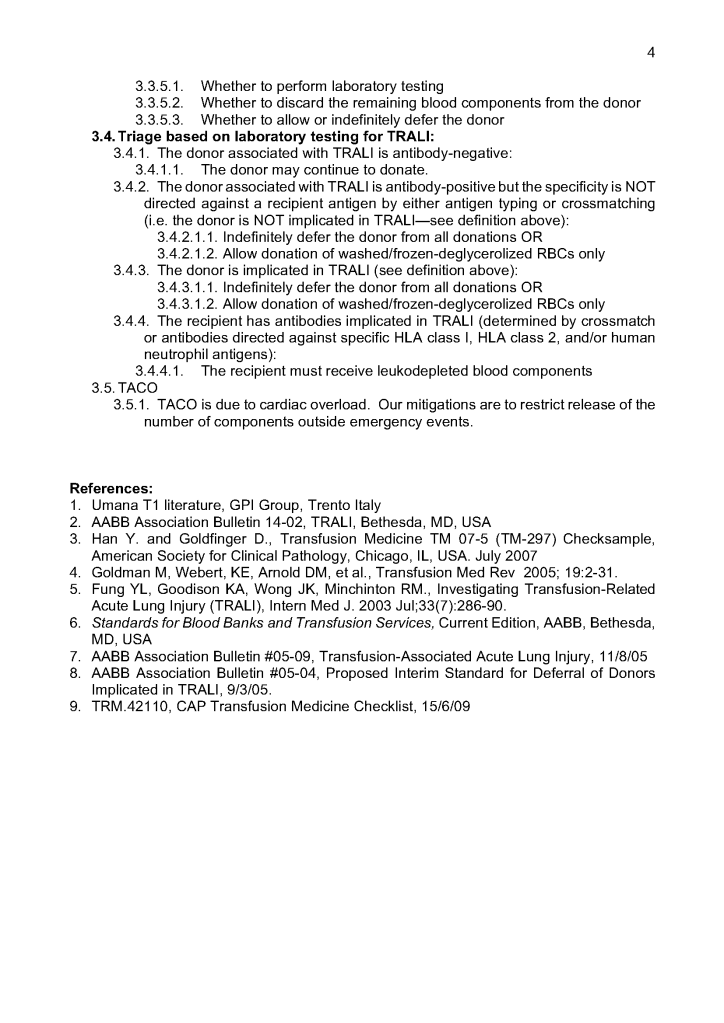
Donor criteria for COVID convalescent plasma collection have been updated by the US FDA. This policy has adapted them to our practice setting.
Policy:
Donors who donated CCP prior to COVID-19 vaccination may donate following vaccination if they meet remaining donor eligibility criteria.
Donors who did NOT have symptoms and a positive diagnostic test for COVID-19 prior to vaccination are ineligible to donate plasma after COVID -19 vaccination.
Individuals may donate CCP for up to 6 months after resolution of COVID-19 symptoms regardless of what their antibody levels are at 6 months.
Only high-titer units (as defined by the reagent manufacturer) may be used for patient treatment.
Reference:
Regulatory Update: FDA Officials Provide Insight on High-Titer CCP, Donor Eligibility Following Vaccination, 9/2/21, AABB, Bethesda, MD, USA
The Medinfo HIIG interface to the Reveos is a bidirectional interface, which was first developed by the Medinfo team for HMC in Qatar. It is similar to the Atreus interface but there are 4 units processed simultaneously in each cycle of operation whereas the Atreus only processed 1 unit each cycle. In Qatar it was used in conjunction with Mirasol riboflavin-based pathogen inactivation.
The process is:
Medinfo controls registration, donor screening, and donor collection of whole blood and apheresis-derived (Trima) components.
Medinfo will assign ISBT specimen labels for the whole blood collected with the Reveos blood kit.
Medinfo will not allow processing of whole blood units not meeting donor criteria (donor screening, volumes, collection time, donor deferral database, etc.)
Reveos will read ISBT specimen labels generated by Medinfo.
Upon processing, Medinfo will receive from the Reveos machine the packed red blood cell, plasma, platelet, and buffy coat volumes for each bucket in the Reveos machine.
If the volumes are within the specified ranges, platelet pooling and Mirasol pathogen inactivation of platelets and plasma may proceed.
For each component, the following information will be collected:
All timestamps in the process
Which Reveos machine used
Which bucket in each machine used
Volumes collected (packed RBCs, buffy coat platelet, plasma volume)
Reveos collection set details
Processing technologist ID
The key point is the complete TRACEABILITY of each component throughout its production. Should there be a failure in production, we can trace exactly where the problem is and then quarantine this and any other affected units simply in the system. Additionally, this information is part of the permanent record of the unit so it can retrieved subsequently at any time.
This post is about my over 10 years of experience with automated component processing using Terumo equipment, first Atreus and then Reveos at HMC Qatar. The Reveos system is still in use at that institution. There is also a previous post about Mirasol riboflavin-based pathogen inactivation.
We were the first place in the world to combine the automated component production Atreus with the Mirasol pathogen inactivation. Their synergism was very important in the rapid throughput of component production for Qatar.
Terumo has two programs, 2C (C for components) to yield plasma and RBCs and 3C for yielding RBCs, plasma, and platelets. The 2C program is faster but no platelets are separated.
We used the Atreus since 2010 and later replaced it with the Reveos in 2016. Both systems use a special blood bag set that collects the whole blood in European CPD. The kit is carefully placed in the machine. Atreus machines accepted one blood bag set, the Reveos can accept up to 4 sets. In both cases, the whole blood is processed to yield packed RBCs, leukoreduced plasma (<1E6 residual WBCs), platelets, and a special WBC bag (i.e. the residual buffy coat, which is not for clinical use.
The Atreus took about 10 minutes to process the one bag set whereas the Reveos processes 4 bag sets in slightly more than 20 minutes. Thus, the throughput from the Reveos is twice that of Atreus.
We had 4 Atreus and later 4 Reveos machines and these were handled by up to 4 technologists, depending on the number of the units. While the machines were running, the staff were filtering the RBCs and platelet pools, pooling the platelets, and performing the PAS-Mirasol pathogen inactivation. The workflow was not hectic and staff were not stressed out by the multiple tasks. Normally 1 staff member ran the Reveos or Atreus machines at any one time.
When the processing was complete, the RBC bags were filtered with an integral leukodepletion filter designed to leave a residual of <1E6 WBCs in accordance with the CE Standard. The platelets were combined to give a target yield of >= 2.4E11 absolute number of platelets. Then the pool was leukodepleted by filtration to a residual of <1E6 WBCs.
Both Reveos and Atreus measured the RBC, platelet, and plasma volume yields. Additionally, for platelets a Platelet Yield Index PYI was calculated as a relative measure of the platelet yield. To reach a goal of 2.4E11 platelets, the PYI indices for the individual platelet bags were added so that the total exceeded 240.
When combined with the Mirasol system, the component volumes for the plasma and platelets needed to be within specified ranges. Both systems could easily meet these requirements.
When we switched from Atreus to Reveos, our platelet yields increased. The transition period was only two weeks. When we adopted platelet additive solution PAS at the same time, the Reveos had a special program to make “dry” platelets with less volume so that the PAS could be added and still stay within the acceptable range for pathogen-inactivation.
Throughout these years, Terumo sent us special engineers to handle the Atreus then Reveos, Mirasol, and PAS processing. All staff were trained by Terumo initially before we finalized their competency assessments.
We had excellent local service: we never had downtimes due to equipment failures. During the COVID pandemic, all materials (kits, filters, Mirasol solution, and PAS) have been provided without interruption.
We went live with Medinfo Hematos IIG software for the entire blood donor center and hospital blood banks in 2013. From the first day 30/6/13 we had bidirectional interfaces first to the Atreus and later to the Reveos—the world’s first. Likewise, the Mirasol and PAS processing were fully integrated with Medinfo when they were activated.
The residual buffy coat was not used for patient care. However, it has proven invaluable as a quality control material for the stem cell laboratory. In addition, many researchers have used it to establish cell lines for investigational use.
Proper handling the collected whole blood units is critical to success:
Maintain the temperature below 25C.
Carefully stack the whole blood units in the blood containers—do not play “ring toss” and just throw them into the container.
In summary, I am very pleased with using this system for over 10 years. In a few weeks, the production laboratory was fully GMP compliant using a diverse group of staff with varying technical backgrounds.
The following are some pictures of the Reveos and its prepared blood components.
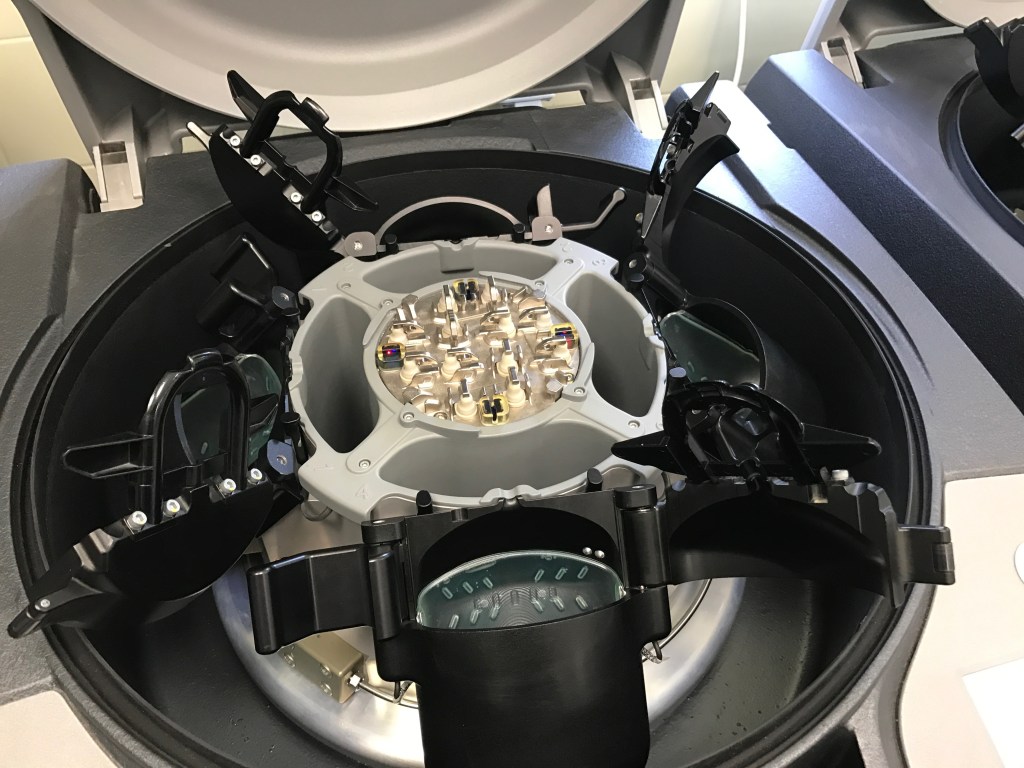
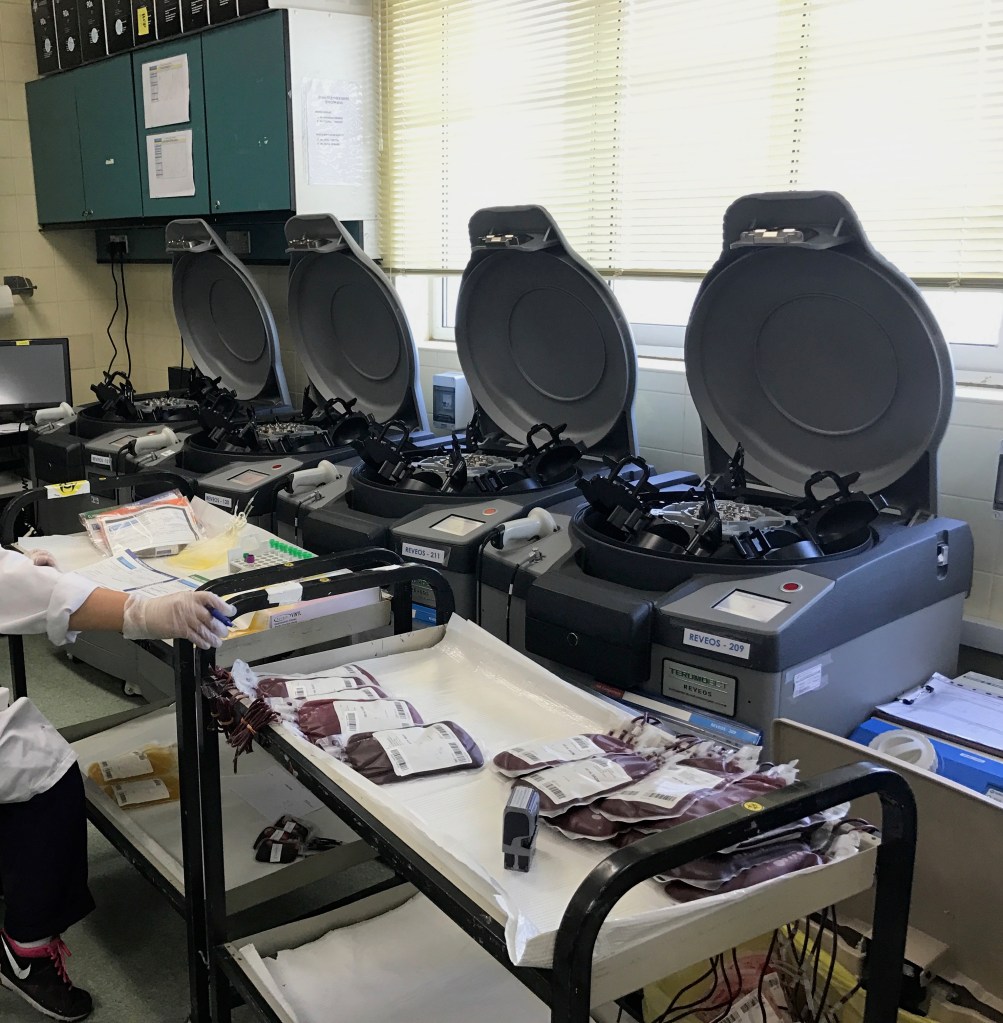
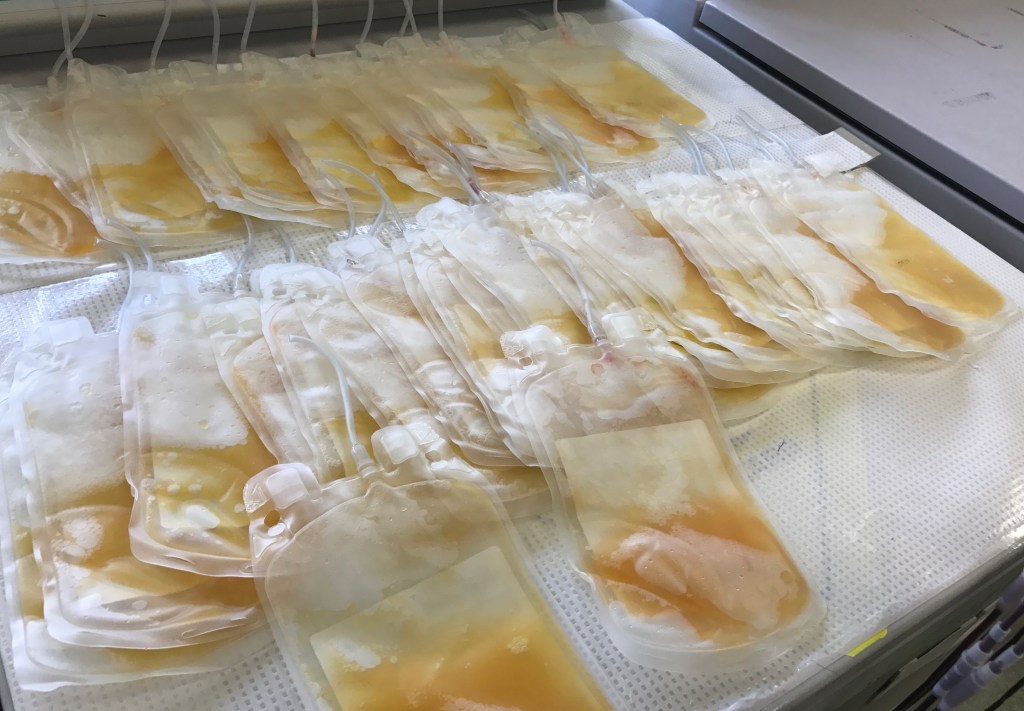
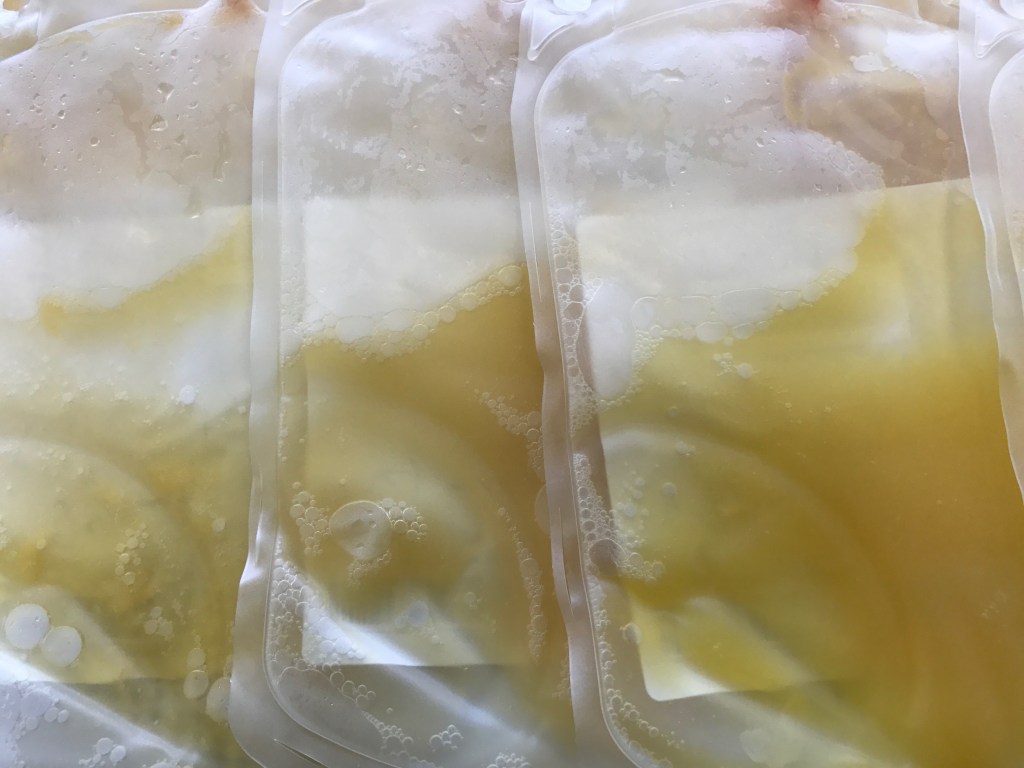
Reveos Machine has 4 chambers to process the 4 whole blood units.Reveos takes up little space: this crowded corner processed all whole blood for Qatar.Buffy-coat platelets processed by the ReveosClose-up of Reveos buffy coat platelets: notice there are NO streaks of RBCs.
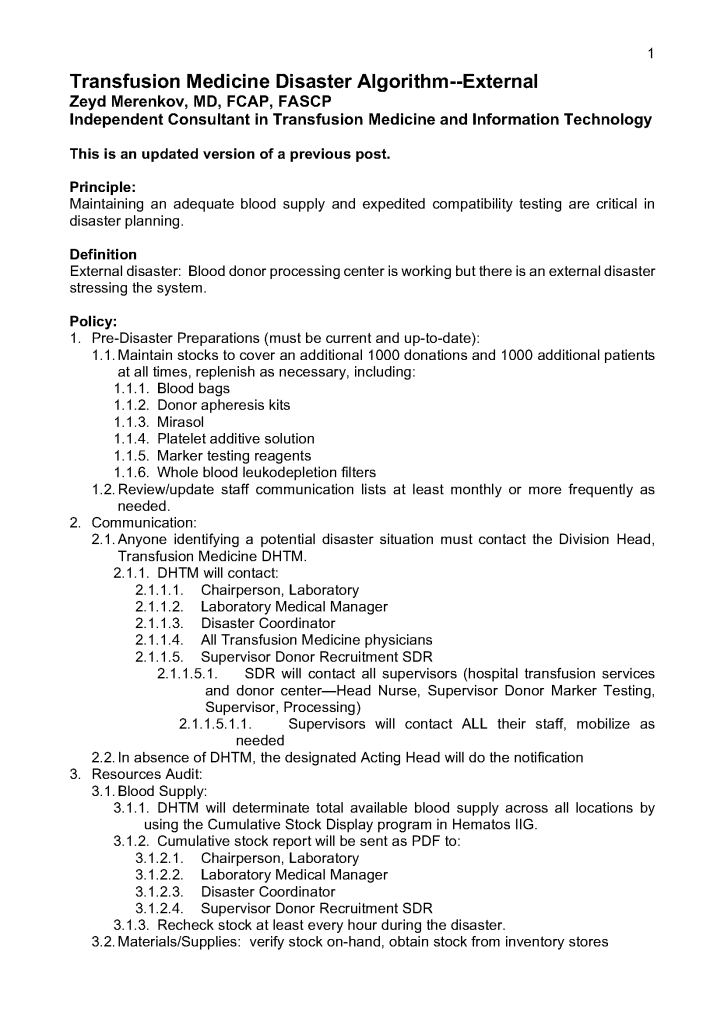
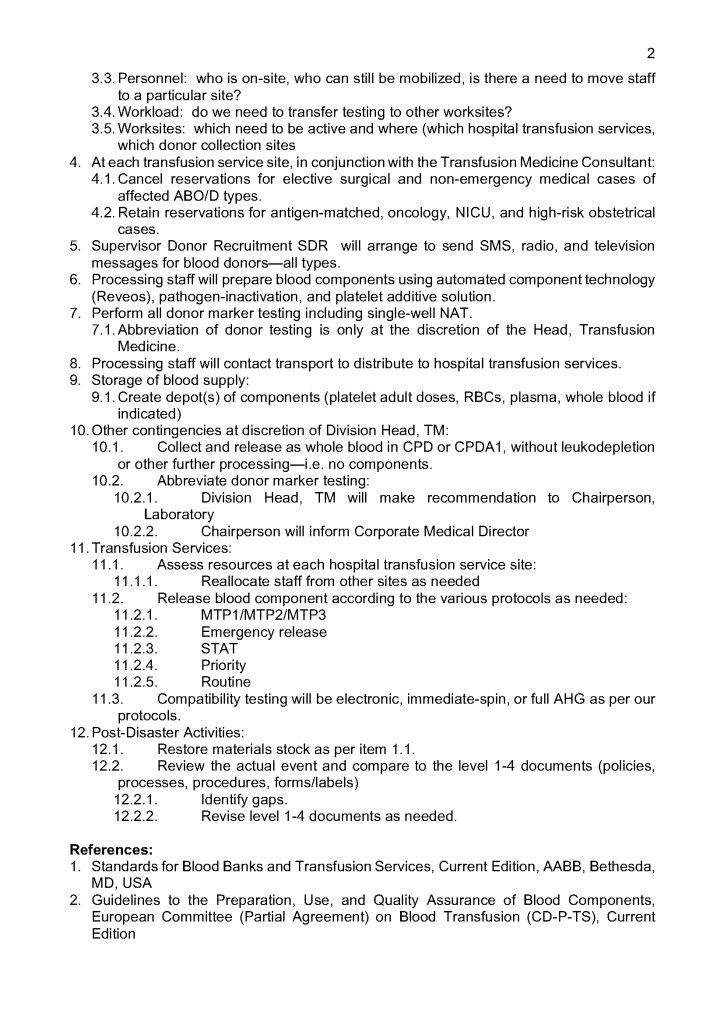
This is the latest update on donor qualifications during the COVID-19 pandemic and addresses issues about COVID-19 vaccination, COVID convalescent plasma use and donation, return of donors into the donor pool after COVID-19 vaccination. All of this information is subject to change as new regulations are released.
Policy:
All donors must be in good health and meet all donor eligibility criteria at the time of the donation.
Individuals diagnosed with COVID-19 or who are suspected of having COVID-19, and who had symptomatic disease, must refrain from donating blood for at least 14 days after complete resolution of symptoms.
Individuals who had a positive diagnostic test for SARS-CoV-2 (e.g., a nasopharyngeal swab), but never developed symptoms, must refrain from donating at least 14 days after the date of the positive test result.
Individuals who are tested and found positive for SARS-CoV-2 antibodies, but who did not have prior diagnostic testing and never developed symptoms, can donate without a waiting period and without performing a diagnostic test (e.g., a nasopharyngeal swab).
Individuals who received a non-replicating, inactivated, or mRNA-based COVID-19 vaccine can donate blood without a waiting period.
Individuals who received a live-attenuated viral COVID-19 vaccine, must refrain from donating blood for 14 days after receipt of the vaccine.
Individuals who are uncertain about which COVID-19 vaccine was administered must refrain from donating for 14 days if it is possible that the individual received a live-attenuated viral vaccine.
Individuals who received monoclonal antibodies should be deferred for three months from the last dose.
Donors who have received blood components, including COVID-19 convalescent plasma are deferred for 3 months since the last transfusion.
Recovered COVID-19 patients who are eligible to donate CCP and receive an approved COVID-19 vaccine may donate if they:
Had symptoms of COVID-19 and a positive test result from an approved diagnostic test
Received the COVID-19 vaccine after the diagnosis of COVID-19
Are within 6 months after complete resolution of COVID-19 symptoms
References:
Summary: Donation of CCP, Blood Components, and HCT/Ps Following COVID-19 Vaccines or Treatment with CCP or Monoclonals, Updated 3/2/21, AABB, Bethesda, MD, USA
Updated Information for Blood Establishments Regarding COVID-19 Pandemic and Blood Donation, US FDA, 19/1/21
Toolkit for COVID-19 Convalescent Plasma (CCP) Under Emergency Use Authorization Issued 02 04 21 Revision 12/2/21, AABB, Bethesda, MD, USA
This is a teaching document of a process to irradiate RBC components when our irradiators are not functioning. In our system, we used Mirasol pathogen-inactivation so our RBC units were affected. The number of units for advance irradiation was based on our historical usage of irradiated units across our system. The workweek is Sunday-Thursday so on Thursday special effort was made to have the minimum number of irradiated units available.
We used irradiated units for compatibility testing to avoid the possibility that the unit would be released without irradiation.
Emergency Interim Procedure:
Verify the patient’s diagnosis/location: All Hematology-Oncology patients should receive irradiated blood. Refer to the list of diagnoses for which irradiation is indicated (attached).
Only PRBCs need to be irradiated. Mirasol-treated (pathogen-inactivated) platelets can be used directly without irradiation in accordance to Council of Europe CE regulations.
Attach radiation indicator labels to the selected units as per the irradiation procedure.
Send the units for irradiation to the Radiation Oncology department.
Verify that the proper dose of irradiation was received while in the Radiation-Oncology department.
Keep a minimum stock of 20 group O-positive units irradiated at the start of each day AND before the start of the weekend on Thursday afternoon. Irradiate that number of group O-positive units plus any other specific requests for blood.
You should use the irradiated units for crossmatching. DO NOT CROSSMATCH FIRST BEFORE IRRADIATING!! If the antibody screen is positive, refer the specimen to the Transfusion Service for further processing and selection of units.
Note: If a special antigen typing is needed, we may have to irradiate after selecting the antigen-matched unit if it is not found in the group of irradiated units.
If a unit is required for a child < 20 kg, it must be washed before release if the unit was irradiated more than 24 hours previously according to our irradiation policy.
I originally adopted this technology because of the plethora of new emerging pathogens. In addition, I have been concerned about unknown pathogens that have not yet been discovered. It is not what we know, it is what we don’t know that bothered me.
It is now 10 years since I started using riboflavin-based pathogen inactivation. Our adoption of the technology was as follows:
2010 pooled buffy coat and apheresis platelets, both suspended in plasma
2012 whole-blood derived plasma and apheresis plasma
2015 pooled buffy coat and apheresis platelets, both suspended in platelet additive solution PAS
Buffy coat platelet pools and whole-blood-derived plasma were both prepared with automated blood component technology, originally with the Terumo Atreus and later with Terumo Reveos system. We were the first site worldwide to use automated production with the Mirasol system.
After 10 years and over 300,000 donor collections, no documented infectious agent transmission has been noted. Our average platelet loss has been 4%. There has been no increase in adverse reactions to plasma or platelets compared the time before we adopted these technologies. Physicians accepted the products readily.
Mirasol adoption allowed us to discontinue irradiation of platelets and extend our outdate to 7 days. We did not need a specific bacterial detection system. Pending regulations in the USA will require stringent bacterial detection processes that are not necessary if a pathogen-inactivation system is being used.
Terumo sent its own engineers to set up and validate the system. They also trained all the staff in the actual pathogen-inactivation processes and helped us to perform the validations.
When adopting pathogen inactivation, we compared Mirasol with its competitor and selected it for the following reasons:
Loss of platelets is low (about 4%)—lower than its competitor product.
There is no need to remove the riboflavin from the final product.
In our system, our goal was rapid processing of units. With Mirasol, we did not have remove the riboflavin from the final product. The competitor product requires at least 6 hours post-treatment to remove the psoralen agent. We could immediately use the Mirasol product after treatment!
In our Reveos-Mirasol system, we can process whole blood into packed red cells in SAGM, buffy coat platelets, and plasma in a total of 5 hours including all testing with Mirasol treatment and platelet additive solution PAS.
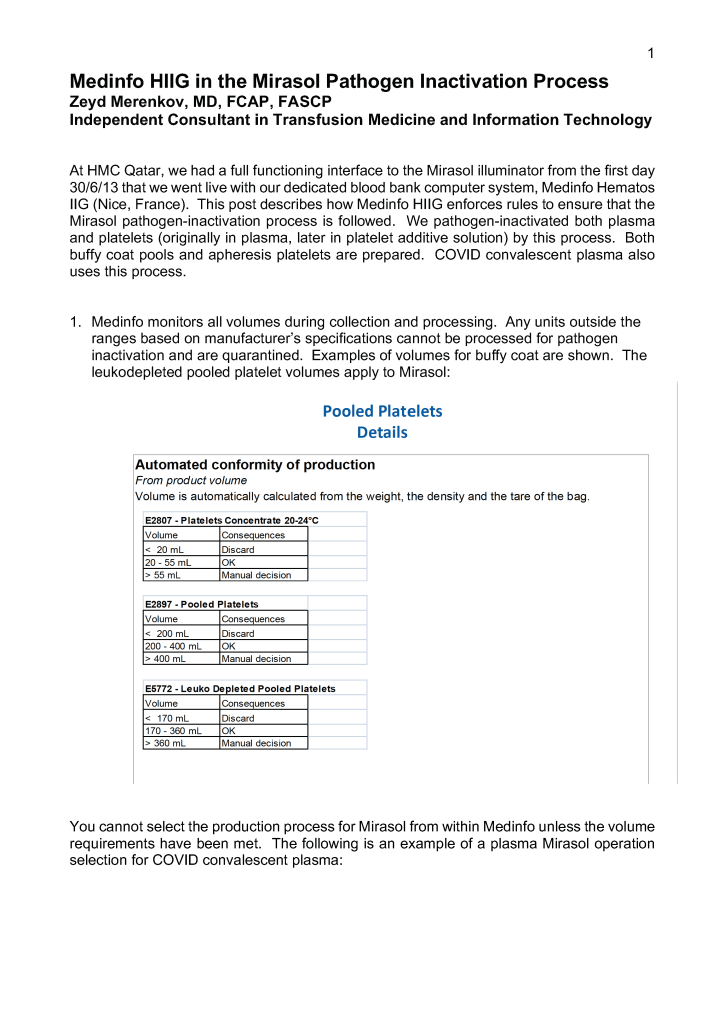
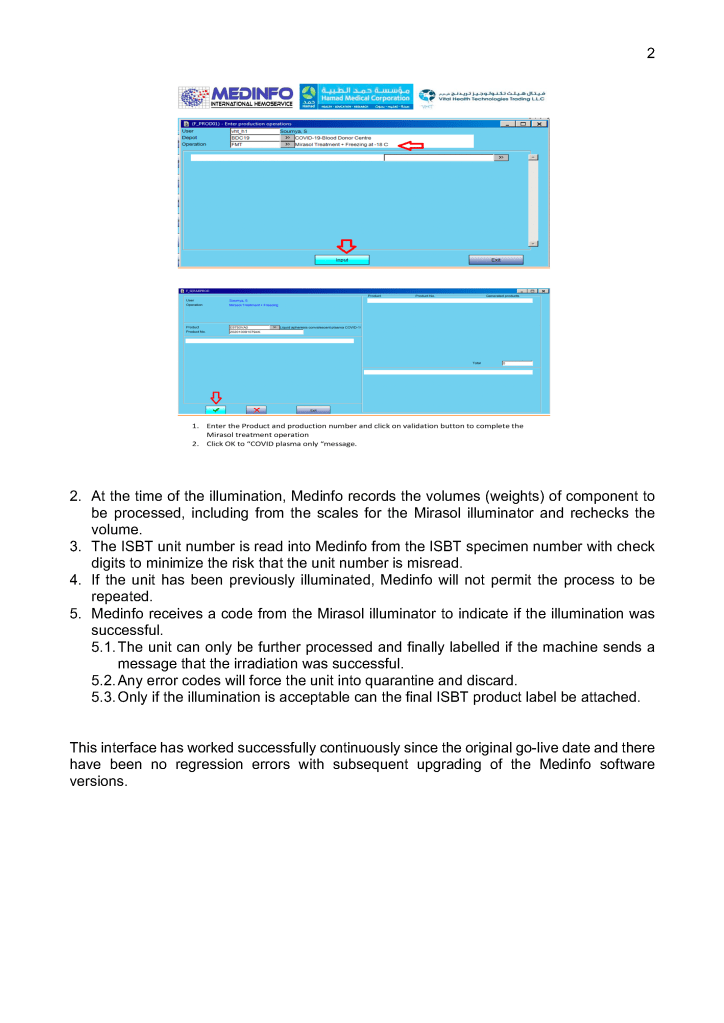
We originally used the system manually, but in 2013, Terumo in conjunction with Medinfo Hematos IIG developed an interface to the Mirasol illuminator. The latter device would transmit the successful completion of the illumination to the software. Any errors in the illumination would block release of the blood component from Medinfo. Medinfo also monitored the component volumes to prevent treatment of units outside Terumo’s recommendation ranges.
Adoption of platelet additive solution PAS gives us a final product with minimal residual plasma which potentially can reduce plasma reactions and TRALI/TACO. It also minimizes our need to reduce the volume of platelet components for pediatric patients, especially in cases with ABO-incompatible plasma
Adopting any system of pathogen inactivation requires meticulous monitoring of component volumes to ensure they are within the range for the treatment. The use of a blood bank software greatly facilitates this.
We make both buffy coat and apheresis platelets. The change from plasma-suspended to PAS-suspended platelets went smoothly. Special training for Trima apheresis staff to use the new processes was provided by Terumo.
Throughout this time interval, Terumo has provided excellent technical support and educational activities for all staff. Despite the COVID pandemic, Terumo has been able to deliver supplies to meet our needs so there was no interruption in production.
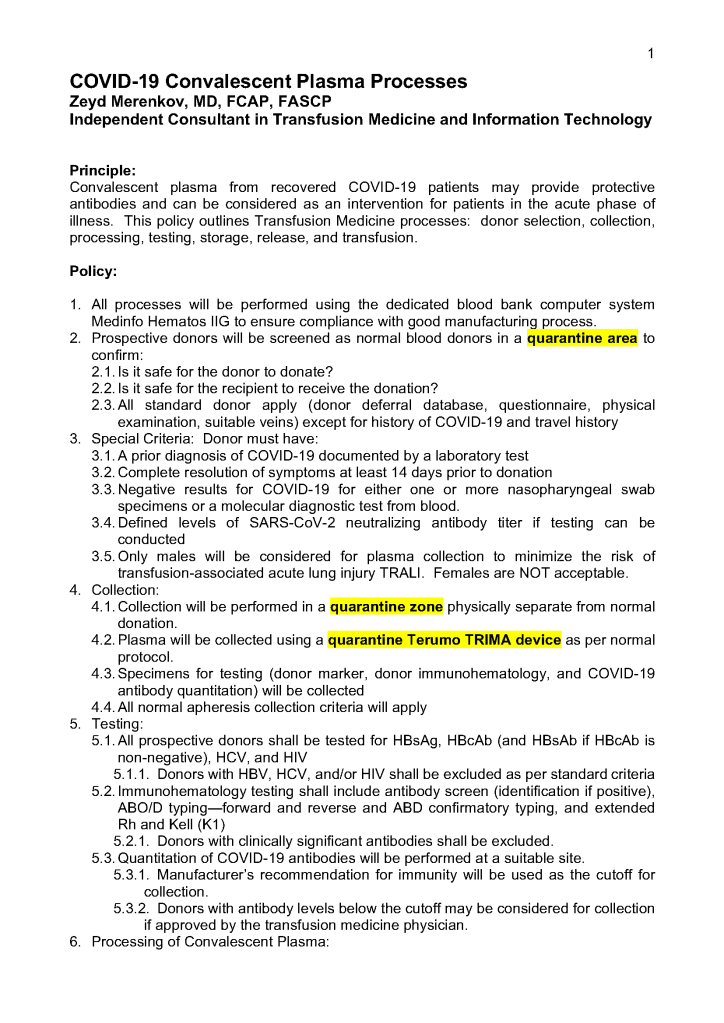
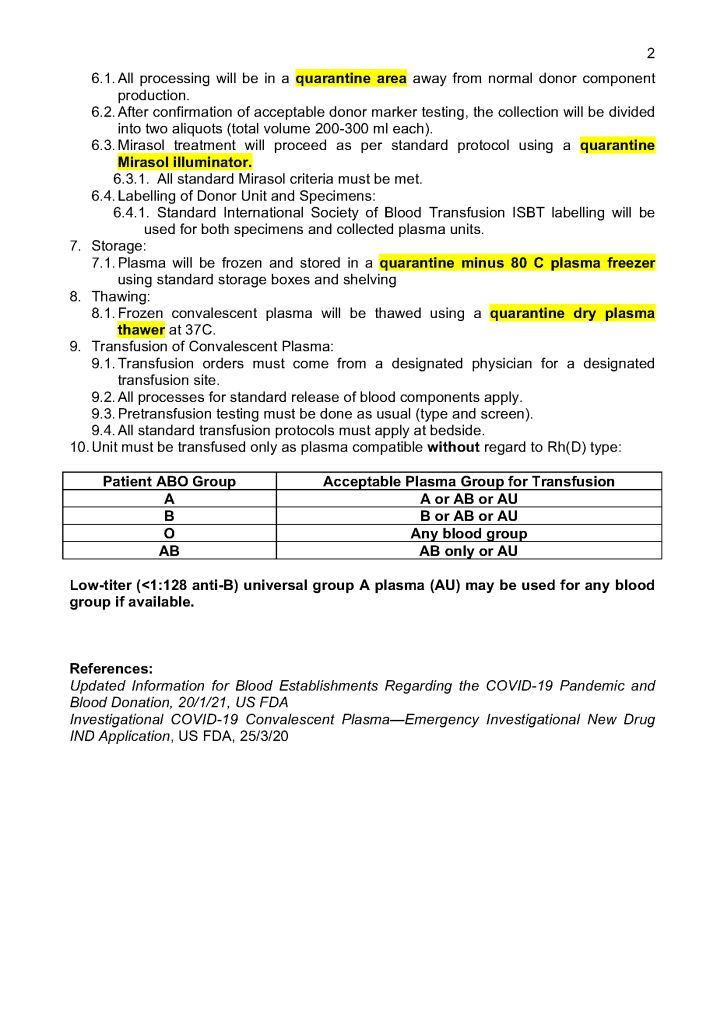
We started COVID convalescent plasma CCP production at the end of winter 2020. We set up a parallel but separate quarantine system of collection and processing, originally manual but later controlled by the dedicated blood bank software Medinfo Hematos IIG. All CCP units have been treated with Mirasol.
In the future, I hope Mirasol will close the loop by providing a pathogen-inactivation process for red blood cells so all components can be treated. The CE mark for pathogen inactivation of whole blood is exciting and I hope that component preparation from this product will be offered.
In summary, our blood bank system had an excellent, synergistic relationship with Terumo and Medinfo to provide the highest quality product that is currently licensed. I hope we will all continue to work together to improve the patient care.