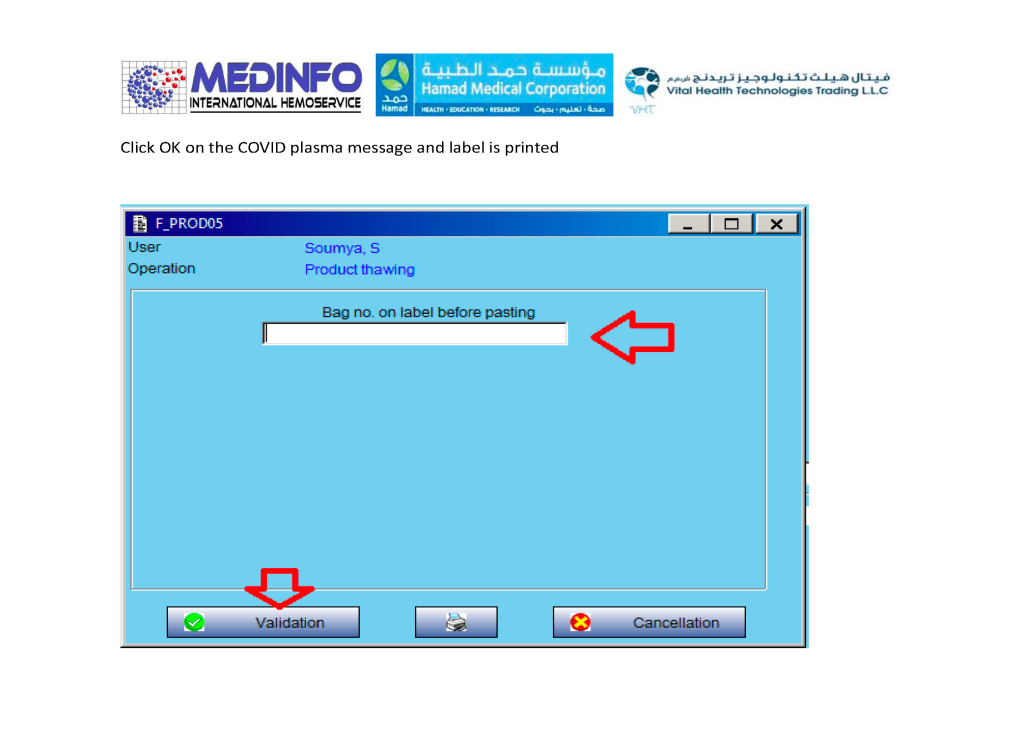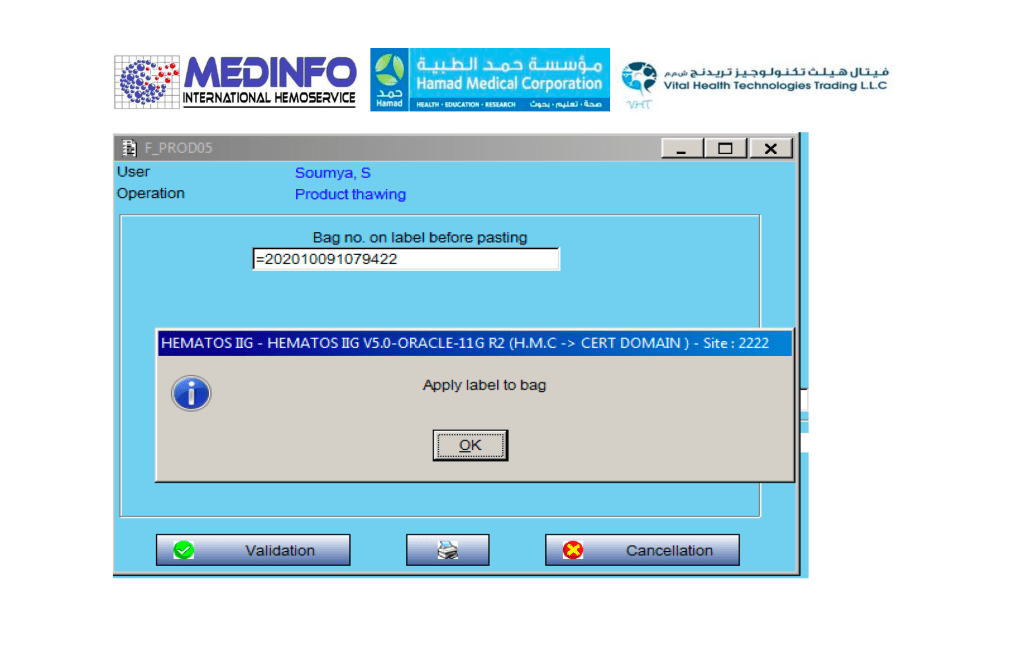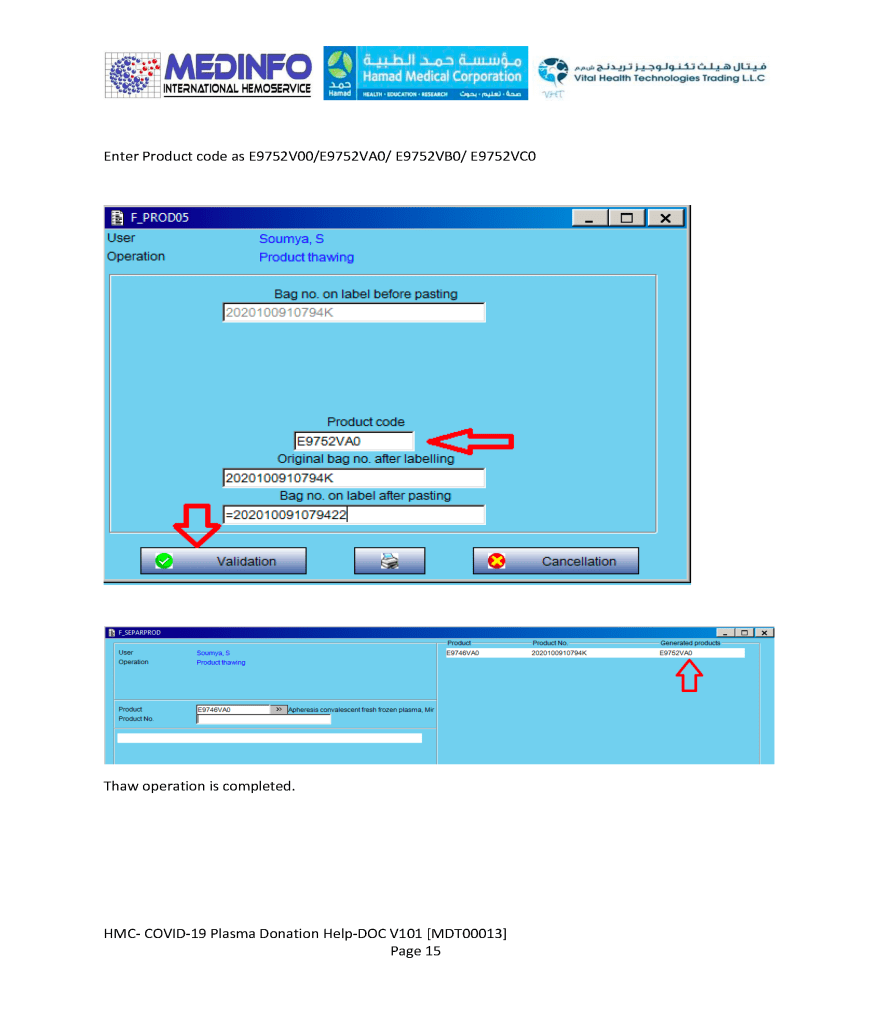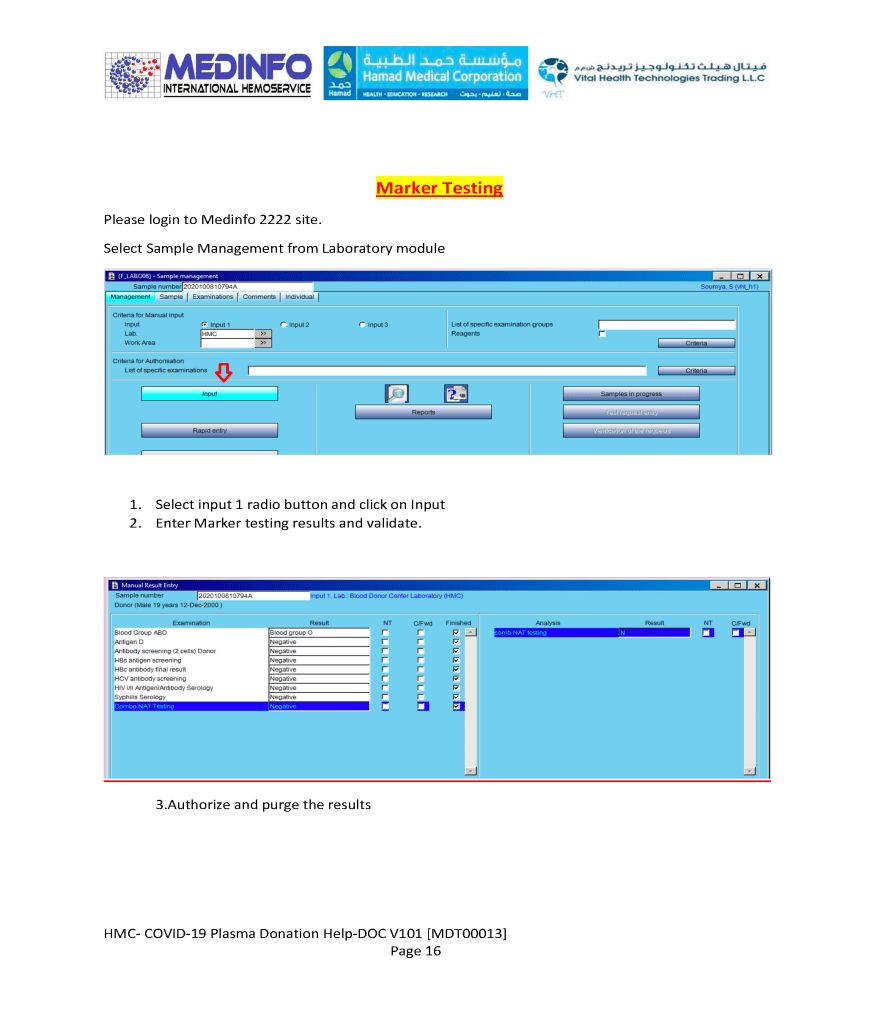
Processes and Software Building 47: Apheresis Plasma

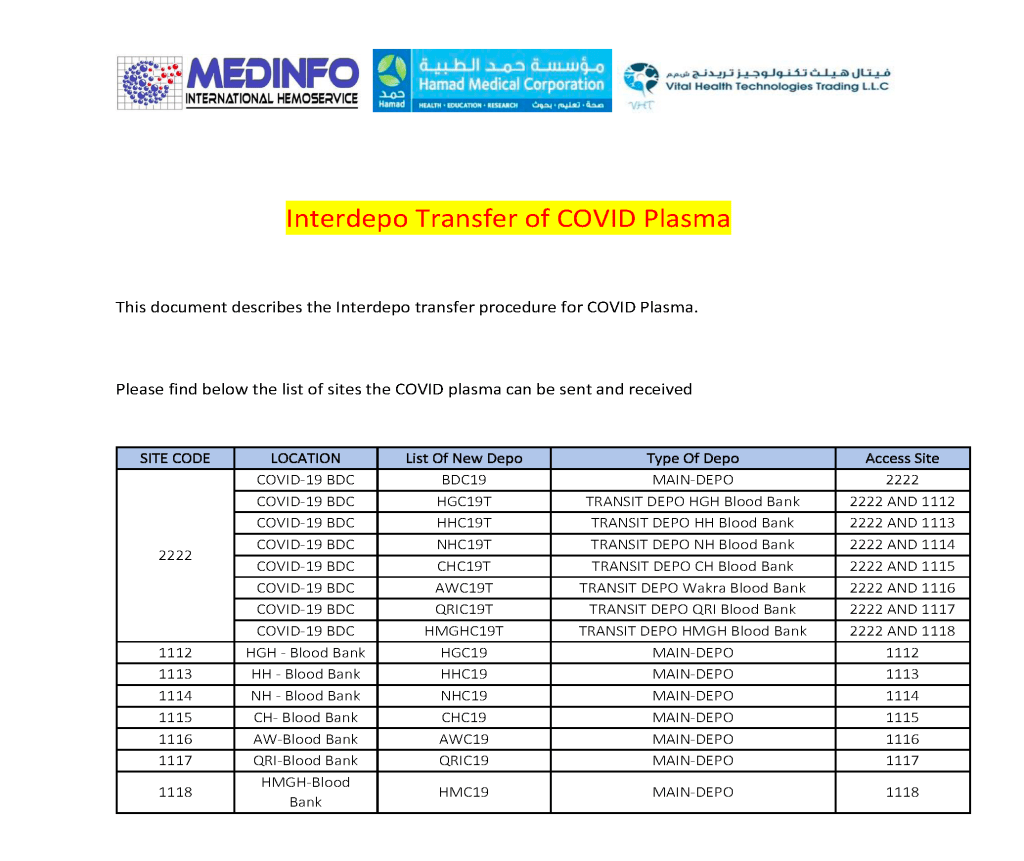
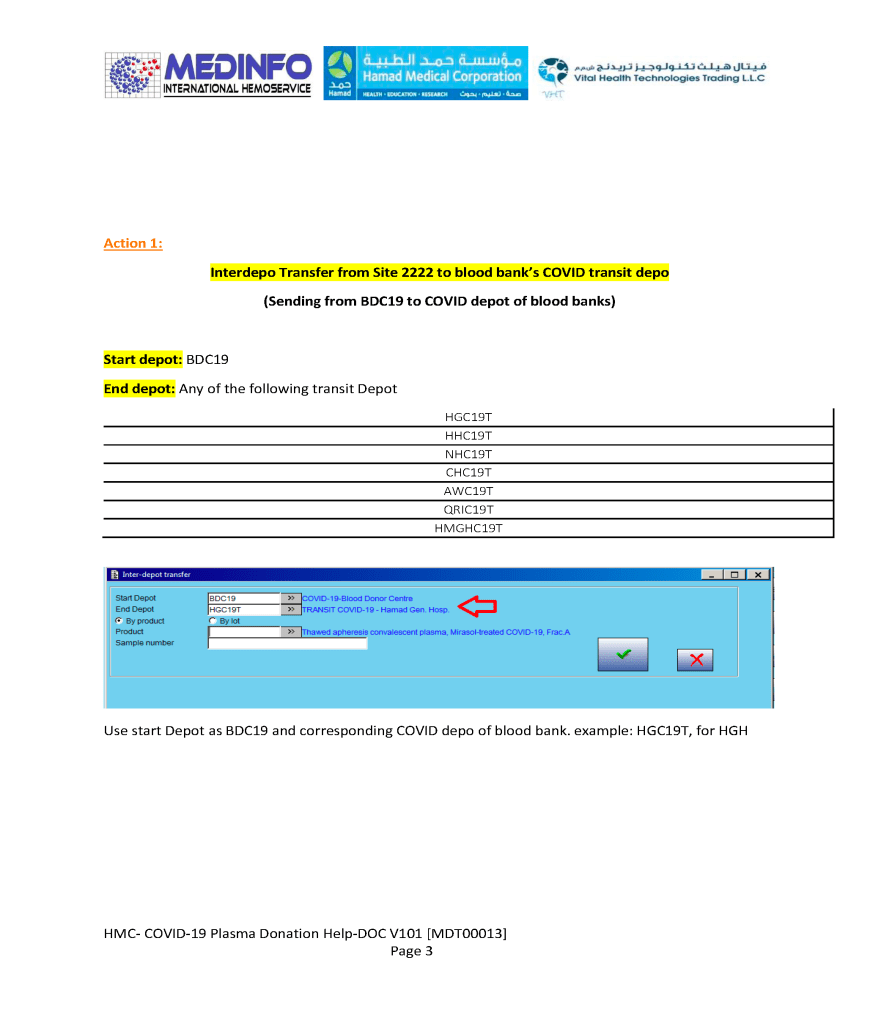
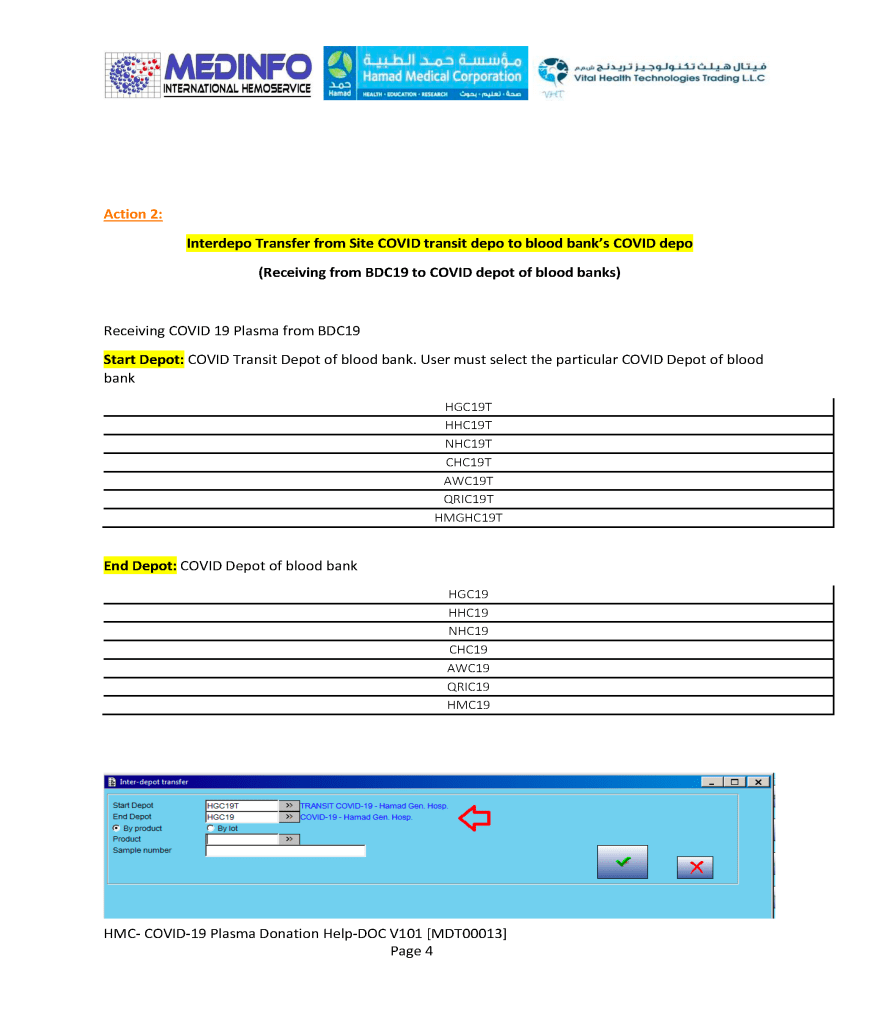
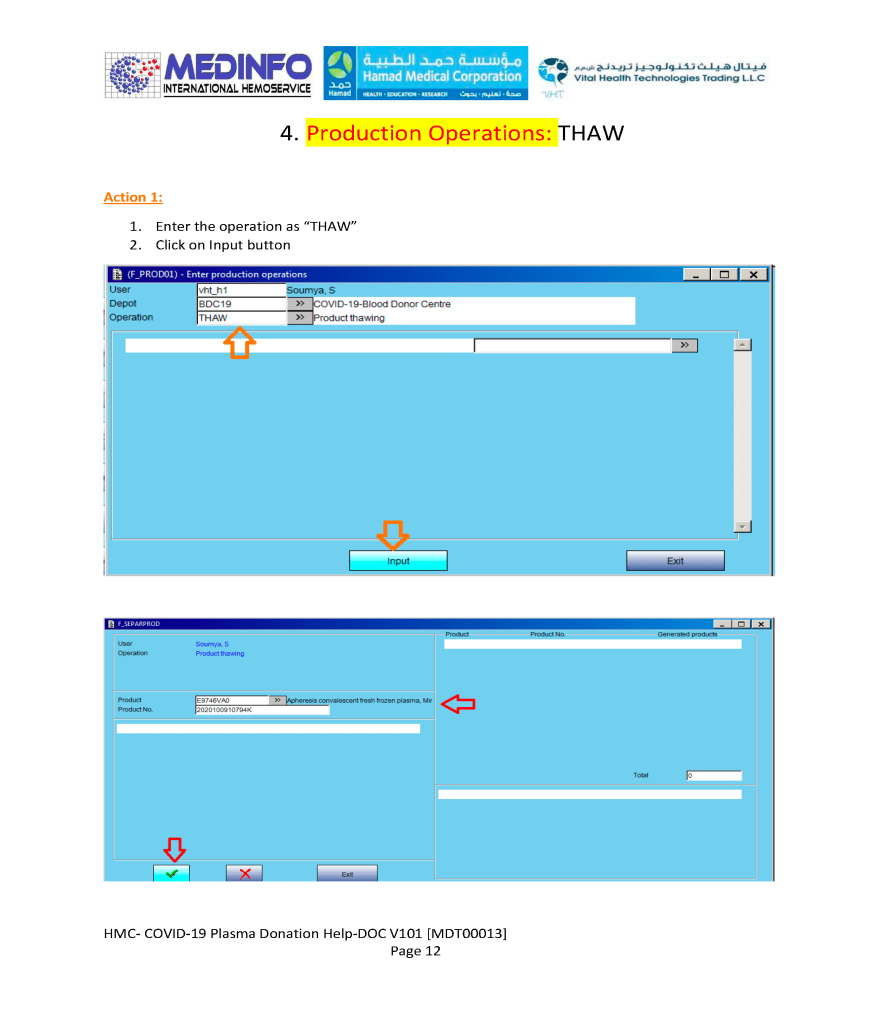
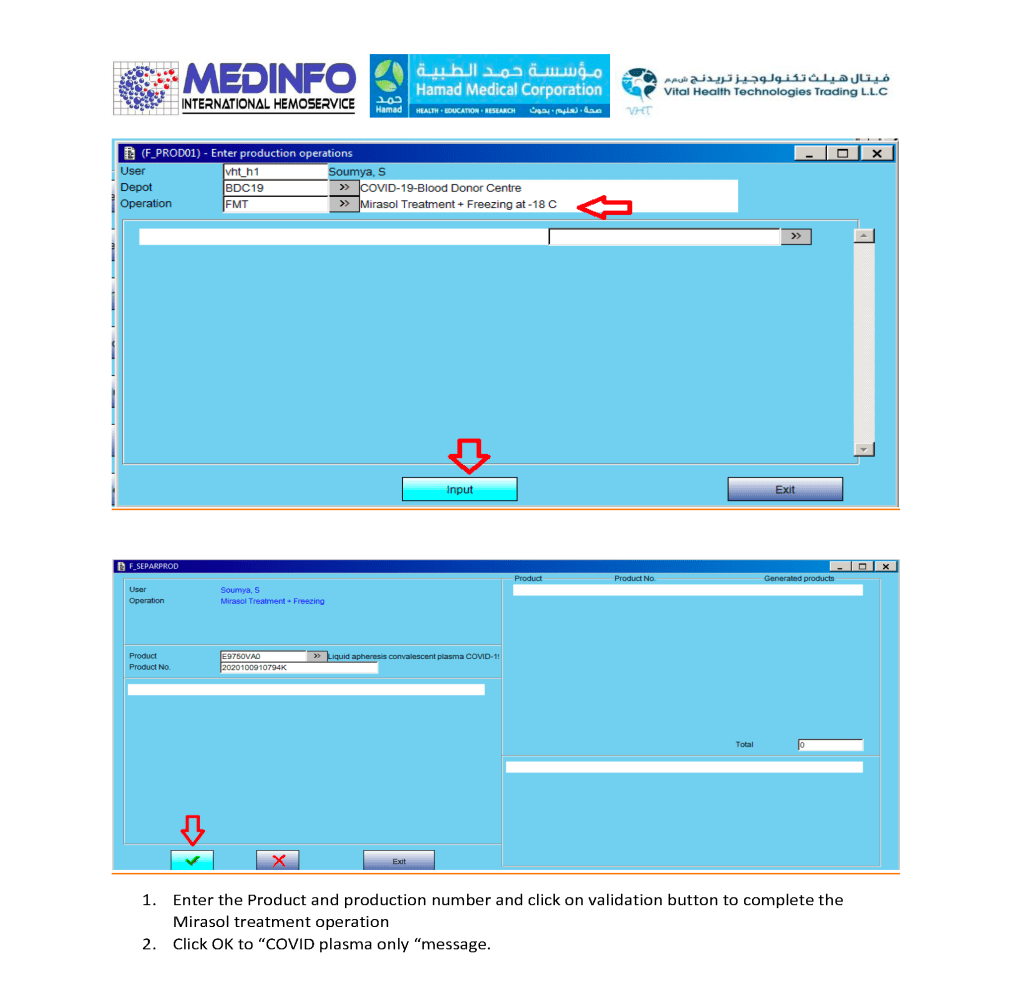
At HMC during my tenure, all plasma products—whole-blood and apheresis-derived were pathogen inactivated with riboflavin (Mirasol).  In our software processes, I had options to release both Mirasol-treated and untreated (the latter in emergencies) and to aliquot either as needed.  The same processes applied to COVID-19 convalescent plasma CCP except that they were performed in a quarantine production area.  There were specific ISBT codes for CCP.

24/9/20

SARS-CoV-2 Vaccines and Donor Qualification

Principle:

Under AABB and FDA rules in the Uniform Donor History Questionnaire, unlicensed, investigational vaccines have a 12-month deferral or as indicated by a responsible physician.  In light of the anticipated vaccination trials for COVID-19, this policy gives interim guidance until more definitive information is available.

For COVID-19 Convalescent Plasma CCP donation, investigational vaccine recipients should not donate COVID-19 convalescent plasma until further information is available about their antibody profile.

Policy:

Any donor who has received a COVID-19 (SARS-CoV-2) vaccine will be deferred as follows:

  1. Whole blood or apheresis donation (except COVID-19 convalescent plasma):
    1. Live, attenuated vaccine:  14 days post vaccination
    2. Non-replicating, inactivated, or RNA-based vaccine:  NO DEFERRAL
  2. COVID-19 Convalescent Plasma CCP Donation:  DO NOT ACCEPT

Reference:

Text from the AABB Weekly Report:

Novel Coronavirus Update, Regulatory Update:  Investigational Vaccines and Deferral for Donor of Blood and Convalescent Plasma, AABB Weekly Report, 7 August 2020

“FDA recognizes AABB’s DHQ which includes unlicensed (experimental) vaccines on the medication deferral list as a 12-month deferral or as indicated by the responsible physician.

“For routine blood donation, the responsible physician may wish to consider the potential infectious risk associated with the vaccines, and the use of short deferral periods (e.g., 14 days) for live attenuated vaccines and no deferral for non-replicating, inactivated or RNA-based vaccines.

“We agree that no deferral is necessary for routine blood donors who might have received the mRNA-1273 Moderna vaccine.

“At this time, we suggest that individuals who have received a COVID-19 investigational vaccine should not donate COVID-19 convalescent plasma until further information is available about their antibody profile.”

CMV Prophylaxis Policy

I developed this policy for HMC Doha where most of the local population are CMV-seropositive. Note that I used the CE definition of <1E6 instead of the American <5E6.

Principle:

Since most of the local population (>90%) are CMV-seropositive, it is impractical to rely on CMV-negative donors as our basis for CMV prophylaxis.  Instead, we perform universal leukodepletion and pathogen-inactivation to greatly reduce this risk:

  1. CMV transmission risk can be lowered to a level comparable to using CMV-seronegative components by universal leukodepletion to levels <1E6.
  2. Pathogen inactivation greatly reduces (at least 2 log10) the number of organisms with nucleic acid (DNA or RNA) and is used for all platelet (pools and apheresis) and plasma components.
  3. Platelet additive solution reduces the amount of original plasma to about 35 ml and further reduces donor exposure to foreign material.

Policy:

  1. All blood components (platelets, plasma, RBCs) are universally leukodepleted to residual levels below 1E6.
  2. All platelet and plasma components are pathogen-inactivated using the Mirasol system (riboflavin added and then exposed to ultraviolet light).
  3. All platelet components (pooled buffy coat and apheresis) are prepared in platelet additive solution PAS.

References:

  1. Technical Manual, AABB, Current Edition, Bethesda, Maryland, USA
  2. Standards for Blood Banks and Transfusion Services, Current Edition, AABB, Bethesda, Maryland, USA
  3. Guidelines to the Preparation, Use, and Quality Assurance of Blood Components, European Committee (Partial Agreement) on Blood Transfusion (CD-P-TS), Current Edition

Donor Deferrals for Body Fluid Exposure

Principle:

New rules have been approved by US FDA CBER for body fluid exposure, tattooing, body fluid exposure, and body-piercing.  By similar logic we will extend this also to HIJAMA.  We will not make any changes to our sexual history/practices or history of sexually transmitted disease treatment.

Policy:

  1. Effective immediately, we will accept donors AFTER THREE MONTHS from the following activities:
    1. HIJAMA (ritual blood-letting)
    2. Tattooing
    3. Body piercing (e.g. piercing for ear-rings)
    4. Contact with blood of another individual through percutaneous inoculation such as a needle stick or through contact with a donor’s open wound or mucous membranes
  2. A TWELVE-MONTH DEFERRAL still applies after receiving a blood component or blood derivative except clotting factors.
  3. Transfusion of clotting factors remains a permanent/indefinite deferral.

Reference:

Revised Recommendations for Reducing the Risk of Human Immunodeficiency Virus Transmission by Blood and Blood Products, Guidance for Industry,  U.S. Department of Health and Human Services, Food and Drug Administration, Center for Biologics Evaluation and Research, April 2020

Processes and Software Building 45: Modifying RBC Components

Components may be modified either in the Blood Donor Center or in the hospital blood bank.  In either case, they use the PRODUCTION section of Medinfo to perform these operations.

These operations may include:

  • Irradiation
  • Tight-packing (removal of the supernatant, especially for intrauterine or neonatal transfusions)
  • Washing
  • Aliquoting (division of the primary RBC bag and possibly further division of one of the secondary bags)
  • Final labelling of the modified component

The weight of the component is converted to the volume by the software.

The end-user can specify which modified components were available.  As with any ISBT-labelled products, any changes will trigger a new ISBT E code and label.

16/9/20

Processes and Software Building 44: Pooling Components

Medinfo Hematos IIG has a pooling operation that can be used for pooling platelets, plasma, cryoprecipitate, etc.  It is a one-step operation.  In the set-up, one specifies the maximum number of components to pool together for each component type.  In general, they are of the same ABO type;  however, at HMC Doha I did allow mixed ABO platelet pools to avoid wastage of platelets that would otherwise be discarded—this may not be allowed in all jurisdictions.

The following examples show pooling of FFP, FP24, cryoprecipitate, and cryo-poor plasma:

13/9/20

Processes and Software Building 43: Manual Whole Blood Processing

This was the HMC methodology for manual whole blood processing to prepare packed RBCs, plasma, cryoprecipitate, and cryo-poor plasma using blood bank centrifuges (not Reveos).  It did not include preparing platelets since we did not have manual buffy coat processing equipment.  In this algorithm we did not specifically release whole blood as a final product (although we did have the capability of activating this in emergency situations).

10/9/20

External Disaster Plan

Principle:

Maintaining an adequate blood supply and expedited compatibility testing are critical in disaster planning.  This plan is assuming that the Blood Donor Center is functional and can process donors and make components.

Medinfo Hematos IIG System is critical to monitoring inventory, preparing blood components expeditiously using Good Manufacturing Processes, and distributing blood components in a timely controlled manner.

Policy:

  1. Determinate total available blood supply across all locations by using the Cumulative Stock Display program in Medinfo Hematos IIG.
    1. Recheck stock at least every hour during the disaster.
  2. At each transfusion service site, in conjunction with the Transfusion Medicine Consultant:
    1. Cancel reservations for elective surgical and non-emergency medical cases of affected ABO/D types.
    2. Retain reservations for antigen-matched, oncology, NICU, and high-risk obstetrical cases.
  3. Inform Manager for Donor Recruitment/Logistics to send SMS, radio, and television messages for blood donors—all types.
  4. Contact ALL staff and have them report to duty.
    1. At Blood Donor Center, the Head Nurse, Recruitment Manager, Supervisor, Component Processing, and Supervisor, Marker Testing will contact their respective staff.
    2. At various hospital blood bank transfusion services, the site supervisor will contact all staff.
  5. Process blood components using automated component technology (Reveos).
  6. Perform all donor marker testing including single-well NAT.
    1. Abbreviation of donor testing is only at the discretion of the Head, Transfusion Medicine.
  7. Send blood components using Inter-Depot Transfer function of Medinfo.
  8. Transfusion Services:
    1. Release blood component according to the various protocols as needed:
      1. Massive transfusion protocol
      2. Emergency release
      3. STAT
      4. Priority
      5. Routine
  9. Compatibility testing will be electronic, immediate-spin, or full AHG as per our protocols.

References:

  1. Standards for Blood Banks and Transfusion Services, Current Edition, AABB, Bethesda, MD, USA
  2. Guidelines to the Preparation, Use, and Quality Assurance of Blood Components, European Committee (Partial Agreement) on Blood Transfusion (CD-P-TS), Current Edition

Revised 10/9/20

Processes and Software Building 42: Platelet Pooling

Outside the USA, platelet pools stored at room temperature may be valid for up to 7 days, especially if pathogen-inactivation is used.  The following workflow shows both Mirasol pathogen-inactivated and standard platelets.  The standard platelets are then irradiated.  Both types can be aliquoted.

A major advantage in using a specific blood bank computer software is to enforce the Good Manufacturing Process.  Medinfo is merciless:  there are no exceptions without authorization and that is restricted by the security policies.

In the recent Reveos post, the upper and lower platelet volume specifications were discussed.  The platelets are weighed and the volume is calculated.  If a manual or another method for preparing platelets is used, then the according values can be specified.

To Be Continued:  8/9/20

Minimizing Iron Deficiency in Blood Donors

Principle:

HMC Blood Donor Center is implementing a policy to limit or help limit iron deficiency in its blood donors (whole blood and/or apheresis).  The reasons for this are:

  1. Development of iron deficiency in some donors
  2. Progression of iron deficiency that occurs with frequent blood donation
  3. Potential adverse effects of iron deficiency

Definition:

Donors high-risk for iron loss include:

  1. Females—all, regardless of age
  2. Males donating three or more times within a 12-month period
  3. Apheresis donors giving 5 sessions in an 8-week period
  4. Donors after one RBC apheresis dual-unit donation
  5. Males and females with borderline low hemoglobin levels:
    1. Males with hemoglobin <= 13.5 g/dl
    2. Females with hemoglobin <= 13.0 g/dl
  6. Donors with low ferritin level (below current lower limit of reference range)

Policy:

  1. Donors will be provided with information regarding iron-deficiency from donation.
  2. High risk donors (as defined above) will be offered a prescription for iron supplementation equivalent to 18 mg of elemental iron daily for 30 days.
  3. During the iron supplementation period, the donor will be deferred for donation.
  4. If a donor does not take the iron supplement, then he/she is limited to 2 donations/year.
  5. We will offer donors to test ferritin in the following categories:
    1. Apheresis donors after their fifth donation of plasma or platelets within 8 weeks
    2. Whole blood donors after three donations within a 12-month period
    3. Donors after dual-unit (2-unit) RBC apheresis donation
    4. All female donors otherwise meeting donor criteria before donation
  6. Donors with low ferritin levels will be deferred until ferritin levels are normal (based on reference range currently in effect)

References:

AABB Association Bulletin #17-02, Updated Strategies to Limit or Prevent Iron Deficiency in Blood Donors, 26/3/17

Updated 6/9/20