Opinion: Ready after Fellowship?

I was recently interviewing a candidate for consultant in Transfusion Medicine.  Several months previously he had completed a fellowship in Transfusion Medicine in the United States.  He was applying for a position in my hospital in Qatar, which included seven hospitals and a blood donor center.  He had no training in donor management or therapeutic apheresis.

The successful candidate was to rotate on-call to cover all hospitals and the blood donor center.  He had never worked outside the United States.  Routinely, he did not review antibody panels since those workups were usually sent to the local blood provider there.  In his training, he had strictly followed US FDA and American version of AABB Standards.  His training center did not routinely do extended phenotypes (C, c, E, e, and Kell).  Extra testing and phenotyping had to be explicitly ordered by the clinician to get reimbursement.  Thus, there was no prophylactic antigen matching done on patients.  He did not feel comfortable reviewing antibody panels.

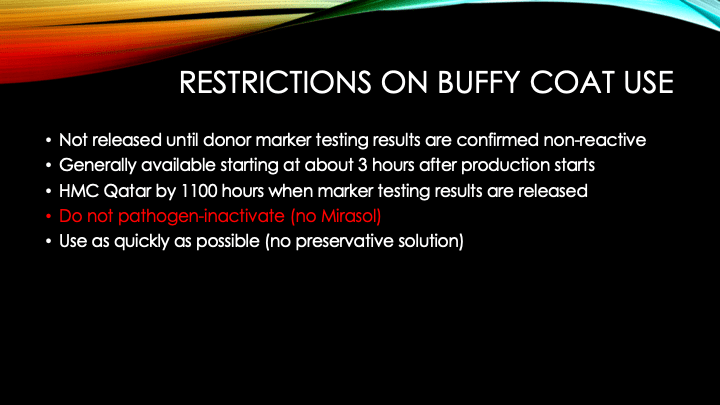
He had no experience with universal leukodepletion, pathogen-inactivation, platelet additive solutions, or automated component production such as the Terumo BCT Reveos.  He did not interpret donor marker testing results.

On the contrary in our organization, the transfusion medicine physician had to review all antibody panels (usually he was the most knowledgeable person for this).  We followed the Council of Europe CE and other practices that did prophylactic antigen matching.  We were also in charge of donor qualification and therapeutic apheresis and reviewed any product deviations from the Reveos and donor marker testing.

Clearly, this candidate did not practice transfusion medicine in the way that was necessary for our operations.  We could not cut him loose and make him responsible for a hospital transfusion service or the blood donor center.

Let us contrast this candidate for one being recruited for anatomic pathology/histopathology.  Grossing specimens, performing frozen sections, reading slides, diagnosing cases are the same everywhere in the world.  After completing his American certification, he could perform his profession almost anywhere in the world.

Transfusion medicine practices need to be localized and the selection of blood components and donor qualification are different.  Most of the world does not follow US FDA and has access to blood components, tests, and other technology that is different and maybe more advanced than his training in the USA.

I gave him a clinical scenario to interpret.  An AB patient with anti-K needs to be transfused with plasma.  Are there any special requirements for the plasma?  What if the only AB donor had anti-K would you use it?  What if the only RBCs available had not been phenotyped for Kell?  What would you do?

He did not know that we discard plasma with clinically significant alloantibodies routinely.  He did not want to phenotype the RBC unit for this patient since this had not been explicitly ordered by the clinician.

My recommendation was not to hire this candidate if there were others who had worked in European or similar systems to our own practices.  In effect, to use this physician, he would have to undergo a mini-fellowship to learn our practices since they were contrary to ours.  Unfortunately, we were very short-staffed and did not have resources to offer this training.

In summary, blood bank practices are very localized.  If you are considering to hire staff from other countries not following your standards, you must assess if the candidate is flexible to change his practices and/or whether you have the resources to train the physician.

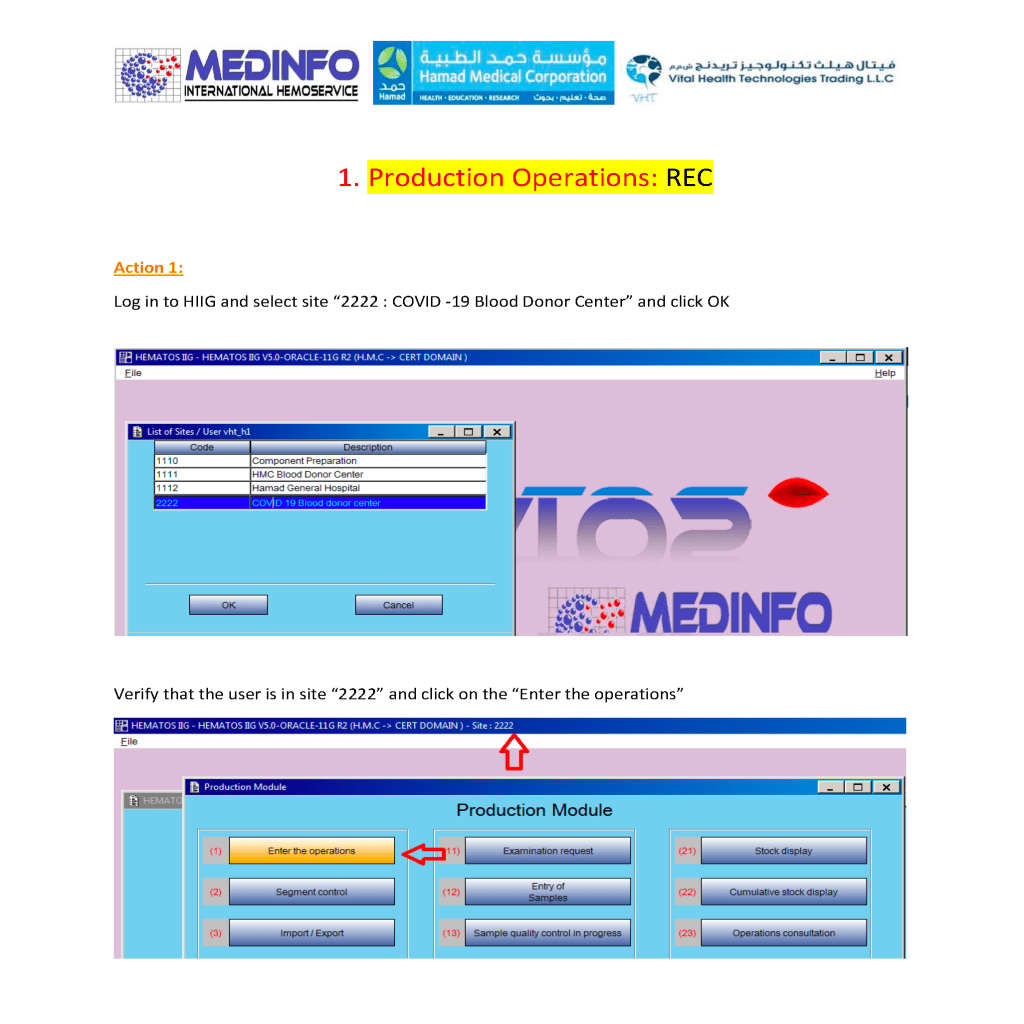
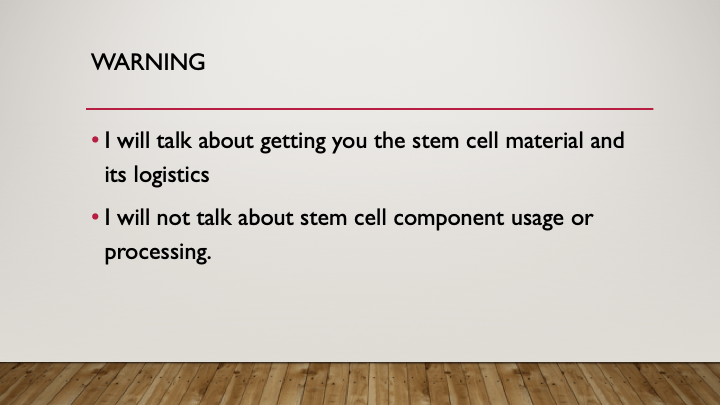
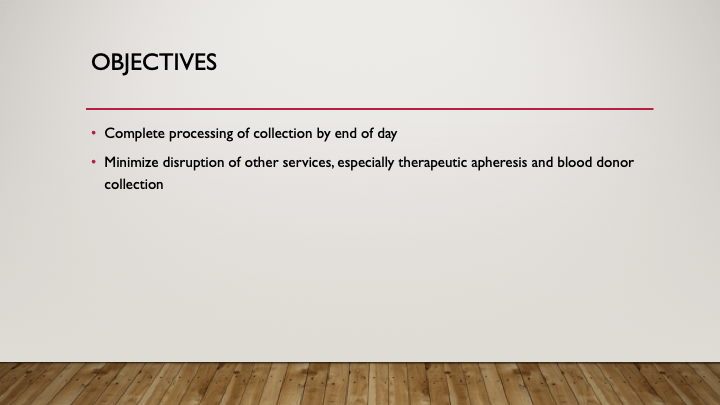
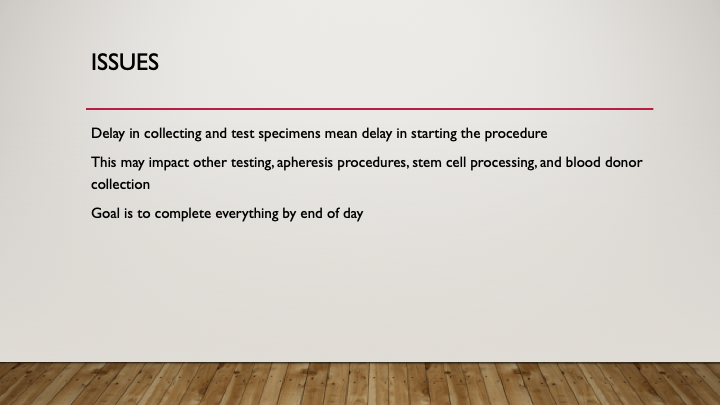
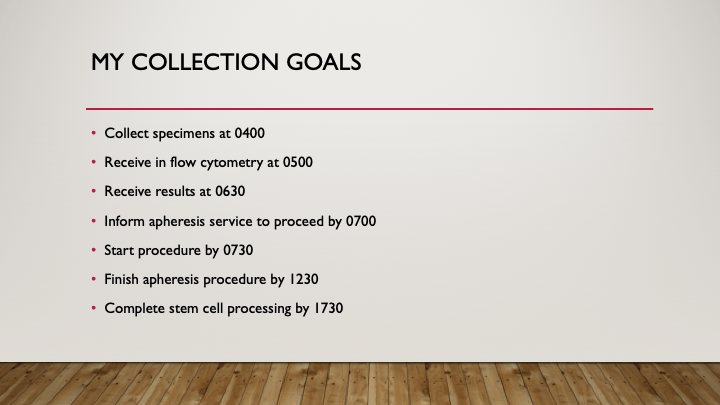
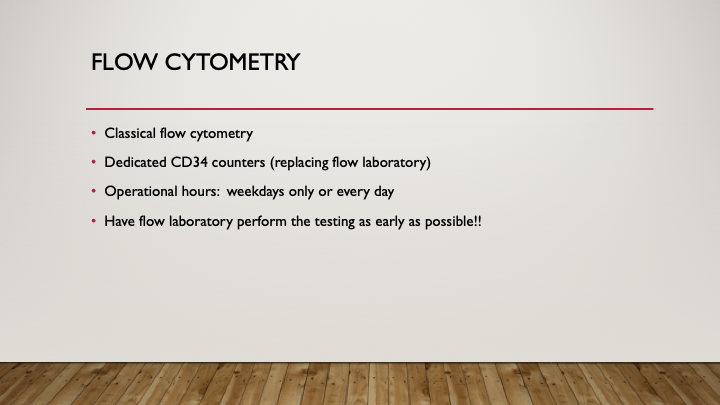
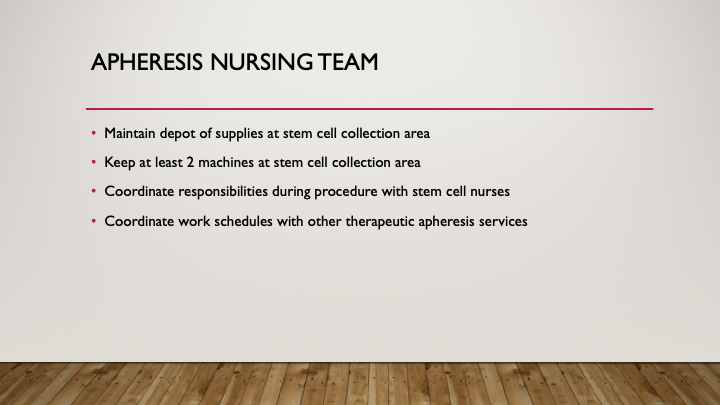
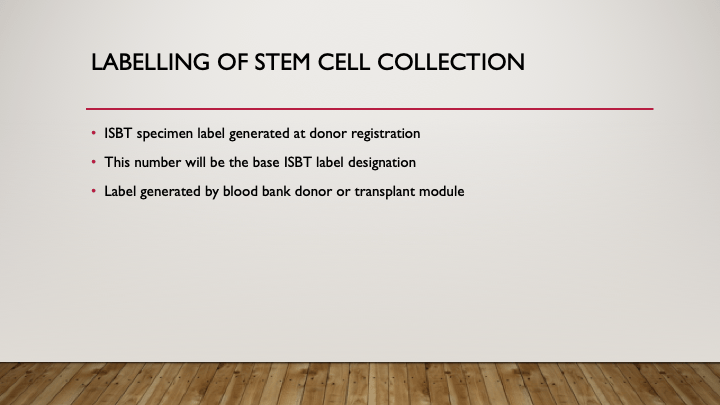
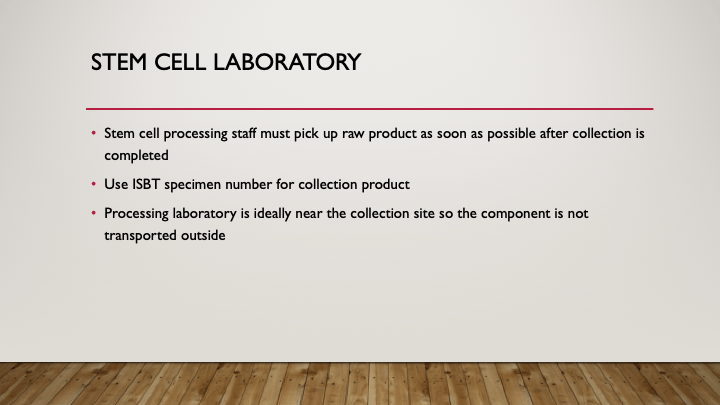
Stem Cell Collection Logistics

Everyone is excited at the potential of using stem cells for research and therapy. Below is my presentation of the logistics necessary to get those stem collected in an orderly manner, especially in this time of the COVID-19 pandemic. It will also consider blood bank software logistics.

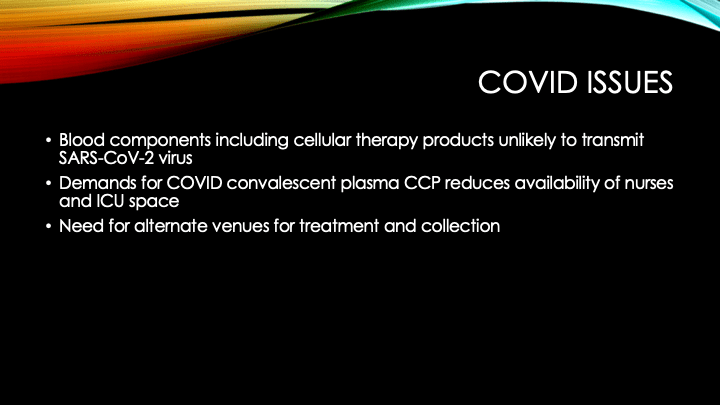
COVID-19 Convalescent Plasma CCP Donor Questionnaire and Collection

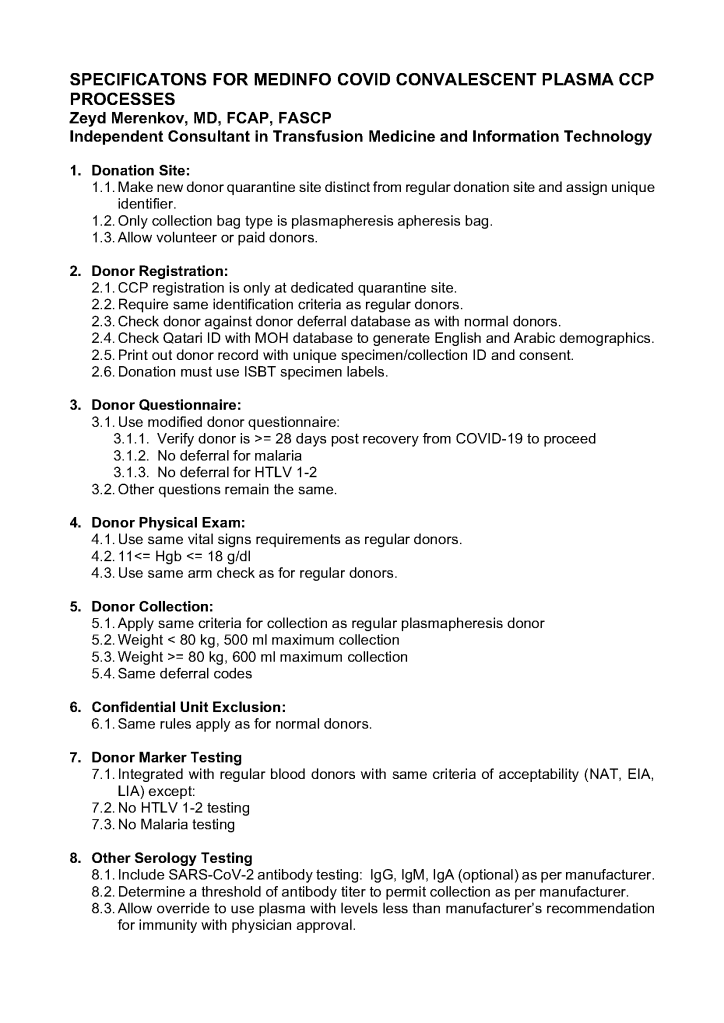
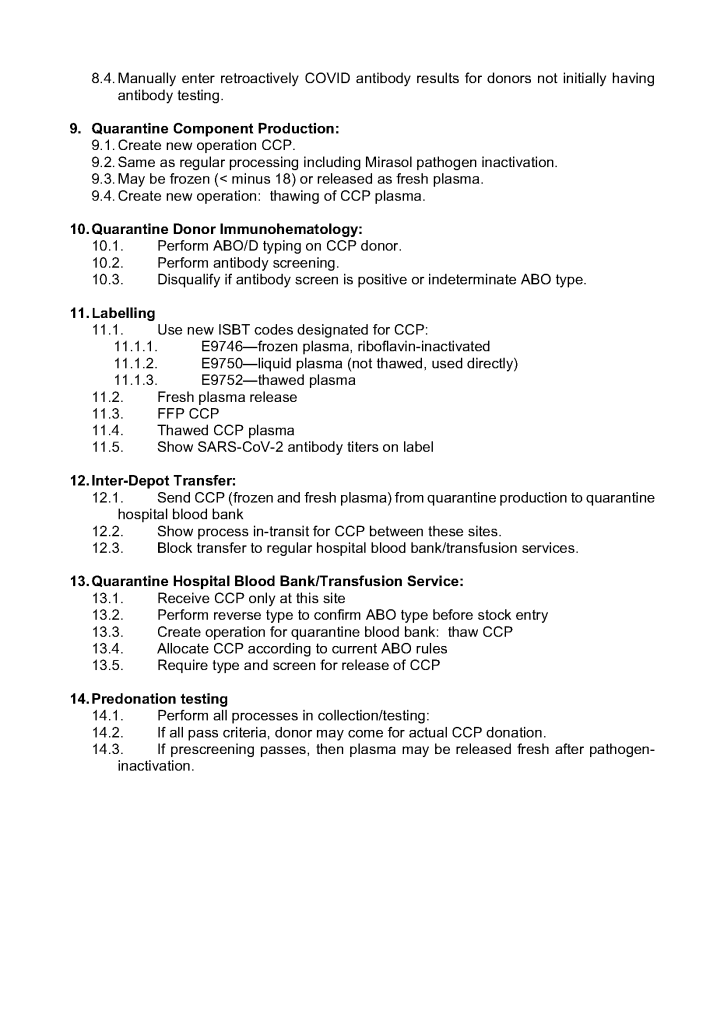
This is a part of a series of posts on the actual Medinfo design of the CCP donation and release processes.  The site and donor registrations were covered in a recent previous post.

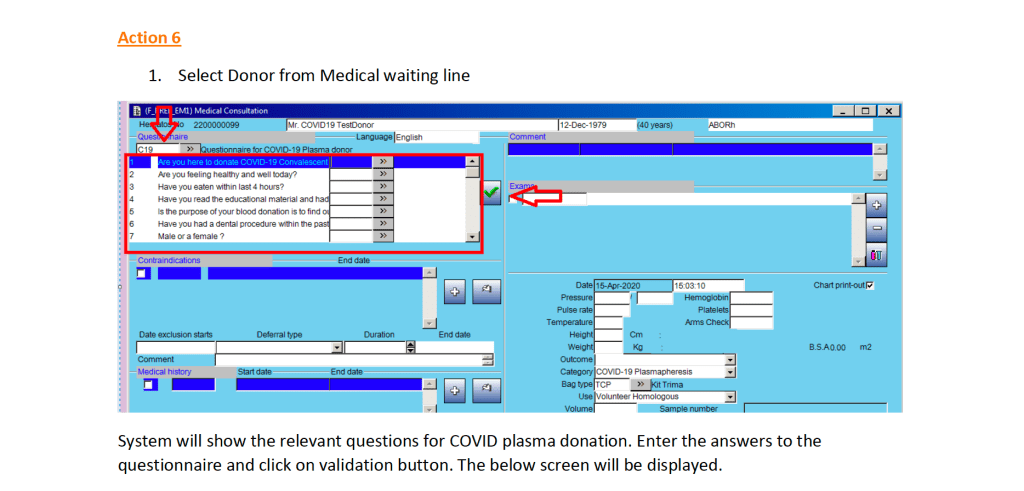
Donor Questionnaire and Physical Examination:

After registration, there is the online CCP donor questionnaire and vital signs entry.

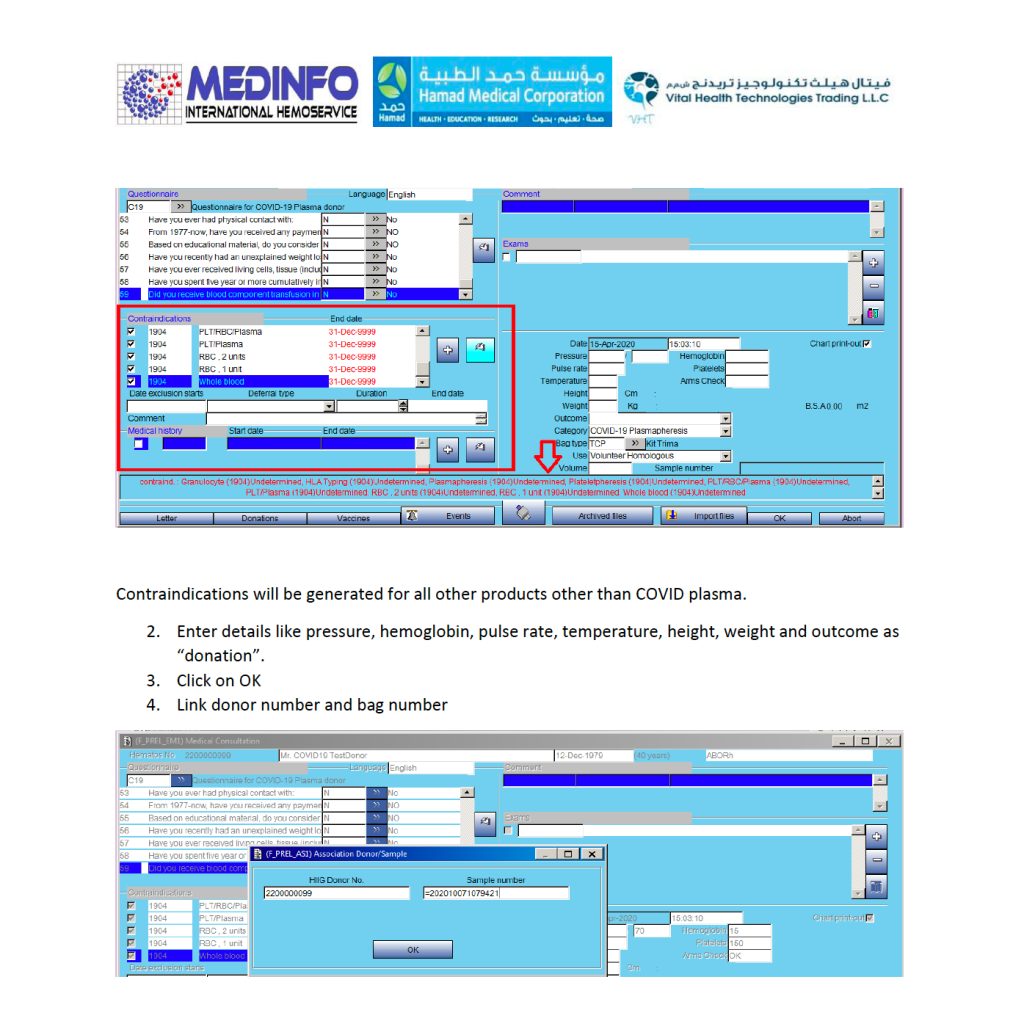
Note that the CCP donor will automatically be excluded from other types of donation.  All other types will appear as contraindications in RED below.
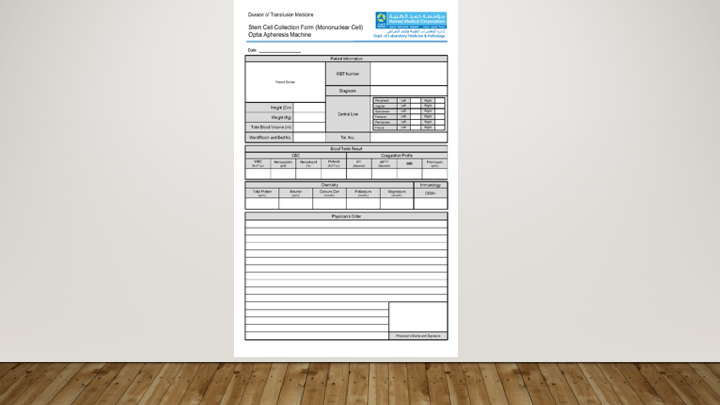

Donor Apheresis Collection:

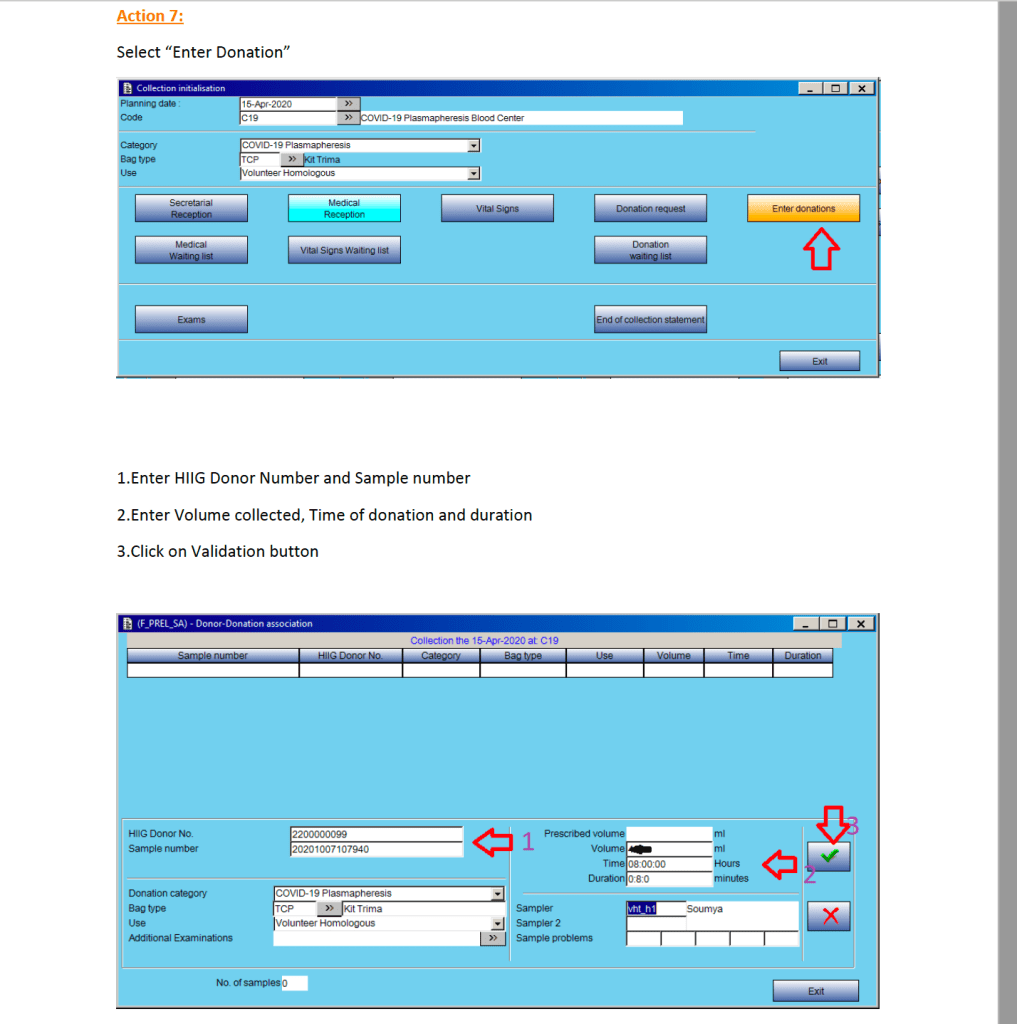
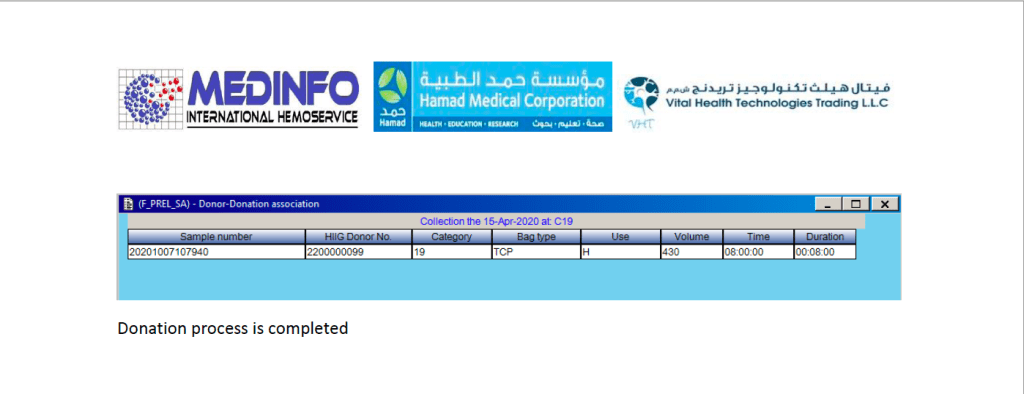
The actual donation process is the same as for plasmapheresis donors:

Syphilis and Gonorrhea Donor Deferrals

Principle:

Syphilis, caused by the spirochete Treponema pallidum (T. pallidum), is most often acquired after sexual contact with an infected individual.  Syphilis can also be transmitted from mother to child or, rarely, transmitted by transfusion of blood or blood components from donors with active syphilis.

There are two different types of serologic assays for syphilis:  nontreponemal assays and treponemal assays:

Nontreponemal assays (e.g. VDRL, RPR, ART) are nonspecific and detect “reagin” antibodies directed against an antigen called cardiolipin that is present in a variety of tissues.  Antibodies to cardiolipin appear in the serum of persons with active syphilis or with other medical conditions. However, some individuals who were previously infected with syphilis but successfully treated maintain low levels of antibody to cardiolipin for a long time.

Treponemal assays include enzyme immunoassays (EIA), fluorescent treponemal antibody “absorbed” assays (FTA-ABS), Treponema pallidum microhemagglutination assays (MHA-TPA) and Treponema pallidum particle agglutination assays (TP-PA).  Treponemal assays test for antibodies to antigens that are specific to treponemes.  Treponemal assays are most useful in identifying recent and past syphilis infections.  They are not generally useful in monitoring the response to antibiotic therapy.  With some exceptions, positive results of tests for specific treponemal antibodies remain positive throughout an individual’s life regardless of whether the individual is currently infected or has been cured following successful treatment.  Retesting sera that are reactive in nontreponemal assays using a specific treponemal test is valuable in distinguishing true-positive results that indicate active syphilis infection from biological false-positive results due to other conditions.

Current testing requirements for syphilis are found in 21 CFR 610.40(a)(2).  Individuals who test reactive with a screening test for syphilis must be deferred (21 CFR 610.41(a)) and notified of their deferral (21 CFR 630.40).  You must further test each donation found to be reactive by a donor screening test, except you are not required to perform further testing of a donation found to be reactive by a treponemal screening test for syphilis

Policy:

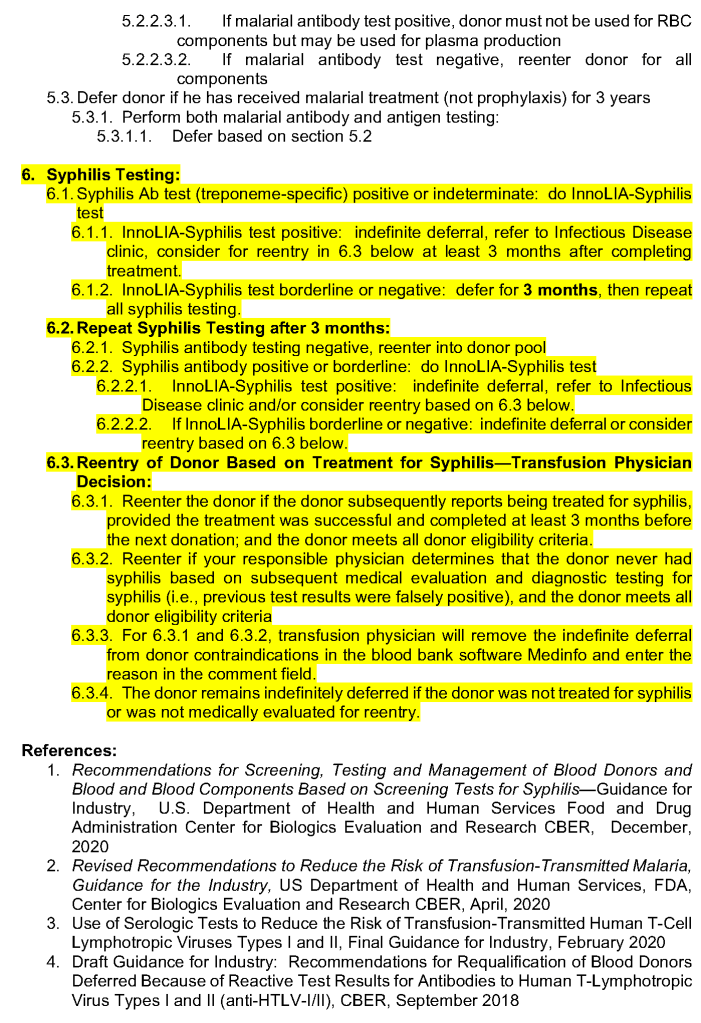
  1. Assess donors for a history of syphilis or gonorrhea or treatment for syphilis or gonorrhea in the past 3 months.
  2. Defer for 3 months after completion of treatment, an individual with a history of syphilis or gonorrhea or treatment for syphilis or gonorrhea in the past 3 months.
  3. After this 3-month period, the individual may be eligible to donate provided the individual meets all donor eligibility criteria.
  4. Testing and Management if a nontreponemal assay is used to screen for syphilis:
    1. If the nontreponemal screening test is nonreactive, the donor is considered to be negative for syphilis infection.  You may use the donation, provided it meets all other donation suitability requirements
    2. If the nontreponemal screening test is reactive, you must defer the donor indefinitely unless evaluated for reentry.
    3. Reentry from reactive nontreponemal test:
      1. Perform testing using a treponemal assay:
        1. If treponemal assay is negative, then reenter donor.
        2. If treponemal assay is positive, consider as an indefinite deferral.
      2. You may reenter the donor if the donor subsequently reports being treated for syphilis, provided that the treatment was successful and completed at least 3 months before the next donation; and the donor meets all donor eligibility criteria.
      3. Alternatively, the donor may be reentered without treatment if your responsible physician determines that the donor never had syphilis based on subsequent medical evaluation and diagnostic testing for syphilis (i.e., the screening results were falsely positive), and the donor meets all donor eligibility criteria.
      4. You may use either an FDA-cleared nontreponemal screening test or an FDA-cleared treponemal screening test to test the reentered donor’s subsequent donations.
      5. The donor remains indefinitely deferred if the donor was not treated for syphilis or was not medically evaluated for reentry.
  5. Testing and Management if a treponemal assay is used to screen for syphilis:
    1. If the treponemal screening test is nonreactive, the donor is considered to be negative for syphilis infection and you may release the donation, provided it meets all donation suitability requirements, and retain the donor.
    2. If the treponemal screening test is reactive, further testing is not required, and you must defer the donor indefinitely unless evaluated for reentry.
    3. Reentry if a reactive treponemal assay is used to screen for syphilis:
      1. Perform another treponemal screening test that is different from the initial treponemal screening test used.
      2. If negative, reenter the donor.
      3. If positive, defer the donor indefinitely unless the following applies:
        1. Test the sample from the donor which was positive on the additional treponemal screening test using a nontreponemal screening test to assess whether the donor has an active infection.
          1. If the nontreponemal screening test result is negative, the results are consistent with recovery or cure from a previous syphilis infection.
          2.  If the nontreponemal screening test is positive, the results are consistent with an active or recently treated syphilis infection.
          3. In either case, you may reenter the donor if the donor subsequently reports being treated for syphilis, provided the treatment was successful and completed at least 3 months before the next donation; and the donor meets all donor eligibility criteria.
        2. Alternatively, the donor may be reentered if your responsible physician determines that the donor never had syphilis based on subsequent medical evaluation and diagnostic testing for syphilis (i.e., previous test results were falsely positive), and the donor meets all donor eligibility criteria.
        3. You may use either a nontreponemal screening test or a treponemal screening test that has been cleared by FDA for such intended use to test the reentered donor’s subsequent donations.
        4. The donor remains indefinitely deferred if the donor was not treated for syphilis or was not medically evaluated for reentry.

Reference:

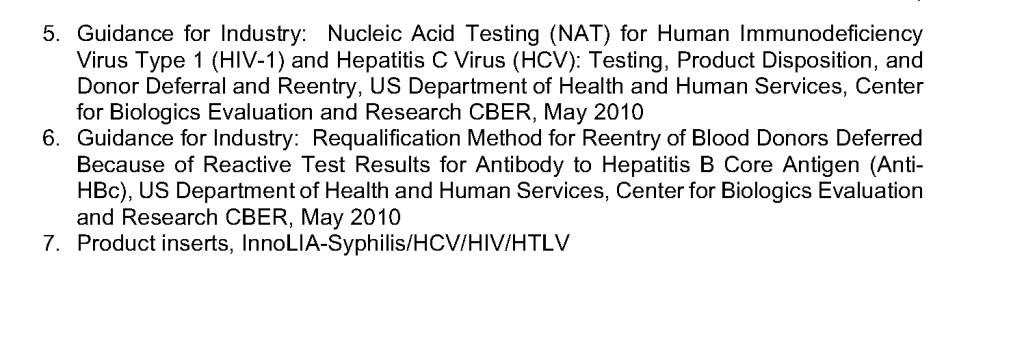
Recommendations for Screening, Testing and Management of Blood Donors and Blood and Blood Components Based on Screening Tests for Syphilis—Guidance for Industry,  U.S. Department of Health and Human Services Food and Drug Administration Center for Biologics Evaluation and Research CBER,  December, 2020

New US CBER Guidance for Syphilis and Gonorrhea: December 2020

This is non-binding CBER guidance is a complicated algorithm that involves using treponemal and non-treponemal assays.  Re-entry pathway options are also provided.  I will be posting a summary and its implementation into my previous donor marker testing algorithms. Please see attached PDF link.

CBER Guidance Syphilis and Gonorrhea, December 2020