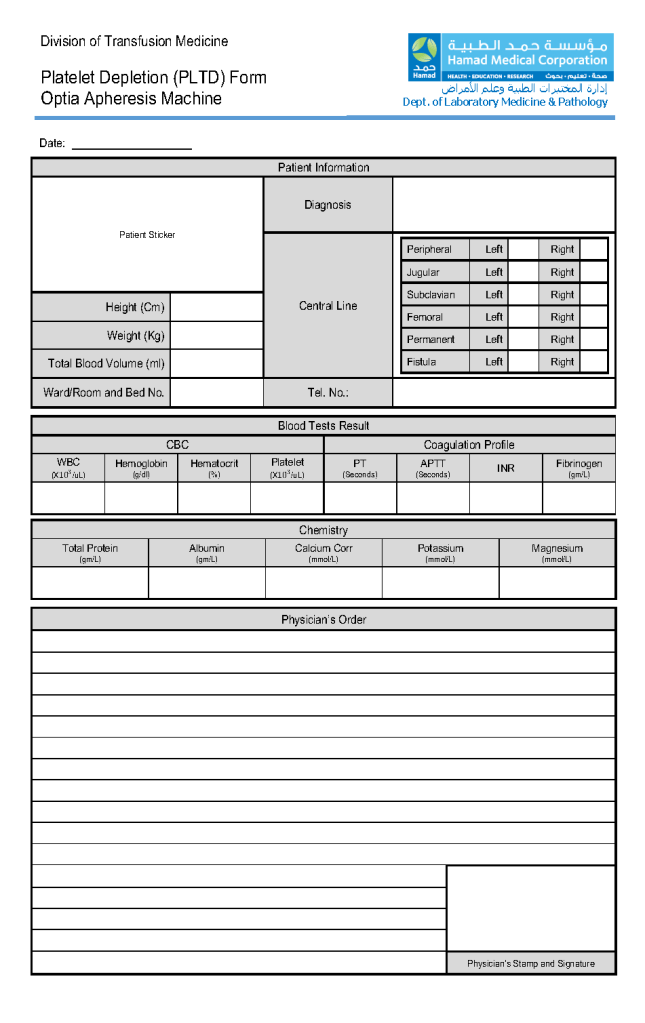
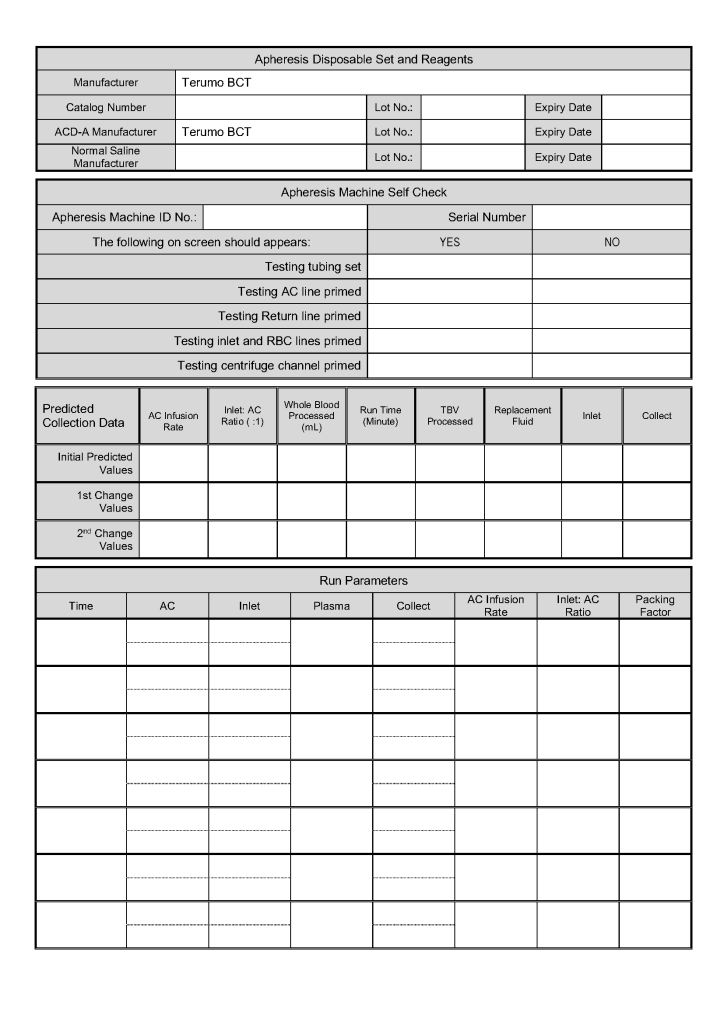
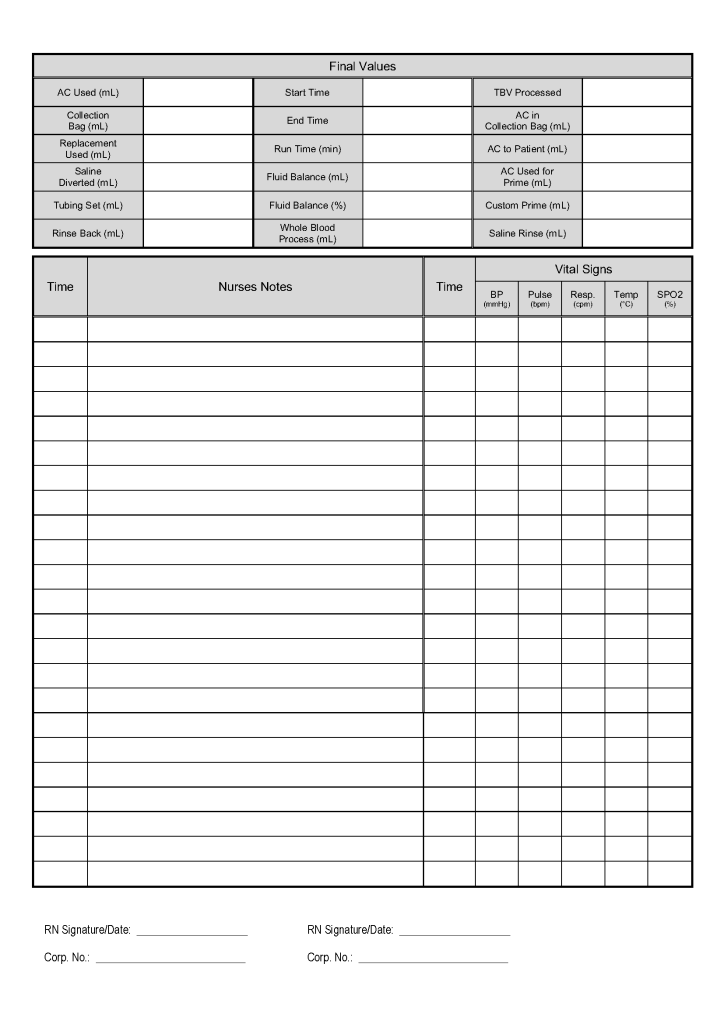
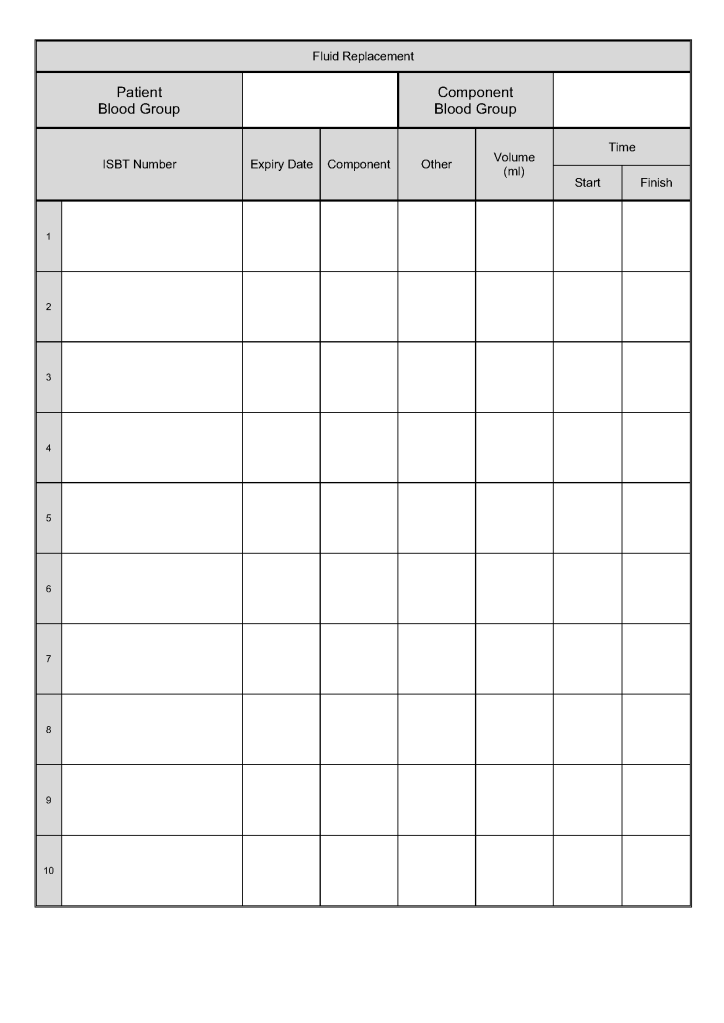
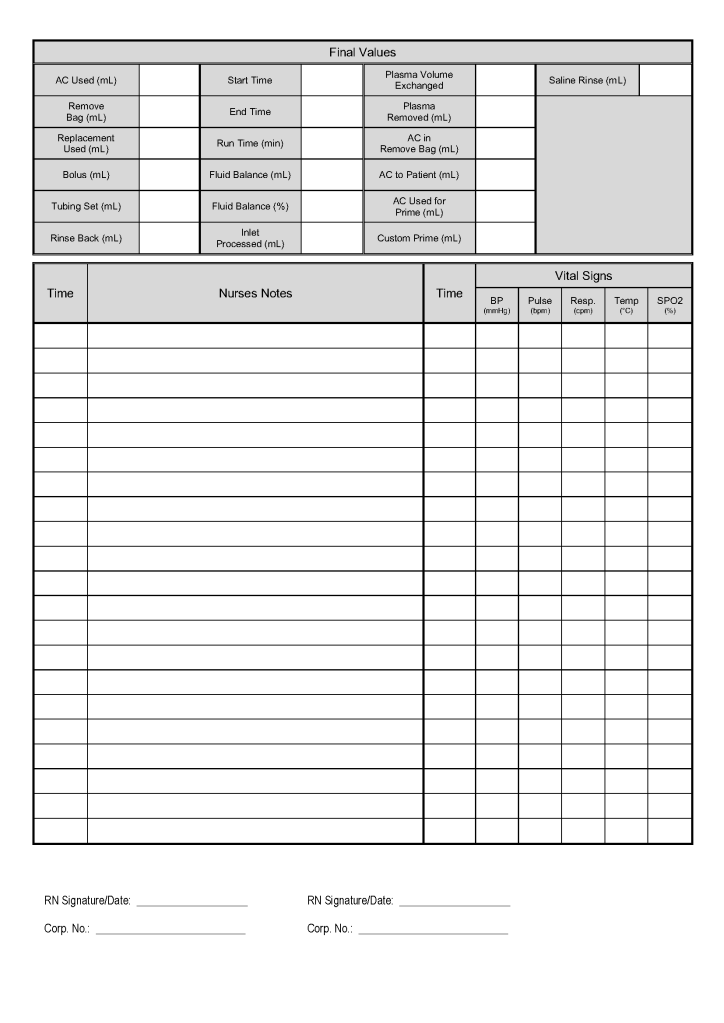
Platelet Depletion Apheresis Form

This is the apheresis form used for reductive thrombapheresis developed by my apheresis team and me. In particular, I want to thank Dr. Saloua Al Hmissi, Consultant Transfusion Medicine, and Ms. Mini Paul, Head Apheresis Nurse, all their hard work.

The attached form can be developed into a computer entry form if one has a suitable hospital information system. It is organized so that the apheresis nurse can quickly enter the data on one screen. Never forget that our goal is treat the patient–not spend all of our time on data entry!!

20/12/20

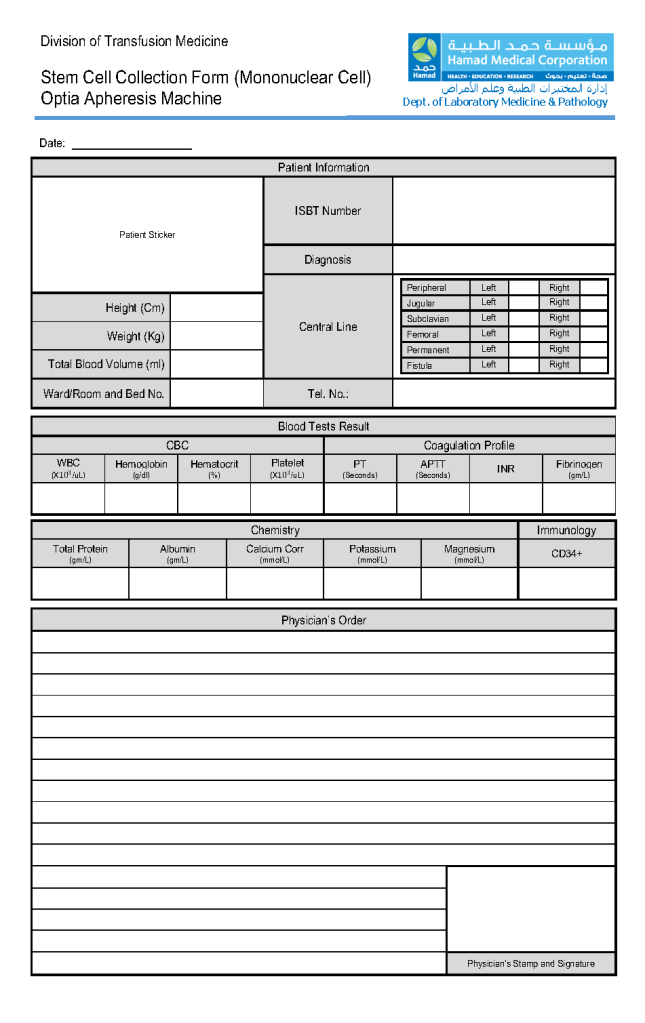
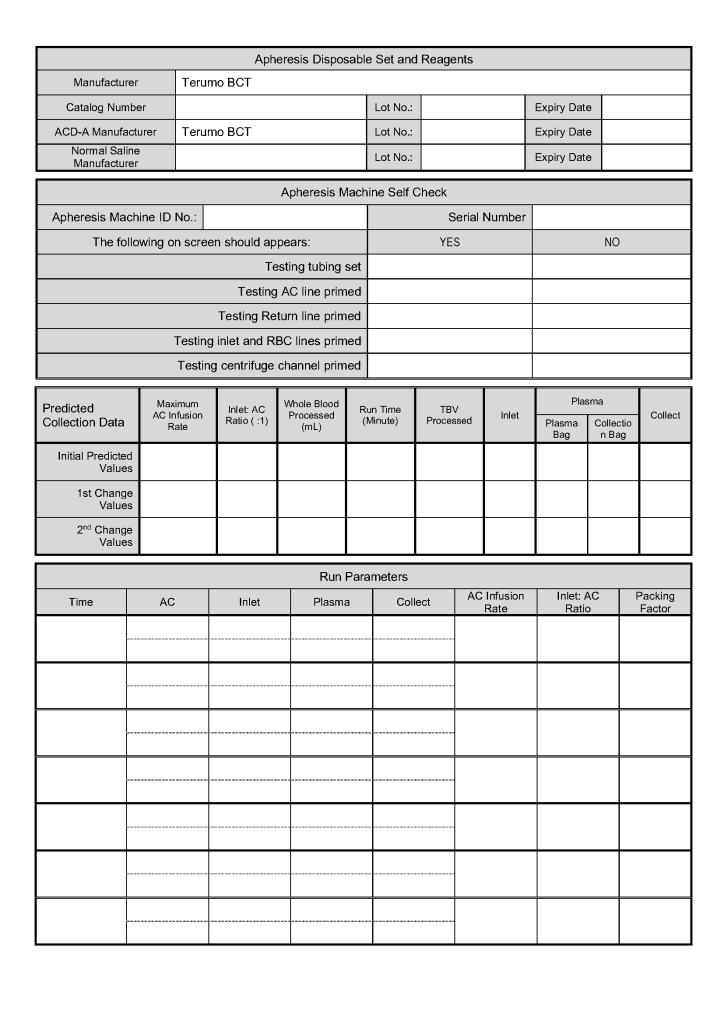
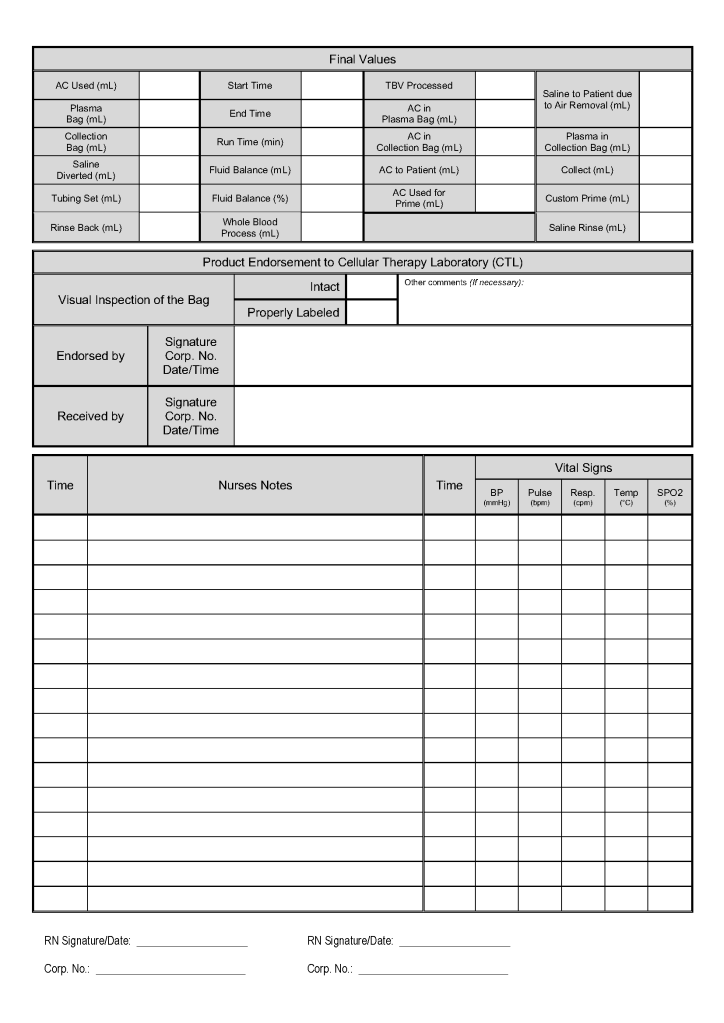
Sample Stem Cell Collection Apheresis Form

This is a sample of the stem cell therapeutic apheresis form that my apheresis team and I developed. It can be readily made into an electronic form. I want to thank Dr. Saloua Al Hmissi, Apheresis Consultant, and Ms. Mini Paul, Head Apheresis Nurse, for their efforts in making this form a success.

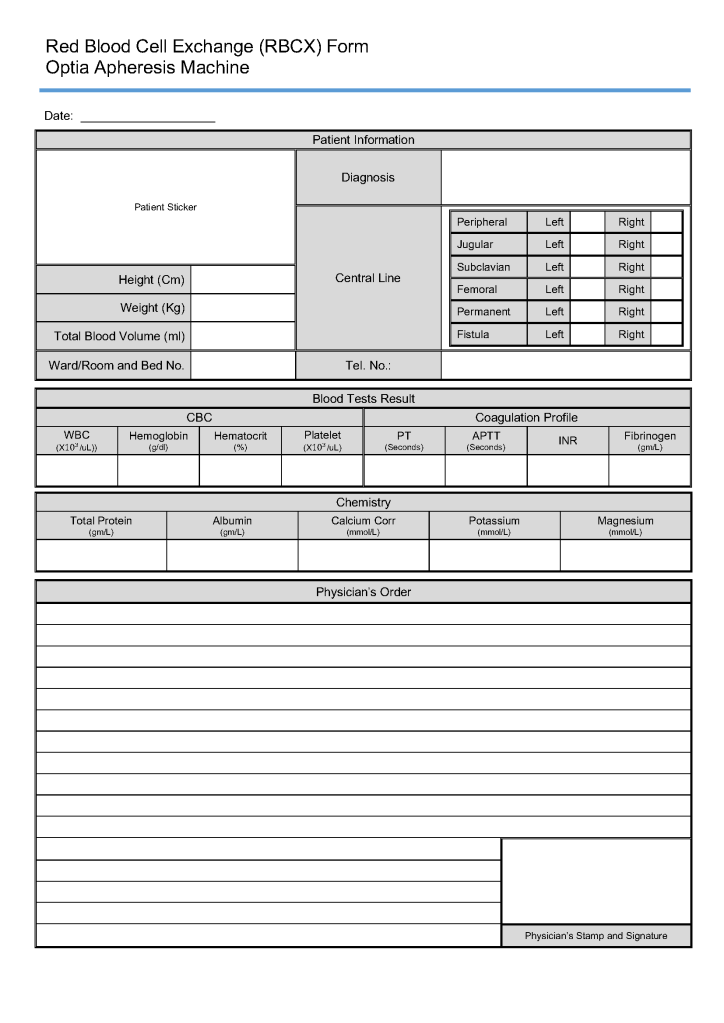
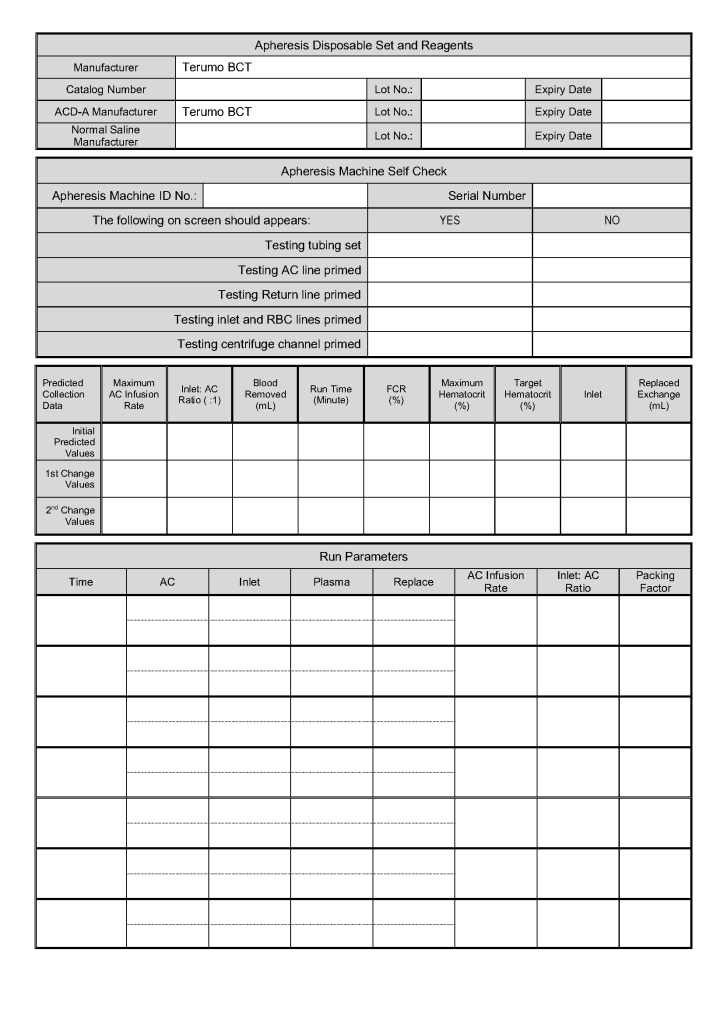
Sample RBC Exchange Form

This form was developed by my senior apheresis staff at HMC Doha in conjunction with me. It organizes the data to minimize the time needed to put the data in place so that the apheresis nurse can concentrate on the patient. It can serve as a good template from which to build a computer form.

I want to thank Ms. Mini Paul, Head Apheresis Nurse, and Dr. Saloua Al Hmissi, Consultant Transfusion Medicine for all their efforts.

Therapeutic Apheresis Volume Calculations

You can get the values off the therapeutic apheresis machine, but in the middle of the night when you have to write orders, it is convenient to estimate the volumes (whole blood, plasma, RBCs).  These are the values from my lectures to hematology fellows while I was at HMC Doha:

Whole Blood:

Weight in kg X 70 ml/kg = whole (whole) blood volume adult

Weight in kg X 85 ml/kg =whole blood volume for child (prepubertal)

Weight in kg X 100 ml/kg = whole blood volume for neonates/premature

Example:  70 kg adult has 4900 ml blood volume (I round up to 5 liters)

Plasmacrit + hematocrit = 1.00 in fractions (100%), ignore buffy coat volume

Plasmacrit = 1- hematocrit

Plasma volume:

Plasma volume = whole blood volume x plasmacrit = whole blood volume X (1-hematocrit)

RBC volume:

RBC volume = whole blood volume x hematocrit

Estimates for blood components:

The volumes will depend on the original amount collected (e.g. 450 vs 500 ml),  original preservative solution used (e.g. CPD), use of automated component production such as Terumo Atreus or Reveos, use of RBC additive solution (e.g. SAGM), leukodepletion, platelet additive solution, pathogen inactivation.

At HMC Doha, the average values were:

300 ml for leukodepleted RBCs in SAGM prepared by Reveos

300 ml for platelet pools in Mirasol and platelet additive solution (residual WBC < 1E6)

300 ml for plateletpheresis concentrate (2.4E11) in Mirasol and platelet additive solution

250 ml for leukodepleted, pathogen inactivated plasma

Pre-Screening for CCP Patients

This is a review/update of this document prepared early in the course of our COVID-19 Convalescent Plasma CCP collections.  It now includes testing of specimens not only for donor marker testing but also COVID-19 antibody titers.

All blood components are considered medications and are subject to Good Manufacturing Practices as mandated by international accreditation standards.  The whole process must be done reproducibly and precisely by specific personnel trained and documented to be competent.  This includes collection of convalescent COVID-19 plasma.

Transfusion Medicine will provide staff who are deemed competent for the entire process of the collection, manufacture, and release of this unlicensed, emergency-contingency component.

It will help greatly if all candidates are prescreened to exclude the following candidates:

  1. Administrative:
    • Donors must come with a valid Qatari identity card:  no ID means no screening
  2. Sex:
    • Males only to minimize the risk for transfusion-associated lung injury TRALI
  3. Donor Feeling:
    • If the donor does not feel well, he should not come for screening/collection.
  4. Food/Drink:
    • Donor must have eaten/drunk fluids within 4 hours of arrival for screening/collection.
  5. Medication exclusions:
    • Antibiotics within the past 14 days
    • ACE inhibitors in the past 48 hours
    • Beta blockers
    • Anticoagulants
    • Anti-anxiety or other psychotropic medications
    • Other medications on the Unified Donor Questionnaire Deferral List
  6. Medical exclusions:
    • Stable vital signs
    • History of seizures
    • History of dementia or other chronic neurologic disorder
    • Family history of dementia or other chronic neurologic disorder
    • Significant cardiac arrhythmias
    • History of hepatitis B, hepatitis C, HIV, brucellosis, Ebola
  7. Travel history:
    • 5 years cumulative residence in Europe including Ireland and France 1980-2001
    • 3 months cumulative residence in the UK (and/or all its territories) 1980-1996
    • Any visit(s) to West Africa
  8. Testing:
    • Antibody titers should be performed to exclude candidates with low-titer or absence of antibodies.
    • Regular donor marker testing (excluding malaria and HTLV 1/2)

All processes will continue to be performed in the dedicated blood bank computer system. The COVID-19 antibody titers will be part of the donation record.

This is NOT a complete list of criteria.  Transfusion Medicine personnel will screen according to the full donor criteria.  Thus, donors passing the pre-screening may still be otherwise disqualified based on the detailed process.

8/11/20

COVID-19 Convalescent Plasma Revisited:

In February, 2020, I developed a program for convalescent COVID-19 plasma at Hamad Medical Corporation in Doha.  In early March, 2020, our program started collecting CCP by apheresis.  We started before the software modifications were completed since there were urgent requests by the clinicians for the product.

I proposed the software specifications and our vendor Medinfo Hematos IIG implemented them within 2-3 weeks, after which they were implemented/validated

Thus, now we have 8 month experience has been 8 months since starting manually and more than 7 months using a specific modification of our blood bank software Medinfo.

A complete manual system was implemented with quarantined registration, screening, collection, processing, and release.  Only the donor marker testing was shared with the regular donors.  This was built into the computer system.

Upon review, these are my current thoughts on our processes:

  1. Actively monitor supply requests:  Keep good communication between ordering/treating physicians and apheresis unit to optimize the stock according to patient needs.
  2. Collect/process/release separately from regular donations.
  3. Use dedicated quarantine equipment (apheresis, processing, storage refrigerators)
  4. Collect manufacturer’s recommended maximum of plasma based on body weight.
  5. Use pre-donation screening to allow quick release of components and avoid wasting apheresis kits.
  6. Repeat testing on the new specimen collected at the time of apheresis donation.
  7. Process units by same processes used for normal donations, including pathogen-inactivation.
  8. Use standard processes for release of blood components to end-users.
  9. Restrict ordering to designated treating COVID-19 physicians (enforce in computer system)
  10. Restrict release of CCP to designated non-blood bank staff from the quarantine storage location (enforce in computer system)

Notes:

  1. Include COVID-19 antibody testing and establish a threshold level (e.g. 1:128 titer) for donor qualification.  Do not collect if low-titer or absence of COVID-19 antibodies.   Store titer information with donation record.  Add antibody results to donation records that occurred before the assay was available.
  2. Review of donor criteria:  are there increased risks using these recovered donors:  cardiac or respiratory risk?  Is there a way to continuously monitor CCP donors’s vital signs during the donation?
  3. Collect apheresis components only in pre-screened donors:  Apheresis kits are expensive, use them only if the donor is prequalified, continue to retest when actual apheresis donation occurs
  4. Allow use of units directly after collection/processing as long as the other donor processing steps have been completed (allow blood bank computer system to use pre-donation specimen for marker testing criteria).

Irradiation of Blood Components

Principle:

The use of irradiated components is to inactivate antigen-processing cells, which have been implicated in transfusion-associated graft versus host disease (TAGVHD).  This condition is may be fatal and has been reported in a variety of clinical settings, both in immunocompromised and immunocompetent hosts.

Since we pathogen-inactivate platelet components, we are only irradiating RBC components.  There is no need to irradiate any plasma components (e.g. FP24, thawed plasma, cryoprecipitate, or cryo-poor plasma.)

WARNING:  Do not irradiate stem cell units!!

Policy:

  1. Irradiation of packed RBCs will be given to the following patients:
    1. All candidates for stem cell transplantation SCT or patients post-SCT
    1. All severely immunosuppressed, excluding AIDS patients including:
      1. Congenital immunodeficiency states
      1. Intrauterine (i.e. fetal) transfusions
      1. Premature (less than 1500 grams or 28 weeks gestation) infant transfusions
    1. Neonatal Intensive Care Unit patients
    1. All hematopoietic tumors, including
      1. Hodgkin’s disease/lymphoma
      1. Non-Hodgkin’s lymphomas
      1. All acute leukemias
      1. Myelodysplastic states
      1. Myeloproliferative states
      1. Histiocytosis X, Langerhans histiocytosis
      1. Aplastic anemia
    1. All recipients of directed donations of any type, i.e. apheresis or components prepared from whole blood
    1. Recipients of HLA-selected platelets or platelets known to be HLA homozygous
  2. Irradiation Specification:
    1. Irradiate just prior to release if possible to minimize potassium leakage.
    1. Target 2500 cGy (rads) of gamma irradiation to the mid-plane of the canister of a free-standing irradiator is used or to the central mid-plane of the irradiation field if a radiotherapy instrument is used
  3. Using returned irradiated RBCs:
    1. If an irradiated unit is returned and otherwise meets re-release criteria, it may be used for up to 28 days after the irradiation or the normal outdate limit, whichever is less.
    1. For pediatric use (< 20 kg.), if the component was irradiated more than 24 hours previously, wash it prior to transfusion.

If you are uncertain whether to irradiate, ask the supervisor or the transfusion medicine physician.

References:

  1. Standards for Blood Banks and Transfusion Services, Current Edition, American Association of Blood Banks, Bethesda, MD, USA.
  2. Guidelines to the Preparation, Use, and Quality Assurance of Blood Components, European Committee (Partial Agreement) on Blood Transfusion (CD-P-TS), Current Edition

4/11/20

Donor Unit Discrepancies

Principle:

All donor unit mislabeling is potentially life-threatening and must be stringently investigated as soon as possible after the discrepancy is detected.  Most importantly, if there is one error, there may be possibly ADDITIONAL donor unit errors (e.g. switch of donor tubes or units, etc.).  All donor units processed in the same batch must be also quarantined until the discrepancies are resolved.

The blood bank computer system will detect many errors;  however, if the donor unit or its samples are mislabeled in the beginning, these may not be detected.  Medinfo enforces checks on the final ISBT label and will compare current results to the historical record and will alert to any errors. Additionally, the use of ISBT specimen labels will obviate the risk of barcode reading errors.

Definitions:

Responsible blood bank physician:  specialist or consultant physician on-call at the time the discrepancy is detected

Policy Details:

The following steps MUST be performed as soon as possible:

  1. The Component Processing Supervisor or Senior Technologist must be IMMEDIATELY notified of any discrepancy.
  2. The Blood Bank Supervisor will inform the Division Head, Transfusion Medicine.  If the Head is not available, notify the Transfusion Medicine on-call.
  3. Quarantine ALL donor units collected and processed in the same batch.
  4. Obtain copies of all testing including photos of the gel/glass bead cards documenting the discrepancy.
  5. Obtain copies of all worksheets used in donor processing for the affected batch.
  6. Perform repeat ABO/D typing of ALL DONOR UNITS in the affected batch.  Any further discrepancies must be investigated and resolved.
  7. Identify all staff who were involved in handling the donor unit (phlebotomist, blood bank technicians processing and labelling the unit).  Identify those associated directly with the error.
  8. Submit all documents and photos to the Blood Bank Supervisor or designate.
  9. Prepare an occurrence/variance OVA report documenting all the data, findings, and interpretations.
  10. All investigations must be reviewed by the Supervisor, responsible blood bank physician, and one of the senior consultants.
  11. All such investigations must then be finally reviewed and approved by the Division Head, Transfusion Medicine or his designate.  Only when the issue(s) are completely resolved and investigation is approved may the donor unit be properly relabeled and released into available stock.  Also, only at that time may the other units in the affected batch be released into available stock!!
  12. Photograph the correctly relabeled unit and attach it to the other documentation of the incident.
  13. If the discrepancy cannot be resolved, ALL units in the affected batch must be discarded.
  14.  The implicated staff’s personnel record should be reviewed for previous errors.   Appropriate disciplinary action should be taken and documented in the personnel record.  If a verbal warning is given, it should still be documented in the written record.
  15. If there is a systemic cause for the error, appropriate measures should be taken to minimize reoccurrence.
  16. All actions must be in accordance with the institution’s policies and regulations.

2/11/20

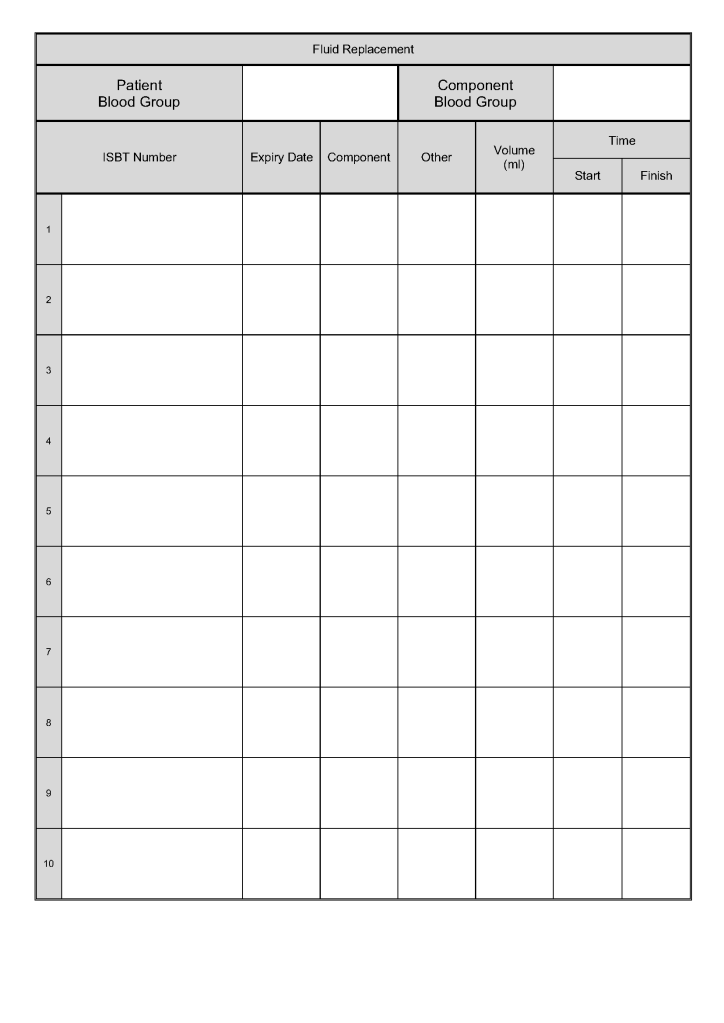
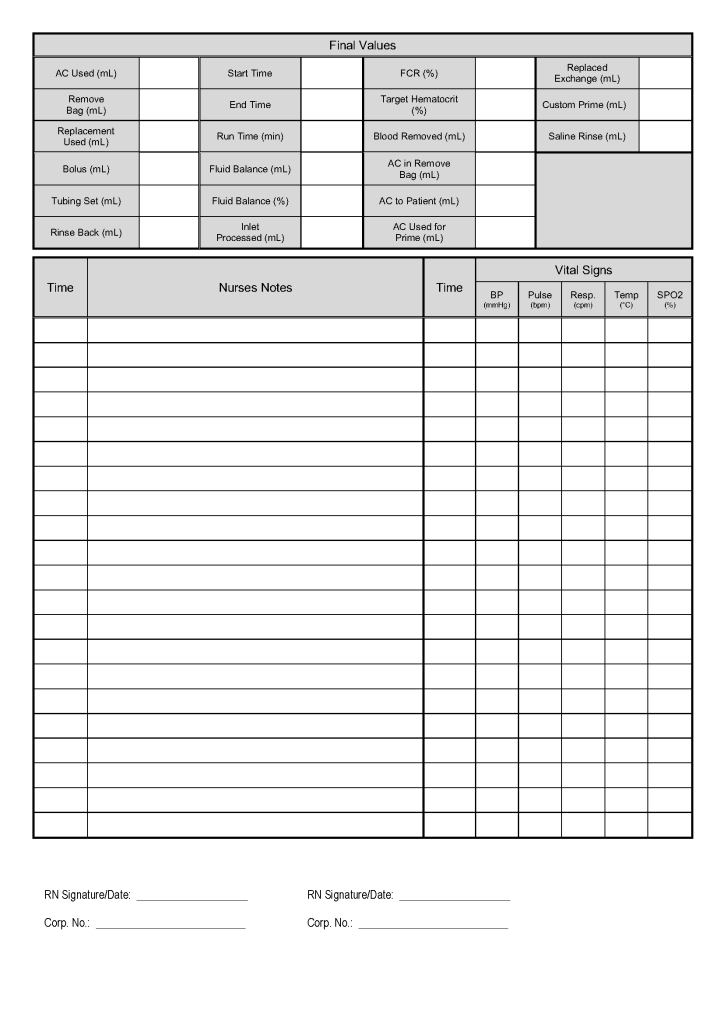
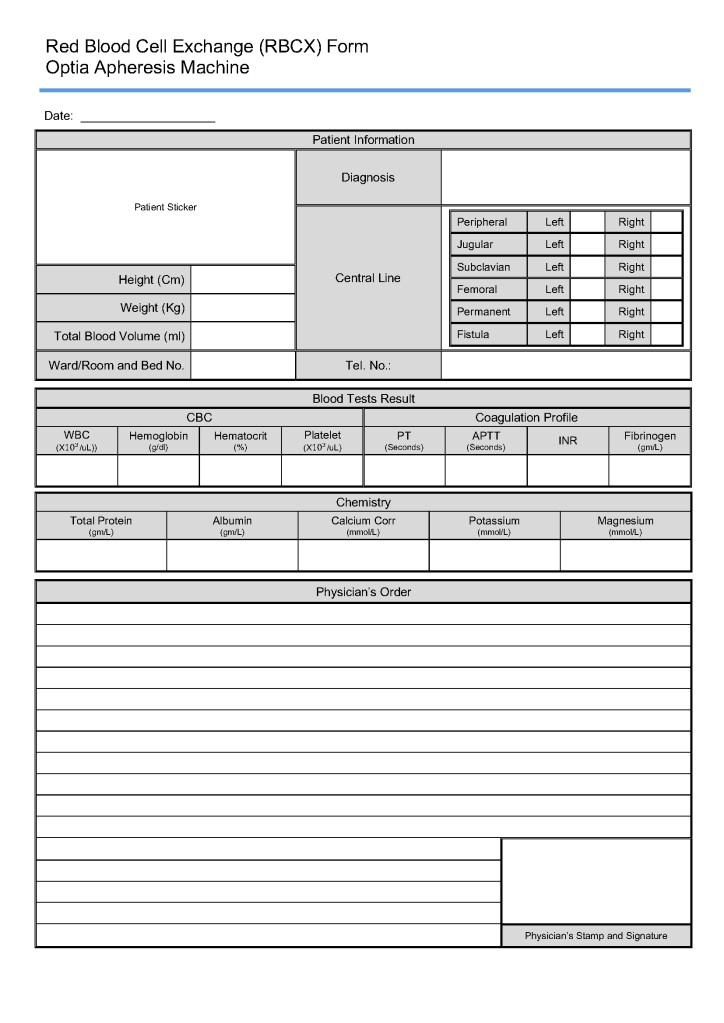
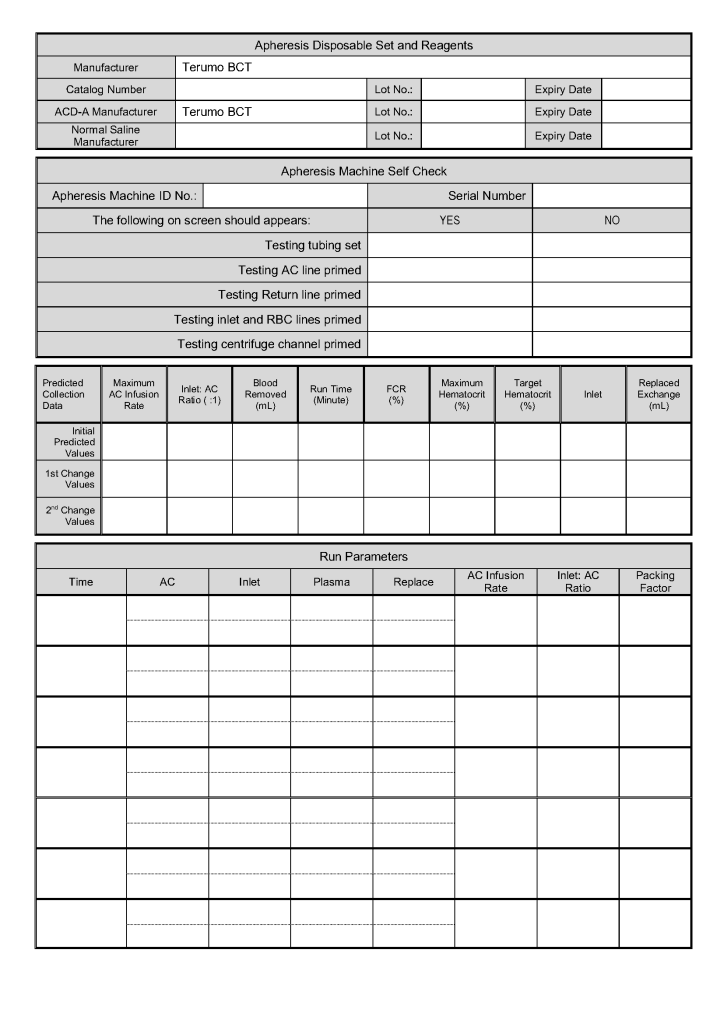
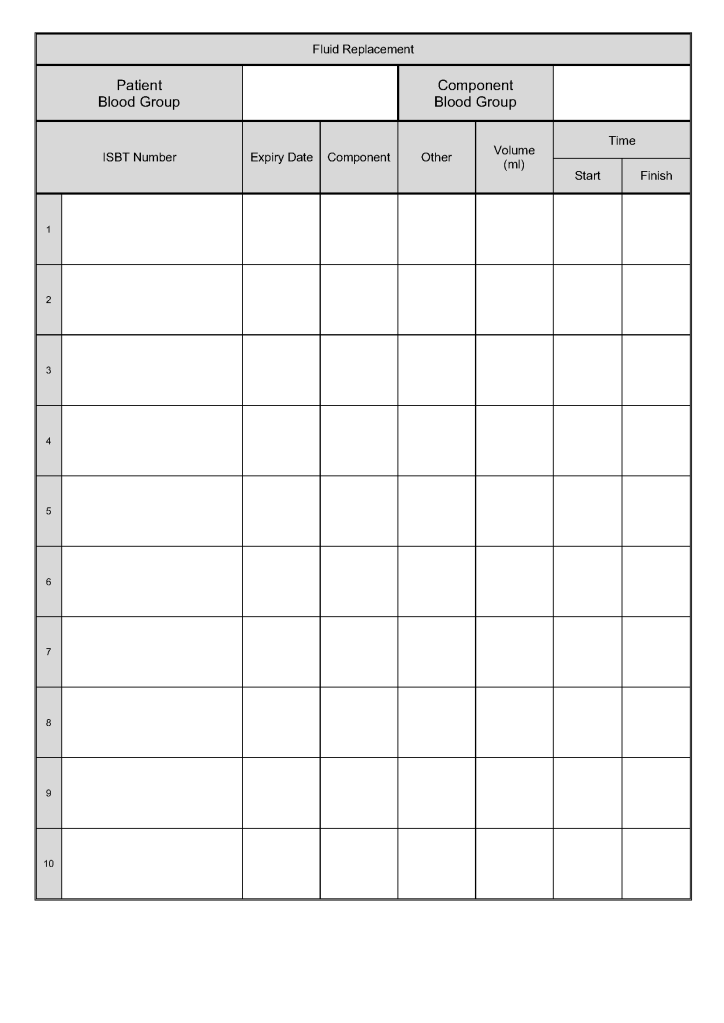
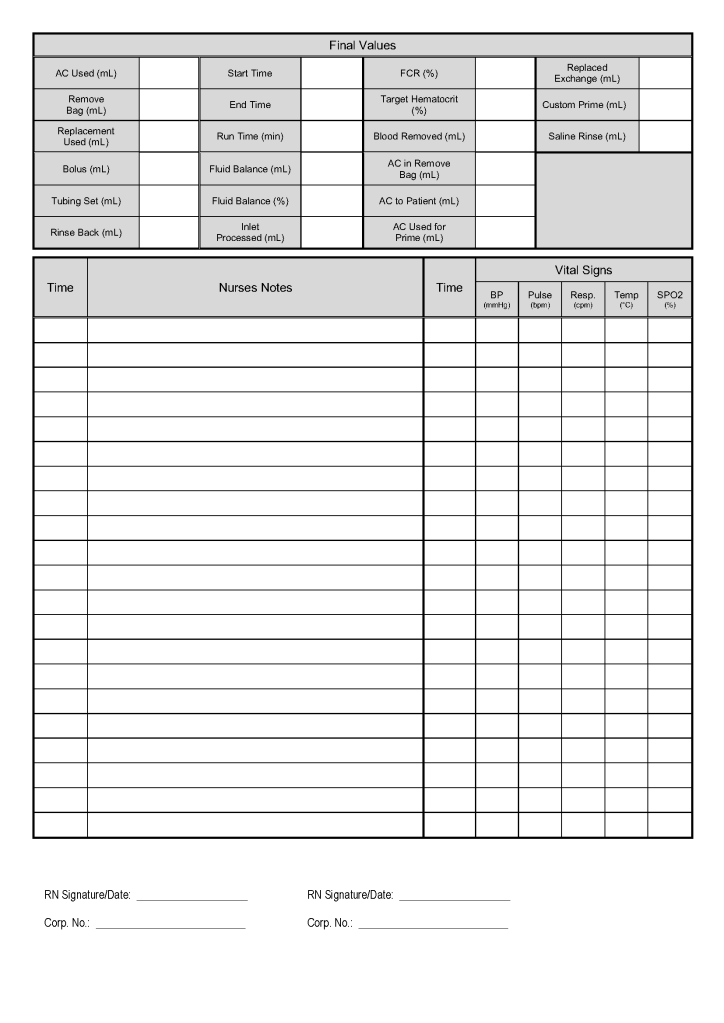
RBC Exchange Form

This was the RBC Exchange Form developed by my Head Apheresis Nurse Ms. Mini Paul and Dr. Saloua Al Hmissi at my previous position. It is easy to find all the important information and enter the parameters during the actual procedure: it does NOT require the apheresis nurse to flip back and forth and allows her/him to concentrate on the patient.

27/10/20

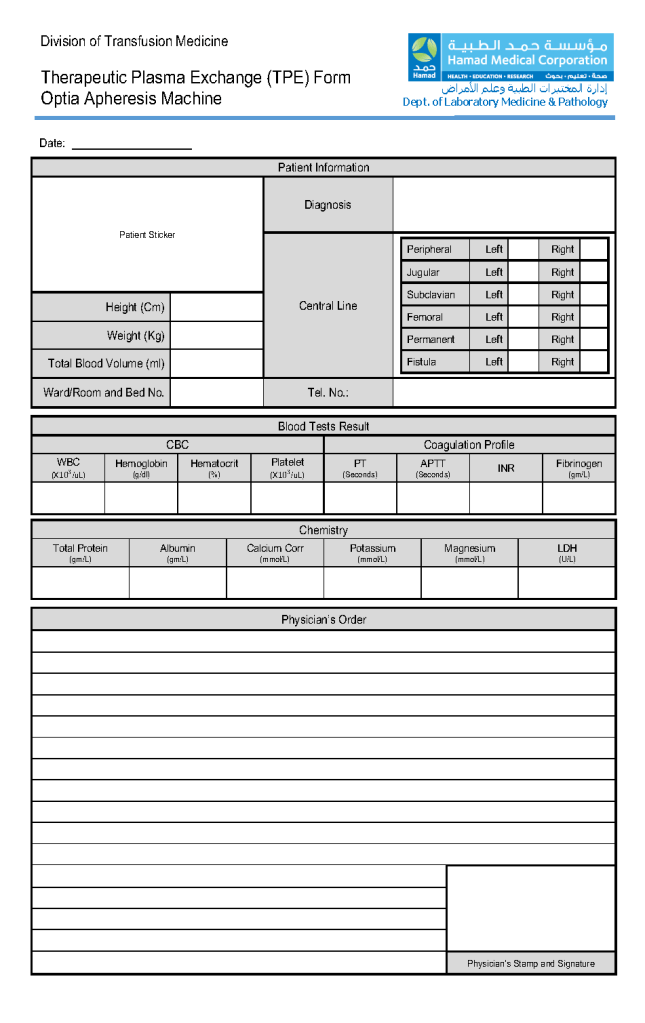
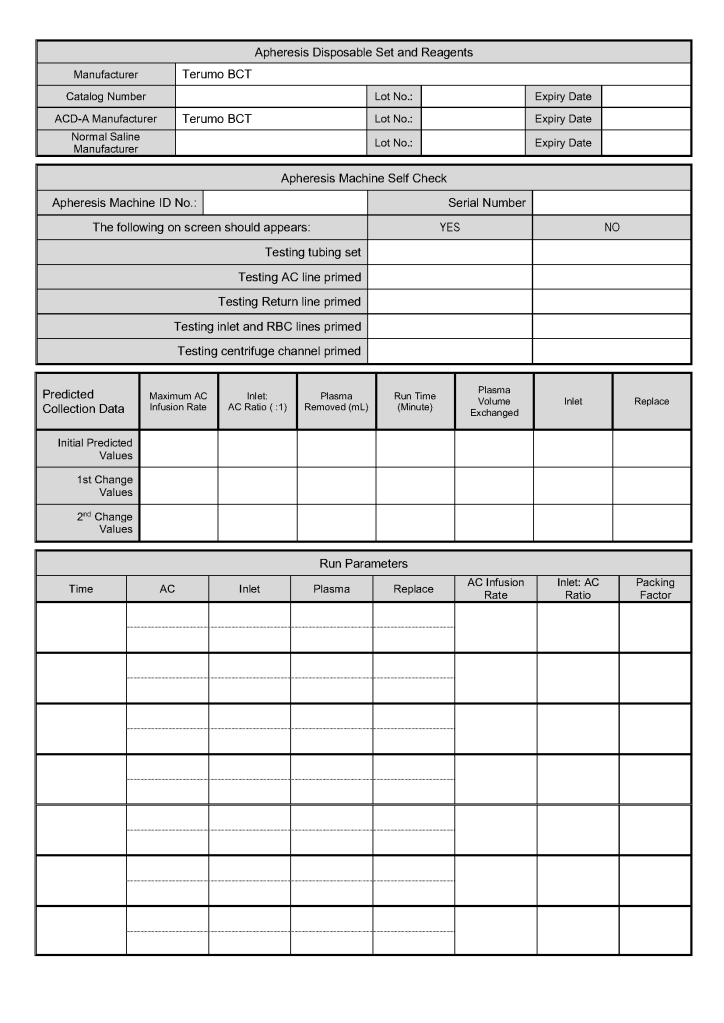
Therapeutic Plasma Exchange Apheresis Form

The apheresis nurses provide critical support to critically ill patients by performing various therapeutic procedures, especially plasma exchange. Not only does the nurse have to administer therapy, but he/she must constantly monitor the patient and the parameters of the procedure, including the blood components and IV solutions, medications, and any intra-procedure tests.

It is important that this data is collected in a visually appealing way to maximize pattern recognition and is easy for the nurse to enter the data. He/She does not have the time to flip through several pages to record everything.

The following is example of the TPE form we used at my previous position. I want to thank Dr. Saloua Al Hmissi, Consultant Transfusion Medicine, Ms. Mini Paul, Head Apheresis Nurse, and other apheresis staff for designing this beautiful form.

In my opinion, having a good manual form is the first step to computerizing the process since the design effort ensures the staff know the process thoroughly.