Case Study: Importance of Enzyme Panels in RBC Antibody Workups

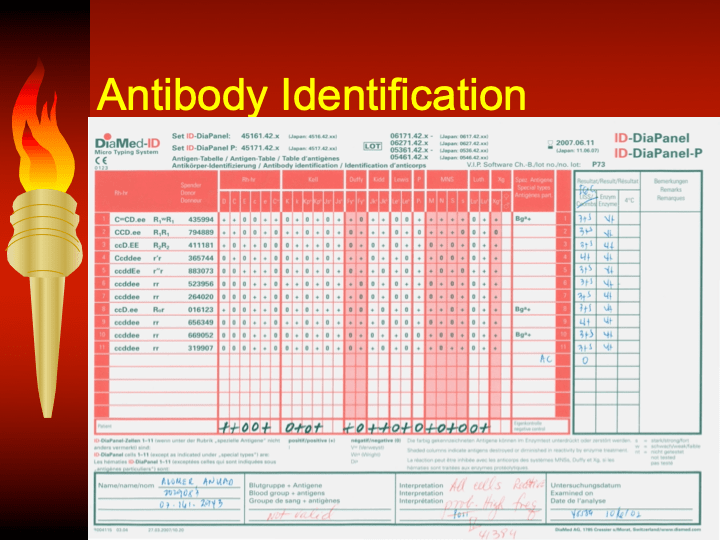
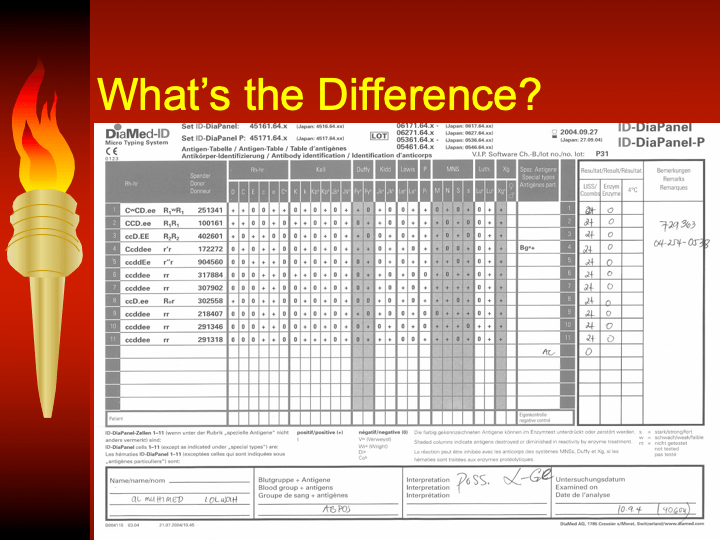
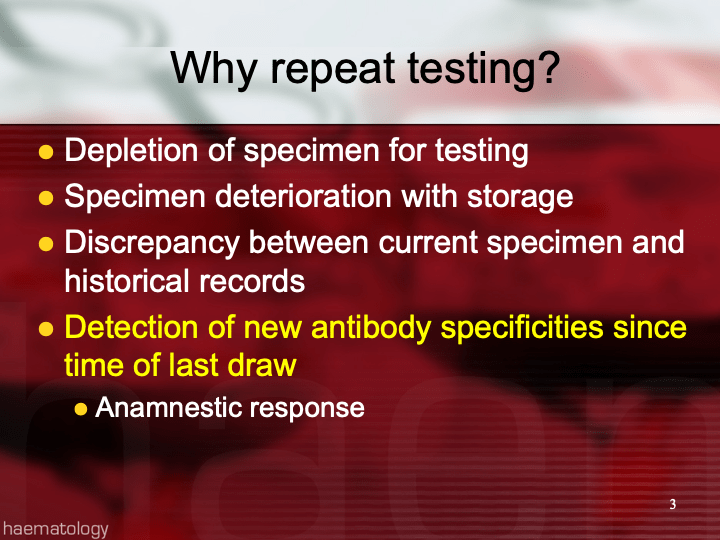
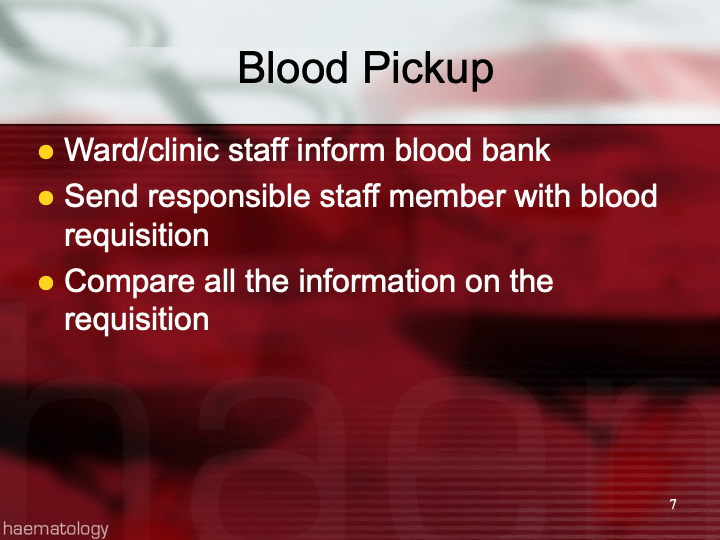
I am a strong believer in performing both AHG and enzyme panels together in routine antibody workups.  I especially feel this is important when the patient is R1R1 since I always want to rule out anti-c.  Sometimes, anti-c is only identified in the enzyme phase.

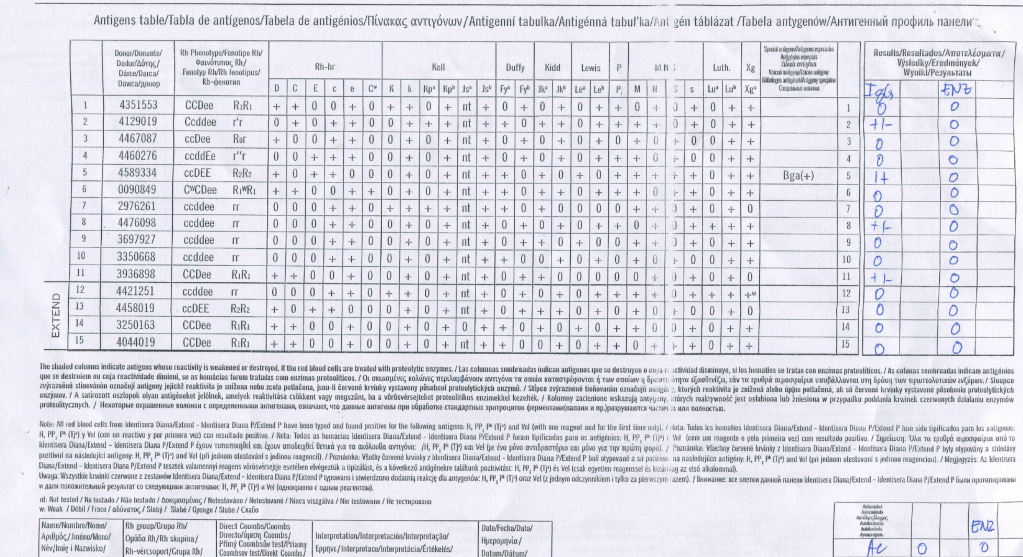
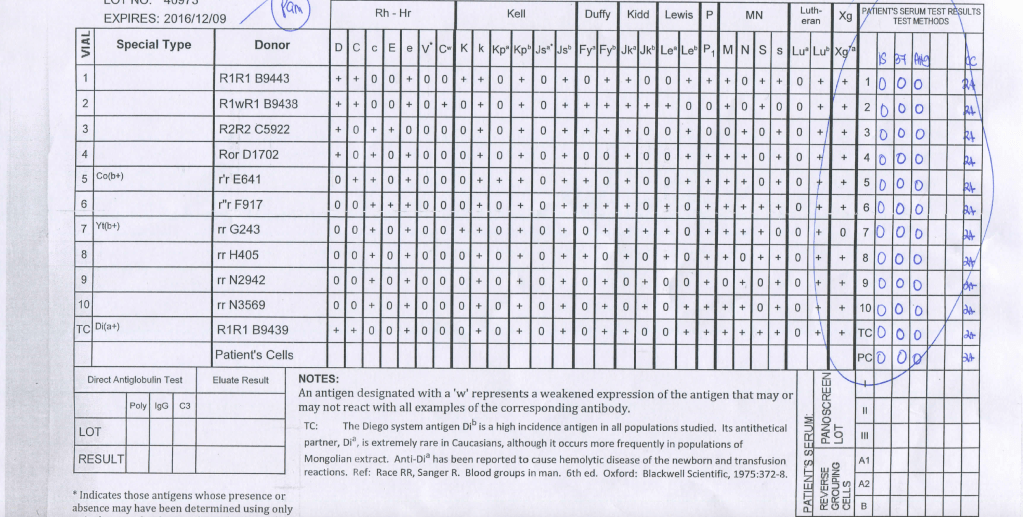
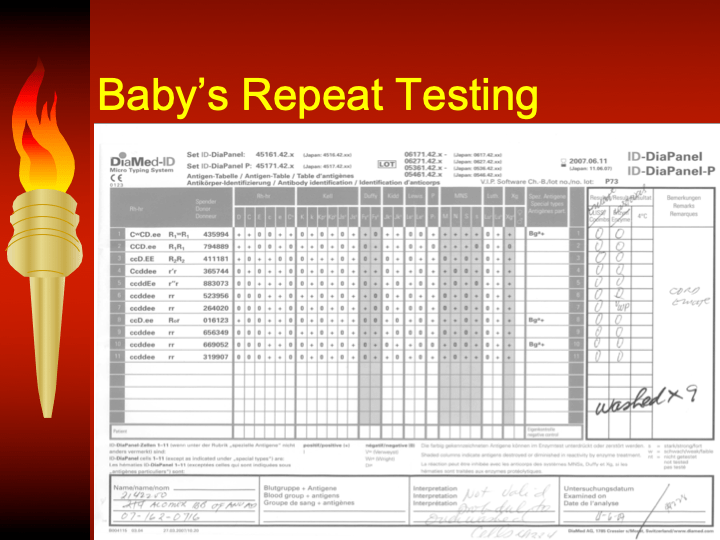
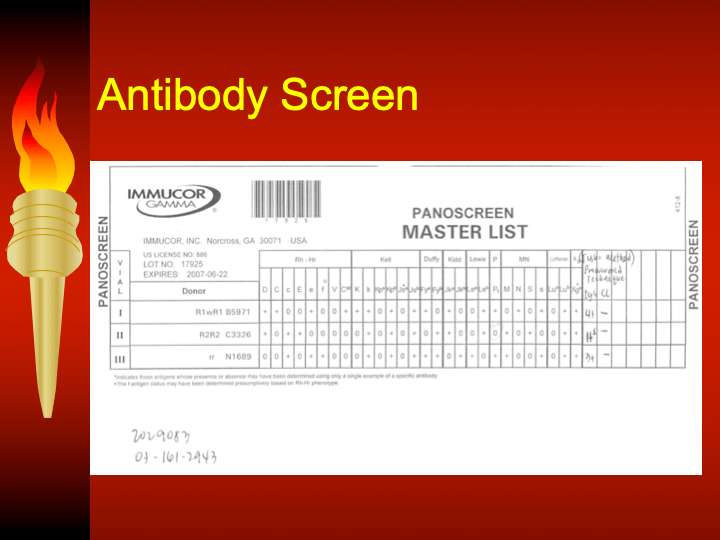
This is a case from my files of an R1R1 patient with the following results:

Antibody Screen:

AHG Panel:
Enzyme Panel (Ficin):
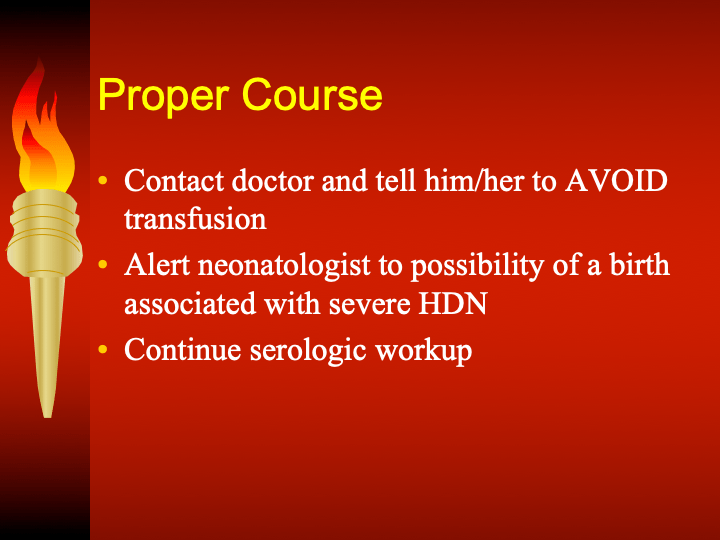
This anti-S is enzyme-labile but anti-c is revealed, only reacting at enzyme phase.  The patient was Kell-negative so I selected S-negative, R1R1 K-negative RBCs for transfusion.  Anti-c can be a dangerous antibody causing severe hemolytic disease of the fetus/newborn and sever hemolytic transfusion reaction.  If only the AHG panel had been performed, the anti-c would have been missed.

Hypotonic Saline to Phenotype Multiply Transfused Sickle Cell Patient

Nowadays, if we have a multiply transfused patient with a complex antibody pattern, we might resort to RBC genotyping to help us resolve the antibody issues.  Fortunately, there is one situation where we can quickly phenotype the patient by using hypotonic saline to lyse the transfused RBCs since the sickle cells are resistant.

The results can be quite clean and easy to interpret as in the following example using 0.4% saline:
It is a lot cheaper to make dilute saline than an RBC genotype—and much quicker!

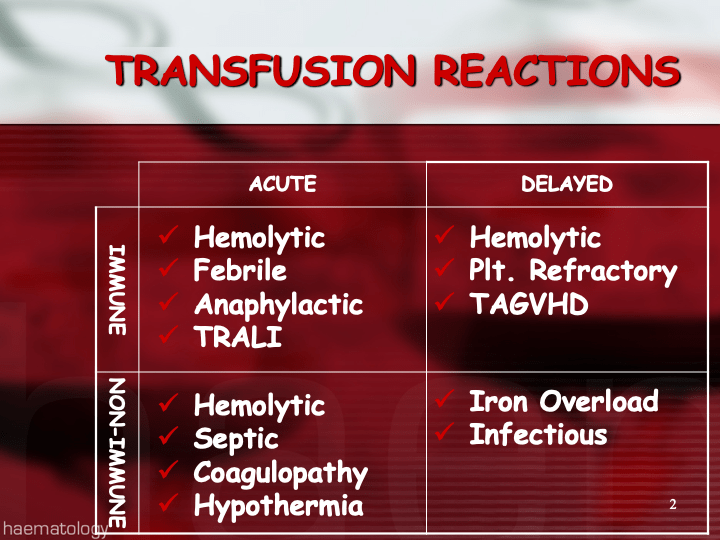
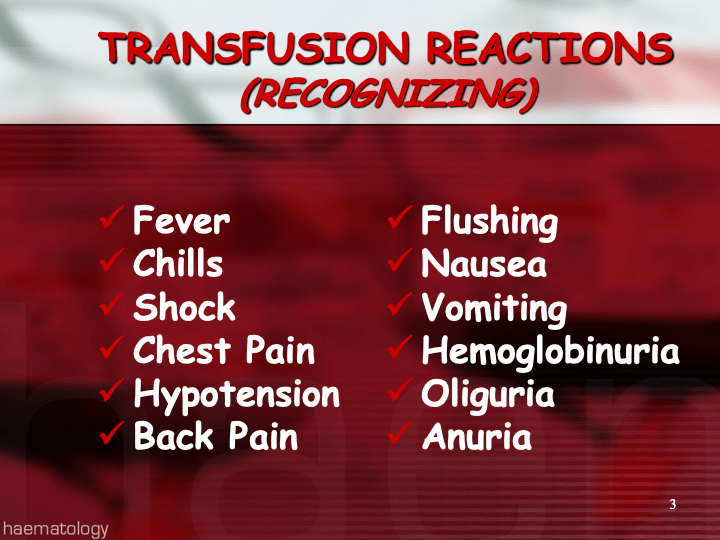
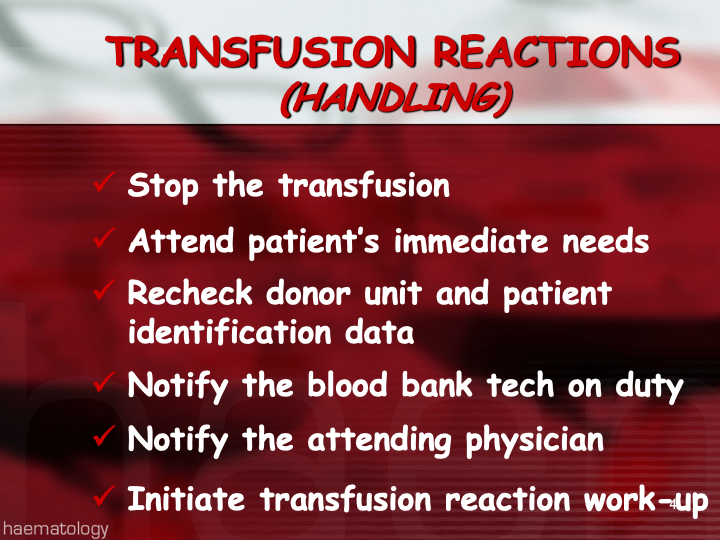
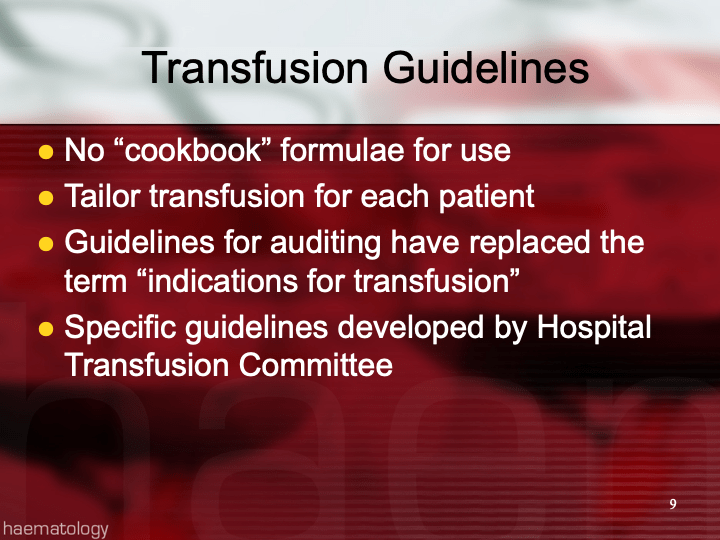
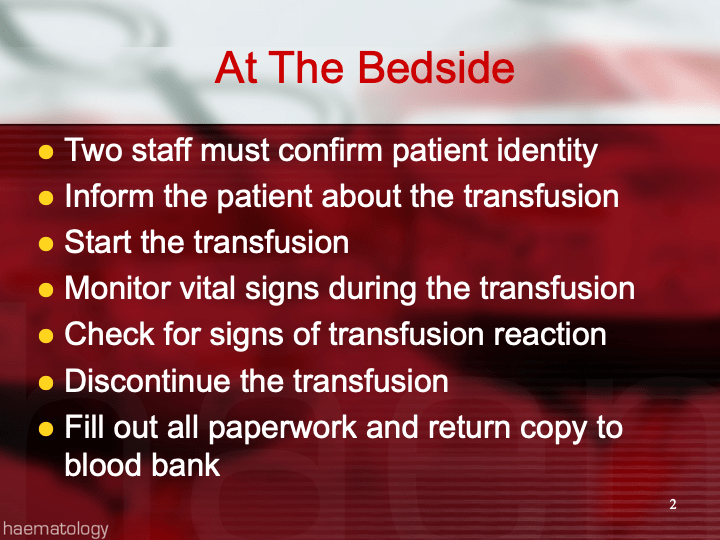
Management of Acute Transfusion Reactions

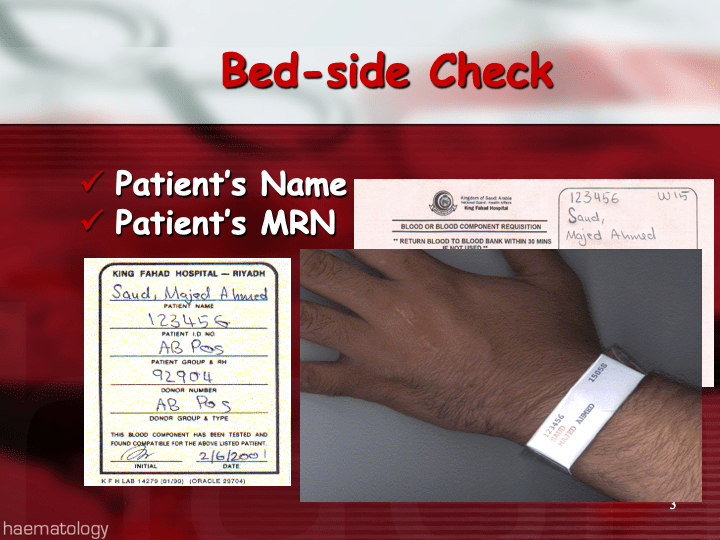
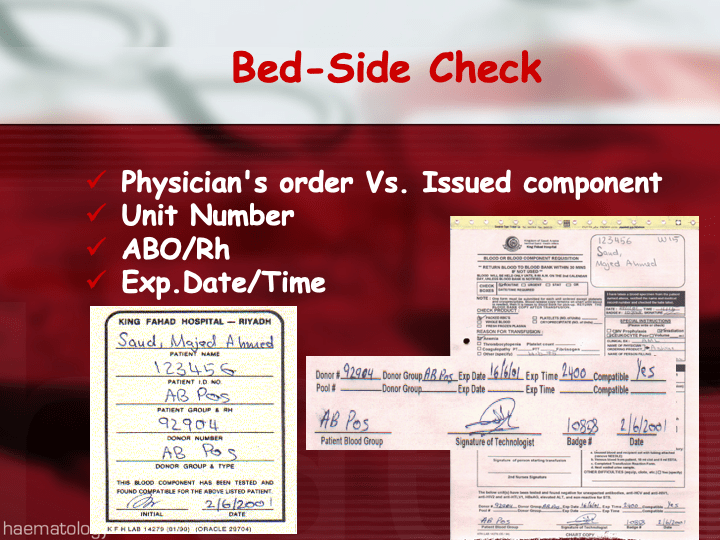
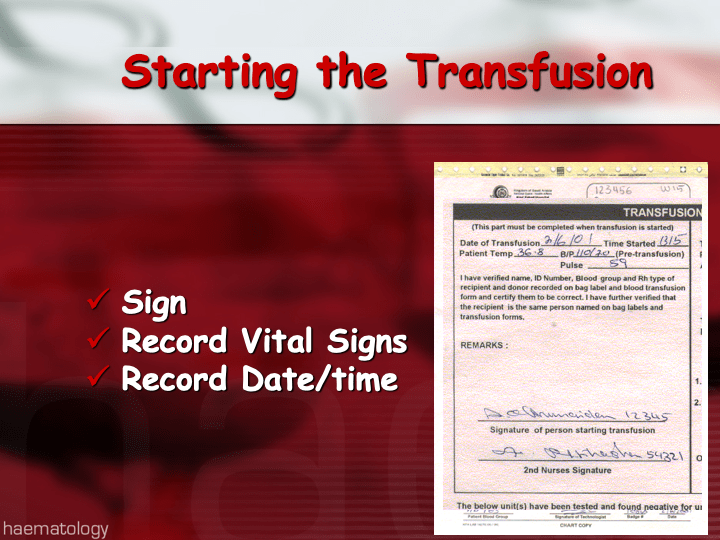
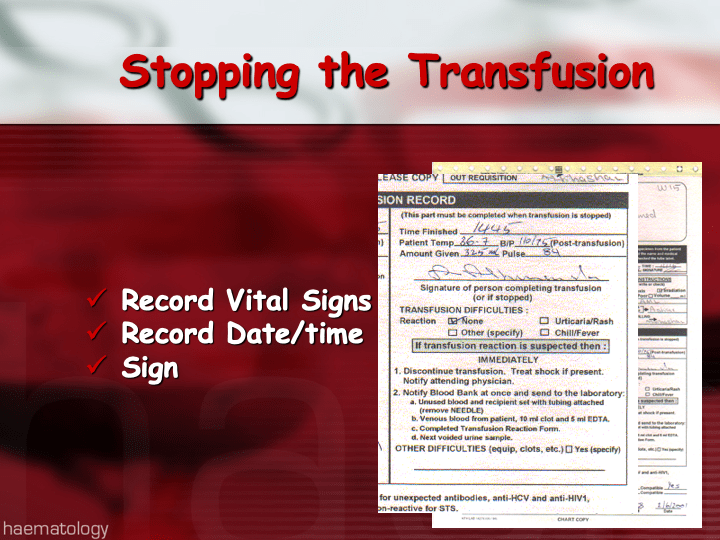
This was a teaching document for medical students and residents I made for NGHA Riyadh. I have updated it for leukodepleted components and platelet additive solution.

Immediate Steps for All Reactions:

  1. Stop Transfusion.
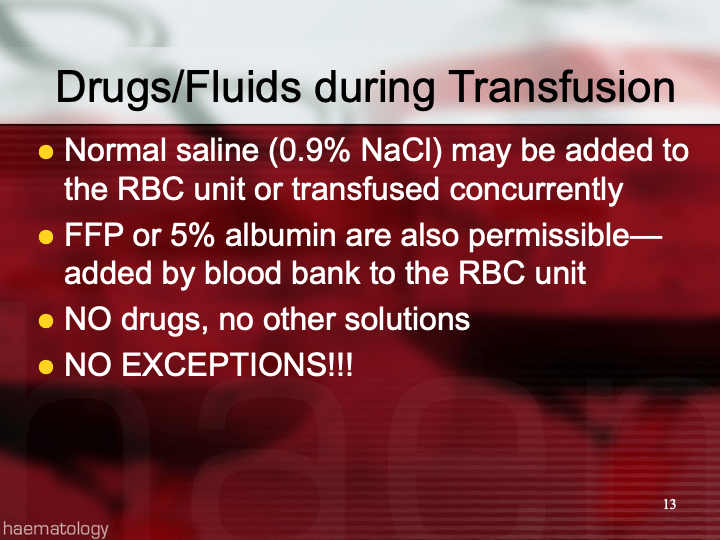
  2. Keep IV Open with 0.9% NaCl.
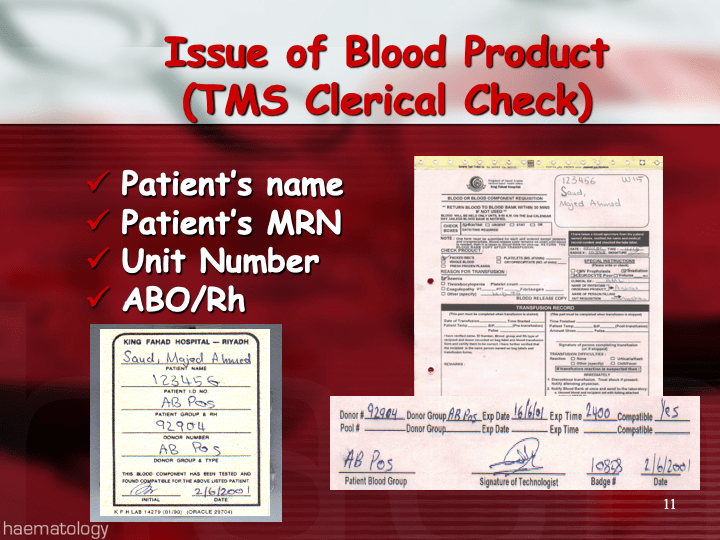
  3. Verify correct unit was given to correct patient.
  4. Notify attending physician and blood bank

After Transfusion is Terminated (except mild allergic, see below):

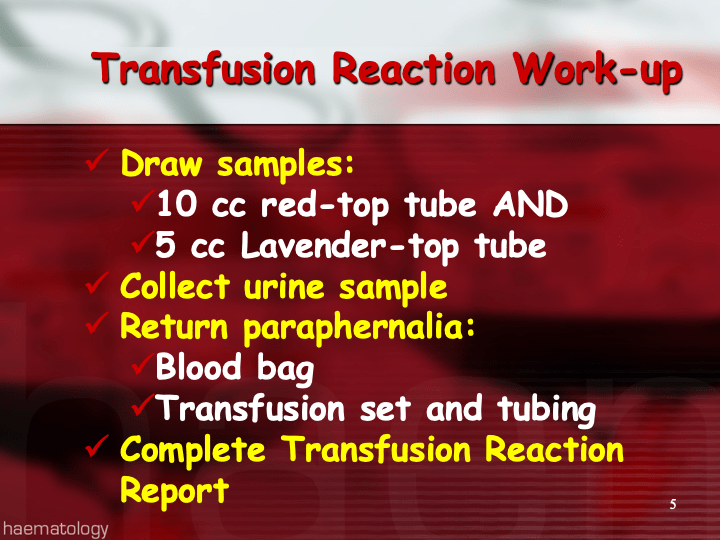
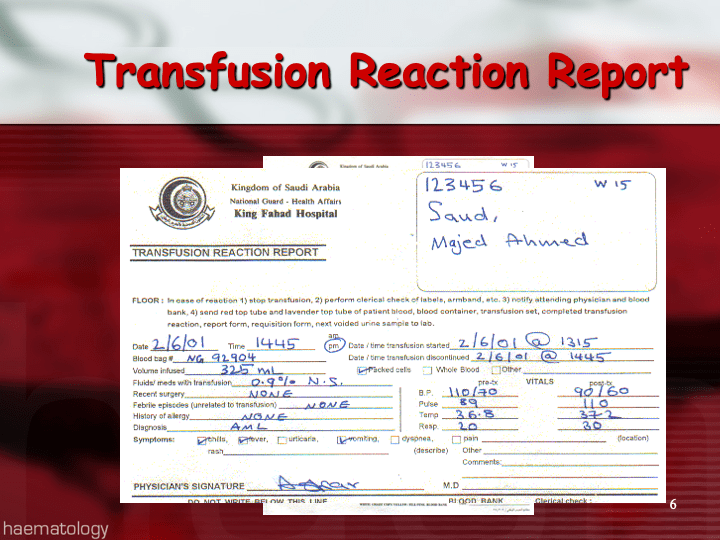
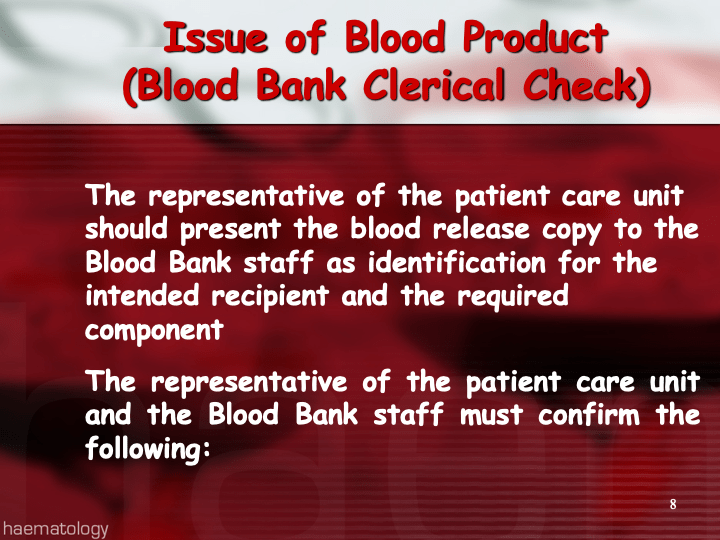
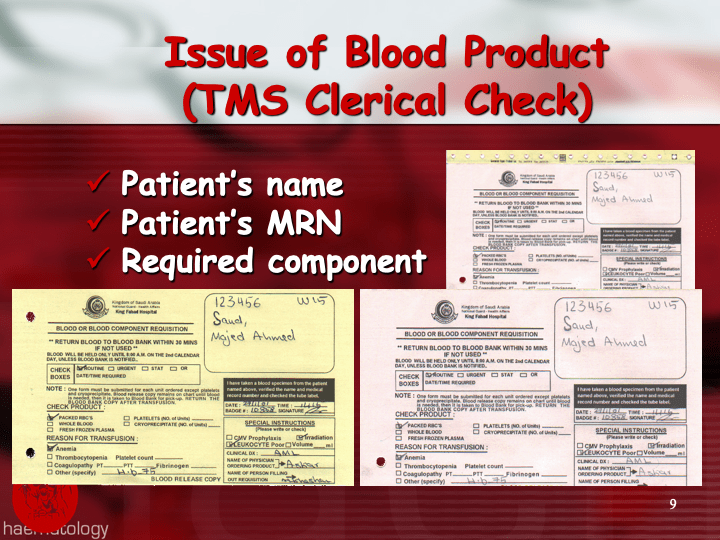
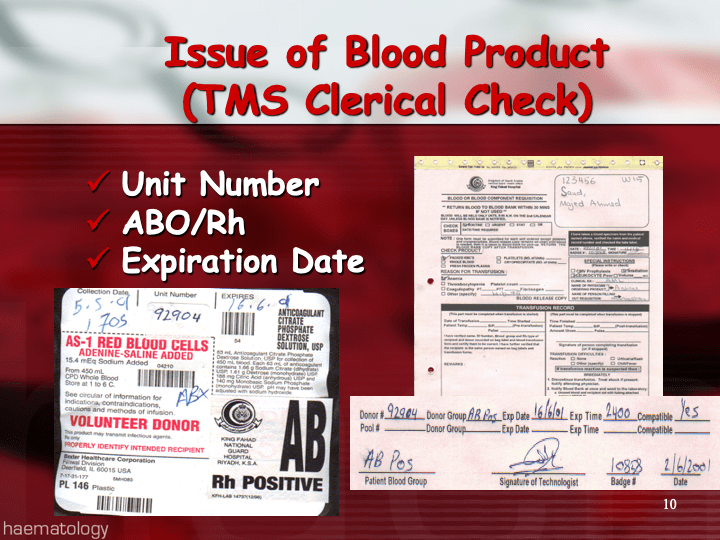
  1. Send report of reaction, freshly collected blood, and urine samples with blood unit and administration set to blood bank.
Reaction TypeSigns and SymptomsEtiologyClinical Action
Allergic (mild)Pruritus, urticaria (hives)Antibodies to plasma proteinsSteps 1-3 above; administer antihistamines (PO, IM, or IV); resume transfusion if improved; if no improvement in 30 minutes treat as below.
Allergic (moderate to severe)Hives, dyspnea, abdominal pain, hypotension, nausea, anaphylaxisAntibodies to plasma proteins, including IgA (patient has anti-IgA antibodies)Steps 1-5 above; administer antihistamines, epinephrine, vasopressors, and corticosteroids as needed; avoid future reactions by premedication and consider use of washed red cells if refractory.
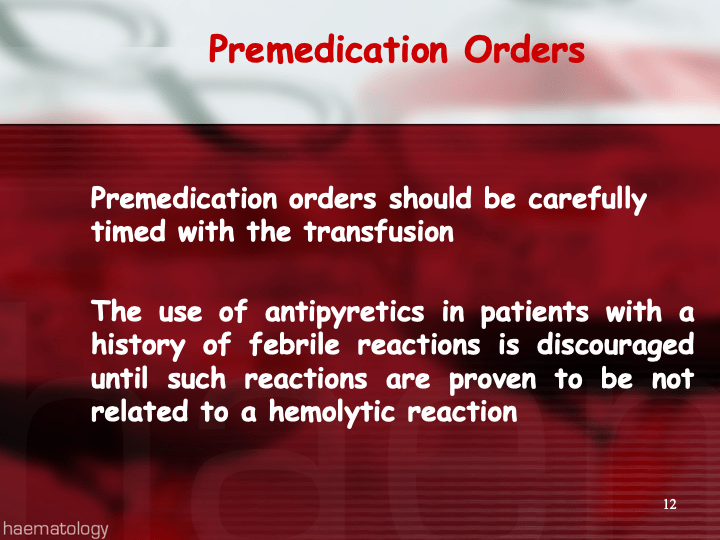
Febrile (mild to moderate)Fever, chills, rigors, anxiety, mild dyspneaAntibodies to leukocyte antigens, (mostly HLA): cytokinesSteps 1-5 above; mild—administer antipyretics as needed; avoid future reactions by premedication and use of leukodepleted red cells and platelets
Acute lung injuryFever, chills, dyspnea, respiratory failureAntibodies form donor plasma to recipient WBCs; less commonly recipient antibodies to donor WBCsSupportive therapy for respiratory failure, oxygen, mechanical ventilation, leukodepleted blood components, consider use of solvent detergent plasma, minimize plasma transfusions (use platelets in additive solution and leukodepleted RBCs in additive solution).
Acute hemolyticAnxiety, chest pain, flank pain, dyspnea, chills, fever, shock, unexplained bleeding, hemoglobinemia/ hemoglobinuria, cardiac arrestHemolytic transfusion reaction; usually due to ABO incompatibilitySteps 1-5 above; treat shock with vasopressors, IV fluids, corticosteroids as needed; maintain airway; increase renal blood flow (IV fluids; furosemide); maintain a brisk diuresis; monitor renal status for acute renal failure. Monitor coagulation status for DIC; administer blood components as needed after etiology is clear.
Septic / toxicChills, fever, hypotensionBacteria in contaminated bloodSteps 1-5 above; treat shock with vasopressors, IV fluids, culture patient and blood bag,antibiotics.

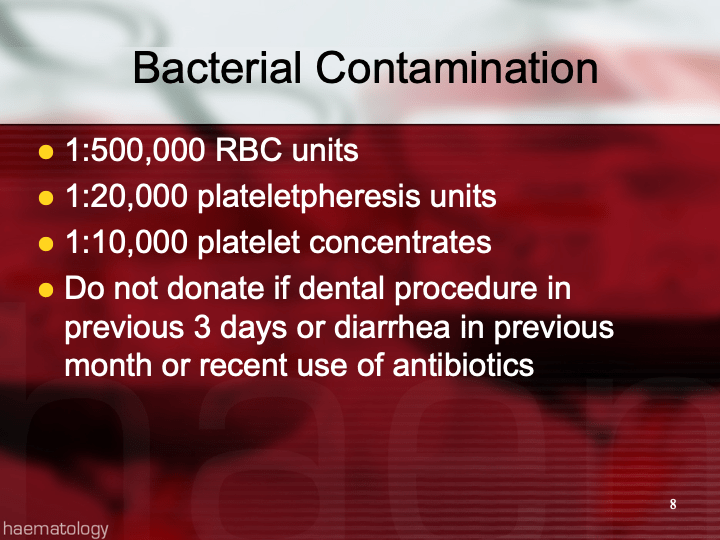
Process Donor Medical Questionnaire

5.2.1 PROCESS:  DONOR QUESTIONNAIRE

Process:

  1. Donor passes donor deferral database screening.
  2. Donor is taken to a private area for the interview.
  3. The donor is positively identified by a designated picture ID and Hematos donor consent form with specimen/encounter number and barcode.
  4. Donor is asked ALL questions by trained Donor Center staff using the Medinfo Hematos IIG questionnaire.
  5. Hematos IIG determines if any contraindications apply.
  6. Donor responses are reviewed by the transfusion medicine physician as indicated in the questionnaire.
  7. Donors without contraindication are sent for donor physical examination.
  8. Donors passing transfusion medicine physician review are sent for donor physicial examination.

References:

  1. HMC 1001 Setting Specification, Version 1.5, Hematos IIG, Medinfo, Nice, France
  2. Standards for Blood Banks and Transfusion Services, Current Edition, AABB, Bethesda, Maryland, USA

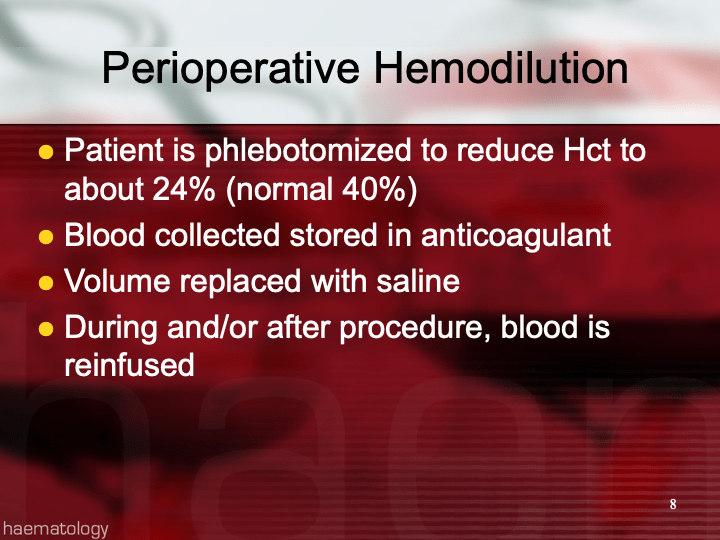
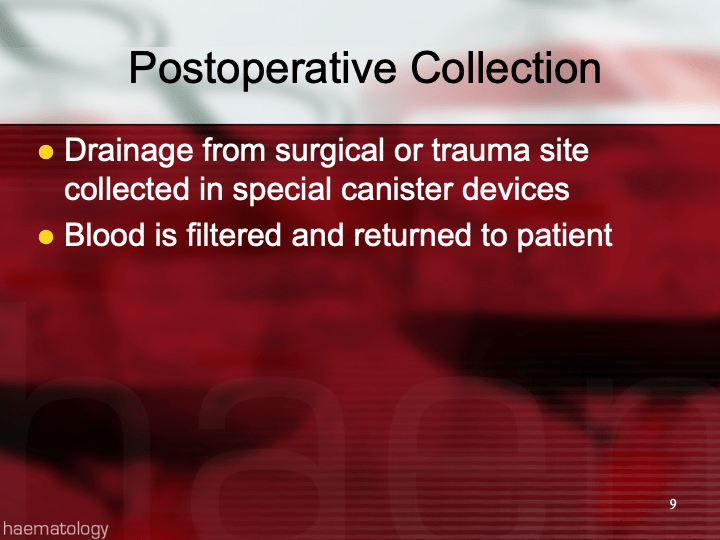
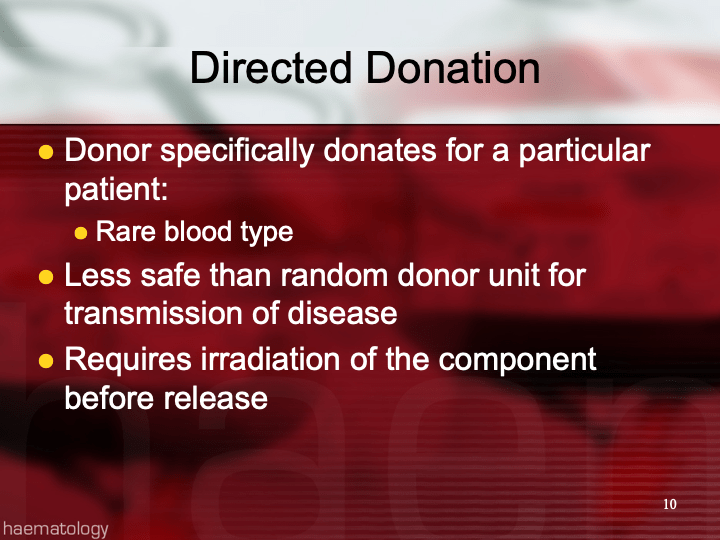
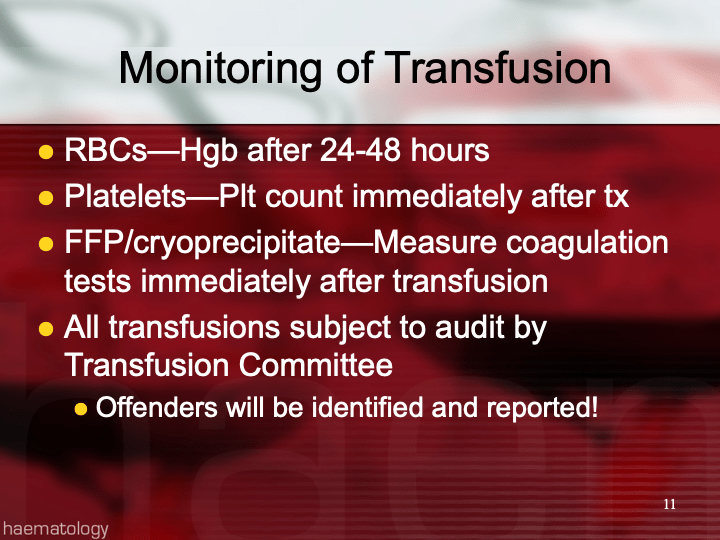
Automation and Synergism: Joint Use of Reveos and Mirasol

This is the virtual talk I gave at the Russian Transfusion Congress in Moscow on 13 May. It gives a brief description of automated component processing and riboflavin-based pathogen inactivation and then discusses the use of these technologies together to free up labor and enhance the quality of products, i.e. improved GMP, especially if a dedicated blood bank computer system is used to enforce production rules.

Policy Donor Medical Questionnaire

Policy Donor Medical Questionnaire

5.2 POLICY:  DONOR MEDICAL QUESTIONNAIRE

Policy:

  1. All policies, processes, and procedures must comply with local, national, and applicable accreditation standards (i.e. AABB, CAP, and JCI).
  2. All donors will be positively identified with a picture ID and by their Medinfo Hematos software identifiers (donor ID and session registration/specimen number).
  3. Donors will be assessed confidentially in a private area.
  4. Donors will be asked questions based on the latest Uniform Donor Questionnaire with additional localization questions for Qatar.
  5. Donor must understand either English or Arabic.
    1. Otherwise, they cannot be accepted for donation.
  6. Donors passing the donor questionnaire will be processed for the donor physical examination.

References:

  1. HMC 1001 Setting Specifications, Version 1.5, Hematos IIG, Medinfo, Nice France
  2. Standards for Blood Banks and Transfusion Services, Current Edition, AABB, Bethesda, Maryland, USA

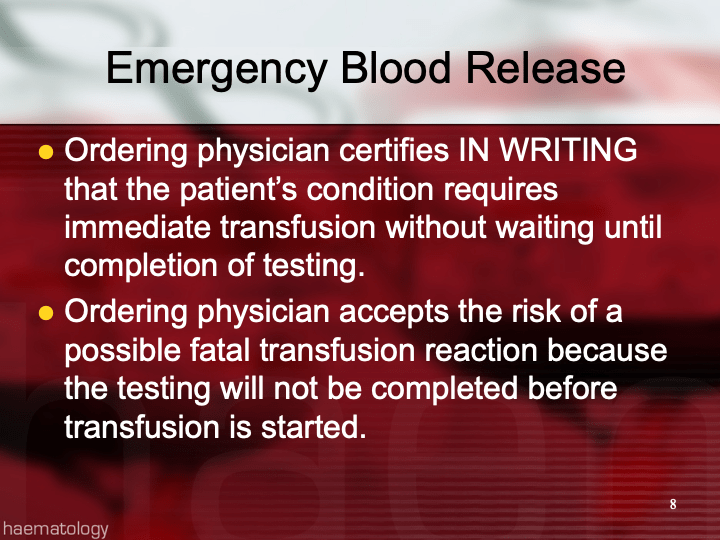
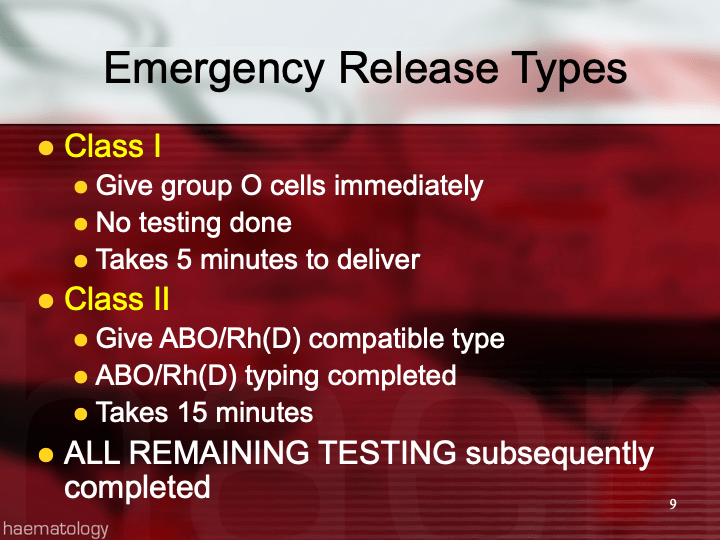
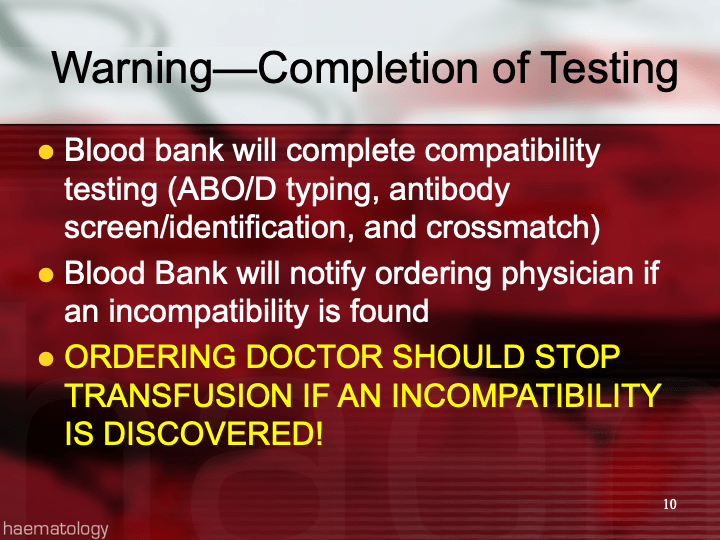
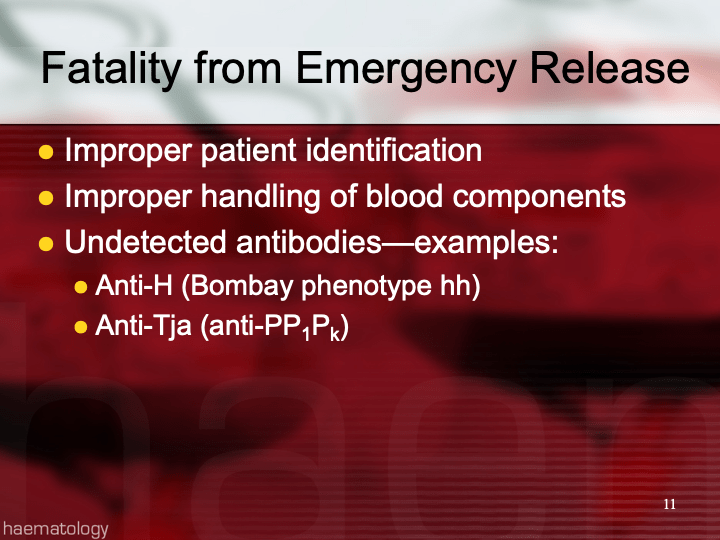
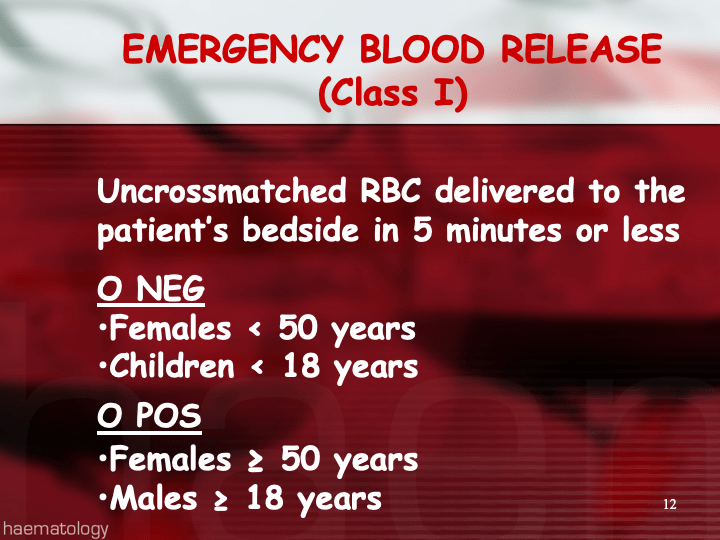
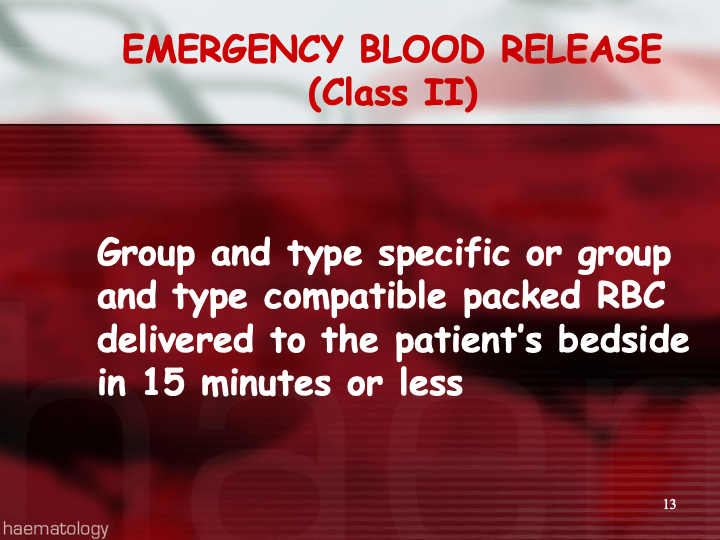
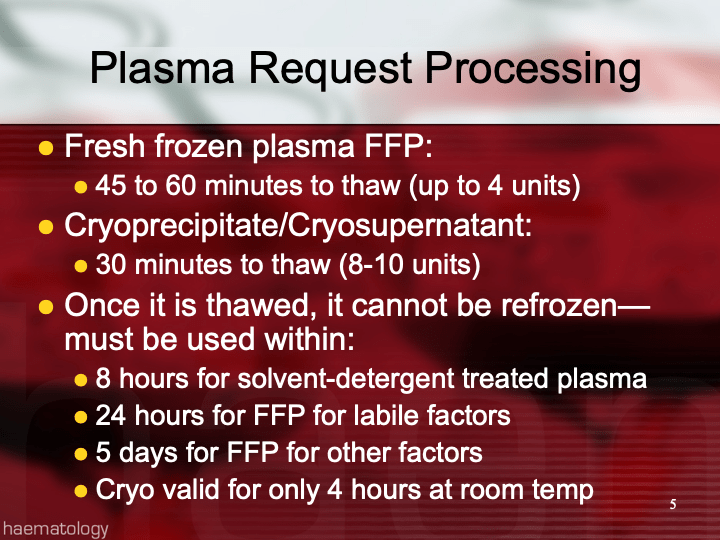
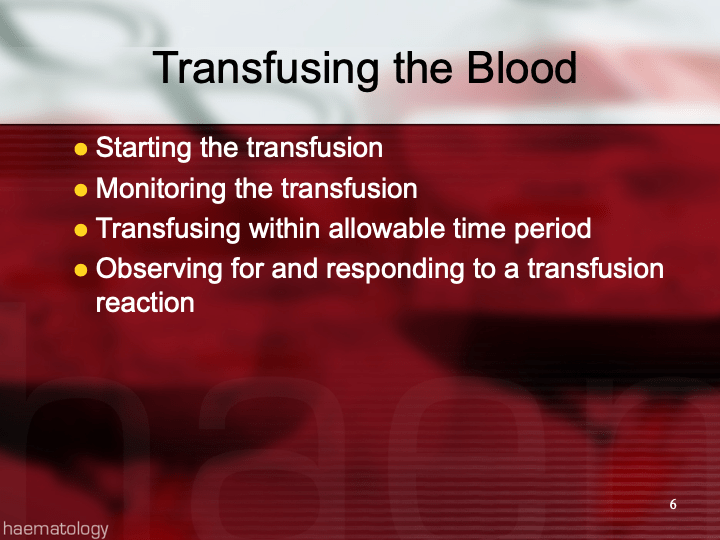
Blood Components in Emergencies

This is an updated version of a lecture I gave to medical students at National Guard Health Affairs in Riyadh. I have included new blood component types such as universal low-titer group O whole blood, universal low-titer group A plasma, and refrigerated platelets.