Skip to content
Open Menu
Blog (Home)
Transfusion Medicine
Blood Bank IT
COVID-19 Plasma CCP
Plasma Fractionation
About me
Work with me
Contact me
Search
Search for:
Close
Dr. Zeyd Merenkov
Transfusion Medicine, Blood Bank IT, Pathogen Inactivation, Plasma Fractionation, COVID-19 Convalescent Plasma Production
Tag:
Donor Immunohematology
Donor ABO/D typing, antibody screening, antibody identification, ABO antibody titration
Emergency Evacuation from Donor Center
Image
28th Nov 2021
27th Aug 2021
drzeyd
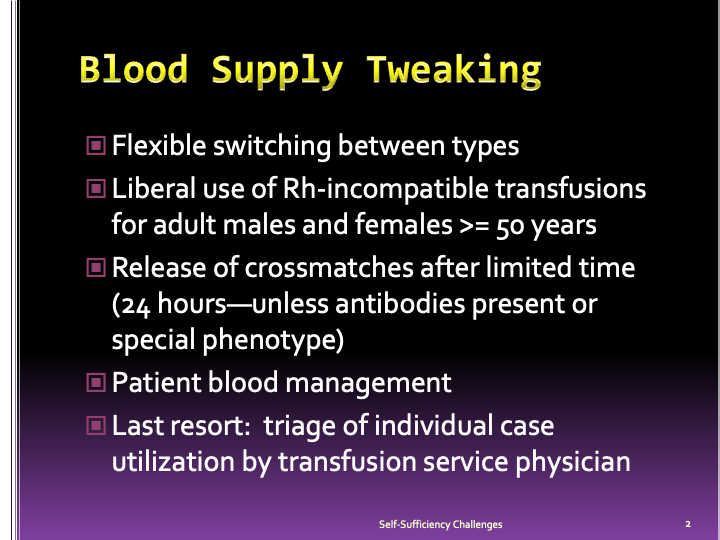
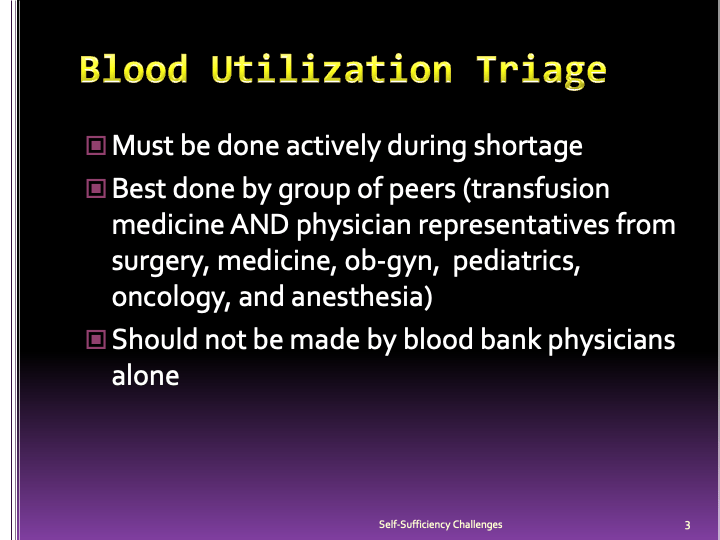
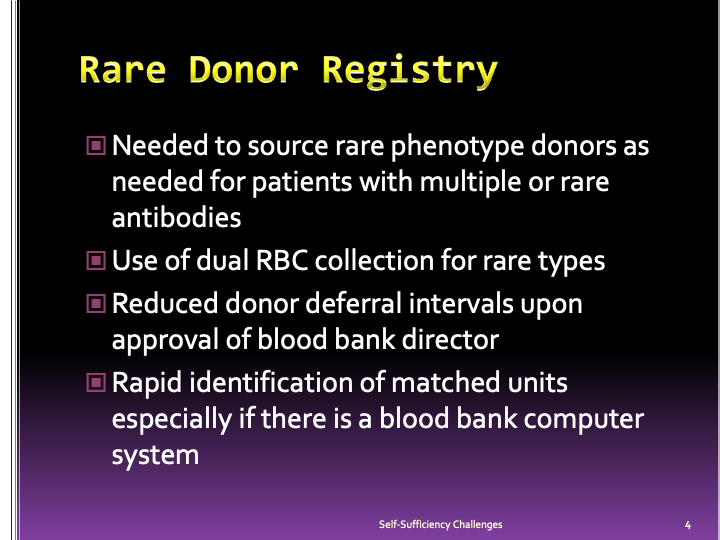
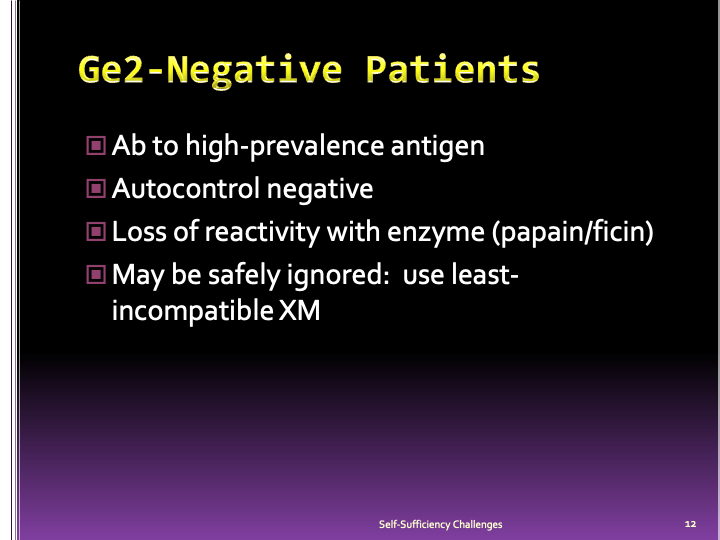
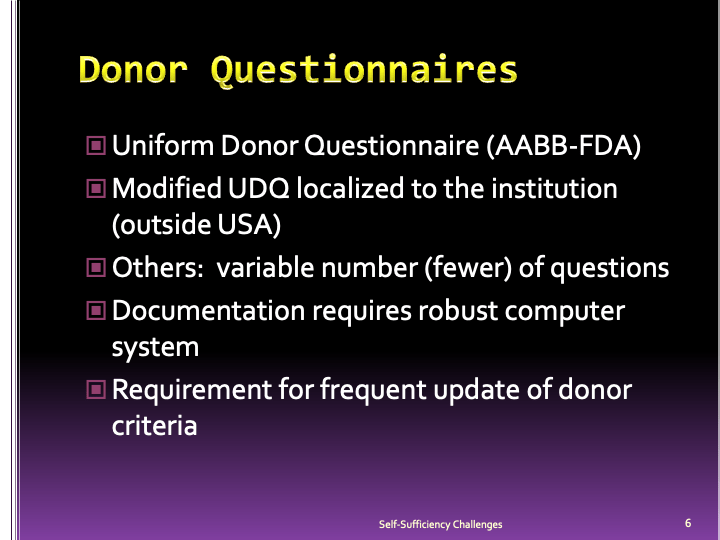
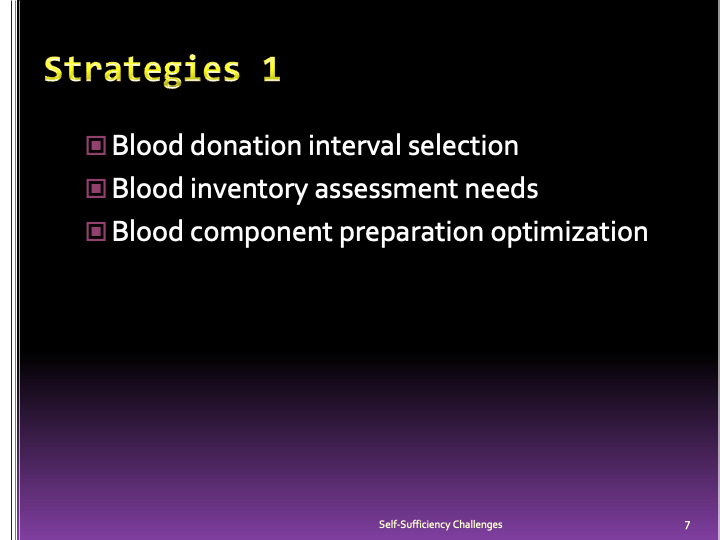
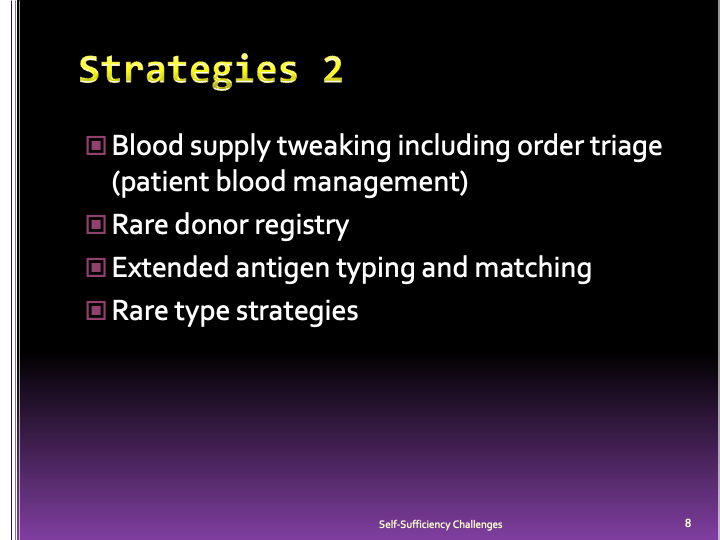
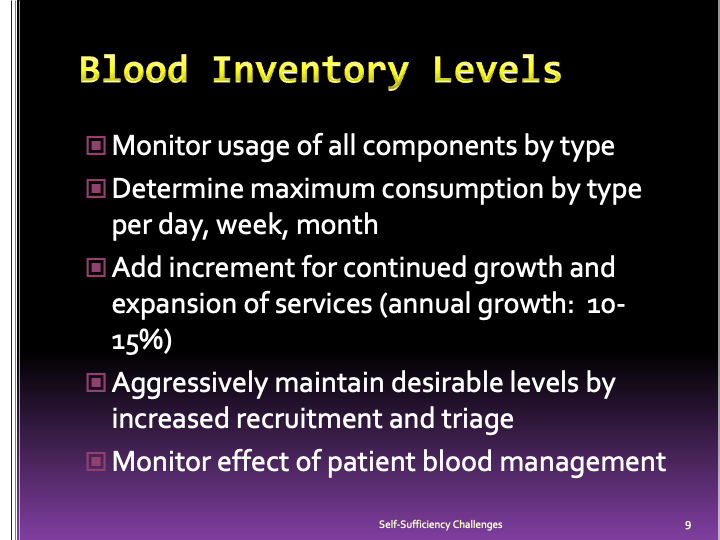
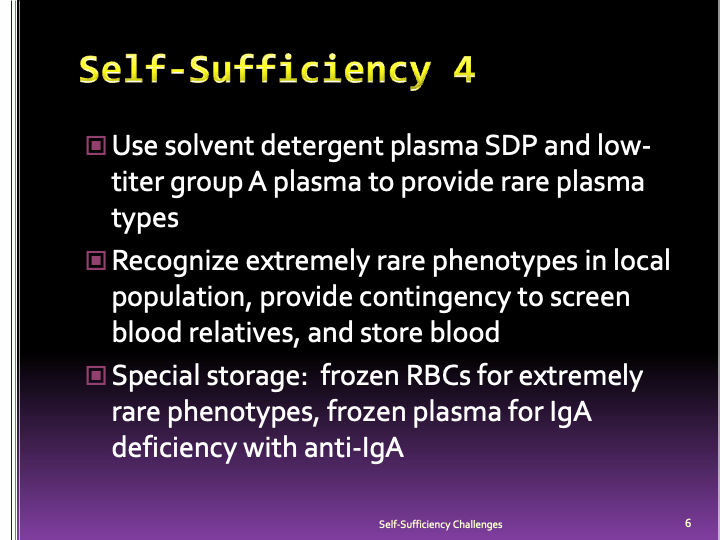
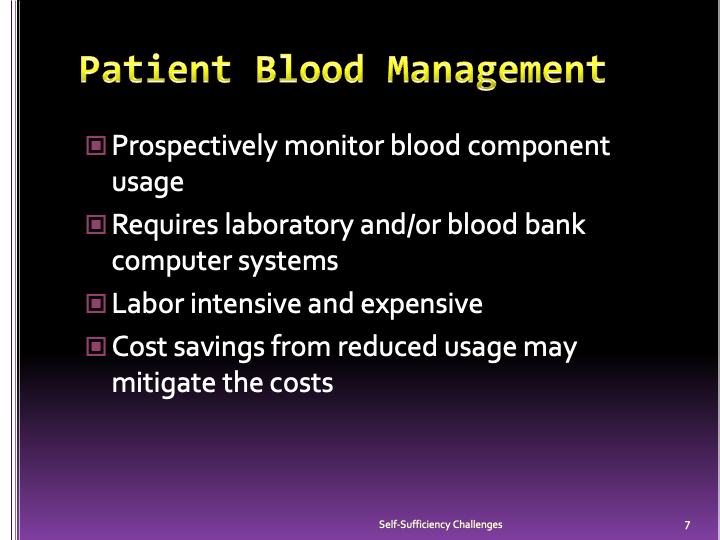
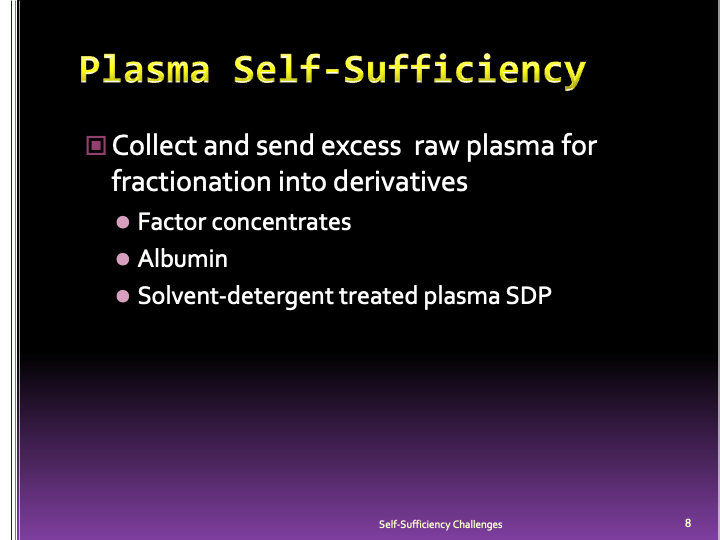
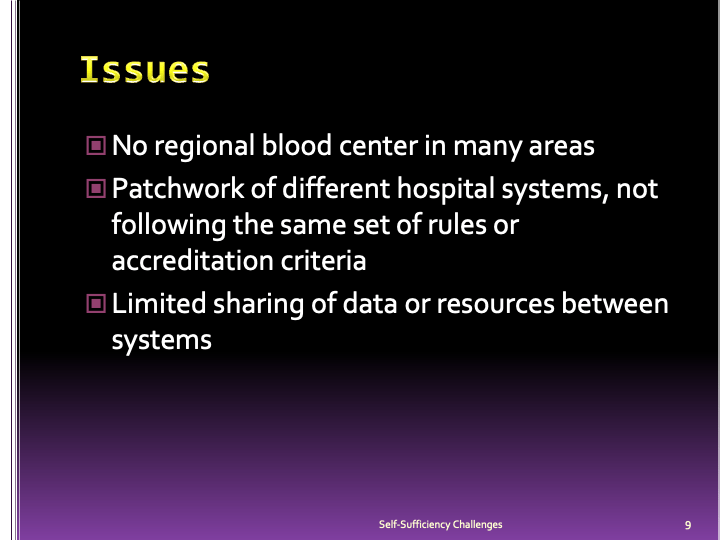
Self-Sufficiency 4
27th Nov 2021
25th Aug 2021
drzeyd
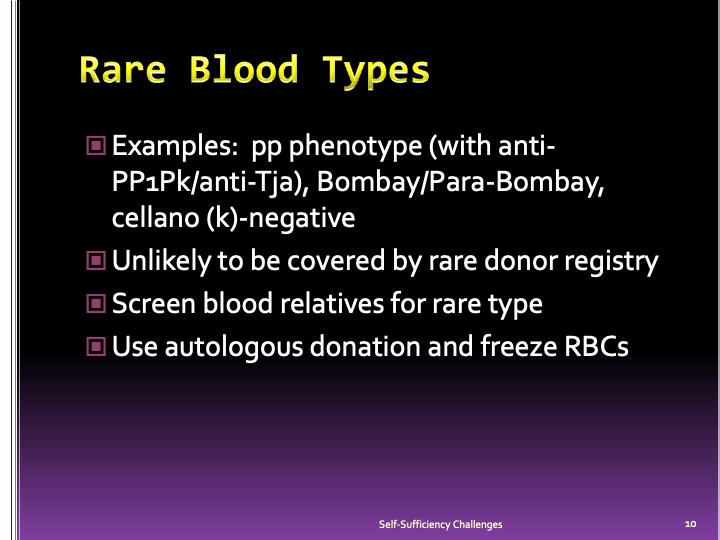
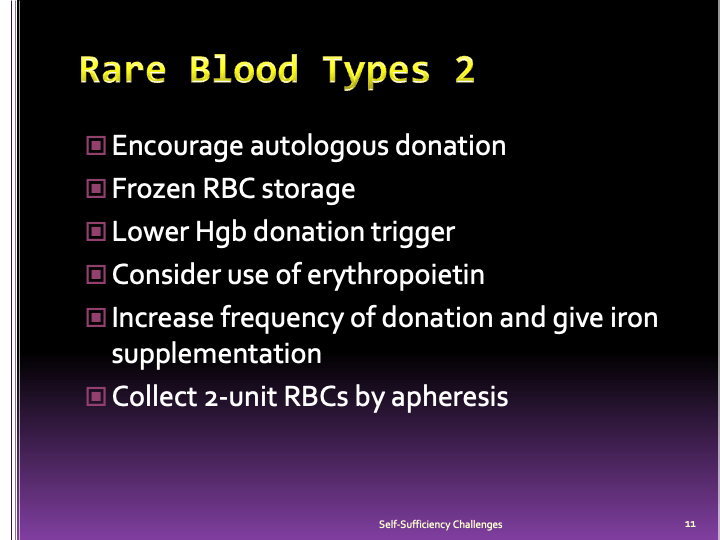
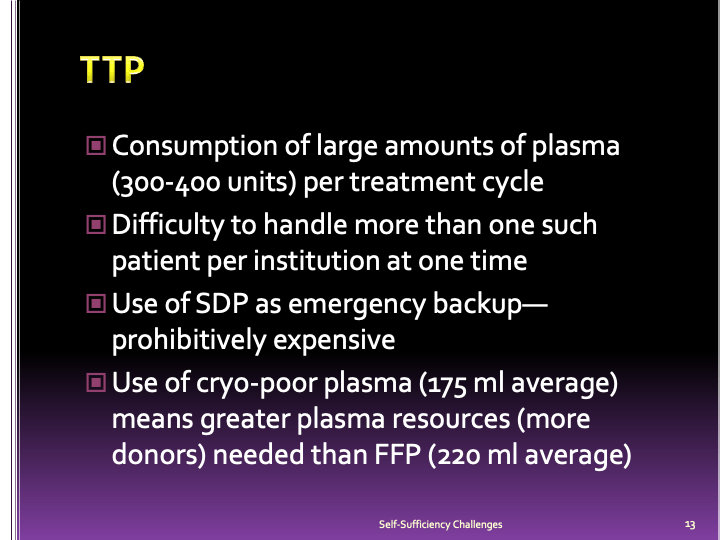
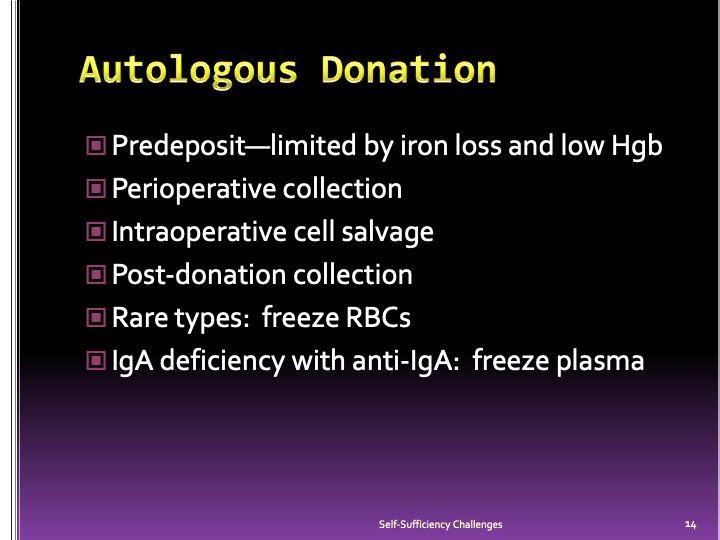
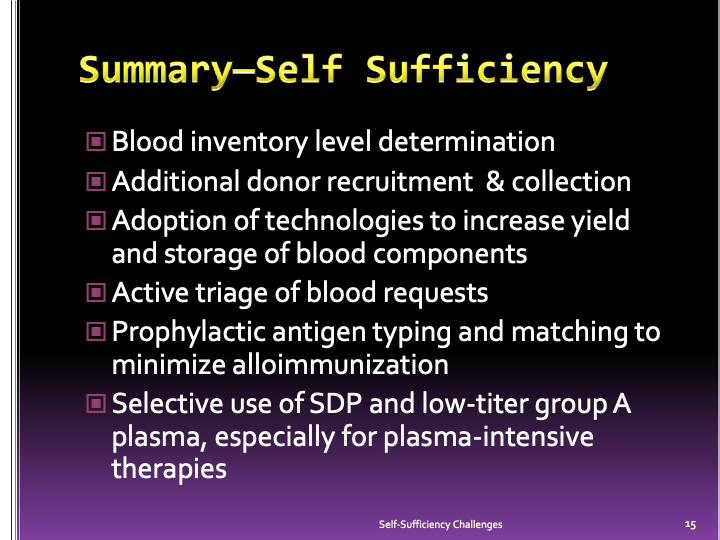
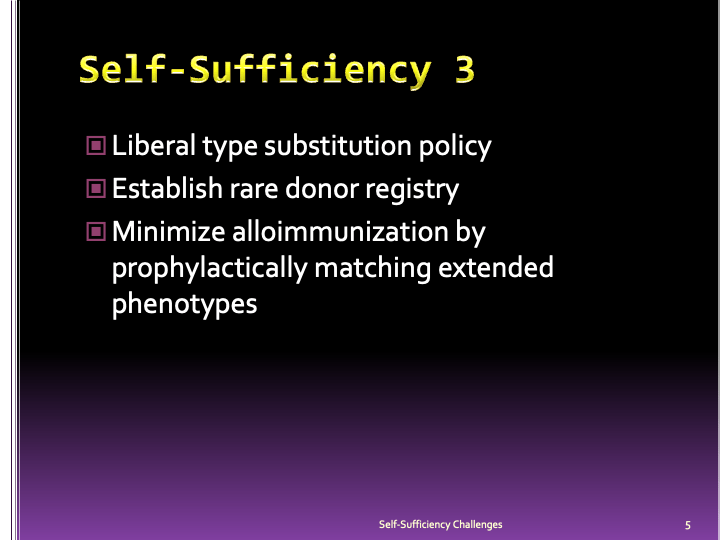
Self-Sufficiency 3
26th Nov 2021
25th Aug 2021
drzeyd
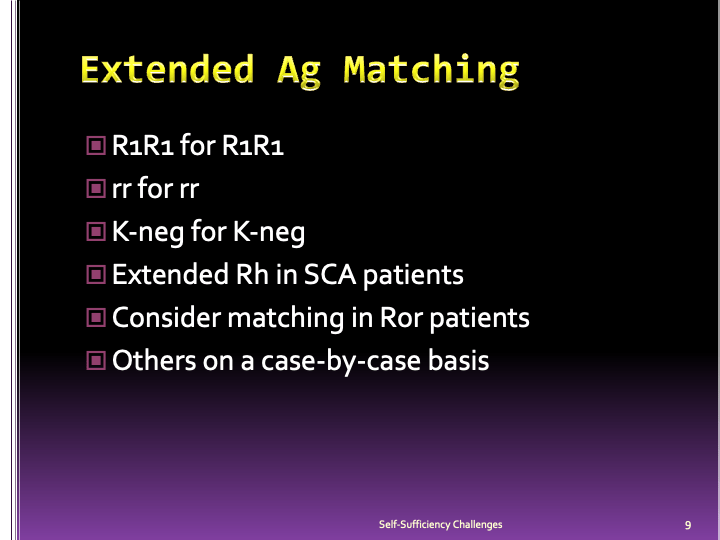
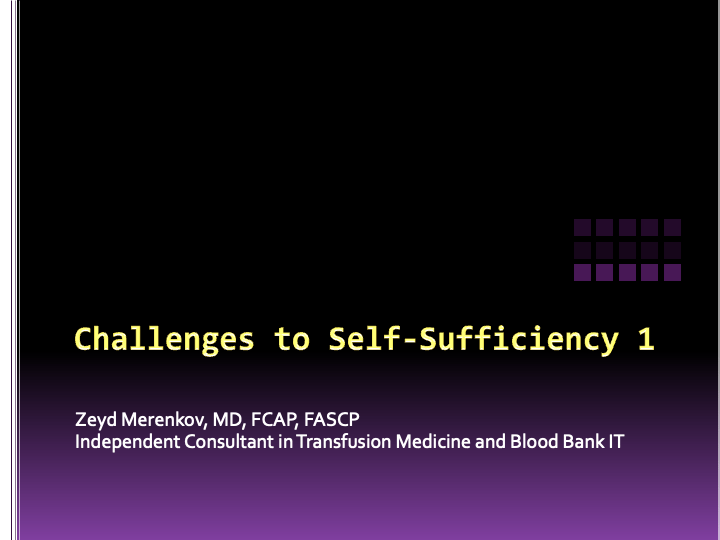
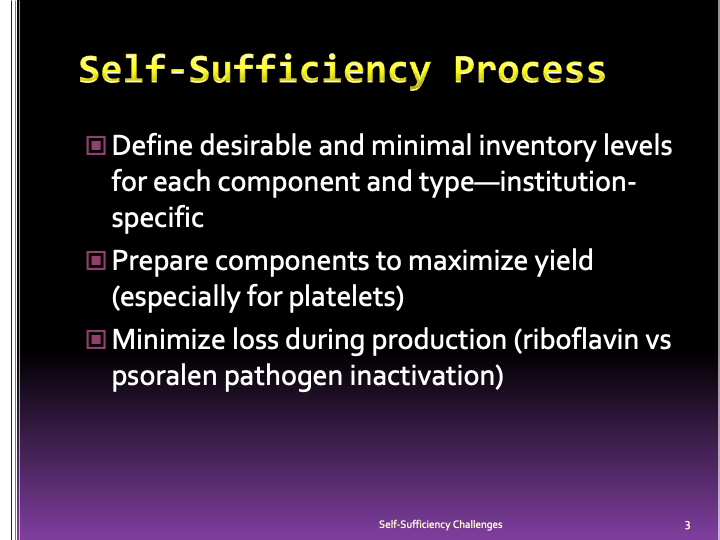
Self-Sufficiency 1
24th Nov 2021
25th Aug 2021
drzeyd
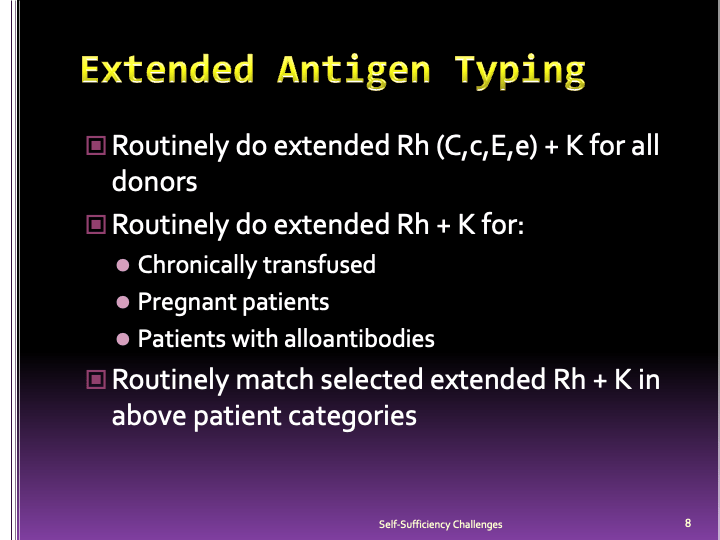
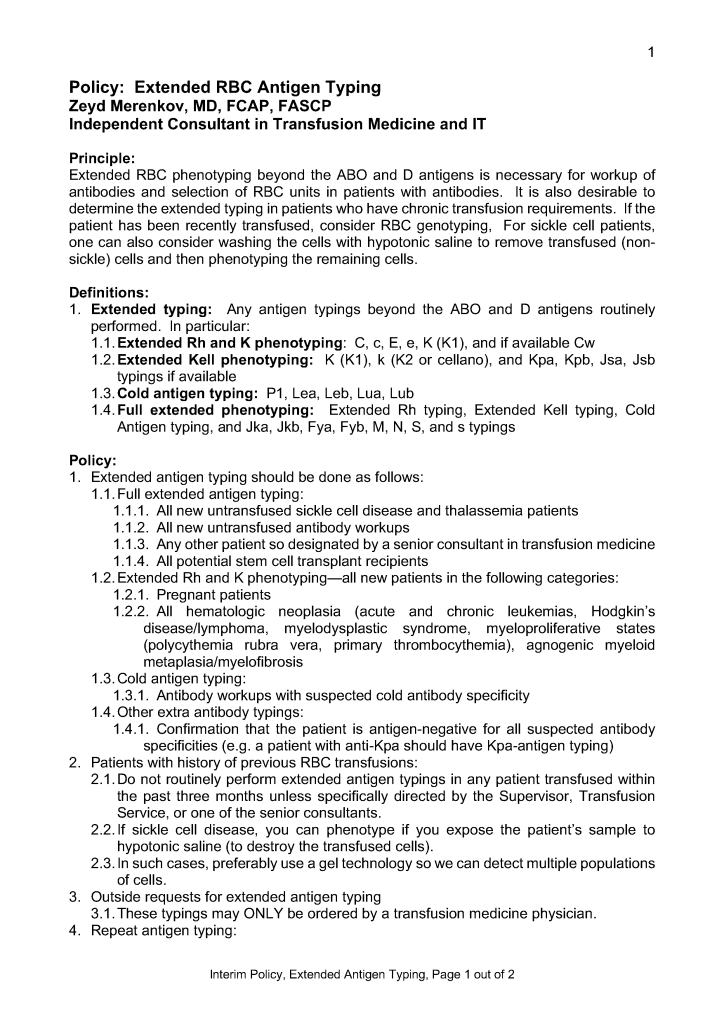
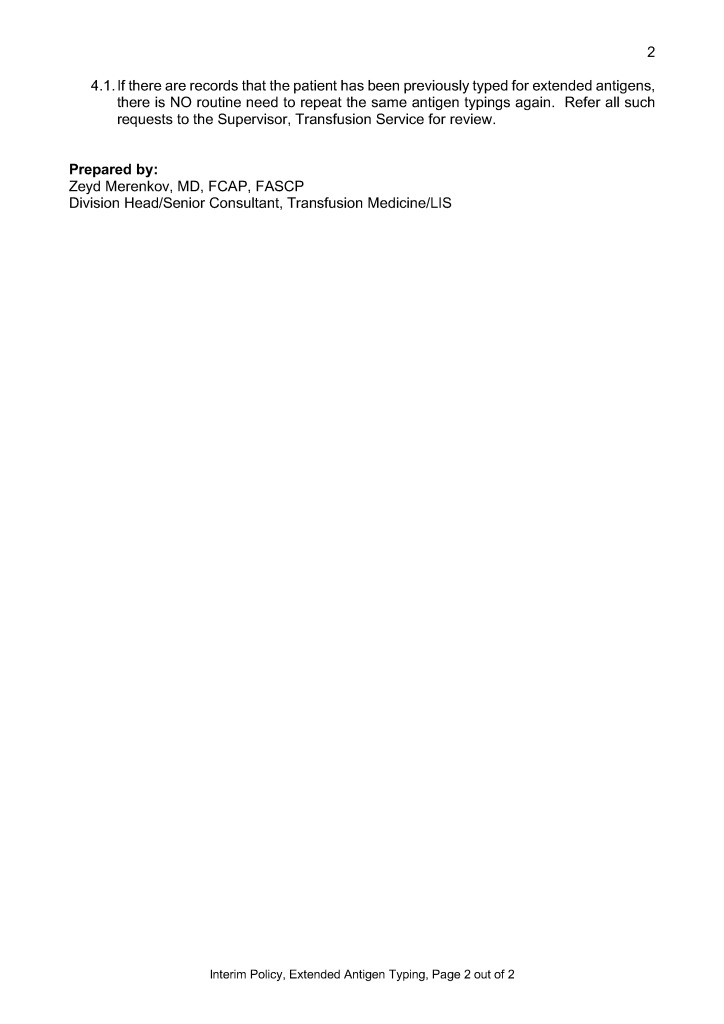
Policy: Extended RBC Antigen Typing
22nd Nov 2021
23rd Aug 2021
drzeyd
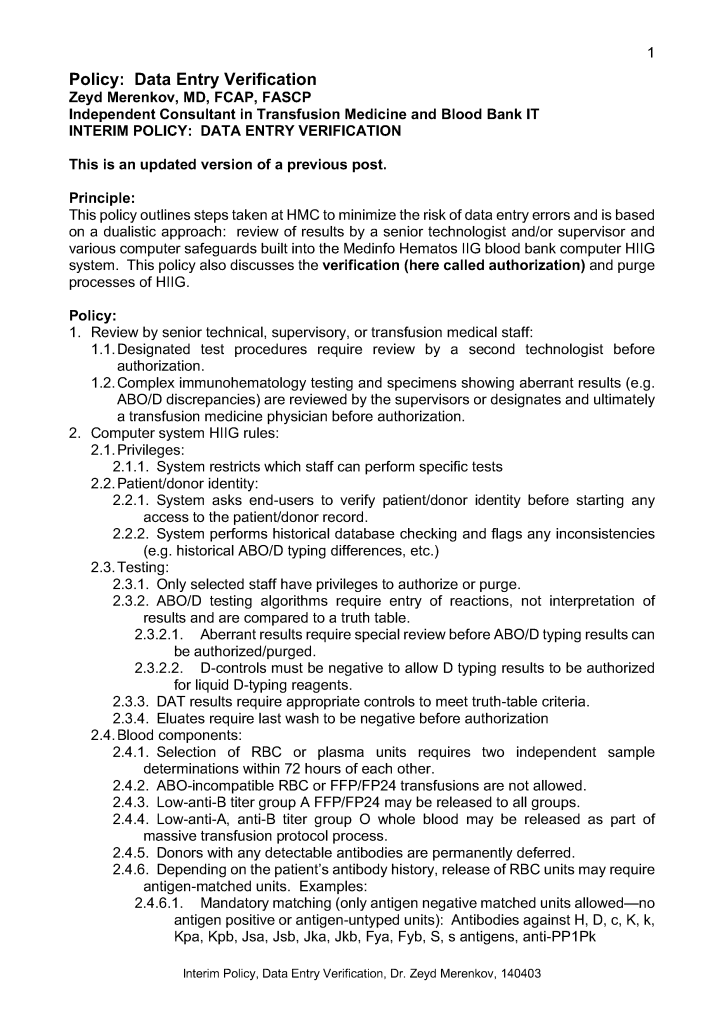
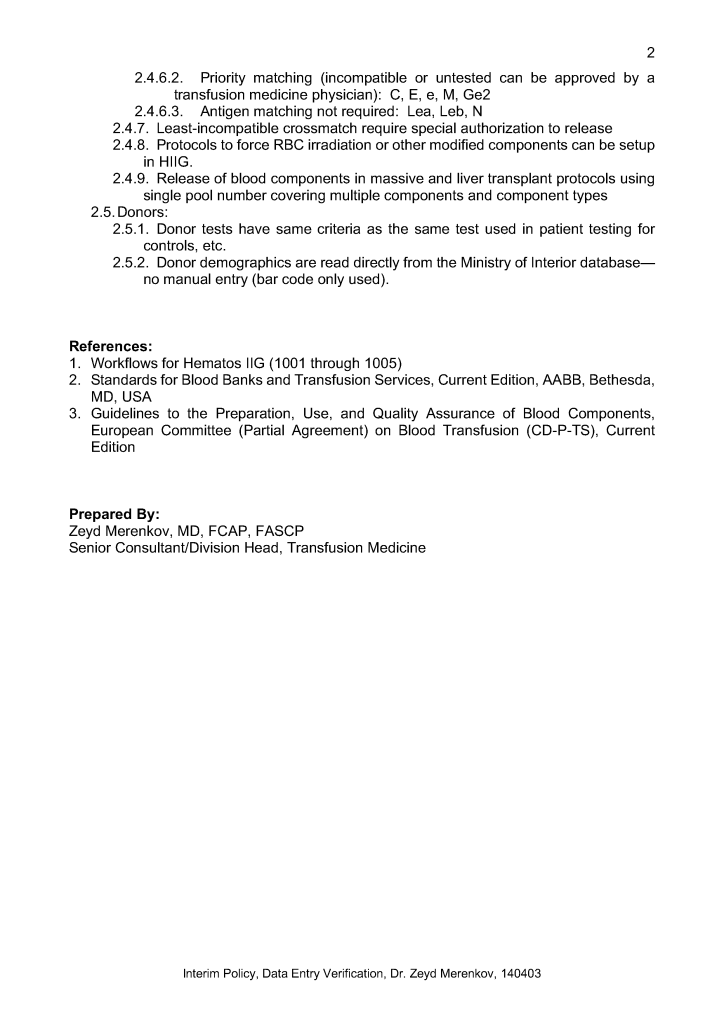
Policy: Data Entry Verification
11th Nov 2021
17th Aug 2021
drzeyd
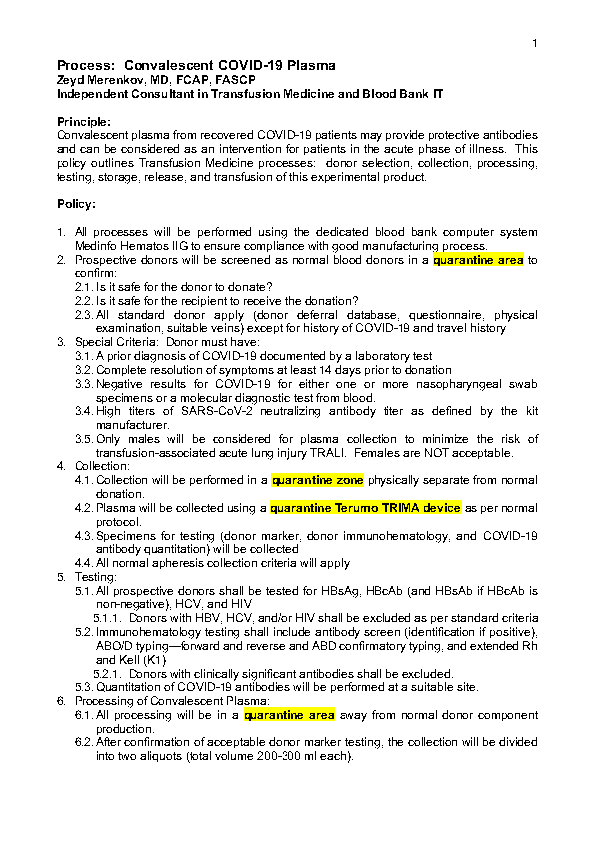
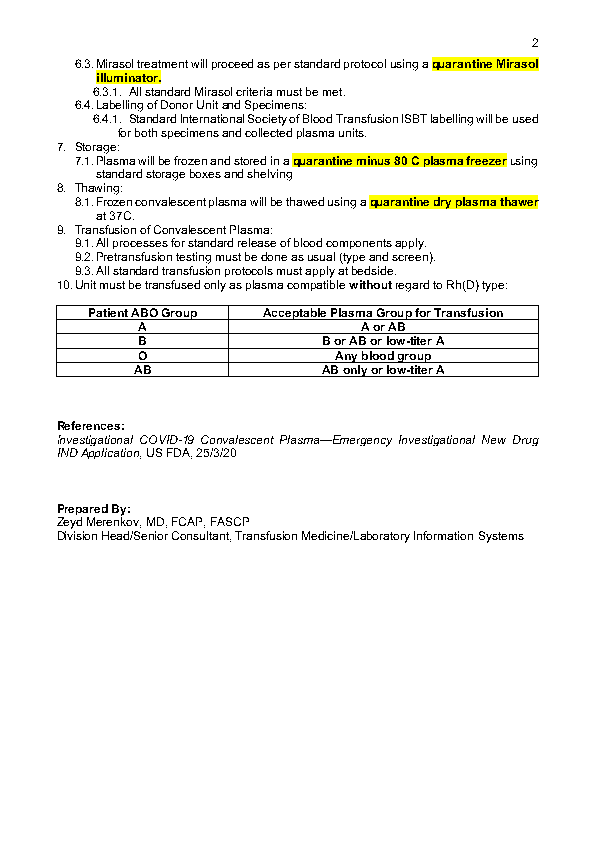
Process: Covid Convalescent Plasma
4th Nov 2021
13th Aug 2021
drzeyd
Policy: Contingency Planning
Image
1st Nov 2021
11th Aug 2021
drzeyd
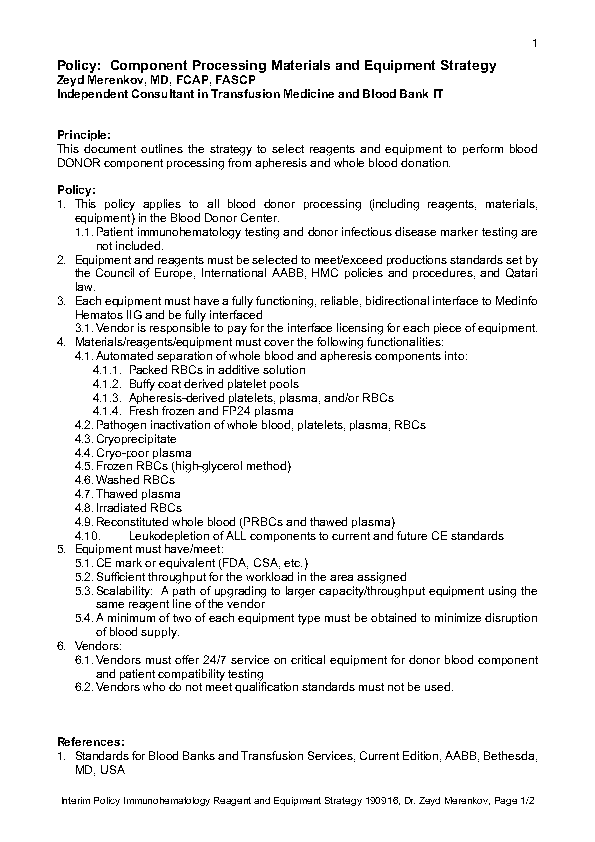
Policy: Component Processing Materials and Equipment Strategy
27th Oct 2021
8th Aug 2021
drzeyd
Policy: Disaster Plan Overview
Image
26th Oct 2021
7th Aug 2021
drzeyd
Posts navigation
Older Posts
Newer Posts
Back to top
Subscribe
Subscribed
Dr. Zeyd Merenkov
Join 42 other subscribers.
Sign me up
Already have a WordPress.com account?
Log in now.
Dr. Zeyd Merenkov
Subscribe
Subscribed
Sign up
Log in
Report this content
View site in Reader
Manage subscriptions
Collapse this bar
Loading Comments...
Write a Comment...
Email (Required)
Name (Required)
Website

 Dr. Zeyd Merenkov