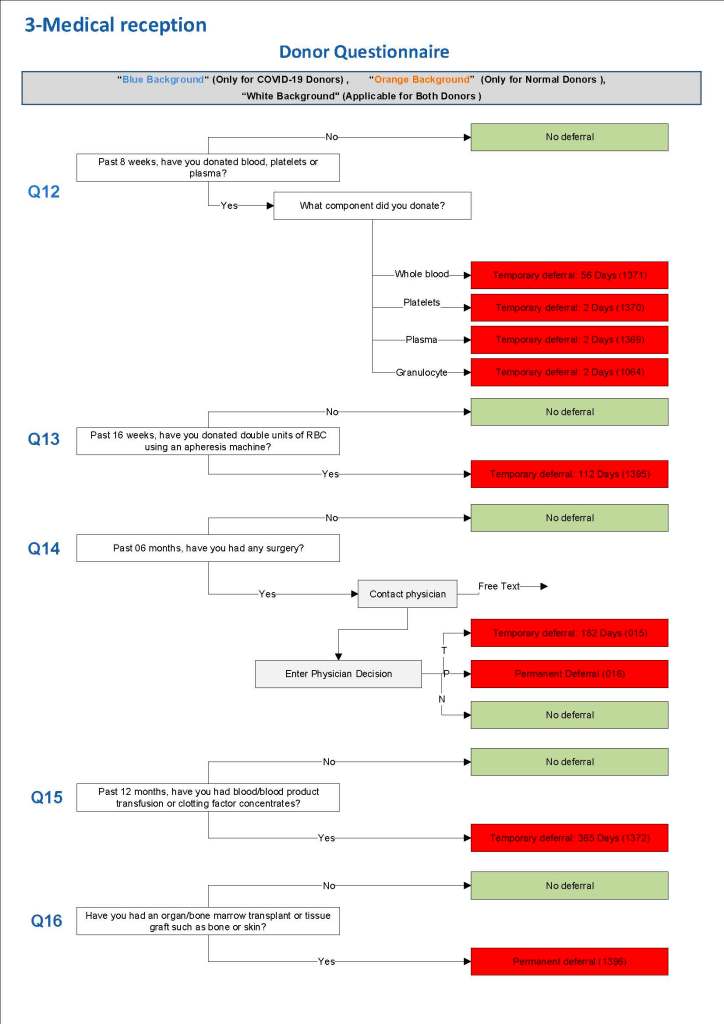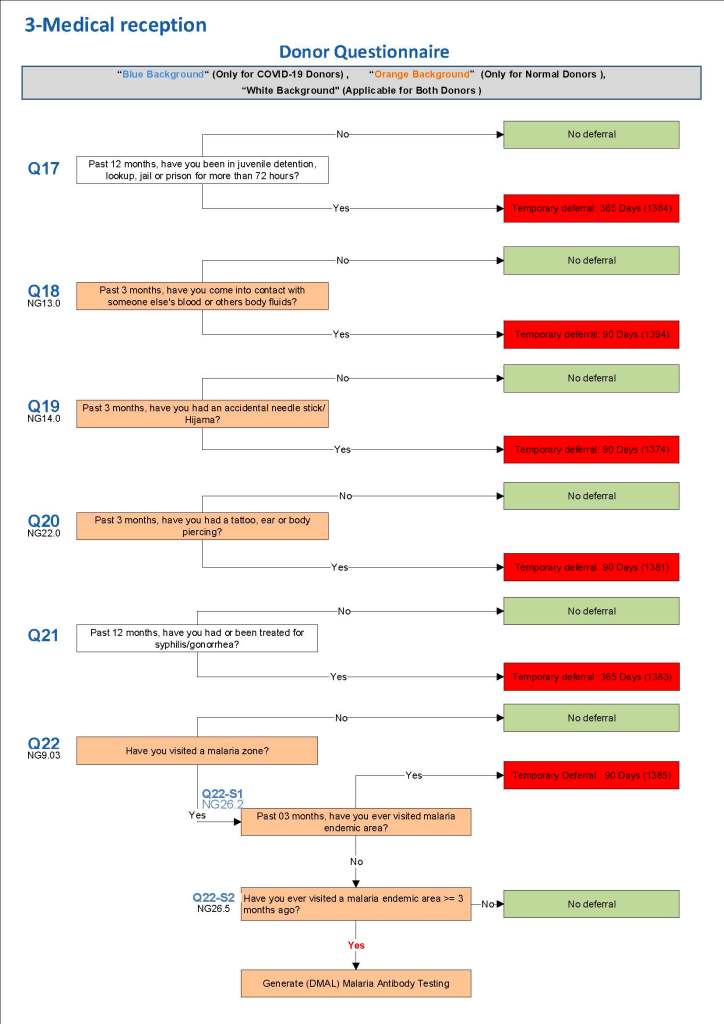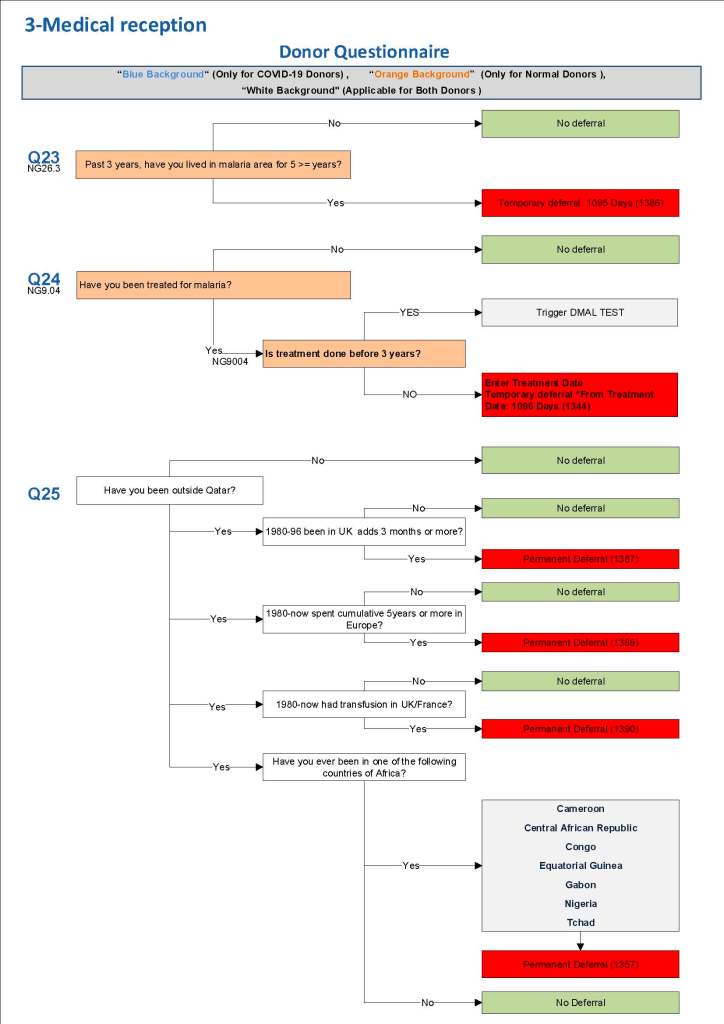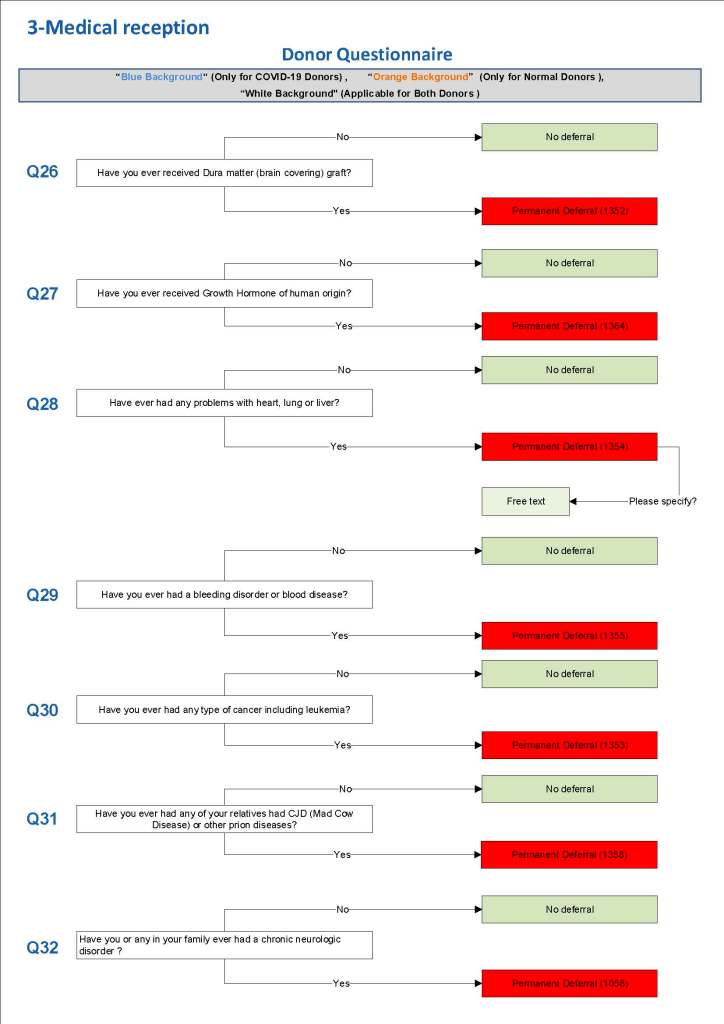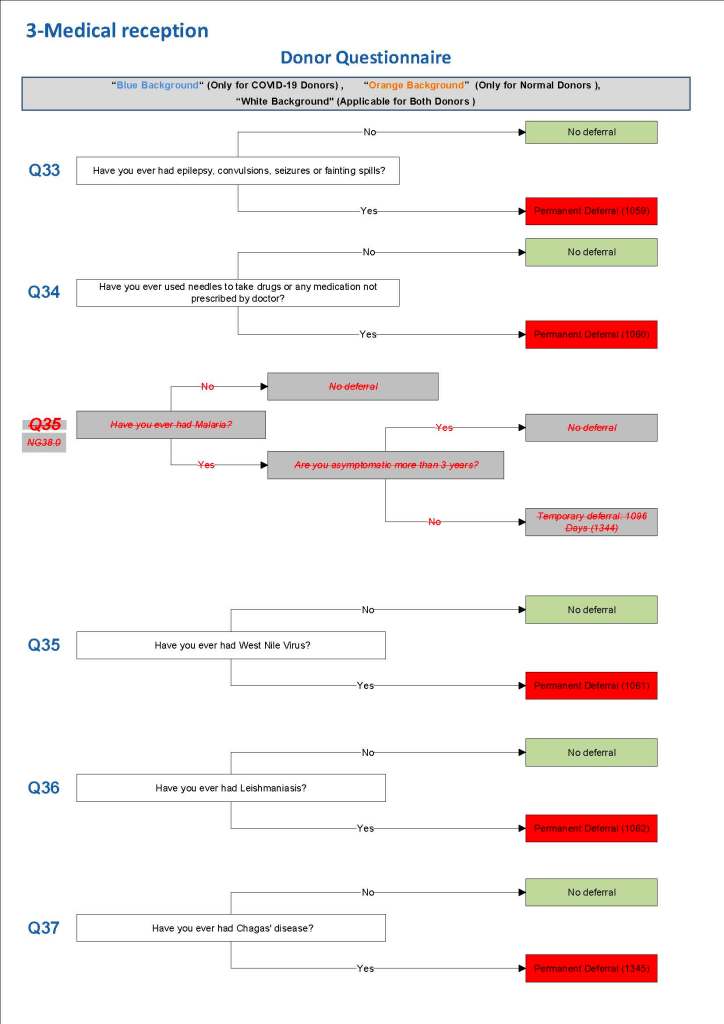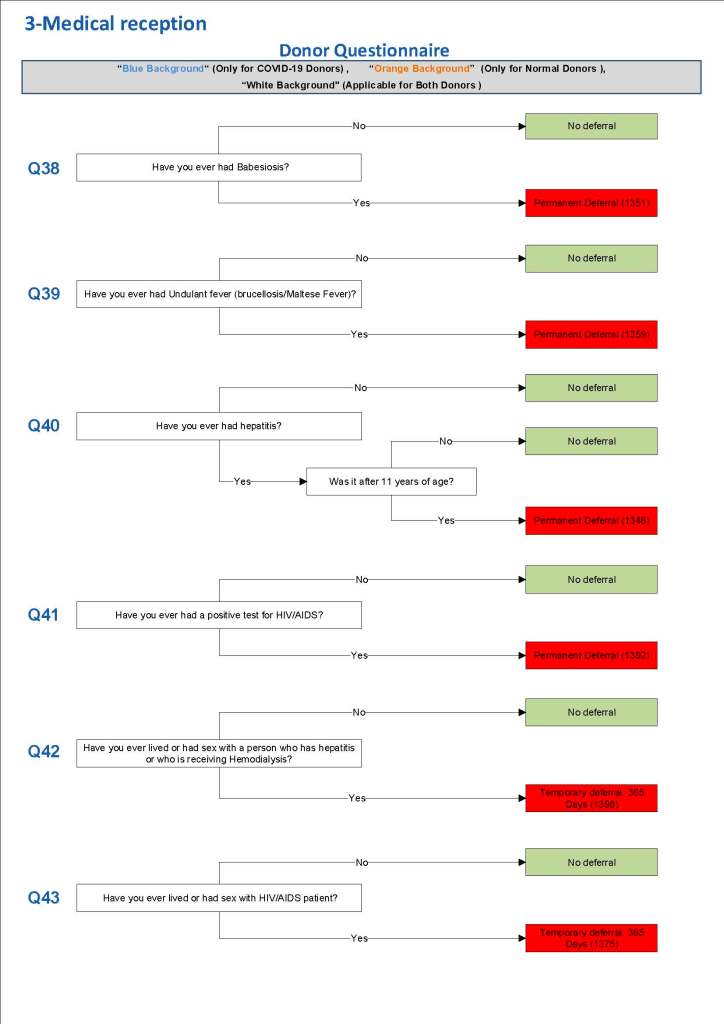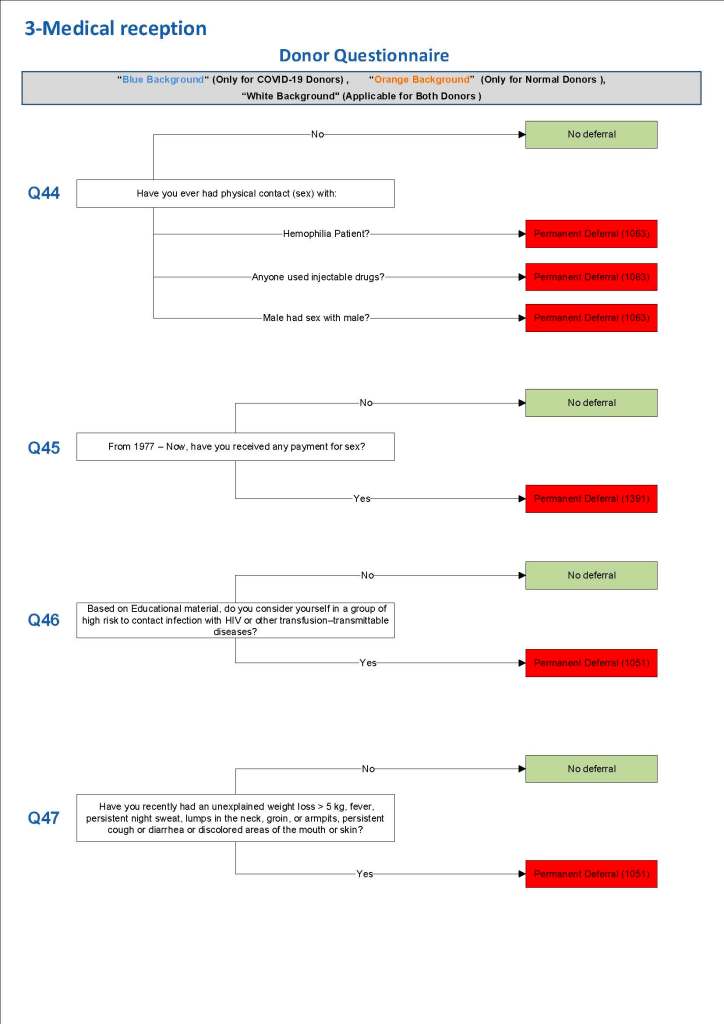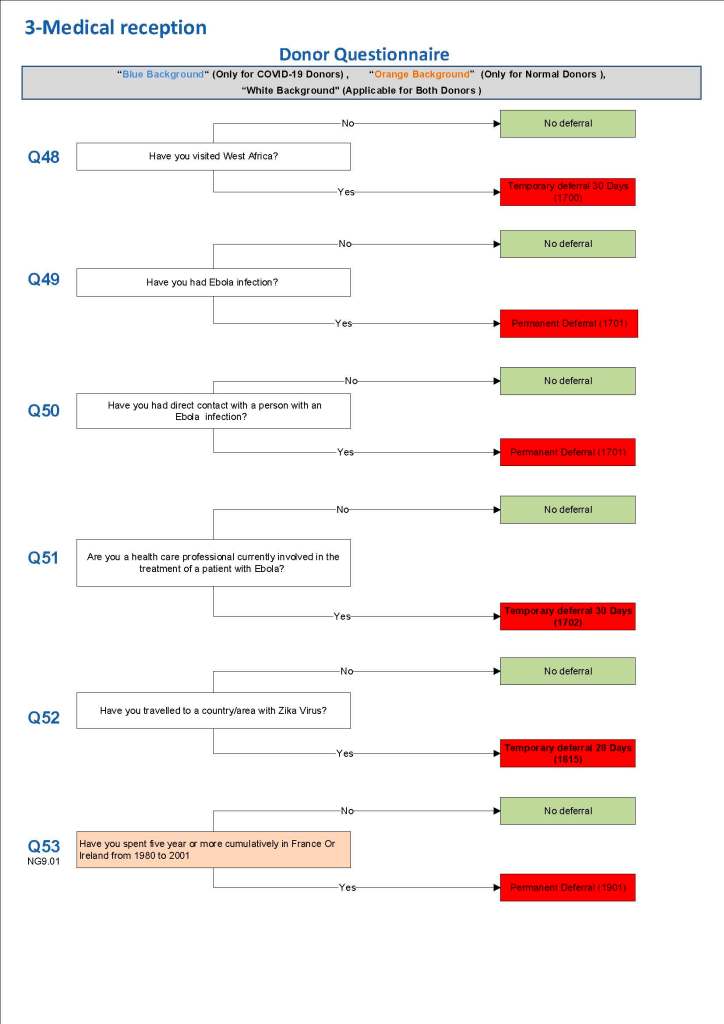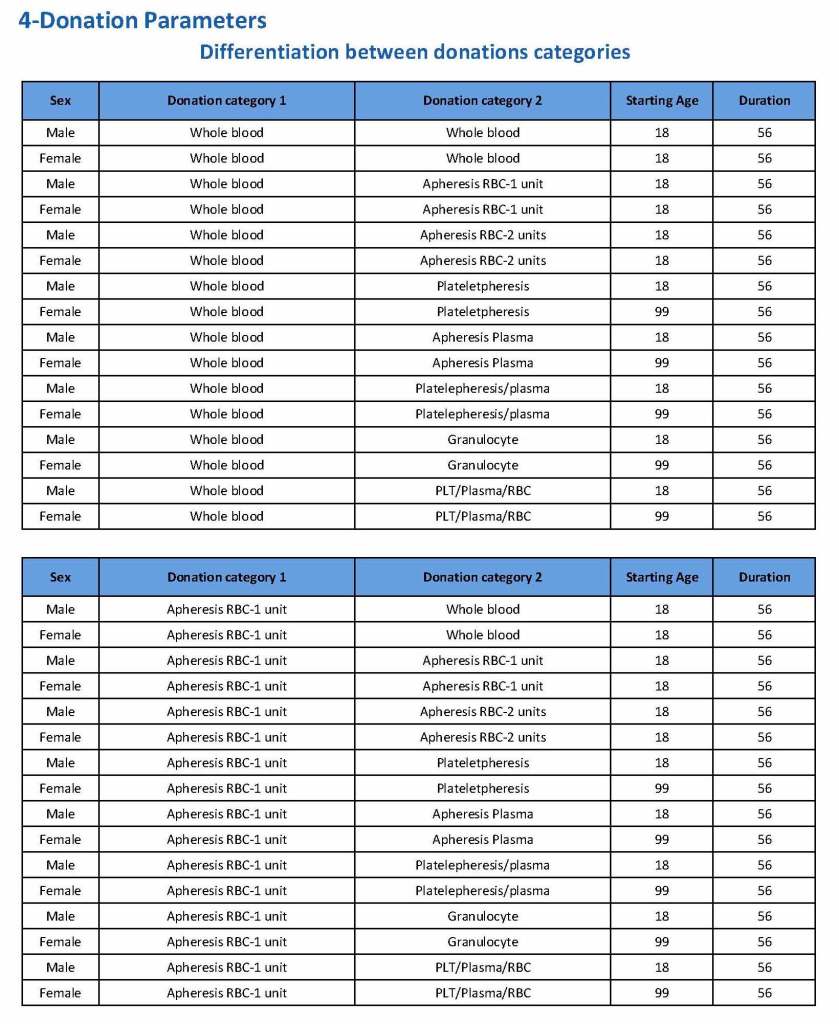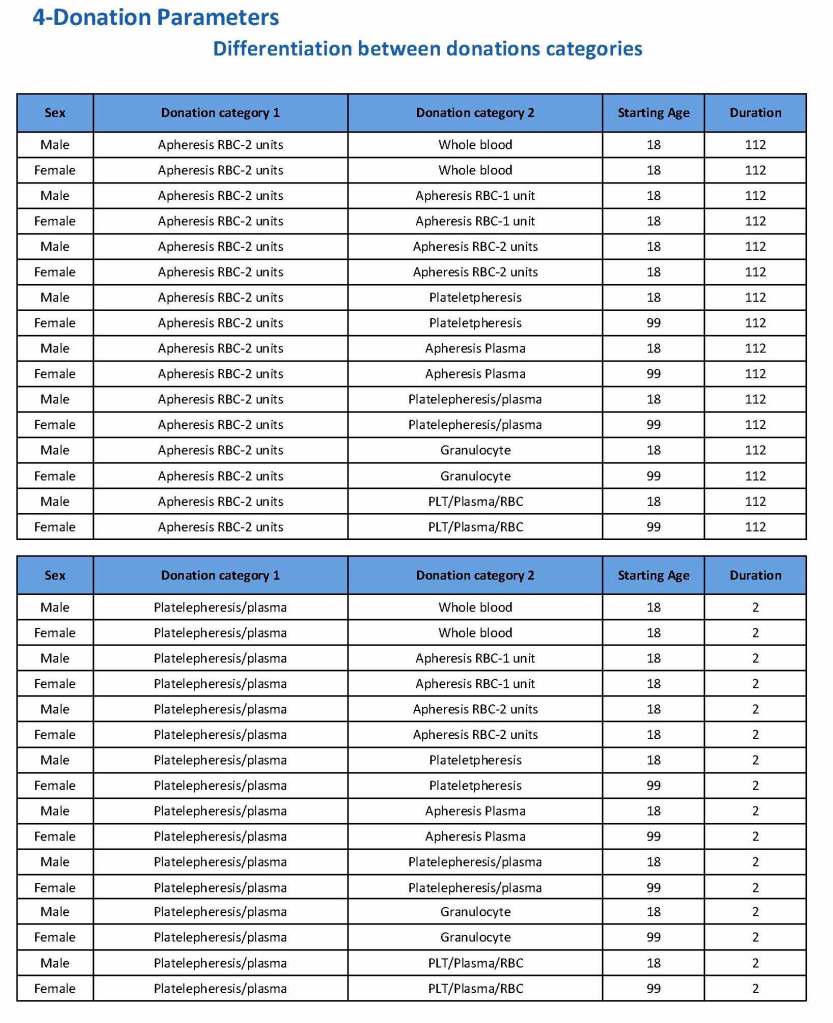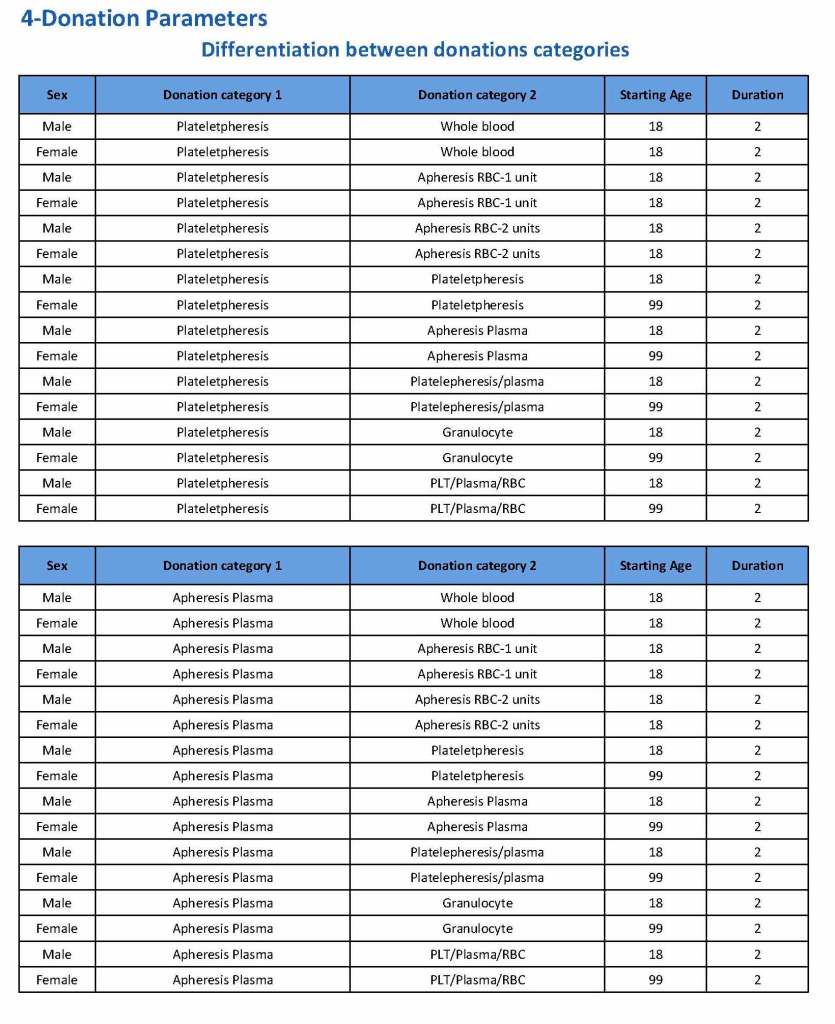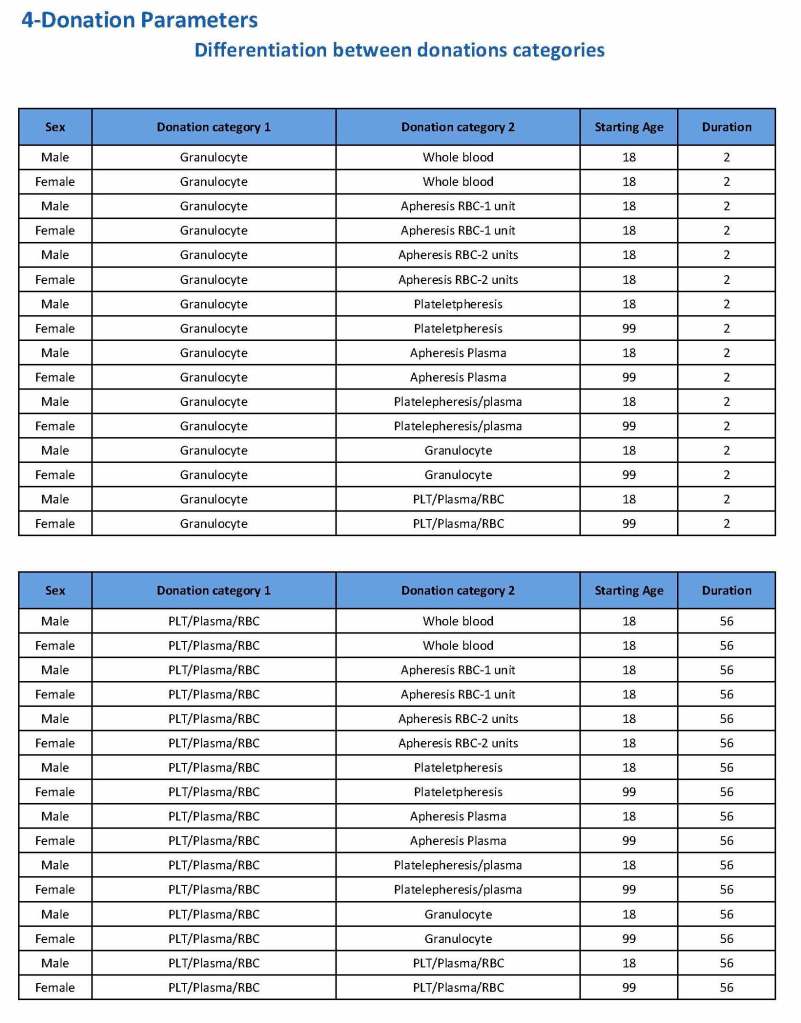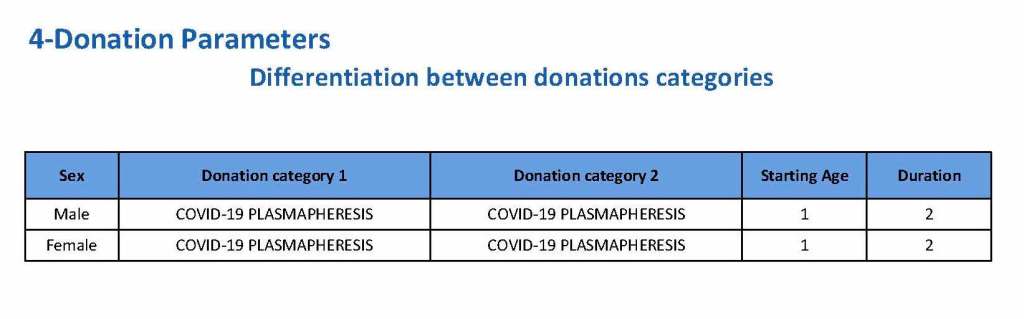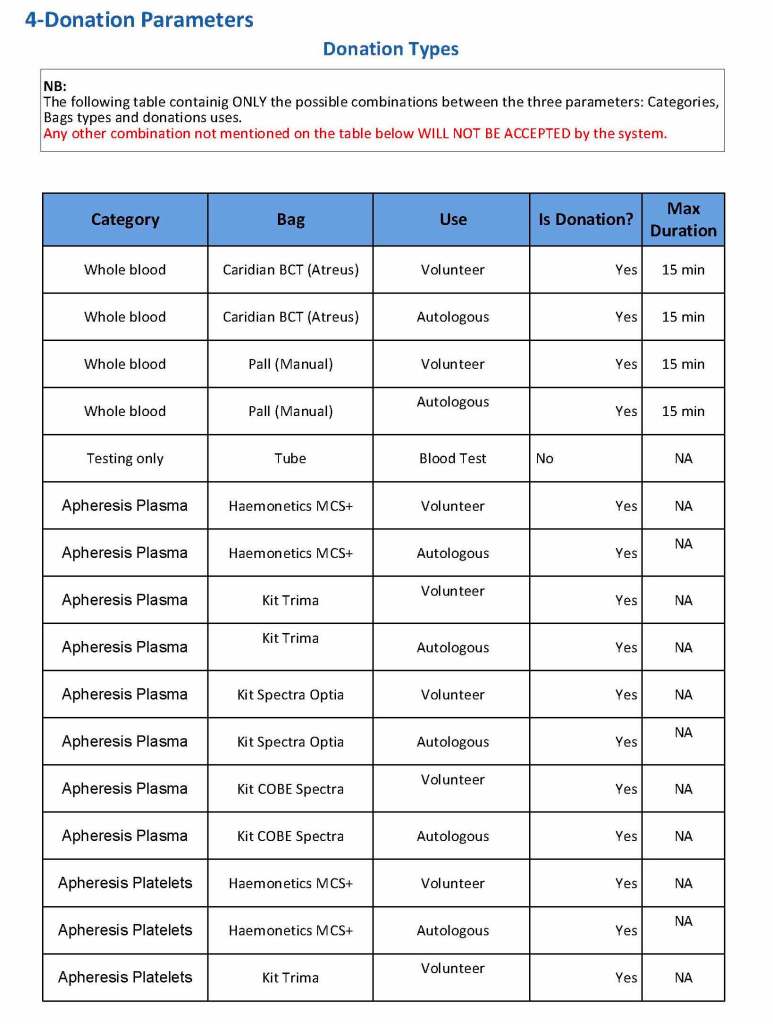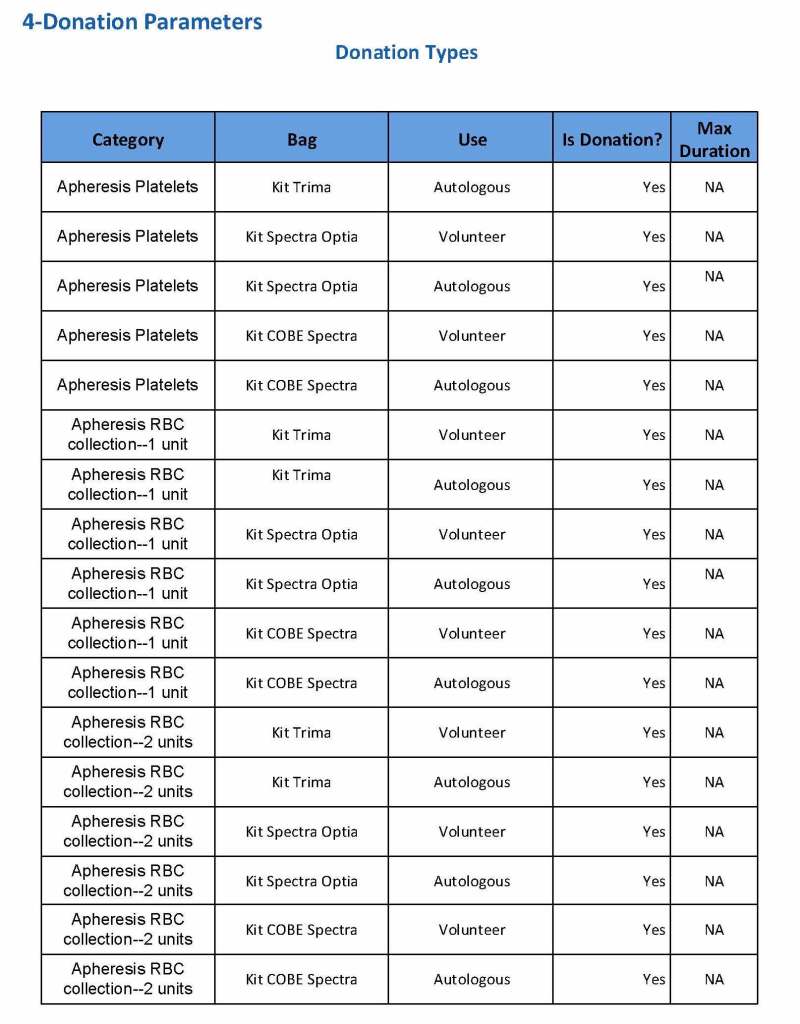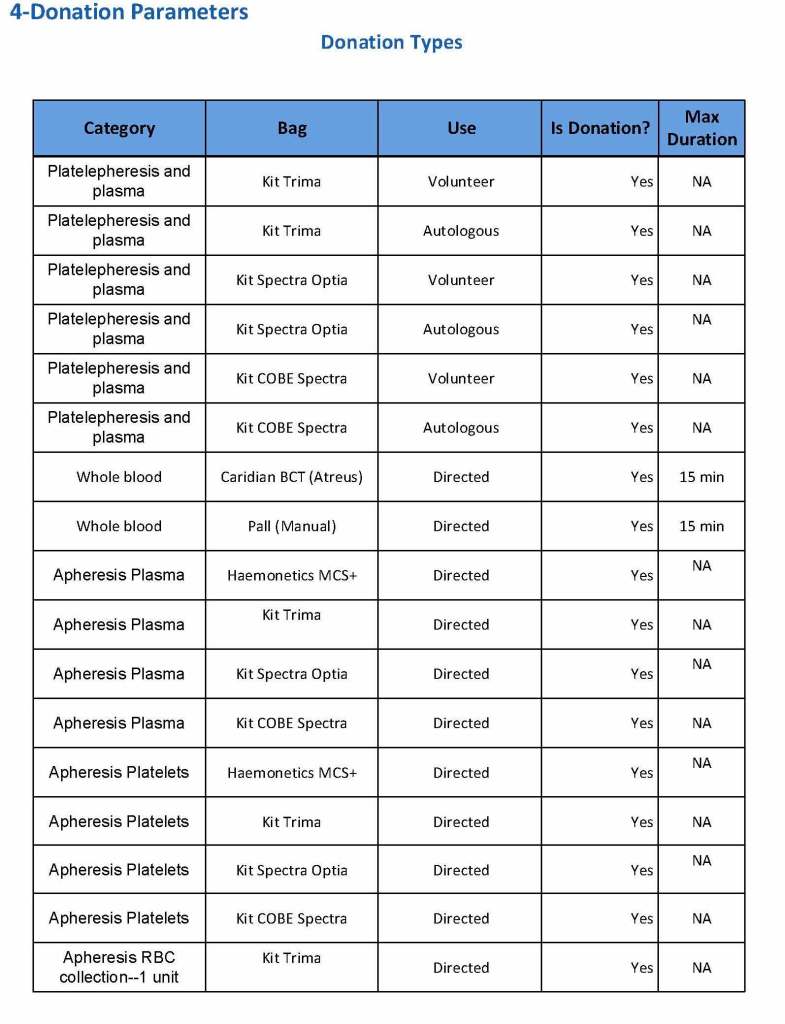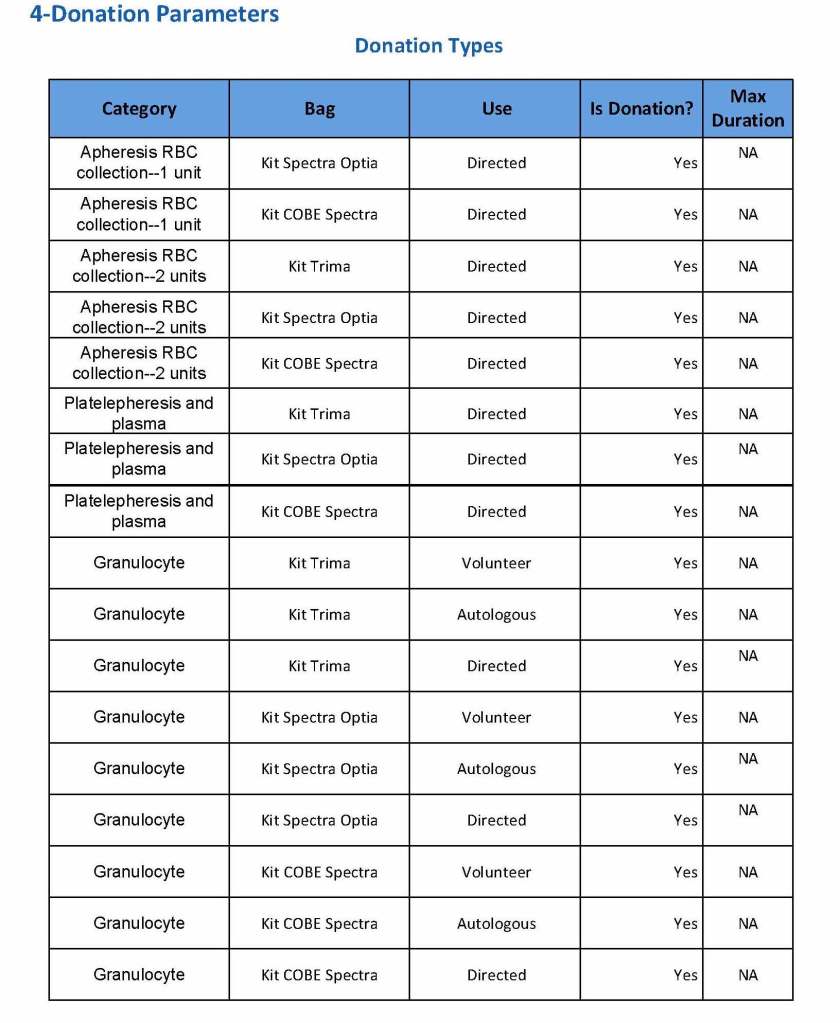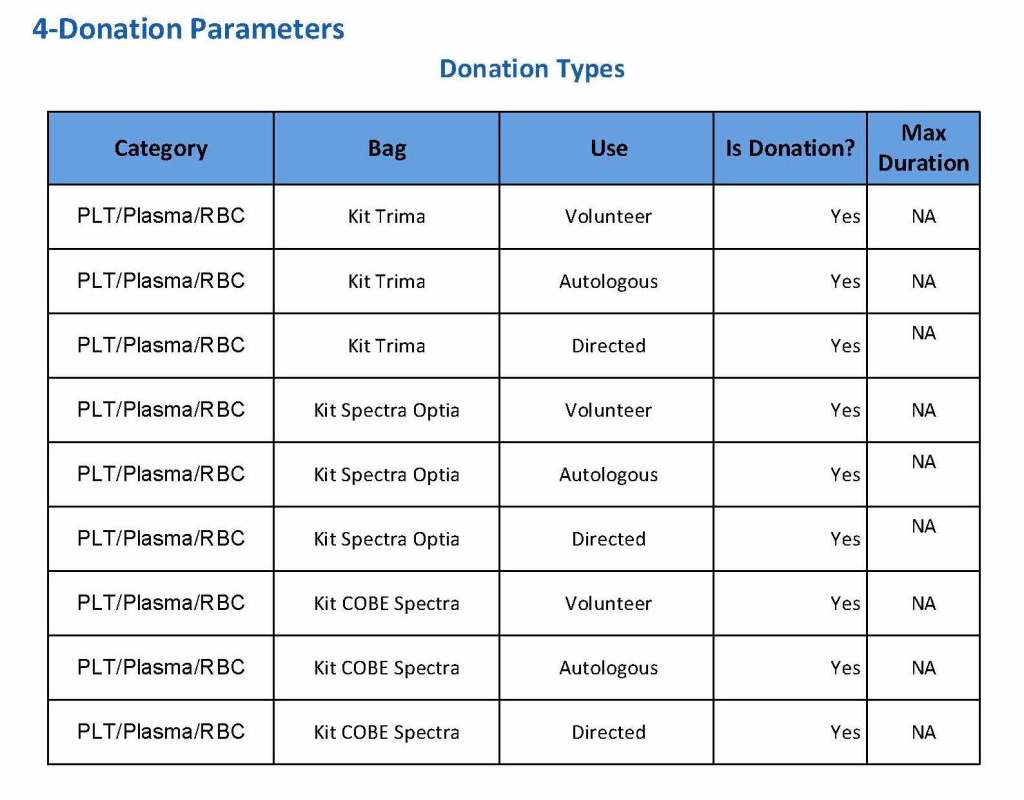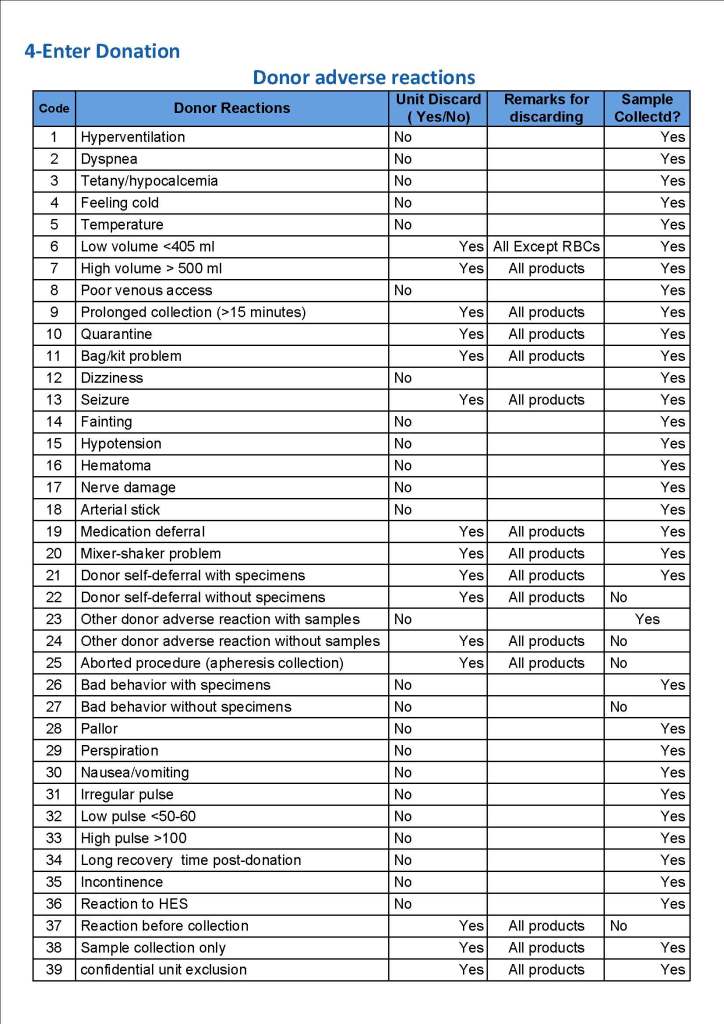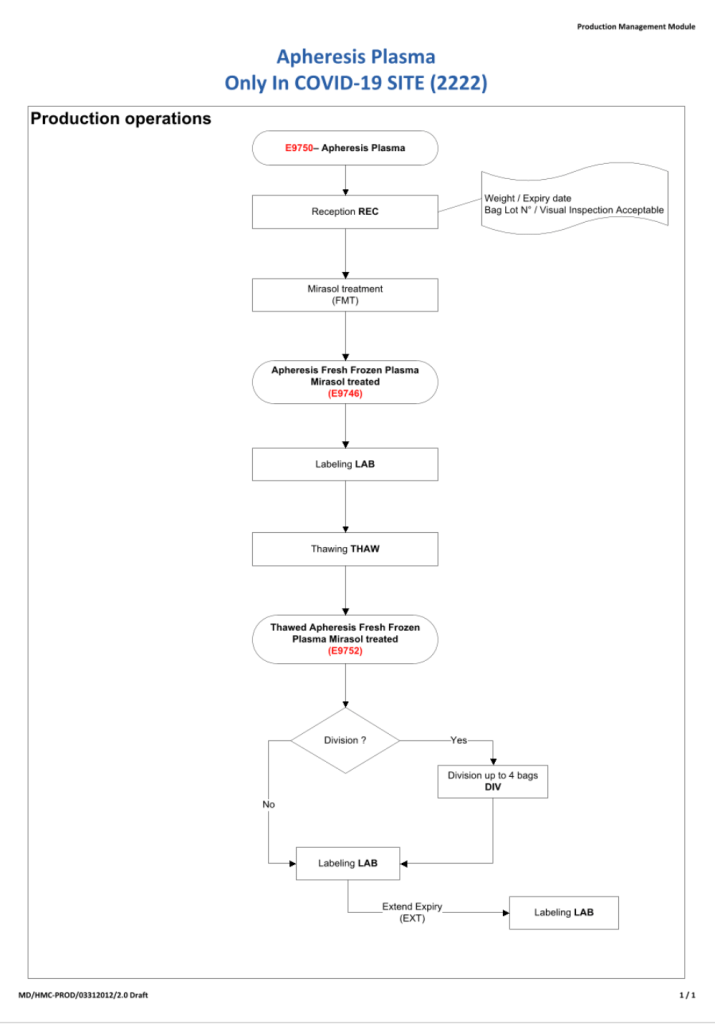
Therapeutic Apheresis Responsibilities

Transfusion Medicine TM:

  1. Head, TMS, or the covering TM physician discusses case with the most responsible physician MRP; the plan of action mutually is agreed upon.
  2. Head, TM, or the covering TM physician gives verbal or written orders to apheresis nurse, including:
    • Type of procedure (RBC exchange, plasmapheresis, plasmapheresis with column absorption, leukapheresis, thrombopheresis, stem cell collection)
    • Machine parameters if indicated (e.g. fraction of cells remaining FCR, target hematocrit, unit hematocrit for RBC exchanges)
    • Amount of exchange in liters (e.g. one-volume, two volume, etc.)
    • Fluid balance (e.g. isovolemic, volume-reduced, volume enhanced)
    • Replacement fluids and volume (e.g. normal saline, 5% albumin, ACD-A, blood components, solvent-detergent treated plasma SDP)
    • Calcium replacement (calcium gluconate IV)
    • Orders for laboratory testing prior to and after the apheresis (usually CBC, PT, APTT,  fibrinogen, total protein, albumin, calcium, LDH for TTP/HUS)
  3. Apheresis nurse convey the order to the ward/clinic.
  4. The requesting clinical service will place the order in the hospital information system.
  5. If a verbal order is made, TMS physician will sign his verbal orders, a copy of which will kept in the Apheresis Unit.
  6. If the hospital computer system is used, the TM physician will enter his orders and the apheresis nurses will take off the orders electronically.
  7. If a stem cell product is collected:
    • TM will label it with a unique alphanumeric identifier barcode, i.e. an ISBT specimen label with check-digit that is generated by the Medinfo Hematos IIG system .
    • Cellular Therapy Laboratory staff in conjunction with the apheresis nurse will sign-out the collection from TM to CTL using two donor identifiers:  patient name and the unique alphanumeric sequence barcode (same as process of sign-out of blood component).
  8. Note:  Use of Medinfo HIIG for stem cell collection is out of scope of TM.

Cellular Therapy Laboratory:

  1. Directly receive collected product from apheresis nurses will use the procedure outlined in 7.2 above.

Most Responsible Physician:

  1. Initiates request for apheresis with Division Head. Transfusion Medicine or covering Transfusion Medicine physician.
  2. Obtains informed consent from patient
  3. Arranges for proper venous access (rigid-bore central line or AV shunt)
  4. Is responsible for clinical support during the procedure
  5. Provides medication changes (e.g., substitution of non-ACE-inhibitors for hypertension therapy) as requested by the Head, TMS or Transfusion Medicine Physician

Ward/Clinic Nursing Responsibilities:

  1.  Ward/clinic nursing staff effect written orders to obtain replacement fluids (albumin, blood components, crystalloid), calcium, and order tests in hospital computer.
  2.  Ward nurses provide support (e.g., obtain medications, blood components, and miscellaneous items such as gauze, etc. and bring them to patient’s room) DURING THE PROCEDURE.
  3.  As per Apheresis Policy (TRM-PM-410-000-000-01), the assigned staff nurse from the unit shall contact the Blood Donation Center.
  4. The assigned clinical staff nurse from the unit should call the local Blood Bank to request preparation of the requested components, e.g. RBCs, FFP, or cryoprecipitate and follow up.
  5. To avoid unnecessary delays before calling the Blood Donor Center Apheresis Staff Nurse the assigned unit staff nurse shall inform the Blood Donation Center Charge Nurse when the following have been completed and are available on the ward:
    • Signed, informed consent
    • A central line with a large bore double lumen.
    • Completed blood laboratory results
      • Only results within 24 hours of the intended procedure may be used to write the order.
      • In some cases, more recent results may be required (e.g. TTP) at the discretion of the Transfusion Medicine physician.
    • The ordered replacement fluids such as normal saline, thawed or liquid plasma, cryo-poor plasma, albumin and red cell units available in the ward
    • Calcium gluconate (ordered amount in 100 ml normal saline) available
  6. The assigned apheresis nurse shall then perform the required therapeutic apheresis procedure strictly following the related TRM standard operating procedure.

Note:

  1. Apheresis is a SCHEDULED, high-priority procedure like other invasive procedures. The ward must make certain that the patient is available for the procedure at the scheduled time and place.
  2. Normally, apheresis procedures are performed 0600 to 1500 hours daily.
  3. The service is ONLY available 24/7 for emergency procedures outside this time frame. Emergencies must be approved by the TM physician.
  4. Transfusion Medicine does not guarantee that non-emergency procedures will be performed outside the 0600-1500 time frame.
  5. The most-responsible physician MRP is responsible for the patient’s concern form, establishing the proper venous access (rigid-bore central line), and providing coverage ON-SITE during the procedure. The apheresis nurse may not leave the patient’s bedside during the procedure.
  6. The apheresis nurse reports directly to the Division Head, Transfusion Medicine or the covering TM physician, not to the ward or MRP.   Any issues about changing the apheresis orders must be approved by the Head, TM or the covering TM physician.
  7. All other procedures must be cancelled during apheresis.
  8. If the patient is not available at the specified, scheduled time, the procedure will be cancelled.
  9. If ward or MRP support is not available, the procedure will be cancelled.
Abnormal Marker Testing Algorithm

At the time this was written, West Nile Virus WNV, Chikungunya, Dengue, and Zika virus were not considered as high-risk and no testing was done on the blood supply for them. There were policies to check donor history and ask questions about each of these agents.

Note that we used a linear immunoblot assay for HIV 1/2, HCV, HTLV 1/2, and syphilis.

Definitions:

Positive result for EIA means S/CO ratio >= 1.0

Positive result for LIA (linear immunoblot assay) means particular pattern of bands as defined by the manufacturer

Indeterminate result for LIA means presence of bands not meeting positive criteria

  • Hepatitis B:
    1. HBsAg non-negative, then:
      1. HBsAg positive with HBsAg confirmatory positive, regardless of other results:  permanent deferral, refer to Infectious Disease clinic
      2. HBsAg positive with HBsAg confirmatory borderline or negative, repeat all HBV testing after 8 weeks
      3. HBsAg borderline:  repeat all HBV testing after 8 weeks
      4. HBV-DNA positive confirmed, regardless of other results:  permanent deferral, refer to Infectious Disease clinic
    2. If HBcAb positive, repeat after 8 weeks
    3. Repeat Hepatitis B Testing After 8 weeks:
      1. HBsAg positive with HBsAg confirmatory positive:  permanent deferral, refer to Infectious Disease clinic
      2. HBsAg positive with HBsAg confirmatory borderline or negative:  permanent deferral, refer to Infectious Disease clinic
      3. HBsAg borderline, permanent deferral, refer to Infectious Disease clinic
      4. HBV-DNA positive confirmed:  permanent deferral, refer to Infectious Disease clinic
      5. HBcAb positive or borderline with negative HBsAg and negative HBV-DNA:  review HBsAb level:
        1. If HBsAb level >= 100 mIU/mL (100 IU/L), donor may be reentered
        2. If HBsAb level < 100, then recommend to donor to receive booster HBV vaccine
          1. After HBV vaccine administration, retest after 30 days:
            1. If HBsAb level >= 100, donor may be reentered
            2. If HBsAb level < 100, donor is indefinitely deferred
      6. HBsAg, HBcAb, HBsAb all negative:  reenter into donor pool
  • Hepatitis C:
    1. HCV-RNA positive confirmed, regardless of other HCV results:  permanent deferral, refer to Infectious Disease clinic
    2. HCV-RNA borderline:  repeat all HCV testing after 6 months
    3. HCV-InnoLIA positive, regardless of other HCV results:  permanent deferral, refer to Infectious Disease clinic
    4. HCV-InnoLIA indeterminate:  repeat all HCV testing after 6 months
    5. HCV-Ab positive, HCV-RNA negative, do HCV-InnoLIA:
      1. If HCV-InnoLIA positive, permanent deferral, refer to Infectious Disease clinic
      2. If HCV-InnoLIA indeterminate or negative, repeat all HCV testing after 6 months
    6. Repeat Hepatitis C Testing After 6 months:
      1. HCV-RNA or HCV-InnoLIA positive:  permanent deferral, refer to Infectious Disease clinic
      2. HCV-RNA or HCV-InnoLIA borderline:  permanent deferral, HCV infection not confirmed
      3. HCV-Ab positive or borderline without positive HCV-RNA or positive HCV-InnoLIA:  permanent deferral, HCV infection not confirmed
      4. HCV-Ab negative, HCV-RNA negative, HCV-InnoLIA negative:  reenter donor into donor pool
  • HIV Testing:
    1. HIV-RNA positive confirmed, regardless of other HIV results:  permanent deferral and do HIV-InnoLIA, refer to Infectious Disease clinic
    2. HIV-RNA borderline:  do HIV-InnoLIA
    3. HIV-InnoLIA positive, regardless of other HIV results:  refer to Infectious Disease clinic
    4. HIV-InnoLIA indeterminate:  repeat all HIV testing after 8 weeks
    5. HIV Ab positive with negative HIV-RNA and/or borderline/negative HIV-InnoLIA:  repeat testing after 8 weeks
    6. Repeat HIV Testing After 8 Weeks:
      1. HIV RNA positive and/or HIV-InnoLIA positive, regardless of other HIV results:  refer to Infectious Disease clinic
      2. HIV-InnoLIA and/or HIV antibodies indeterminate:  permanent deferral, HIV infection not confirmed
      3. HIV Ab negative and HIV-RNA negative and HIV-InnoLIA negative:  reenter into donor pool
  • HTLV 1/2 Testing:
    1. HTLV Antibodies positive, then do HTLV-InnoLIA:
      1. HTLV InnoLIA positive for HTLV-1 and/or HTLV-2:  refer to Infectious Disease clinic
      2. HTLV InnoLIA indeterminate or negative, repeat HTLV Ab and HTLV InnoLIA testing after 6 months
    2. Repeat HTLV Testing After 6 Months:
      1. HTLV 1/2 antibodies positive, permanent deferral and do HTLV InnoLIA
      2. HTLV 1/2 antibodies indeterminate,  permanent deferral and do HTLV InnoLIA
      3. HTLV InnoLIA positive for HTLV-1 or HTLV-2: refer to Infectious Disease clinic
      4. HTLV InnoLIA indeterminate, donor permanently deferred.
        • Issue letter HTLV-Not Confirmed
      5. HTLV 1/2 Ab negative and HTLV InnoLIA negative, reenter donor.
  • Malaria Testing:
    1. Defer donor if he has been in malarial endemic zone within the past 4 months
    2. If travel to malarial zone > 4 months, do malarial antibody testing:
      1. Malaria antibody negative:  no deferral
      2. Malaria antibody positive, perform malarial antigen test:
        1. Malaria antigen test positive, refer to Infectious Disease clinic—defer until 3 years after cessation of treatment
        2. Malaria antigen test negative:
          1. Plasma may be collected
          2. RBCs and platelets must be destroyed.
        3. Repeat malarial antibodies after 3 years:
          1. If malarial antibody test positive, donor must not be used for RBC components but may be used for plasma production
          2. If malarial antibody test negative, reenter donor for all components
    3. Defer donor if he has received malarial treatment (not prophylaxis) for 3 years
      1. Perform both malarial antibody and antigen testing:
        1. Defer based on section 5.2
  • Syphilis Testing:
    1. Syphilis Ab test positive or indeterminate:  do InnoLIA-Syphilis test
      1. InnoLIA-Syphilis test positive:  permanent deferral, refer to Infectious Disease clinic
      2. InnoLIA-Syphilis test borderline or negative:  defer for 1 year, then repeat all syphilis testing.
    2. Repeat Syphilis Testing after 1 Year:
      1. Syphilis antibody testing negative, reenter into donor pool
      2. Syphilis antibody positive or borderline:  do InnoLIA-Syphilis test
        1. InnoLIA-Syphilis test positive:  permanent deferral, refer to Infectious Disease clinic
        2. If InnoLIA-Syphilis borderline or negative:  permanent deferral, syphilis not confirmed, Guidance for Industry, February 2020

References:

  1. Use of Serologic Tests to Reduce the Risk of Transfusion-Transmitted Human T-Cell Lymphotropic Viruses Types I and II, Final Guidance for Industry, February 2020
  2. Draft Guidance for Industry:  Recommendations for Requalification of Blood Donors Deferred Because of Reactive Test Results for Antibodies to Human T-Lymphotropic Virus Types I and II (anti-HTLV-I/II), CBER, September 2018
  3. Guidance for Industry:  Nucleic Acid Testing (NAT) for Human Immunodeficiency Virus Type 1 (HIV-1) and Hepatitis C Virus (HCV): Testing, Product Disposition, and Donor Deferral and Reentry, US Department of Health and Human Services, Center for Biologics Evaluation and Research CBER, May 2010
  4. Guidance for Industry:  Requalification Method for Reentry of Blood Donors Deferred Because of Reactive Test Results for Antibody to Hepatitis B Core Antigen (Anti-HBc), US Department of Health and Human Services, Center for Biologics Evaluation and Research CBER, May 2010
  5. Product inserts, InnoLIA-Syphilis/HCV/HIV/HTLV

Therapeutic Apheresis

Principle:

All therapeutic apheresis procedures are potentially life-threatening and must only occur by an order from a transfusion medicine physician with experience/competence in such procedures.

Definitions:

  • Referring Physician is the clinical physician requesting a therapeutic apheresis procedure.
  • Transfusion Medicine Physician is a physician in the Transfusion Medicine Section with medical privileges for therapeutic apheresis procedures.  This includes the Head, Transfusion Medicine, consultants in Transfusion Medicine, and designated specialist physicians in Transfusion Medicine.  The final decision to accept/reject the patient is made by the transfusion medicine physician.
  • Covering Physician is the clinical physician designated by the referring physician to be physically present and covering the patient in case of any adverse reactions during a therapeutic apheresis procedure.
  • Apheresis Nurses are nurses in Transfusion Medicine who are designated by this section for performing therapeutic apheresis procedures.
  • Medical Privileges are determined by the Department of Pathology and Laboratory Medicine in conjunction with the HMC medical privileging by the Medical Director.

Policy:

  1. The referral physician will discuss the request for a therapeutic apheresis with the designated transfusion medicine physician.  The referral physician must certify that the patient can tolerate the procedure based on his medical condition.
  2. The transfusion medicine physician will review the patient’s clinical and laboratory data, with special note of the history of allergies, medications, previous transfusion reactions, and current vital signs.
  3. Vascular access will be initially assessed by the apheresis nurse.  Any questionable situations will be reviewed by the transfusion medicine physician.
  4. The following laboratory values (less than 24 hours old) must be available before the procedure may begin:
    1. CBC including platelet count
    2. PT and APTT
    3. Fibrinogen
    4. Serum calcium
    5. Serum protein and albumin
    6. LDH for TTP cases
  5. A valid type and screen must have been done within the previous three days of the procedure.
  6. Upon review of # 2 through 5, the transfusion medicine physician will determine if the procedure is indicated and will communicate this to the referral physician, who will sign written order in the patient chart.  Appropriate replacement fluids will also be mutually agreed upon in advance of the procedure and ordered by the transfusion medicine physician.  The order specification must include:
    1. Name of procedure and specification (e.g. therapeutic plasma exchange, isovolemic)
    2. Replacement fluid type and volume (e.g. 3 liters 5% albumin, 2 liters, FFP, cryoprecipitate, normal saline)
    3. Blood component orders if indicated (e.g. RBC exchange) and timing (before, during, and/or after the procedure)
    4. Calcium replacement (e.g. 2 grams calcium gluconate IV in 100 ml normal saline to run during the procedure)
    5. Any special laboratory testing post-procedure
  7. The apheresis nurse will follow the orders of the necessary prescribed replacement fluids (FFP, albumin, PPF) in the quantities necessary for the exchange.
  8. The referring physician will obtain the signed, informed consent from the patient.
  9. If vascular access is unsatisfactory, the referring physician will obtain the proper access (central line, AV shunt, etc.).
  10. The referring physician will arrange for a physician member of his team to be present at the actual therapeutic procedure.  This physician designate will be responsible to treat any complications arising from the procedure.
  11. Vital signs and weight will be obtained before starting the procedure.
  12. When approved by the Blood Bank Director or designate with proper venous access and informed consent, the apheresis may start the procedure in the presence of the patient’s covering physician.  The procedure will be performed in a designated hospital area.
  13. The procedure must be documented on the appropriate therapeutic apheresis order and procedure worksheets.

References:

  1. Standards for Blood Banks and Transfusion Services Current Edition, AABB, Bethesda, MD, USA
  2. CAP Standard TRM.42245 regarding therapeutic apheresis procedures

Manual CCP Plasmapheresis Collection

Principle:

Due to the pandemic, we will initially MANUALLY collect an experimental, investigational-use-only plasma product from apheresis donors and treat it with Mirasol.  THIS IS A EMERGENCY INTERIM PROCESS UNTIL THE MEDINFO HEMATOS IIG PROCESSES ARE PREPARED AND VALIDATED.

Policy:

  1. Good Manufacturing Practice applies:
    1. Manufacturers’ recommended processes for equipment and materials usage applies.
    2. All staff engaged in these processes must be competency assessed successfully.
  2. Pre-Screening:
    1. Clinical staff will use the prescreening document to select donors for pre-donation screening.
  3. Quarantine:
    1. All processes (day 0, day 1, day 2, and product modification and release) will be done in quarantine areas SEPARATE and DISTINCT from regular Transfusion Medicine activities.  This includes:
      1. Separate space and equipment must be provided.
        1. Equipment for this project may NOT be used for regular, non-quarantine processes
    2. Non-Transfusion Medicine staff will not be permitted in operational areas.
    3. Prospective donors will not be permitted in the processing, testing, storage, or blood bank work areas.
  4. Donation Process:
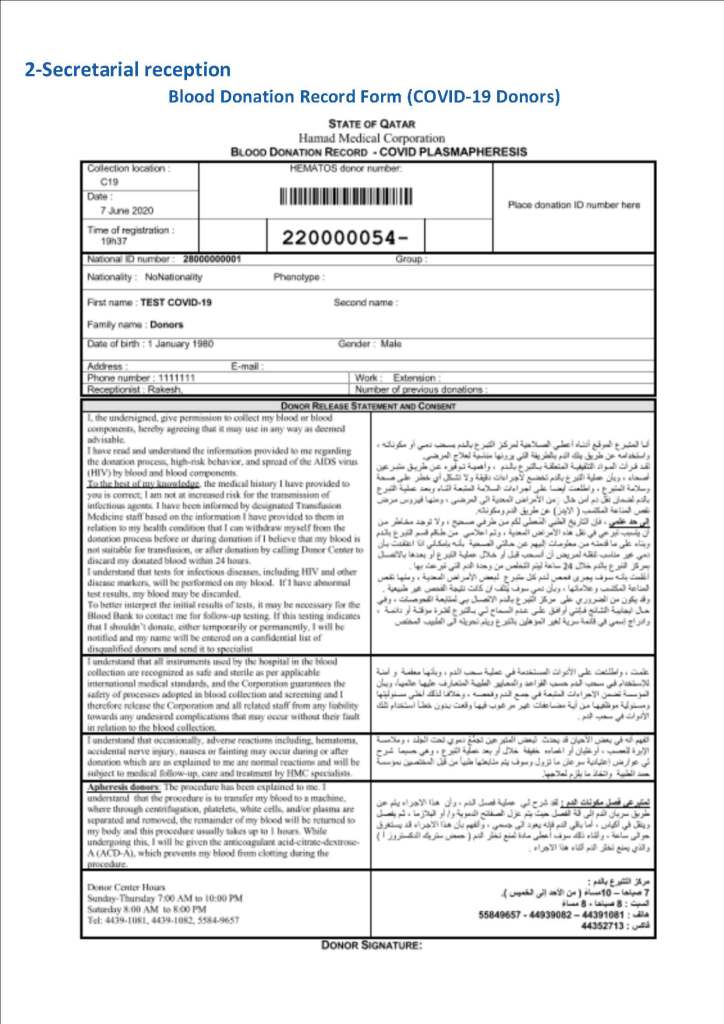
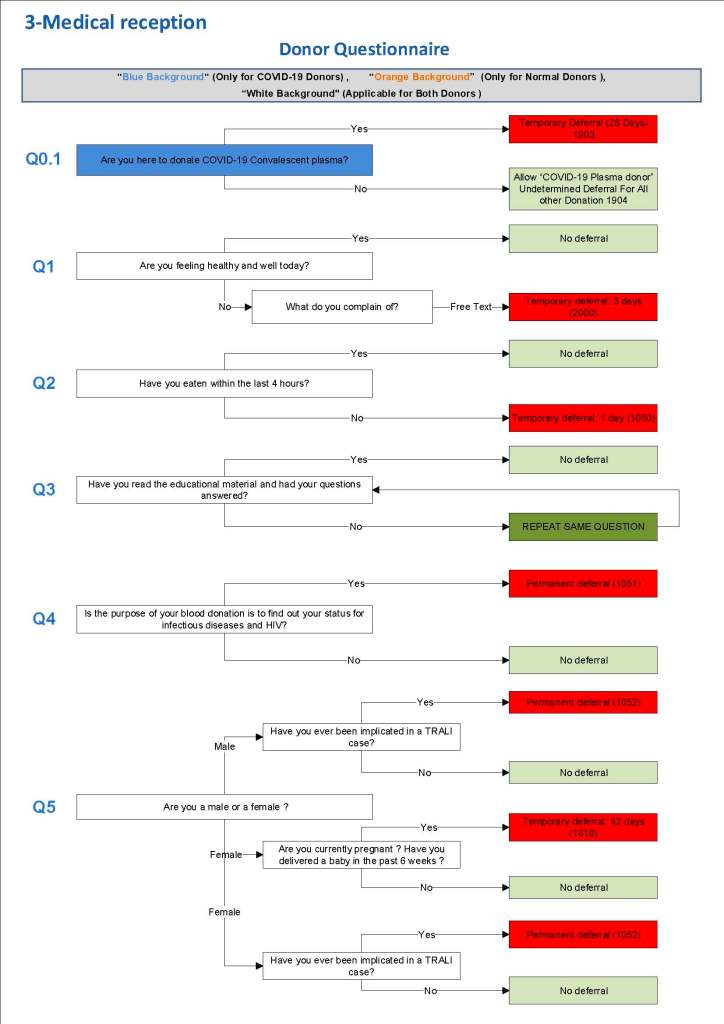
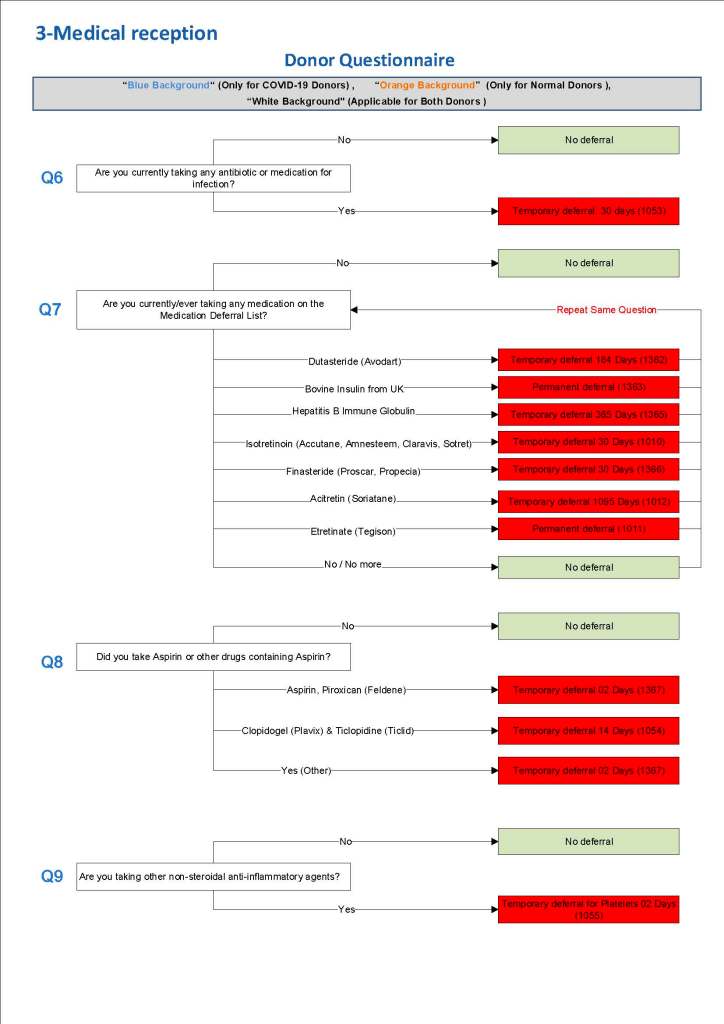
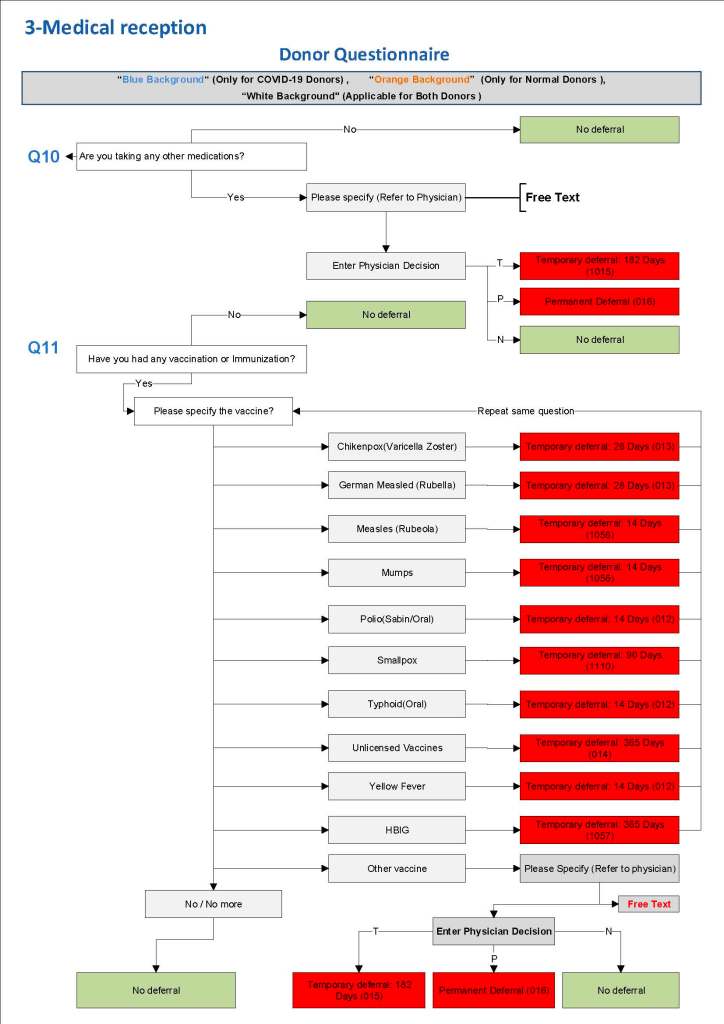
    1. Day 0:  Registration, check donor deferral database, questionnaire, physical exam including arm check, and specimen collection using ISBT specimen labels
    2. Use latest manual donor questionnaire.
    3. Day 1:  Donor marker and immunohematology testing, review of results, accept or reject donor for actual plasmapheresis
    4. Day 2:  Collect manufacturer’s recommended volume of plasma (500 ml if < 80 kg, 600 ml if >= 80 kg), aliquot, pathogen-inactivate (Mirasol), freeze at minus 80C
  5. Testing:
    1. Testing will be performed with regular blood donor specimens using ISBT specimen labels
    2. Testing must be done by donor-specific processes (not those for clinical patients)
    3. Testing must be directly interfaced to Medinfo Hematos IIG donor module
  6. Processing:
    1. Aliquoting, pathogen-inactivation, and labelling may proceed if the pre-donation screening results are acceptable.
  7. Storage:
    1. Long-term in minus 80C quarantine freezer
    2. Short-term at 1-6 C just after thawing in quarantine refrigerator
    3. Standard temperature monitoring and alarms apply
  8. Labelling:
    1. The backup manual labelling process applies
    2. The ISBT specimen label will the donor unit number
      1. Outdate will be 6 years if the product is stored at -65C, 1 year if stored at -18C
  9. Product Release:
    1. Orders must be on the PAPER requisition (old Blood Bank Order Form) with a patient prescription:
      1. No orders in Cerner
    2. Thawing plasma at 37C upon receipt of order by Transfusion Medicine staff
    3. Signing out component to clinical unit by Transfusion Medicine Staff
  10. Information Technology:  Medinfo Hematos IIG customized software to be implemented as soon as possible for all processes
  11. Not covered:  Transfusion Medicine is NOT responsible for:
    1. Triage of request for convalescent plasma
    2. Pickup and transport of components

8/4/20

Blood Donation Process Overview

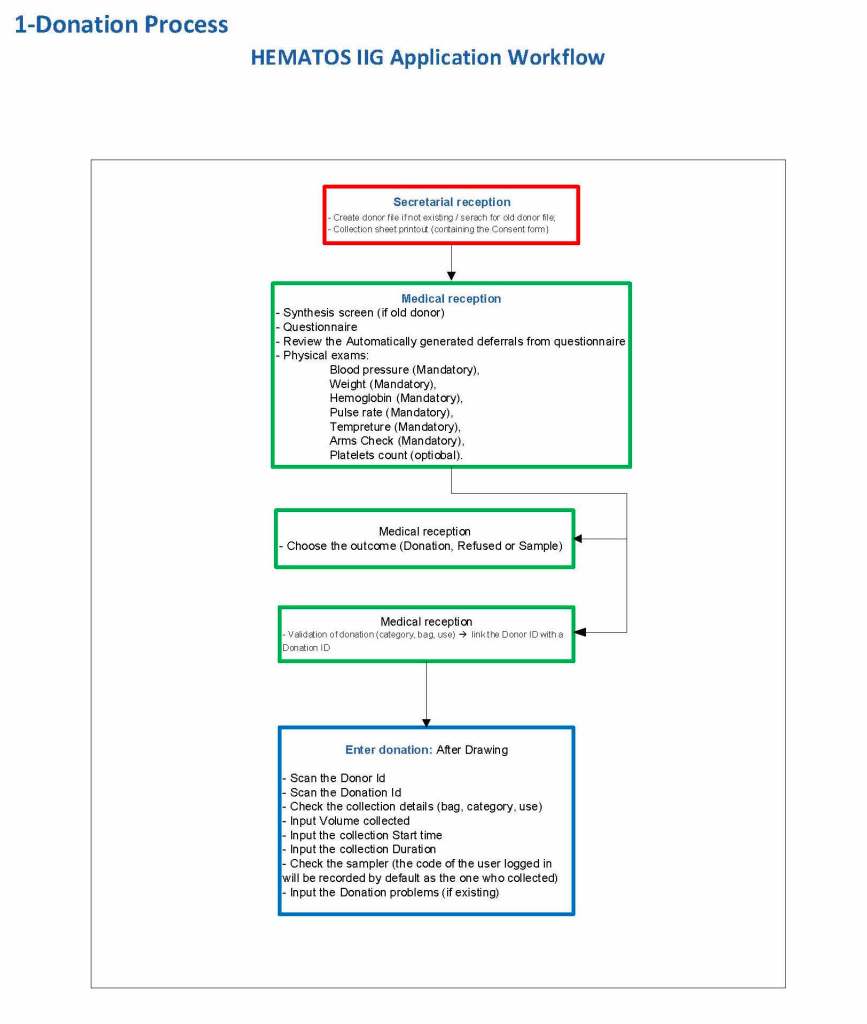
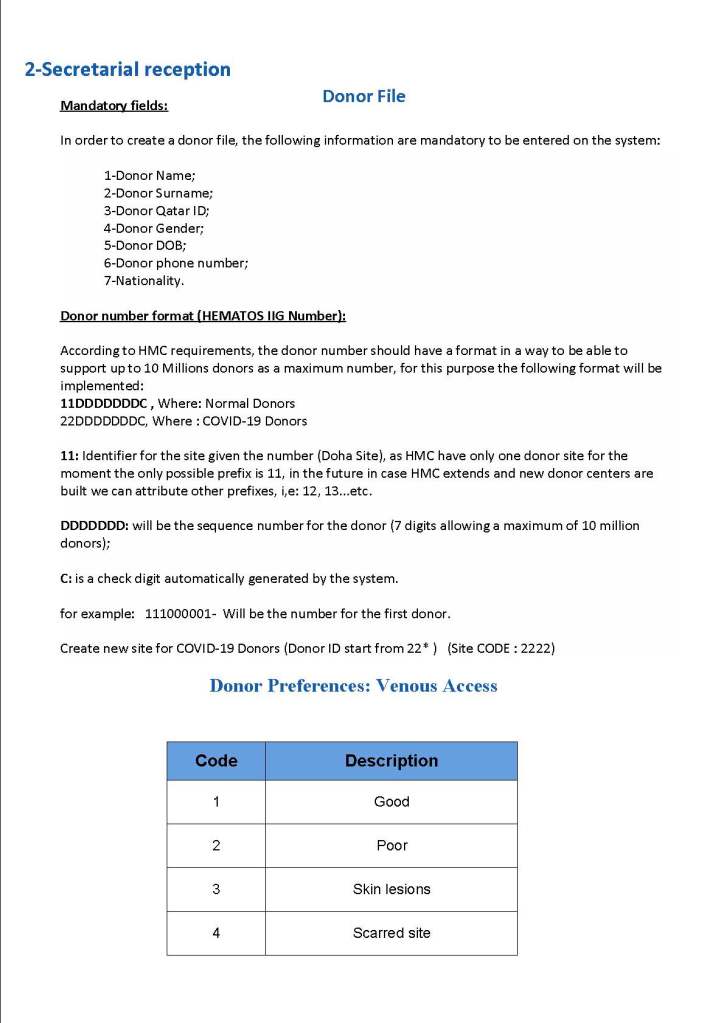
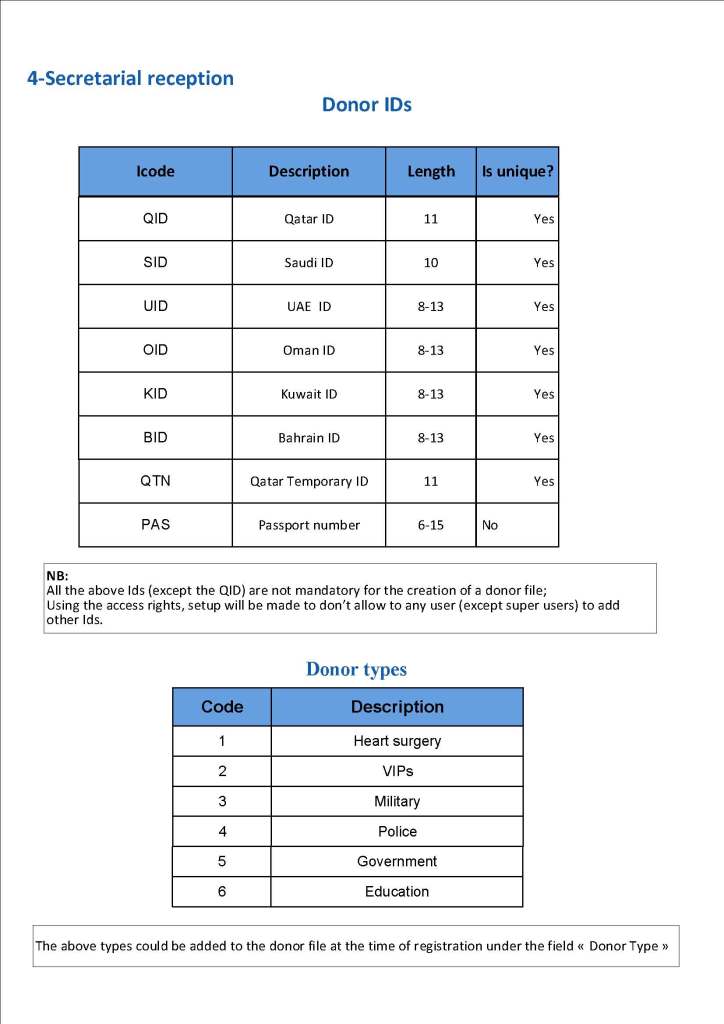
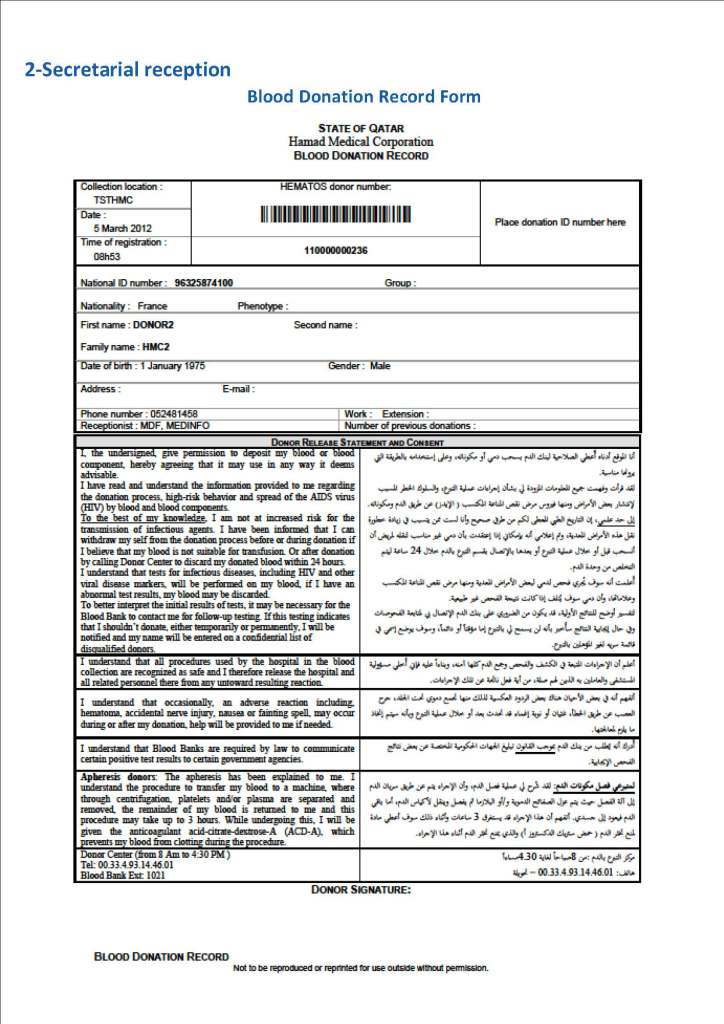
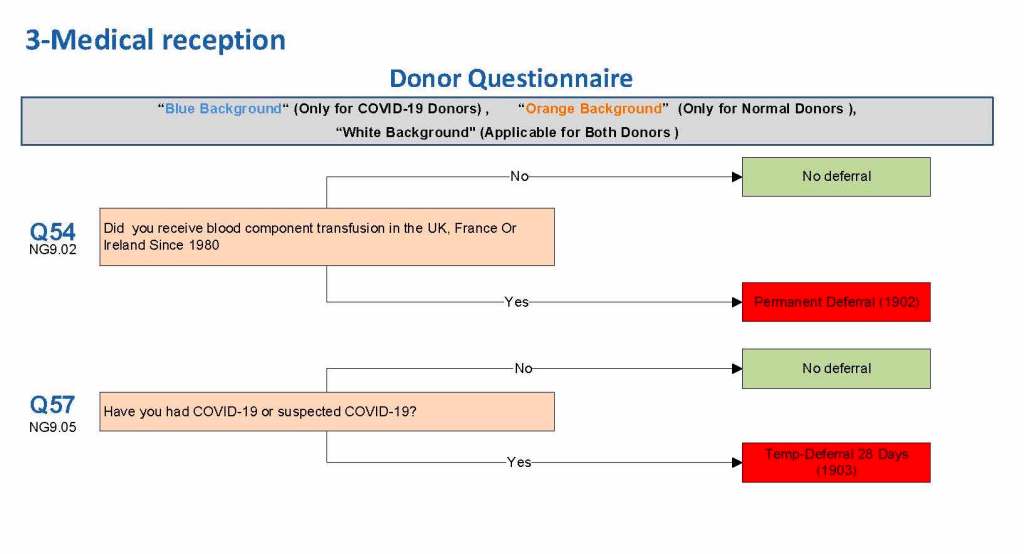
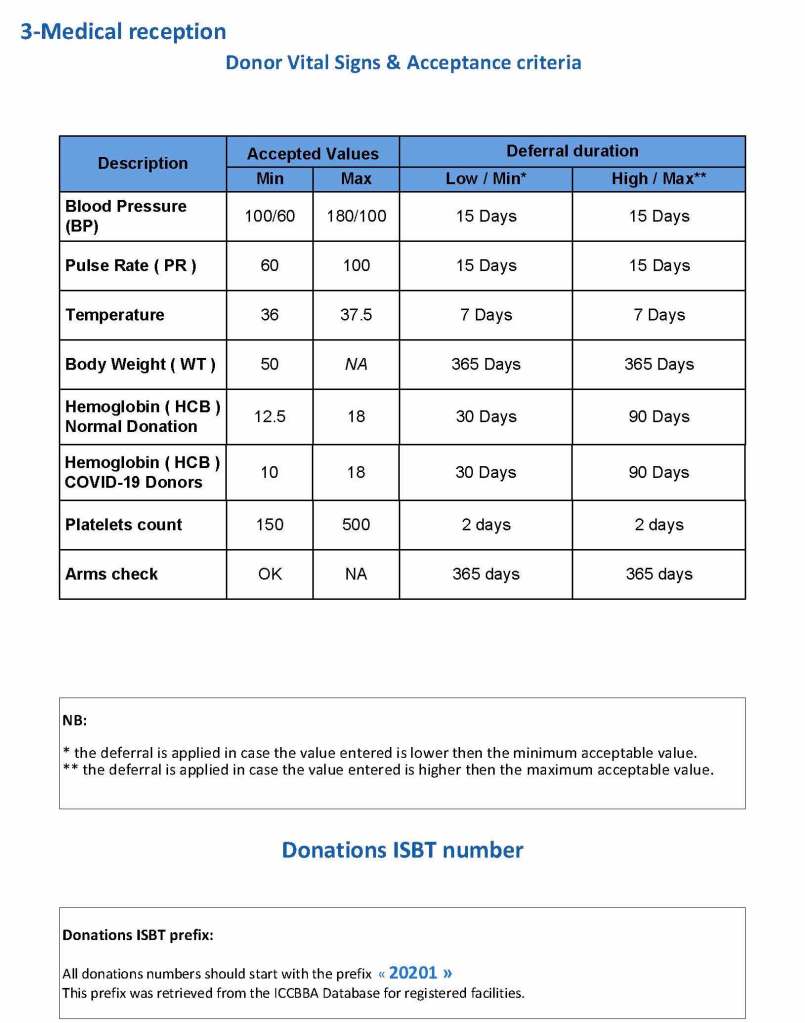
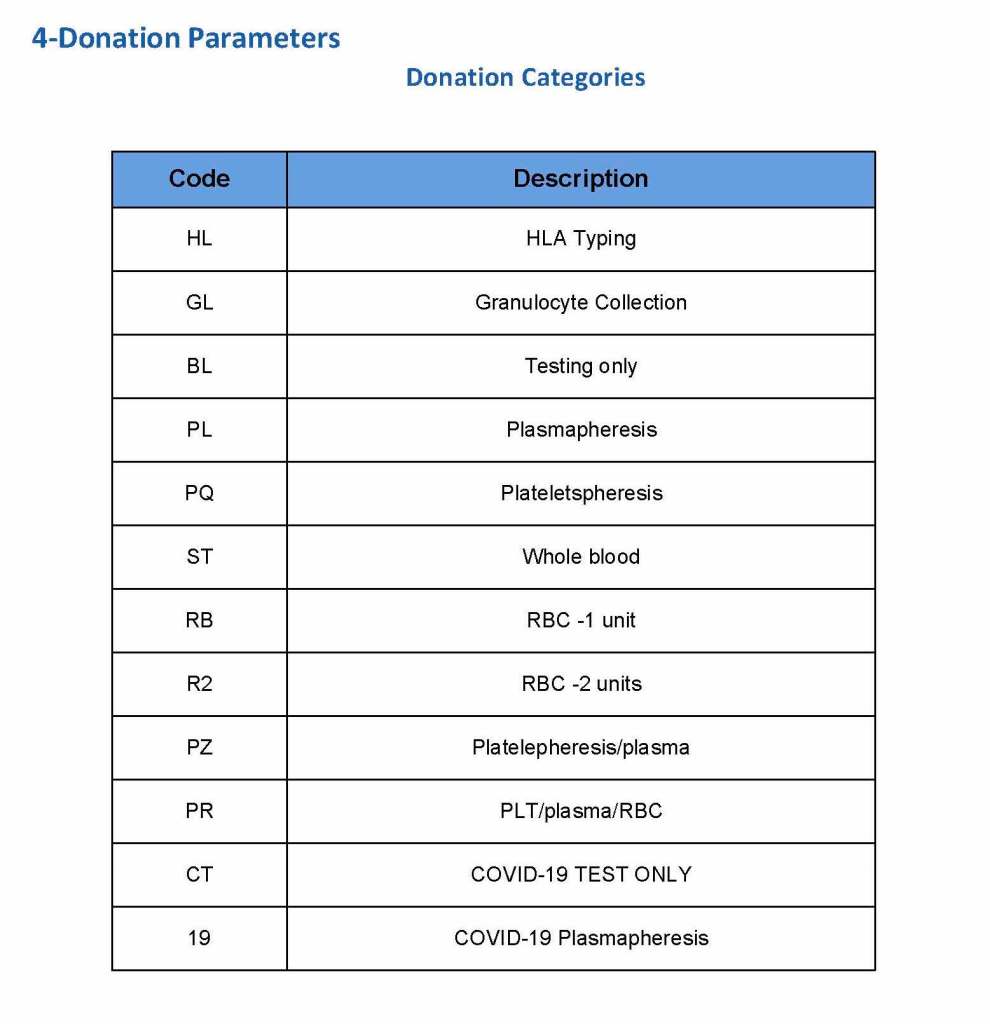
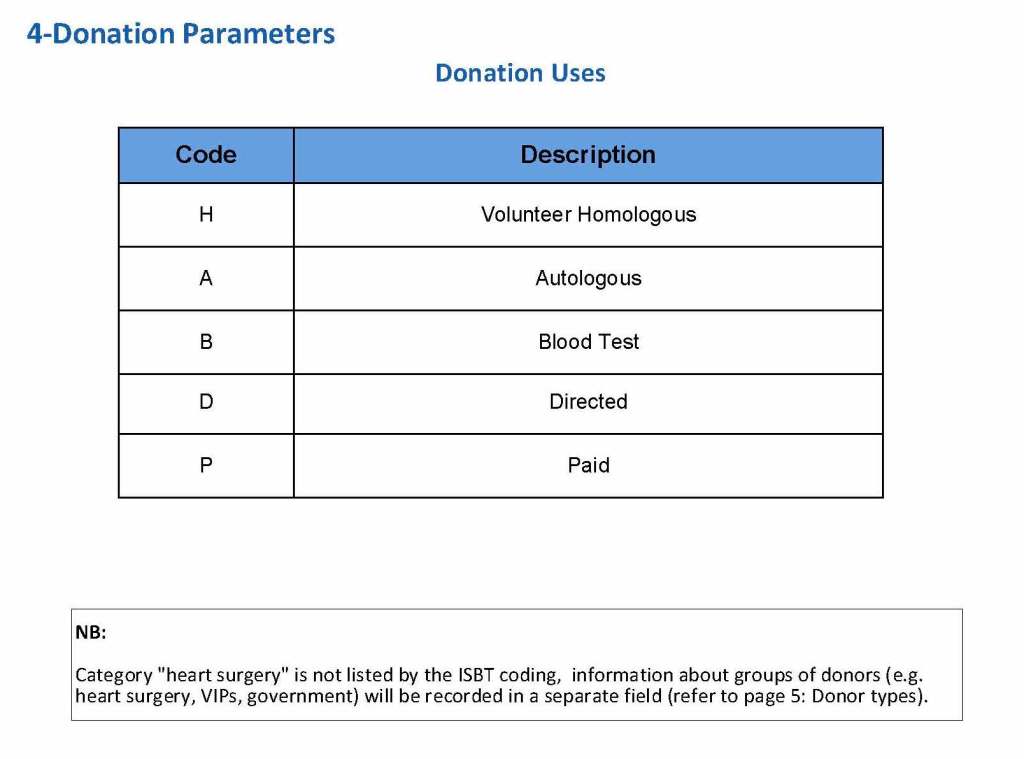
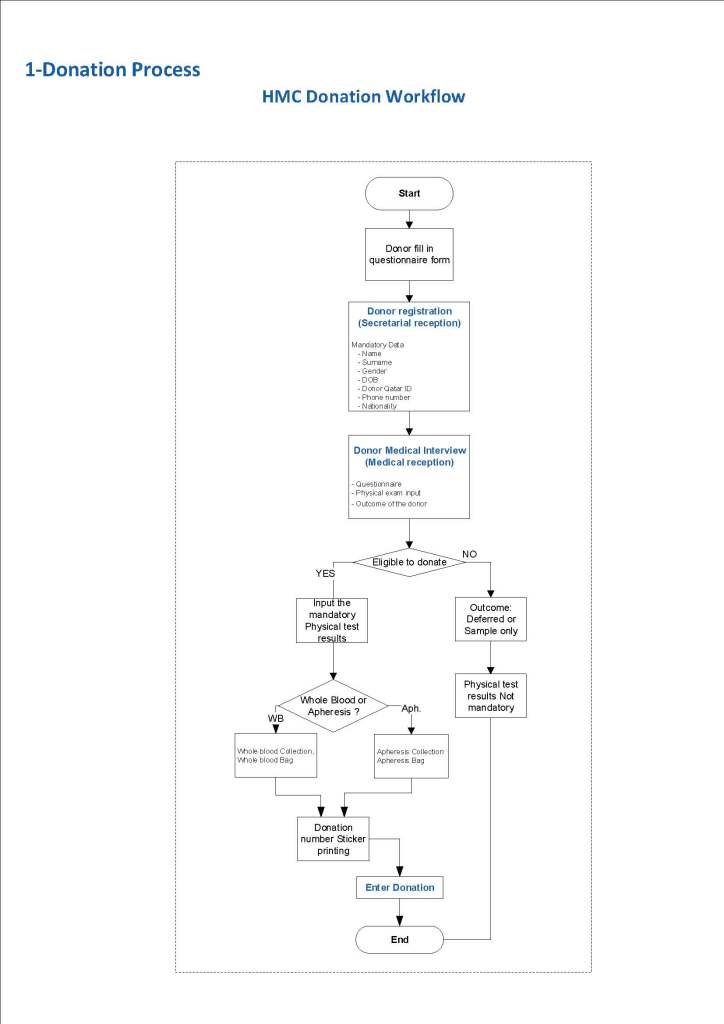
This is a sample Medinfo overview document for the blood collection process for HMC Doha that I designed in conjunction with Medinfo France and Medinfo Doha. This includes, registration, donor consent, questionnaire, physical examination, and collection.

Pre-Screening for Convalescent COVID-19 Donor Candidates

All blood components are considered medications and are subject to Good Manufacturing Practices as mandated by international accreditation standards.  The whole process must be done reproducibly and precisely by specific personnel trained and documented to be competent.  This includes collection of convalescent COVID-19 plasma.

Transfusion Medicine will provide staff who are deemed competent for the entire process of the collection, manufacture, and release of this unlicensed, emergency-contingency component.

It will help greatly if all candidates are prescreened to exclude the following candidates:

Administrative:

Donors must come with a valid Qatari identity card:  no ID means no screening

Sex:

Males only to minimize the risk for transfusion-associated lung injury TRALI

Donor Feeling:

If the donor does not feel well, he should not come for screening/collection.

Food/Drink:

Donor must have eaten/drunk fluids within 4 hours of arrival for screening/collection.

Medication exclusions:

  1. Antibiotics within the past 14 days
  2. ACE inhibitors in the past 48 hours
  3. Beta blockers
  4. Anticoagulants
  5. Anti-anxiety or other psychotropic medications
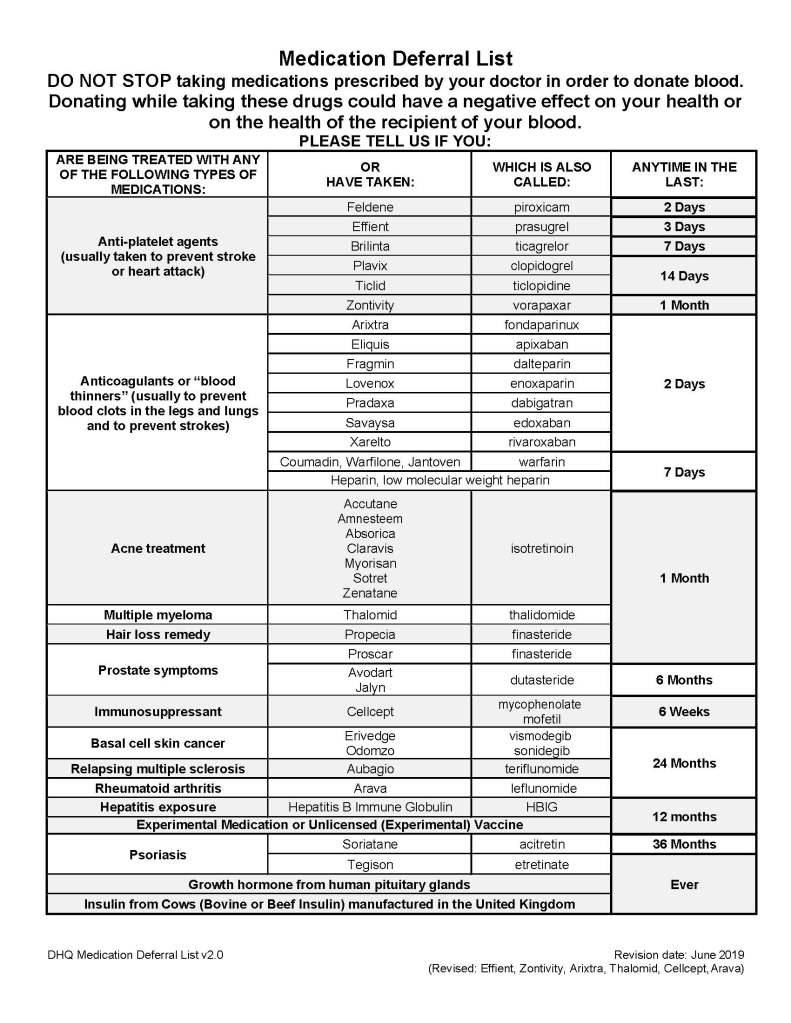
  6. Other medications in the attached list DHQ 2.0

Medical exclusions:

  1. Stable vital signs
  2. History of seizures
  3. History of dementia or other chronic neurologic disorder
  4. Family history of dementia or other chronic neurologic disorder
  5. Significant cardiac arrhythmias
  6. History of hepatitis B, hepatitis C, HIV, brucellosis, Ebola

Travel history:

  1. 5 years cumulative residence in Europe including Ireland and France 1980-2001
  2. 3 months cumulative residence in the UK (and/or all its territories) 1980-1996
  3. Any visit(s) to West Africa

This is NOT a complete list of criteria.  Transfusion Medicine personnel will screen according to the full donor criteria.  Thus, donors passing the prescreening may still be otherwise disqualified based on the detailed process (testing, physical examination, etc.)

Interim Policy Updated Donor Medication Deferral List 190805 based on DHQ 2.0:

COVID-19 Convalescent Plasma Project, Winter 2020

While I was still associated with HMC Doha, I developed and set up an expedited setup for COVID-19 convalescent plasma production, initially manual and then fully integrated into the Medinfo blood bank computer system.

Specifically, I built a customized version of our Medinfo blood bank system to replace the manual system and increase safety the safety and production throughput while maintaining good manufacturing practices GMP. The full system (manual first, then computerized) was implemented within two weeks including a completely separate quarantine convalescent COVID donor screening, collections, processing, and release.

Subsequent posts will detail my processes.